


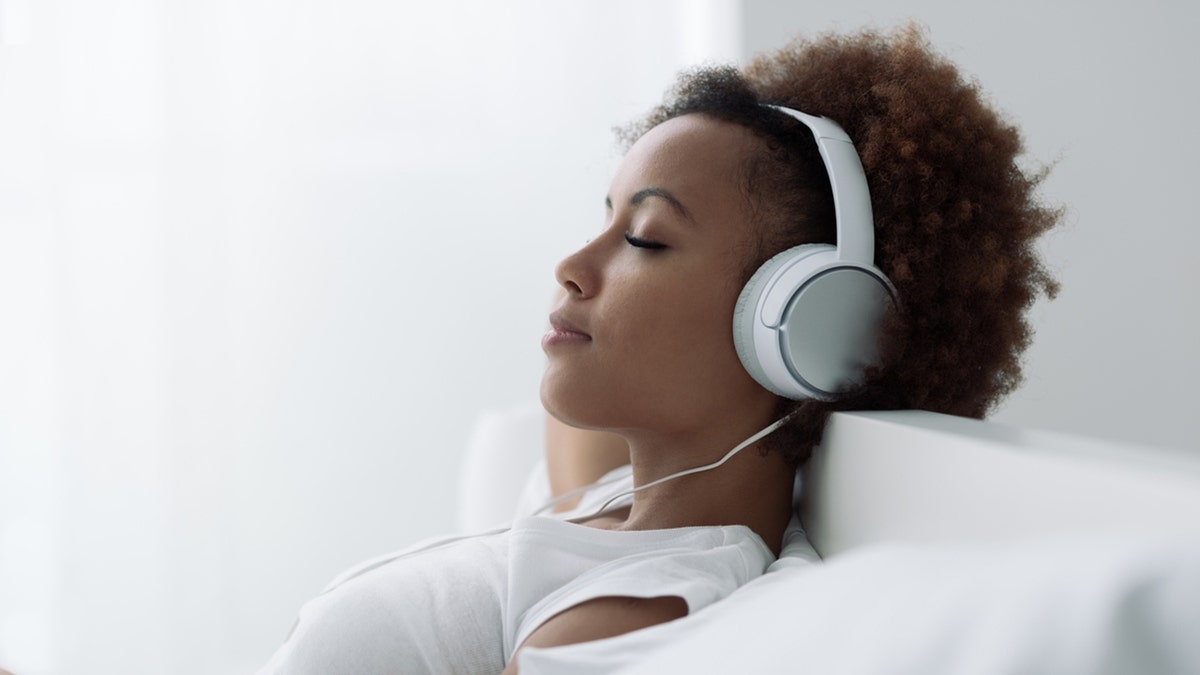
A study in Human Brain Mapping suggests that nostalgic music lights up a special mix of brain systems tied to personal memories, feelings and pleasure. The work was led by Sarah Hennessy, who conducted the research while at the University of Southern California’s Brain and Creativity Institute and later became a postdoctoral researcher at the University of Arizona. When people listened to songs that brought them back to meaningful moments, their brains showed stronger activity than when they heard similar songs that felt familiar or completely new.
That matters because many of us already use music as a quick way to change our mood or reconnect with our past. This research gives a clearer picture of what the brain is doing during those moments, especially across different ages. You can read the NIH record for the study.
Why Researchers Focused on Nostalgic Music
People often describe a certain song as a “time machine.” One chorus can bring back a car ride, a school dance, or a hard season you survived. Researchers have long known that music can trigger emotion and memory, yet music-evoked nostalgia has been harder to study because it depends on personal life stories.
For scientists, nostalgia is interesting because it blends several mental processes at once. It usually includes a memory, a sense of “this is my story,” and an emotional reaction. It can even include a warm feeling of connection to other people from that time. A single song can pack all of that into a short listen.
In this project, the team wanted to map what happens in the brain when someone hears a song that carries personal meaning. They also wanted to see whether age changes the pattern. That question matters for aging research because memory and emotion both shift across adulthood.
Researchers also have practical reasons for caring about this topic. There is ongoing interest in how music might support quality of life for people facing memory challenges later in life. Basic brain research like this helps clarify which brain systems respond during nostalgia and which parts seem most sensitive to it.
How The Team Built Personalized and Matched Song Lists
Studying nostalgia starts with a simple problem: one person’s nostalgic favorite can be another person’s random background song. The researchers handled that by letting each participant choose their own “nostalgia songs.” Each person selected six songs that reliably stirred personal nostalgia.
The study included 57 healthy adults. There were 29 younger adults ages 18 to 35. There were 28 older adults age 60 and up. This split let the team compare two life stages with different memory histories and different relationships to music.
Next came the key design challenge. The researchers needed comparison songs that matched the nostalgic songs in sound, while missing that personal time-travel feeling. They used a machine-learning approach to find songs that were similar in musical features such as tempo, key and energy. These became familiar control songs that participants recognized, yet did not rate as nostalgic.
They also included unfamiliar control songs that were musically matched, so the team could separate nostalgia from simple familiarity. During the main task, participants lay in an fMRI scanner and listened with eyes closed. Each clip lasted about 40 seconds. After listening, they rated their experiences and completed memory-related measures.
This kind of careful matching is a big deal in music research. Without it, strong brain responses could reflect louder sound, faster tempo, or even personal preference. The matched-song approach helps narrow the explanation to nostalgia itself.
fMRI Results Linked Nostalgia to Default Mode, Salience and Reward Activity
When the researchers compared brain scans across the different song types, a clear pattern appeared. Nostalgic songs produced stronger activity than both familiar and unfamiliar controls in a wide set of regions. The pattern fit with how nostalgia feels in real life, since it pulls on memory, emotion and self-reflection at the same time.
One major set of regions involved a system often called the default mode network. This network tends to be active when people think about themselves, reflect on life events, or recall autobiographical memories. Regions highlighted in the study included the medial prefrontal cortex and posterior cingulate cortex. The hippocampus, a key memory structure, also showed stronger engagement during nostalgic listening.
Another part of the pattern involved the brain’s emotion and importance-detection circuitry, often discussed as salience-related brain regions. Areas like the anterior cingulate cortex and the insula help the brain flag what feels meaningful. When a song is tied to a personal moment, “meaningful” is exactly the point.
Reward-related areas also played a role. The team reported increased activity in regions linked with pleasure and motivation, including parts of the midbrain and orbitofrontal cortex. This fits with a common experience many listeners report: nostalgia can feel bittersweet, yet still rewarding and comforting.
Because the study used functional MRI, it could show which brain areas became more active during each listening condition. fMRI measures changes in blood flow that track neural activity over time. It does not read thoughts, yet it offers a useful window into which brain systems are working harder during an experience.
“Despite all of the differences present in musical choice, nostalgia as evoked by music is associated with a very clear pattern in the brain across individuals and across the lifespan,” Hennessy said.
Nostalgic Songs Increased Communication Between Self-Related and Emotion Regions
Activity in single brain areas was only part of the story. The researchers also looked at how regions “talked” to each other during different songs. This is often called functional connectivity.
During nostalgic listening, connectivity increased between regions tied to self-focused thought and regions tied to emotion and body awareness. One highlighted link involved the posterior medial cortex and the anterior insula. In plain terms, the brain showed stronger coordination between “this relates to my life” processing and “this feels intense and meaningful” processing.
This matters because nostalgia often feels like more than a memory. It can feel like a whole-body experience, with a lump in the throat, a rush of warmth, or a sudden quiet. Stronger connections between self-related networks and emotion networks offer one possible brain-level explanation for that blended feeling.
Older Adults Showed Stronger Brain Responses During Nostalgic Listening
A striking part of the results involved age differences. Both younger and older adults showed the nostalgia pattern, yet older adults often showed stronger effects in key regions. That included areas tied to memory meaning and personal context, such as the temporal pole and angular gyrus.
Older adults also tended to report more positive feelings while listening to music in general. This lines up with broader psychology findings that emotional goals can shift with age. Many older adults place more value on emotionally meaningful experiences and relationships.
Another possibility is that older adults have a longer “music timeline” to draw from. A nostalgic song for someone in their 60s might connect to decades of experiences, roles and relationships. More layers of meaning could increase the intensity of the memory and emotional response during the scan.
At the same time, the researchers were careful about what these age findings can and cannot mean. The study compared two age groups at one point in time. That makes it hard to say whether the brain changes are caused by aging itself, by differences in music habits across generations, or by other factors that differ between groups.
What the Findings Suggest for Memory and Aging Research
This study adds detail to a growing idea: music can act as a strong cue for autobiographical memory. A song does not just bring back facts like where you lived. It can bring back “the you” from that period, including feelings, goals and relationships.
From a brain perspective, the results suggest nostalgia pulls together several systems at once. Memory-related structures help retrieve the episode. Self-related networks help connect the memory to identity. Reward circuits add pleasure and motivation. Salience regions highlight the personal importance. This whole package may help explain why nostalgic music can feel so powerful.
For everyday life, the findings may also explain why people often reach for certain songs during transitions. A move, a breakup, a new job, or a hard week can make someone want familiar emotional grounding. Music that carries personal meaning offers a quick way to reconnect with a sense of continuity.
Quick takeaway for daily life: If you want a more meaningful listening moment, try building a small “memory playlist” around specific life chapters, like first apartment songs, road trip songs, or songs from a close friendship. Give yourself a few minutes of quiet listening so your mind can wander. Many people find that the setting matters as much as the song.
In research settings, this work also helps sharpen questions about dementia and aging. Scientists have reported that some people with memory disorders still respond strongly to familiar, personally important music. This study does not test clinical groups, yet it helps map the healthy-brain systems that could be involved in those responses.
Study Limits and What Researchers Want to Test Next
Like any study, this one has limits. The participants were recruited from the greater Los Angeles area, so the sample may not represent people from different cultures, regions, or music traditions. Music nostalgia can be shaped by language, community and access to media.
There is also the question of time. Participants listened to 40-second clips inside the scanner. That is long enough to trigger a response, yet many people experience nostalgia as something that builds across a full song. Future studies could test whether longer listening changes the strength or shape of the brain pattern.
Another limitation involves the study design. The research compared groups of different ages, rather than tracking the same individuals over decades. Long-term studies could help tease apart age effects from generational effects, like different music styles during adolescence.
Even with those limits, the study offers a useful roadmap. The next steps could include testing clinical groups, comparing cultures and exploring which song features best predict nostalgia for different people. Researchers may also want to look at how lyrics, personal events and social memories each contribute to the brain response.
The big picture is simple: songs tied to personal history seem to engage a broad, connected set of brain systems related to memory, self and reward. For many listeners, that combination may be part of what makes an old favorite feel like more than entertainment.