


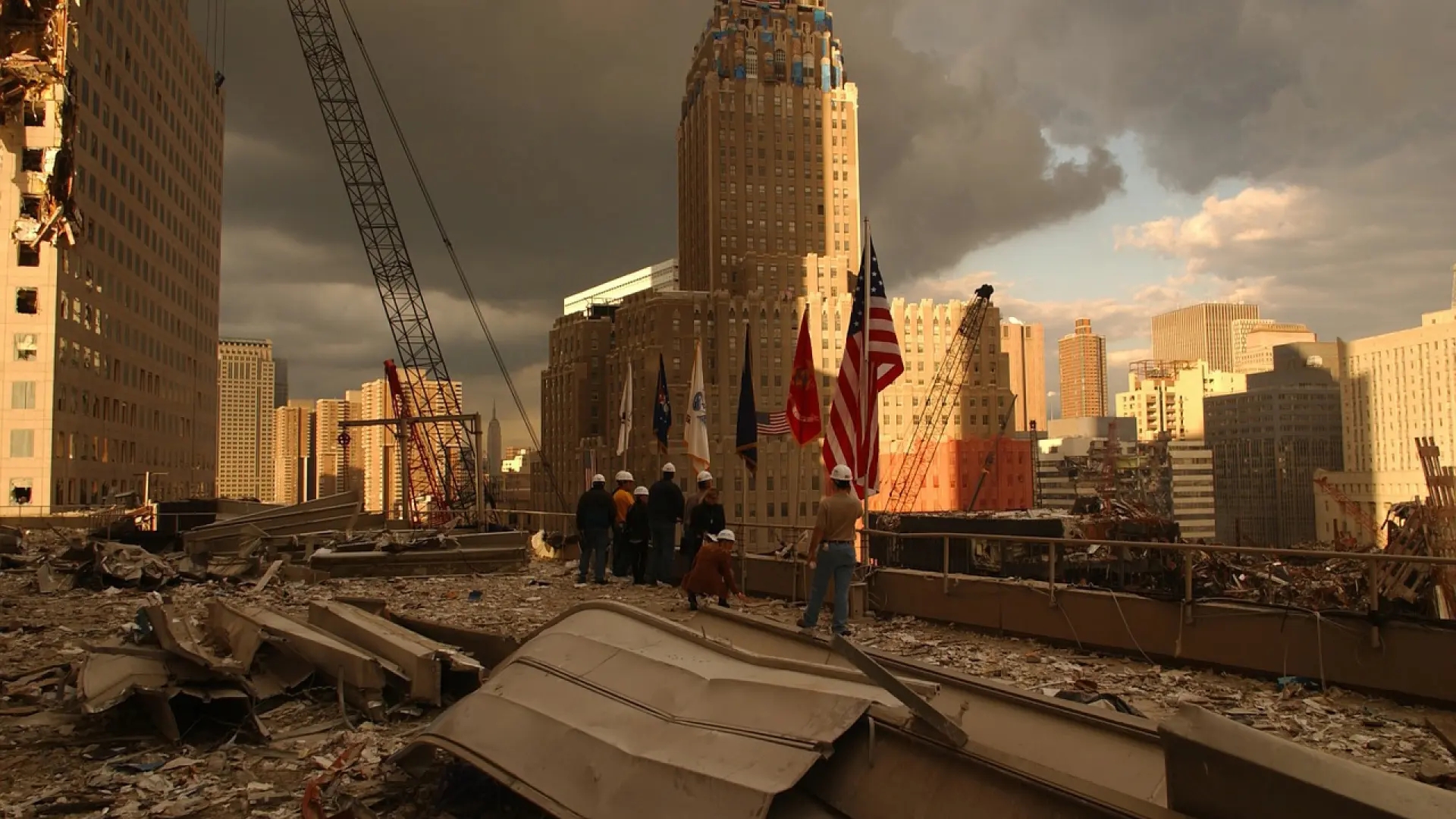
A study in JAMA Network Open suggests that some people who worked at the World Trade Center site after September 11 faced a higher risk of early-onset dementia. The pattern was clearest among responders who reported the most intense contact with dust and debris.
The researchers tracked responders for years and compared dementia rates across different levels of dust and debris exposure. The findings matter because disaster cleanup can involve air hazards, long work shifts and limited rest. You can read the full paper on PubMed Central.
What Researchers Wanted To Find Out
When the World Trade Center towers collapsed, the air filled with a complex mix of crushed building material, smoke and chemicals. Many responders arrived quickly and worked long hours. Some did so in places where dust was thick and constant.
Over time, doctors and researchers began to report unusual levels of memory and thinking problems in parts of this community. That raised a big question. Could the conditions at the site shape long-term brain health years later?
The team behind this work, led by public health researcher Sean A. P. Clouston at Stony Brook University, focused on a specific outcome. They examined dementia before age 65, a type of dementia that is uncommon in the general population.
Another goal involved safety practices. The researchers also looked at whether personal protective equipment, such as masks and protective suits, lined up with different dementia rates among people who faced hazardous conditions.
Who Took Part In The Study
The study drew from a large group of people who responded to the 9/11 disaster and its aftermath. Participants worked or volunteered in response and recovery activities at the World Trade Center site during the months after the attacks.
Importantly, the researchers focused on responders who were younger than 60 at their first cognitive testing visit. That choice helped them study risk for earlier dementia, rather than dementia that becomes more common with advanced age.
To reduce confusion in the results, the team excluded people who already had dementia at the start of follow-up. They also removed participants with some prior neurological conditions and with certain serious injuries that could affect thinking, such as major traumatic brain injury during their World Trade Center work.
How Exposure To Dust And Debris Was Rated
Measuring exposure after a disaster is hard. There is rarely a single sensor record for each worker. Many people moved between tasks, areas and shifts. So the researchers used detailed reports about what each responder did and where they did it.
Participants described their typical work location and activities. They also reported contact with dust, smoke and fumes. In addition, they reported whether they used protective gear, such as masks or protective suits.
Using this information, the research team created an exposure severity scale with multiple levels. The lowest levels represented minimal dust contact or consistent use of protective gear. Higher levels captured work in heavier dust, including work on or near the debris pile.
One reason this approach matters is that exposure likely differed in intensity, timing and duration. A person who arrived early and worked in thick dust could have faced a different set of risks than someone who arrived later and worked in less contaminated areas. The scale aimed to reflect those real-world differences.
How Dementia Was Identified Over Time
Instead of relying on a single questionnaire, the researchers used repeated testing over time. Participants completed cognitive assessments that measured abilities such as memory, attention and problem-solving.
From there, the team looked for patterns of decline. A dementia outcome required evidence that the decline persisted across visits and that it lined up with meaningful difficulty in everyday functioning. The researchers also checked for other medical explanations that could better account for the test results.
This kind of follow-up is valuable because it can separate a bad day from a real shift in ability. It also reduces the chance that the findings hinge on one short screening or one visit that happened during a stressful week.
Higher Exposure Was Tied To Higher Dementia Rates
Across follow-up, a subset of responders developed dementia before age 65. The overall rate in this group was higher than what is often reported for the general population in the same age range.
The strongest pattern showed up when the researchers compared the exposure scale levels. People in the highest exposure category had the highest dementia rates. People in the lowest exposure category had much lower rates. That relationship held after the team accounted for several factors that can influence dementia risk, including age and education.
In plain terms, the data suggested a dose-like pattern. As exposure severity rose step by step, the likelihood of dementia also tended to rise. This result fits with growing concern about fine particulate matter and the way it may affect the brain over time.
Clouston summarized the motivation behind the work in a straightforward way. “This study was the first to try to explain that difference,” he said, referring to unusually high cognitive impairment observed in some responders.
Protective Equipment Was Linked To Lower Risk
Protective gear was a key part of the story. Responders who reported using protective equipment tended to show lower dementia rates, even when their jobs placed them in difficult environments.
This finding connects to a practical point about workplace safety. In disaster settings, protective gear can be uncomfortable, hard to access and tough to use for long shifts. Still, consistent use may reduce the amount of harmful material someone breathes in during cleanup.
Clouston also noted that some responders appeared to have strong protection. He described rates among people reporting protective equipment use as closer to what is often seen in the general population, based on the study’s comparisons across exposure groups.
What This Could Mean For Disaster Cleanup Work
Many readers will never face an exposure like Ground Zero. Still, the study offers a wider message about air hazards during cleanup work after major events. Wildfires, building collapses, industrial accidents and severe storms can all leave behind debris and lingering smoke.
When cleanup begins, people often focus on what they can see, like broken glass and sharp metal. The study highlights another angle. Tiny particles can stay airborne and they can travel into the lungs. Over time, scientists have raised concern about how some pollutants may reach the brain and influence inflammation.
Public health planning also comes into view here. If intense exposure is linked to later cognitive outcomes, long-term monitoring becomes part of the picture. Programs that track responders over years can help detect patterns and guide future safety standards.
There is also a workplace culture piece. In emergencies, workers may feel pressure to move fast and push through discomfort. A safety-first environment can make it easier to use protective gear consistently, especially early in a response when the dust cloud is at its worst.
World Trade Center responders hold a unique place in the history of occupational health research. Studies like this one add detail to what long-term risks may look like. They also help emergency planners think about training, equipment distribution and clear guidance before the next large-scale cleanup effort begins.
Study Limits And Questions For Future Research
Every study has boundaries and this one has several. One challenge involves measurement. The exposure ratings were built from self-reported exposure years after the event. People can remember key details well, yet memory can fade, especially for day-to-day differences across months of work.
Another limit involves who joined the research. Participants came from a public health monitoring program for World Trade Center responders. That helps with consistent follow-up, yet it can shape the sample in ways that differ from all responders. For example, people who seek monitoring may differ from those who never enroll.
The study design also cannot fully separate every possible influence. Many responders faced more than dust. They experienced trauma, long shifts, disrupted sleep and other health conditions that can affect thinking over time. The analyses adjusted for many factors, yet complex life histories can still matter.
Future work could strengthen these findings by adding more objective exposure measures when possible, including job records, area monitoring, or stored biological samples. Researchers may also look at brain imaging, inflammation markers and genetic factors together. That broader picture could help clarify how a disaster environment might connect to later dementia risk in some people.