


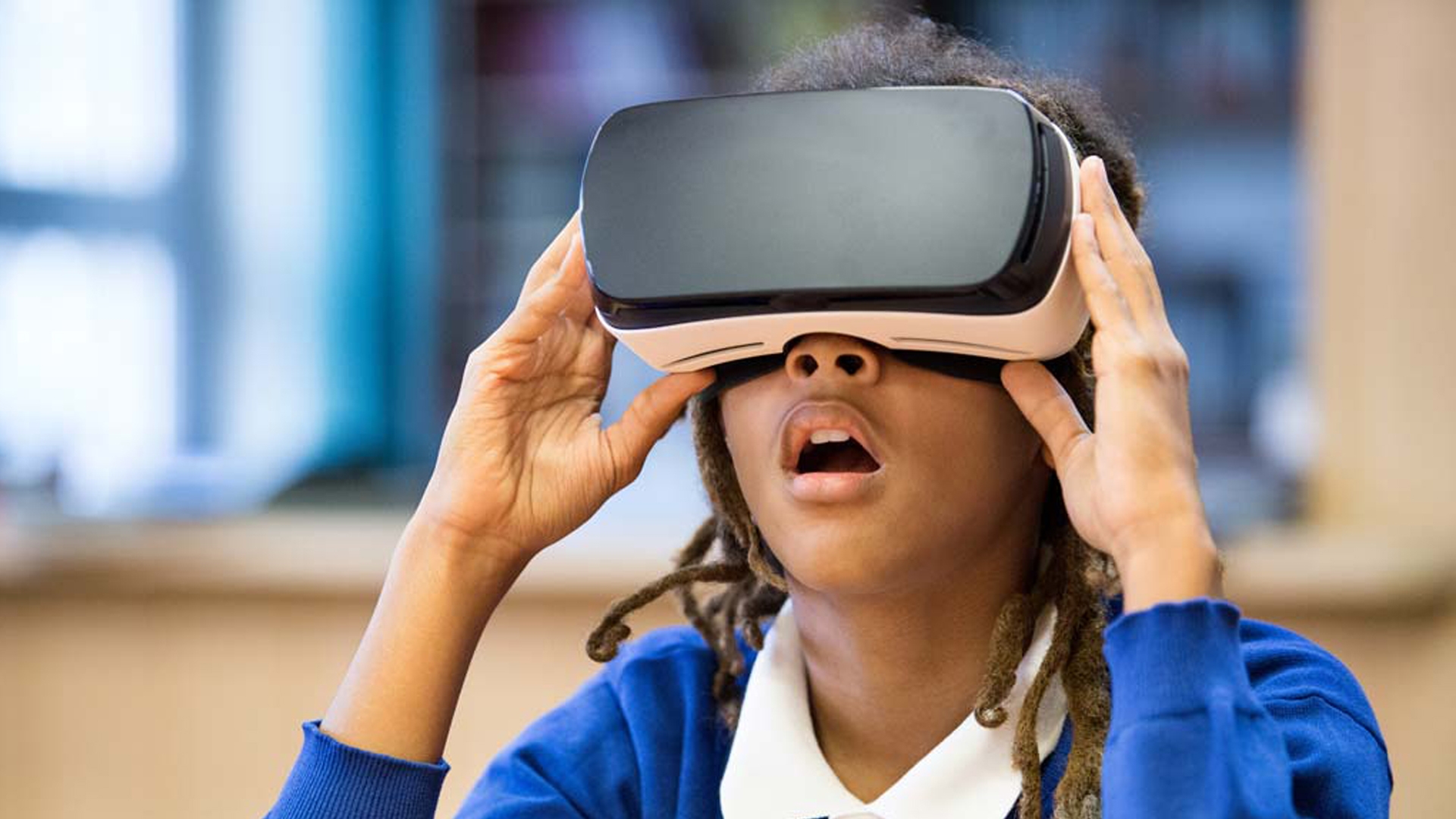
A study published in the journal Life suggests that a short session of an active virtual reality game may give sedentary students a modest lift on a thinking test. In the randomized trial, researcher Mshari Alghadier and colleagues found that students who played Beat Saber for 20 minutes improved their scores on a brief cognitive assessment right after playing, compared with students who sat quietly. The study is indexed on PubMed.
For many students, movement can be hard to fit into a packed day. VR “exergames” have started to look appealing because they combine music, goals and whole-body motion. This study adds a small piece of evidence to the idea that fun movement might support mental performance in the short term.
Why Researchers Looked At VR Games And Thinking Skills
University life can involve long stretches of sitting. Lectures, studying, commuting and social time often happen around screens. Over time, many students slide into a routine with low physical activity.
Researchers have long been interested in the connection between movement and the brain. A single bout of exercise can increase alertness for a period of time. Many studies also link regular activity with stronger attention and memory.
Beat Saber gave the team a practical test case. It is fast, visual and physical. Players swing their arms to hit blocks to the beat. That mix of rhythm and movement can challenge timing, attention and quick decisions.
The team focused on sedentary female university students. In many settings, young women face extra barriers to exercise. These barriers can include limited time, safety concerns and cultural expectations. The researchers wanted to see whether a game-based option could fit more easily into everyday life.
How The Study Was Set Up
The researchers ran a randomized clinical trial with 44 female university students. The average age was around 21. All participants were described as sedentary.
Random assignment matters because it helps create comparable groups. In this study, one group became the VR group. The other group served as a seated control group. Each participant completed the same testing steps.
For the main outcome, the team used the Montreal Cognitive Assessment (MoCA). The MoCA is a short screening tool that includes tasks like naming objects, remembering words and answering orientation questions. Participants took it before the session and again after the session.
During the activity period, the VR group played a virtual reality exergame, which was Beat Saber. The play time was a single 20-minute session. The control group spent those same 20 minutes seated quietly.
The researchers also measured movement using an ActivPAL device. This helped them estimate how much physical activity the participants did during the session. That detail matters because VR games vary a lot. Some games involve light motion. Others can raise heart rate in a meaningful way.
Players Showed A Small Boost On A Cognitive Screening Test
After playing, the VR group showed higher MoCA scores on average. Their scores increased from about 22.3 before the session to about 23.4 after the session. The seated group showed little change across the same time window.
One reason this finding stands out is the timing. The cognitive test happened right after the activity. That design fits the idea that mental sharpness can shift in the short run after movement, especially when the activity is engaging.
When the researchers looked closer, the biggest gains showed up in naming, abstraction and orientation. Naming involves identifying pictured objects. Abstraction involves finding a shared idea between items. Orientation includes basic facts like the date and location.
Practical takeaway: A short burst of active gaming may be a useful “study break” for some people. The study supports the idea that movement plus focus can leave you feeling a bit more switched on. People differ a lot, so the effect can vary from one person to the next.
The VR Game Reached Moderate Physical Activity Levels
The Beat Saber session was more than light movement. On average, the intensity reached the moderate-to-vigorous range. The study reported an average of about 4.98 METs.
METs are a standard way researchers describe how hard the body is working. A higher MET value generally means more energy use compared with resting. For readers, the key idea is simple: the game got participants moving enough to count as real exercise intensity, at least for that short session.
Another point is that the activity was built into the task. Players had to track targets, keep time with music and move quickly. That combination could matter for cognition. It blends physical effort with attention demands. It also rewards accuracy, which may encourage sustained focus.
Limitations That Affect How Far We Can Generalize
The study was brief. It measured the immediate effect of a single session. That makes it hard to know whether the improvement would stay with repeated play over weeks or months. The results mainly speak to a short-term effect.
Sample size also matters. With 44 participants, the study can detect some differences, yet it cannot cover the full range of student experiences. The participants were young women at one university. Students in other countries, age groups, or activity levels might show different patterns.
The MoCA is widely used, yet it has limits in this context. It is designed as a screening test and it has a ceiling for many healthy young adults. Scores can also shift with mood, sleep, stress, or familiarity with the testing format. That means the MoCA change may reflect several influences at once.
What researchers may test next: Future work could compare different VR games, longer programs and follow-up testing days later. Studies with more participants could also look at who benefits most. The strongest evidence would come from bigger and longer studies that track both fitness and cognition over time.