


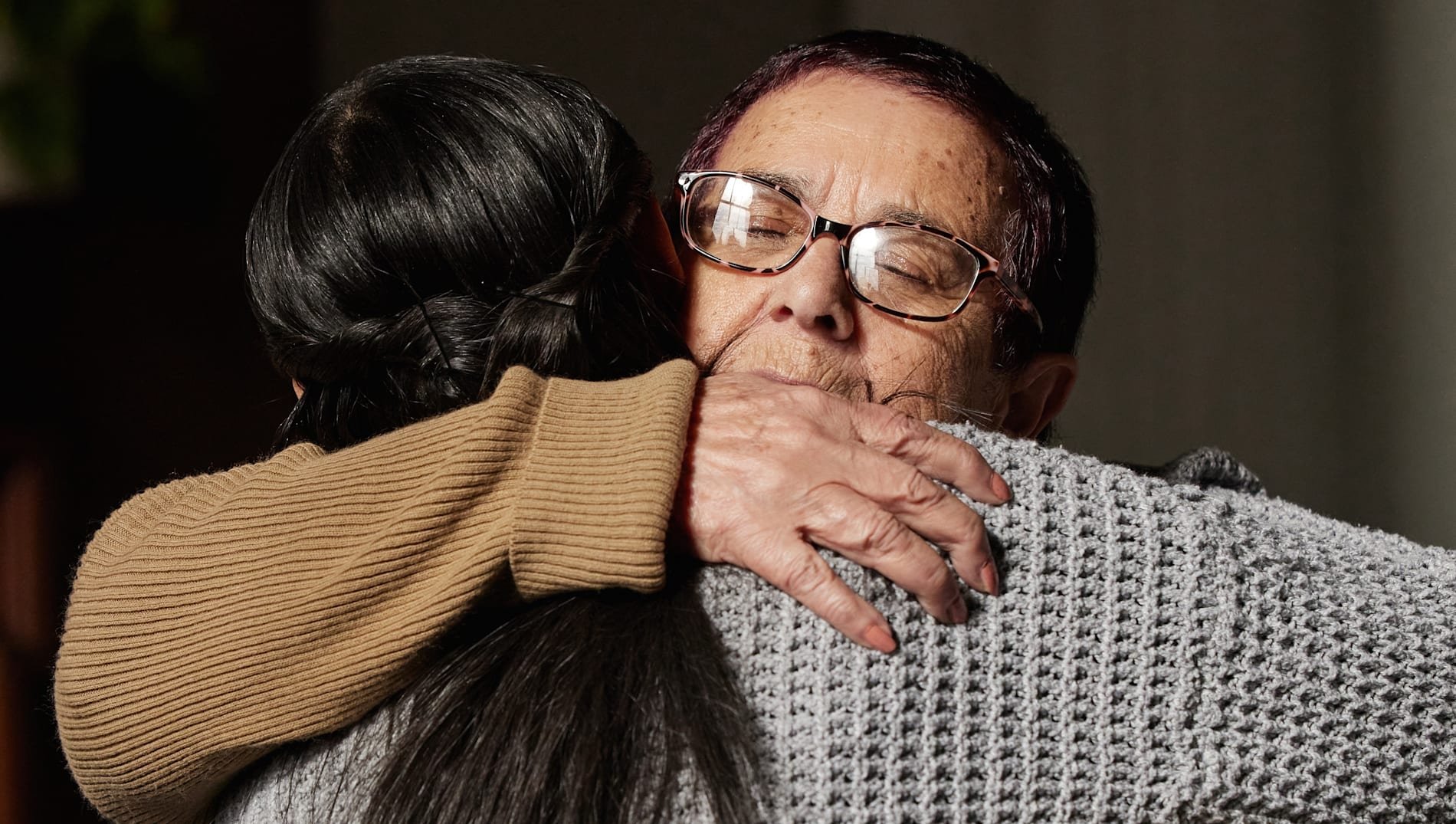
The parenting finish line keeps moving. First you’re packing lunches, then you’re teaching a teen how to drive, then suddenly you’re watching a grown kid build a life you can’t fully see from the outside.
I remember getting a random message from someone I helped raise: “Saw this and thought of you.” No big news. No request. Just connection. I reread it twice, because it felt like a quiet kind of victory.
Success as a parent rarely looks like a trophy moment. It shows up in everyday choices your adult kids make, especially when nobody’s keeping score.
These behaviors don’t mean your relationship is perfect. Life still gets busy. Schedules still clash. People still misread texts. What matters is the overall pattern and the tone underneath it.
If you see several of these signs, you’ve likely created something steady: a bond that can stretch, breathe and stay warm over time. Here are ten ways that bond often shows itself.
1. They Reach Out Without a “Reason”
When your grown kid calls or texts “just because,” it often means you feel like a safe place. They don’t need a crisis to justify contact. Connection feels normal.
Some parents worry that fewer check-ins mean distance. Plenty of adult kids keep love quiet. Still, a casual reach-out usually points to warm contact that has room for everyday life.
Look at the tone. It might be a meme, a photo of something funny, or a simple “How’s your week?” Those small touches build a rhythm that keeps you in each other’s orbit.
Because adult life can feel crowded, reaching out takes intention. When they make that effort, it suggests you’ve built a relationship worth returning to.
You can support this by responding in a way that feels easy. A short, kind reply helps. A long guilt-filled message can make future reach-outs feel heavy.
2. They Share Real Feelings, Not Just Updates
Some adult kids tell you what happened. Others also tell you how it felt. When they share emotions, they’re offering you trust.
You might hear, “Work’s been a lot,” or “I’m proud of myself,” or “I’m disappointed.” These are the sentences that turn a relationship into a real bond. They also invite you into their inner world.
Sometimes they’ll test the water with a small feeling first. They might say, “I’m a little nervous about tomorrow.” Your response sets the tone for what they share next.
A steady reply matters more than a perfect reply. Simple lines like “That makes sense,” or “I’m here,” can give them a sense of emotional safety.
When they share feelings, it often means your home and your presence, held space for feelings when they were younger. That’s a powerful legacy.
3. They Ask for Your Input, Then Make Their Own Call
It’s meaningful when your grown kid still wants your thoughts. It’s also meaningful when they can decide for themselves. That combination points to healthy independence.
You might see it when they’re making a career move, choosing where to live, or working through a relationship issue. They ask, listen and then choose a path that fits their life.
For example, they might say, “What would you do?” Then later they follow up with, “Here’s what I decided.” That follow-up is a sign of respect and a sign of confidence.
One reason this matters is that it reflects how you handled choices when they were younger. Guidance landed as support. It didn’t feel like control.
If you want to keep this strong, try offering options and then stepping back. A sentence like “I trust you to decide” can deepen the bond.
4. They Set Boundaries in a Respectful Way
Boundaries can feel tender for parents. Still, when your adult kid sets limits with care, it often means they learned how to protect a relationship while protecting themselves.
You might hear, “I can’t talk about that right now,” or “I can visit for two hours,” or “Let’s plan for next weekend.” Clear limits reduce confusion. They also prevent resentment from piling up.
When boundaries come with kindness, they show respectful boundaries in action. That’s a skill many adults spend years building.
Sometimes the most loving boundary is about timing. A grown kid might pause a tough conversation until they can show up calmly. That supports better communication later.
You can respond by treating the boundary as real. A calm “Thanks for telling me” keeps the door open.
Over time, good boundaries help a parent-child relationship shift into an adult-to-adult relationship. That shift is one of the clearest signs of success.
5. They Treat You Like a Whole Person
When your grown kid sees you as more than “Mom” or “Dad,” it changes everything. They ask about your hobbies. They notice your stress. They remember your birthday plans.
This can sound small, yet it carries weight. It says, “I see your life.” That recognition supports mutual dignity, which matters in any close relationship.
One day they might ask, “Are you getting enough rest?” Another day they might say, “Tell me how that project went.” Those questions show attention and attention is a form of love.
Because many parents spent years centering kids, being seen can feel surprising. It can also feel deeply soothing.
You can nurture this by sharing parts of your life in bite-sized ways. A quick story about your day gives them a person to connect with, not only a role.
6. They Show Appreciation in Small, Specific Moments
Big “thank you” speeches are rare. Small gratitude shows up more often and it tends to feel more real.
Your grown kid might say, “Thanks for always picking up when I call,” or “I learned how to handle money from you,” or “That advice helped.” Specific appreciation highlights what they truly noticed.
Gratitude also helps relationships stay resilient. Research often links supportive family ties with better well-being across the lifespan. One NIH-hosted study on older adults found that having adult children relates to lower risk of cognitive impairment, which points to the power of connection over time. See adult children.
Sometimes appreciation shows up as action. They bring you soup when you’re sick. They fix the squeaky door. They handle a boring errand because they know you’re tired.
Try receiving it simply. A warm “That means a lot” invites more of it. It also supports specific gratitude as part of your family culture.
7. They Repair After Tension
Even loving families get snappy. People get stressed. Messages get misread. What matters is what happens next.
When your grown kid circles back after a tense moment, they’re practicing repair conversations. They might say, “I didn’t like how that went,” or “I want to try again.” That’s emotional maturity.
Sometimes repair looks quiet. They send a gentle text later. They soften their tone. They show up with a little extra patience.
When repair becomes normal, conflict feels less scary. You stop bracing for the worst. You start trusting that the bond can handle pressure.
You can help by meeting them halfway. A simple “I hear you” can lower the temperature fast.
Repair also teaches the next generation. If they have kids, they’ll carry this skill forward. That’s family resilience in motion.
8. They Include You in Their Life in Ways That Fit
Inclusion changes as kids grow up. You might see less “every day” and more “on purpose.” That can still be closeness.
Some adult kids invite you into their routines. They call during a commute. They ask you to join a Sunday dinner once a month. They send photos from a hike.
Others include you through tradition. Maybe you still do a yearly trip. Maybe you cook the same holiday meal together. These habits create low-pressure togetherness.
Sometimes inclusion means meeting the important people in their life. They bring a partner to lunch. They introduce you to friends. They want you to know their world.
When schedules are tricky, they might offer options. “I can do Saturday morning or Tuesday night.” That flexibility shows care without forcing closeness.
If you want to support this, stay curious. Ask what kind of connection feels good for them right now. Then treat that answer as a shared plan.
9. They Respect Your Time, Energy and Limits
One of the sweetest shifts in adulthood is when your kids start protecting you, too. They consider your workload. They notice when you sound tired.
This can look like checking before dropping by. It can look like offering help. It can look like saying, “We can keep this short.” These small choices reflect respect for limits.
Because adult kids learn from what they saw, this respect often mirrors how you handled their needs. You likely showed them that care includes pacing.
It also suggests they understand your energy budget. They know you have your own life and your own capacity and both deserve attention.
If you tend to overgive, this sign can feel like relief. Let it be relief. Accepting their respect teaches them that caring goes both directions.
10. They Bring the Values You Taught Into How They Live
This is the long game of parenting. You see it when your grown kid treats people with kindness, takes responsibility and keeps learning.
Values show up in everyday choices. They apologize when they mess up. They tip well. They show patience with a stressed cashier. They keep a promise even when it’s inconvenient.
Sometimes you’ll hear your own words come back to you. They say, “I want to do the right thing,” or “I’m going to handle this directly.” It can stop you in your tracks.
One evening, I watched a grown kid thank a family member for hosting and then jump in to wash dishes without being asked. It was simple. It also felt like values in action.
This behavior also includes how they treat themselves. They rest when they need rest. They seek support. They choose relationships that feel respectful. Those patterns often begin with the way you showed love early on.
When you see your values traveling forward through their life, you’re seeing impact. The kind that lasts.