


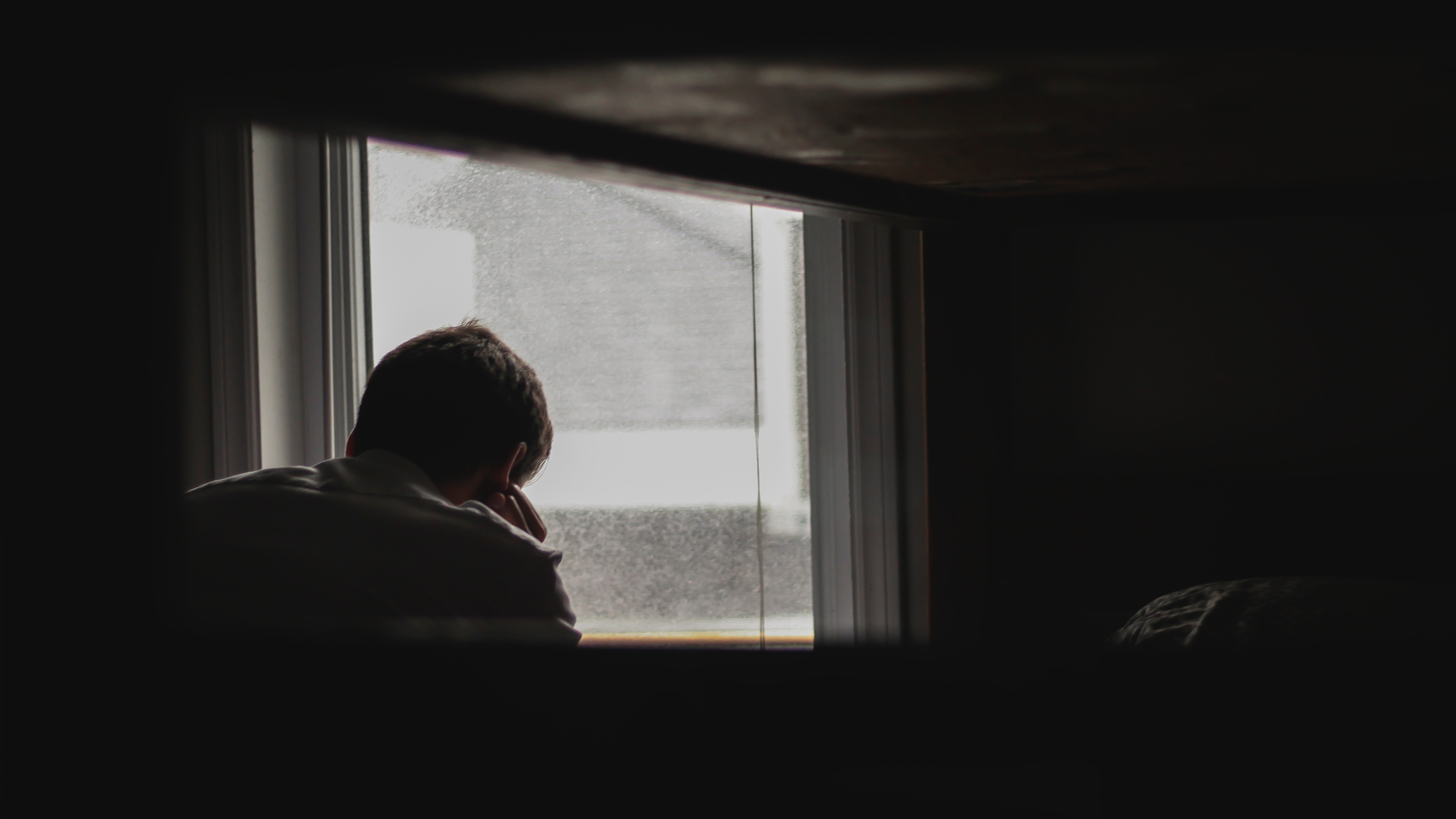
I remember a stretch of time when I could fill every room with sound and still feel a strange kind of emptiness. The kettle hissed. The TV talked. My phone lit up every few minutes. From the outside, my day looked full enough. Inside, it felt thin.
What caught me off guard was how ordinary it all seemed. I was getting groceries, answering messages, crossing things off my list and showing up where I needed to be. I even told myself I was fine because I stayed productive. Still, the quiet moments had a way of exposing what I had been smoothing over.
A friend once said loneliness rarely arrives wearing a name tag. It slips into little routines. You leave a podcast on while you fold laundry. You spend too long picking up one item from the store. You stare at your phone for a reply that feels way more important than it should. When they said that, I felt seen in a way I had not expected.
The thing is, secret loneliness often hides inside habits that look harmless. Many of them even look cheerful, efficient, or cozy. That is why they are easy to miss in yourself and in someone you care about. You usually spot the pattern only after you notice how often the same small behaviors show up.
This list is about those behaviors. It is educational, gentle and practical. You may see yourself in a few of them. You may think of a friend, a sibling, a neighbor, or a partner. Either way, these tiny habits can tell a deeper story about the very human need to feel close to somebody.
1. They Keep Background Noise On All Day
I remember walking into my place one afternoon and realizing I had turned on music before I had even taken off my shoes. Later, I switched to a podcast. Then the TV came on while I cleaned the kitchen. By evening, I had spent the whole day wrapped in sound. It felt comforting in the moment. It also kept me from noticing how alone I felt.
For a lot of people, background noise works like a soft emotional blanket. It gives the day a sense of company. A voice in the room can make empty space feel easier to tolerate. The habit can also create structure, especially during long hours at home.
There is a gentle psychological reason for this. Human beings are wired for connection and voices signal presence. Even when the connection is one-sided, sound can ease that sharp feeling of being by yourself. One meta-analysis found that loneliness and social isolation were associated with a higher risk of earlier death across many studies.
Years ago, I spent a weekend telling myself I simply liked a lively atmosphere. Then the power went out for a short while and the silence felt enormous. That moment taught me something. Sometimes constant sound helps you avoid the deeper question of whether your life feels emotionally shared.
If you notice this habit in someone else, pay attention to the pattern rather than the volume. Plenty of people enjoy music all day because it lifts their mood. Secret loneliness shows up when the noise seems to guard against every quiet moment. Silence starts to feel heavy and any voice feels better than none.
In daily life, this can look very small. The TV runs in an empty room. The radio stays on during showers, cooking and bedtime. A person says they “hate silence,” yet what they may really hate is how silence reveals their emotional distance from other people.
2. They Turn Small Errands Into Long Outings
There was a time when I could stretch a ten-minute errand into an hour without meaning to. I would browse a little longer, walk an extra aisle, or stop for coffee even when I already had some at home. I told myself I was being relaxed. Deep down, I was slowing down the trip because going back to an empty space felt harder than I wanted to admit.
Quick errands can become a quiet way to stay around people. The grocery store gives you movement, faces, snippets of conversation and a reason to be out in the world. Even tiny interactions, like thanking a cashier or asking where something is, can create a brief sense of belonging.
I once watched a neighbor make a whole morning out of buying toothpaste. They chatted with the barista, looked at magazines and wandered through the produce section with no basket at all. Nothing about it seemed dramatic. That was the point. Loneliness often hides in normal routines that offer a little social warmth.
From a psychological angle, these outings provide micro-connections. A person may not have the energy for a deep talk or a social plan. A public place still offers gentle contact. It gives the nervous system little reminders that other people are nearby and that can feel soothing.
This habit becomes more telling when the outing matters less than the atmosphere. The item could have been ordered online or picked up quickly. Instead, the person lingers. They move slowly because the outside world feels more alive than the place waiting for them at home.
3. They Check Their Phone More Than They Realize
I admit I have picked up my phone for no clear reason and unlocked it as if some message might appear by magic. A few minutes later, I would do it again. Then again. What surprised me was how automatic it had become. My hand was looking for contact before my mind had even formed the thought.
Phone checking can be a search for reassurance. Each buzz, banner and unread message carries a tiny promise. Someone may need you. Someone may remember you. Someone may have reached across the distance, even in a very small way.
My friend once told me their worst moments came right after they sent a text and saw no reply. The phone suddenly felt much heavier. I knew exactly what they meant. When you feel lonely, waiting can feel personal even when the other person is simply busy.
Technology gives you instant access to people. It also gives you instant awareness of their absence. That is why this habit can spiral so easily. The more often someone checks, the more often they expose themselves to that tiny sting of “nothing yet.”
You can often spot the emotional version of this habit by the timing. The checking ramps up during meals alone, late at night, or after a hard day. In those moments, the phone becomes a pocket-sized doorway to connection, hope and validation.
4. They Scroll Social Media for Quick Connection
I remember one evening when I opened social media just to pass five minutes. Forty minutes later, I felt oddly full and empty at the same time. I had seen birthdays, vacations, pet videos, jokes, recipes and someone’s new haircut. I had also gone to bed feeling less grounded than before.
Social media comfort works fast because it gives you a steady stream of human presence. Faces, voices, captions and comments make it seem like you are inside the flow of other people’s lives. For a lonely person, that can feel like a lifeline during a quiet hour.
But the emotional effect can be complicated. Passive scrolling gives you contact at a distance. You witness closeness more than you experience it. That difference matters. Seeing people together can warm you for a minute, then sharpen the feeling that your own life lacks that same ease.
I once sat with a friend who laughed through a whole reel feed and then sighed the second they put the phone down. That moment stayed with me. A screen can give you stimulation, distraction and a little hit of belonging. It can also leave you hungry for a real back-and-forth.
There is also the matter of control. On social media, you can dip into company without the risk of awkward pauses, rejection, or effort. That makes it especially appealing during lonely spells. A person gets a quick social feeling with very little vulnerability.
When this habit takes over, the pattern usually looks repetitive. Open app. Scroll. Refresh. Repeat. The person may not even enjoy it that much. They are trying to ease a feeling they cannot quite name and the feed offers a fast, familiar response.
5. They Rewatch the Same Comfort Shows
There was a winter when I watched the same series so many times I could predict the jokes a second before they landed. Part of me loved the familiarity. Another part of me loved the feeling that certain characters would “be there” every night. It sounds silly when I say it out loud. It also felt deeply true.
Comfort shows offer emotional predictability. You know who is showing up. You know how the scene resolves. You know when the tension fades. For someone carrying hidden loneliness, that kind of steady company can feel deeply calming.
I have seen this in other people too. A relative would replay one familiar sitcom while eating dinner alone. The show became part of the meal, almost like a regular guest at the table. That routine seemed to soften the edges of the evening.
Psychologically, familiar stories reduce effort. You do not need to brace yourself for surprises. You can relax into known voices and rhythms. That creates a kind of emotional shelter, especially on days when real life feels disconnected or uncertain.
The clue is how much the routine matters. Everyone loves a favorite movie now and then. Secret loneliness often gives the rewatch a daily role. It becomes part of how a person gets through the evening and fills the social space around them.
6. They Text When They Want a Real Conversation
I remember typing “Hey, just checking in” when what I really wanted to say was, “Can you talk for a bit? I feel low.” The shorter message felt safer. It asked for less. It also protected me from hearing no in a way that felt too direct.
Texting first makes emotional sense when someone wants connection and fears burdening others. A text is light. It lets the other person respond on their own time. It gives the sender some distance from the vulnerability of their actual need.
Years ago, a friend and I had a pattern of sending each other memes on hard days. We both knew what we were doing. The meme was the doorbell. The real wish was warmth, attention and a little company.
This happens because texting offers control. You can edit your words. You can keep things breezy. You can reach for closeness while protecting your pride. For people who feel secretly lonely, that lower-risk path can become the default way to ask for contact.
The habit becomes more revealing when the person keeps the conversation in text even though they clearly want more. They may send several small messages instead of one honest request. Underneath the screen, there is often a very human hope that someone will notice the deeper need and lean in.
7. They Stay Busy Until the House Gets Quiet
I’ll be honest, I have cleaned a kitchen that was already clean because I did not want the night to slow down. I have answered emails at odd hours, reorganized shelves and found wildly unnecessary tasks when the evening felt too open. Being busy gave me momentum. It also helped me outrun a feeling I did not want to sit with.
Staying busy can look admirable from the outside. The person is efficient, capable and always on top of things. Yet nonstop activity can also become a shield against emotional emptiness. When every minute is occupied, there is less room for loneliness to speak up.
My friend once laughed and said they were “weirdly productive” after dinner every night. Later, they admitted those were the hardest hours for them. The chores were real. The feeling behind them was real too. The busyness gave structure to a part of the day that felt vulnerable.
There is a simple reason this works for a while. Action narrows your focus. Folding towels, answering messages and wiping counters keep your mind aimed at the next small step. That is soothing when your emotional life feels a little untethered.
The pattern usually changes once the house finally settles. The tasks end. The lights dim. The quiet returns. That is often when the lonely feeling arrives most clearly, because the protective layer of motion has fallen away.
If you notice this in yourself, the key insight is gentle awareness. Some busy evenings are healthy and satisfying. Others are packed so tightly because stillness feels too exposing. That difference can tell you a lot about what your heart has been trying to avoid.
8. They Wait to Be Invited
It took me a long time to realize how much pride can hide inside silence. I would hope someone would include me, then act casual if they did not. On the surface, I seemed independent. Inside, I was waiting, watching and feeling more tender than I let on.
Waiting to be invited is common when loneliness mixes with self-protection. Reaching out takes courage. It means risking a slow reply, a polite decline, or the fear that you care more than the other person does. Waiting feels safer, even when it leaves you stuck.
I once knew someone who always said yes with real enthusiasm when plans came their way, yet almost never initiated anything. When I asked about it, they shrugged and changed the subject. Later, they admitted they worried about seeming needy. That one sentence explained a lot.
Social life often rewards the people who make the first move, but lonely people can struggle with that step. They may want company deeply and still hold back. The desire is there. The confidence wobbles.
This habit can create a painful loop. The person waits because they want reassurance that they matter. Meanwhile, other people assume they prefer space because they rarely suggest plans. Over time, the gap between wanting connection and receiving it can grow wider.
9. They Hold On to Tiny Bits of Attention
I remember replaying a kind comment in my head for hours. Someone had said, “It’s always good to see you,” and I carried that line around like a warm stone in my pocket. Part of me knew it was a small moment. Part of me needed it far more than I wanted to admit.
Tiny bits of attention can feel huge when someone is running low on emotional closeness. A long eye contact, a friendly text, a cashier remembering your name, a coworker saving you a seat, these moments can brighten an entire day. They offer proof of visibility. They tell a person, however briefly, “You exist in someone else’s mind.”
My neighbor once told me they still remembered a stranger complimenting their scarf from weeks earlier. We both smiled, then grew quiet. Some compliments pass through you. Others land deeply because they meet a need that has been waiting in the background.
There is nothing wrong with treasuring small moments. In fact, they can be beautiful. The deeper clue lies in how strongly a person depends on them. If tiny gestures carry the full weight of feeling seen, it may suggest that steadier forms of connection are missing.
In the end, secret loneliness rarely announces itself in dramatic ways. It usually appears in small daily habits, repeated often enough to become a private language. If you recognize these patterns in yourself or someone close to you, that recognition can be a compassionate starting point. Sometimes the smallest habits reveal the biggest human need of all, the wish to feel known, wanted and gently accompanied through ordinary life.