


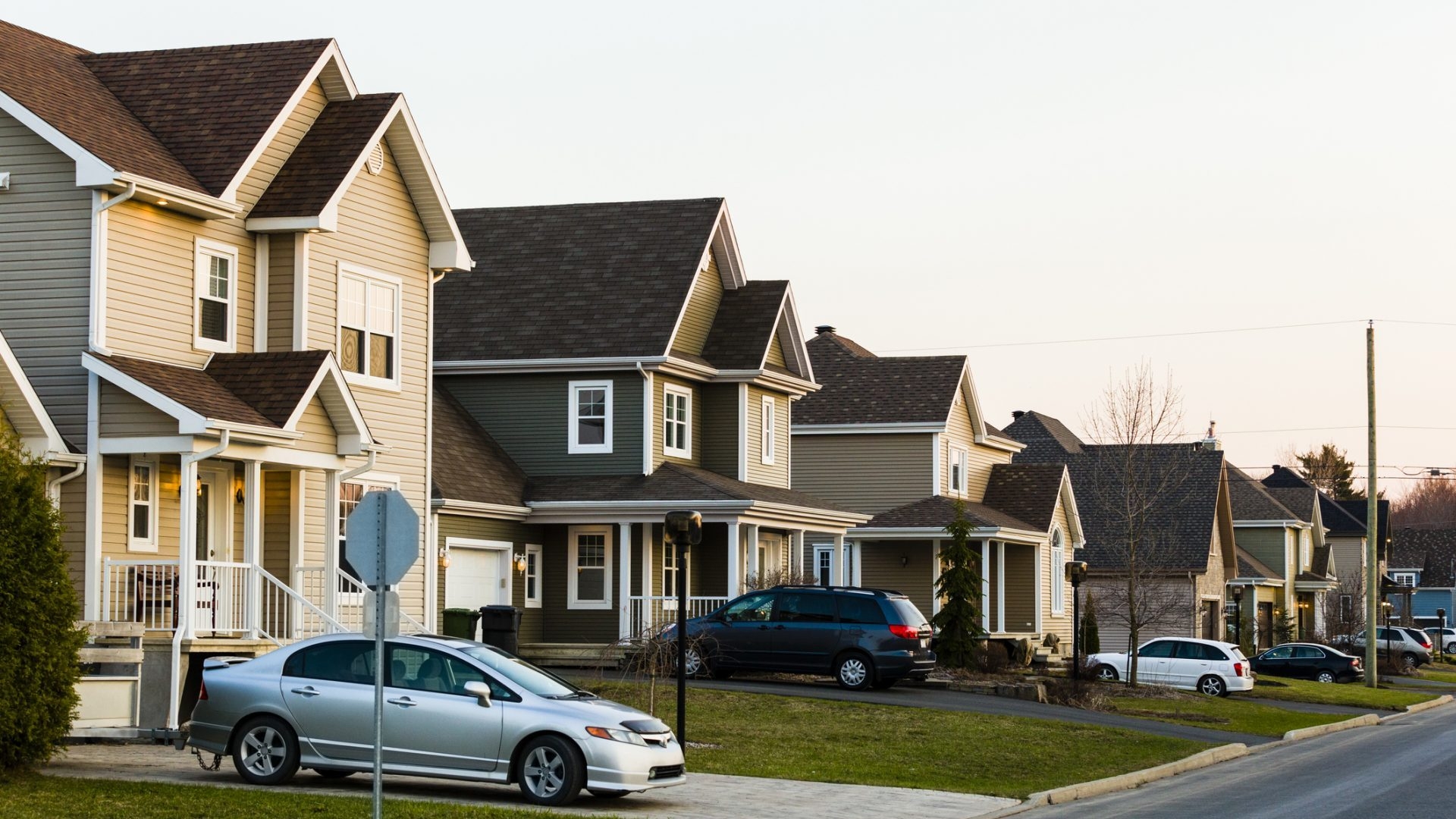
I did not realize how “suburban” I was until I moved to a dense city. A friend laughed when I said a 10 minute Uber ride was “right around the corner.” In my mind, that was nothing. Where I grew up, you drove 10 minutes for milk and 30 for something fun.
Maybe you have had a similar moment. You are with people from different backgrounds and the smallest things give you away. How you see distance. How you feel about front lawns. Even how you greet passing cars.
Psychologists often remind us that the places we grow up quietly shape what feels normal. Neighborhoods, routines and unspoken rules all sink in while you are just trying to get through school. Years later, those habits can still steer how you move through the world.
If you grew up outside a major city, you might still carry a bit of that suburban kid energy with you. It is not good or bad on its own. It is simply a lens. Once you notice it, you can decide which parts you want to keep and which ones you want to tweak.
So let us walk through some of those subtle signs. If you catch yourself nodding along, you might be more suburban at heart than you thought.
1. They Think A 10 Minute Drive Is Close
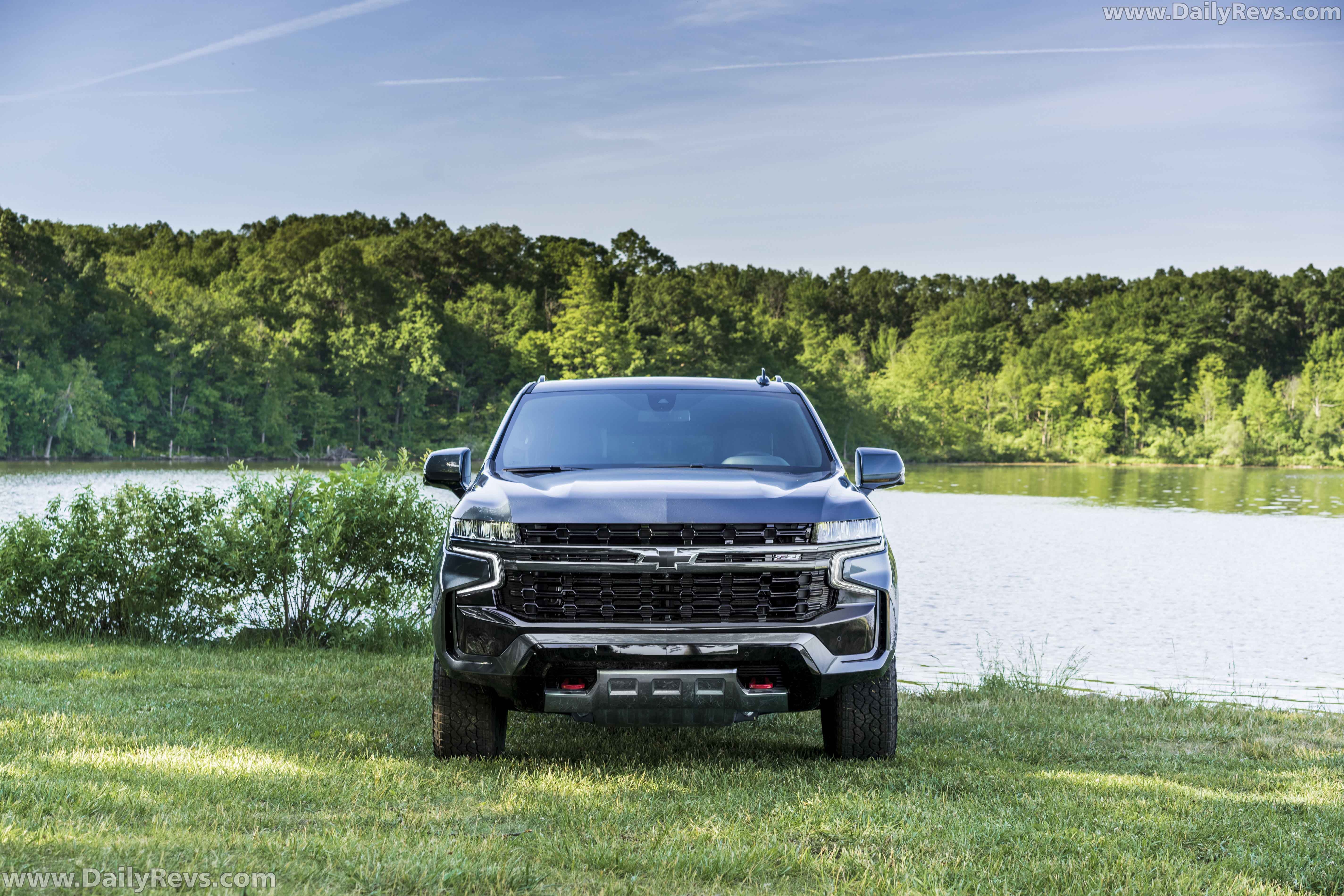
For a lot of suburban kids, a car trip is the default setting. You grew up planning your day in drive times, not in blocks or train stops. If someone says a place is a 10 minute drive away, it feels like no big deal. You barely count it as travel.
City friends, on the other hand, might see that same 10 minutes as a hassle. They picture traffic, parking and gas. You picture music, open roads and a quick ride that clears your head. To you, a short drive can feel like a tiny mental reset between tasks.
There is also a quiet belief underneath this habit. If you think of a 10 minute drive as “close,” you may also think space is normal. You expect distance between home, work, school and fun. That mindset can shape the kind of life you build, from where you live to the jobs you find acceptable.
In relationships, this shows up in small ways. You might be the friend who says, “It is only 20 minutes away, I will come to you.” That can make you seem extra loyal and flexible. It can also lead you to underestimate how drained you feel from always being the one who drives.
One thing you might not notice is cost. Gas, parking, wear on the car and time all add up. When 10 minute drive equals “right next door” in your mind, it is easy to overcommit and under-rest. Becoming aware of that tradeoff lets you protect your energy better.
Still, your comfort with driving can be a real strength. In a crisis or a new city, the person who is not afraid to get behind the wheel and explore often finds solutions faster. Everything feels close by when you are not scared of the road.
2. They Still Wave At Passing Cars
Picture this. You are walking down a quiet street, a car rolls by and your hand just goes up in a little wave. You might not even think about it. Your body learned that reflex years ago.
In many suburbs, waving at cars or neighbors is part of the culture. It signals “I see you, you see me, we share this space.” Even a tiny nod or two-finger wave from the steering wheel counts. It is not a full conversation. It is a soft reminder that people live here, not just traffic.
Sometimes that automatic wave can feel awkward in a new place. If you do it in a big city, people might look confused or even look away. It can sting a little when your friendly habit is not returned. You may even start to question if you came on too strong.
On a deeper level, this waving habit hints at how you think about community. You probably believe that strangers can become “familiar faces” pretty fast. You value small, low pressure touches over loud group events. A tiny greeting is enough to feel a bit safer on your own street.
Keeping this habit can be grounding, even if you have moved. A simple wave or nod reminds you that kindness does not have to be dramatic. If anything, it proves that shared spaces feel better when someone is brave enough to go first with a little gesture.
3. They Feel Safer In Cul De Sacs
Growing up around cul de sacs can quietly train your brain. Those looping streets with no real through traffic become the picture of “safe neighborhood” in your mind. If you end up on a busy through street later in life, it can feel exposed, even if crime is low.
In a cul de sac, cars usually drive slower. Kids play basketball in the street. Neighbors stand in clusters to talk. There is one way in and one way out, so you learn to notice who belongs there. That pattern sets a template for what you call “community.”
Years later, you may find yourself drawn to dead end streets and tucked away corners. Apartment courtyards. Gated complexes. Back wings of buildings. Places with a built in safety net where strangers stand out and everything feels contained.
There is a psychological element too. Humans often feel calmer in spaces that are defined and predictable. Cul de sacs make the world feel smaller and easier to watch. The tradeoff is that they can also limit who you meet and how much difference you see every day.
If you notice that you relax in “closed” spaces and tense up on busy streets, that is useful information. It does not mean you are weak. It means your brain learned one type of normal while you were riding your bike in circles as a kid.
You can use that insight in smart ways. For example, if you move to a city, you might feel better on side streets or in buildings with shared courtyards. You can respect your need for some coziness while still gently stretching your comfort zone over time.
4. They Plan Life Around School Districts
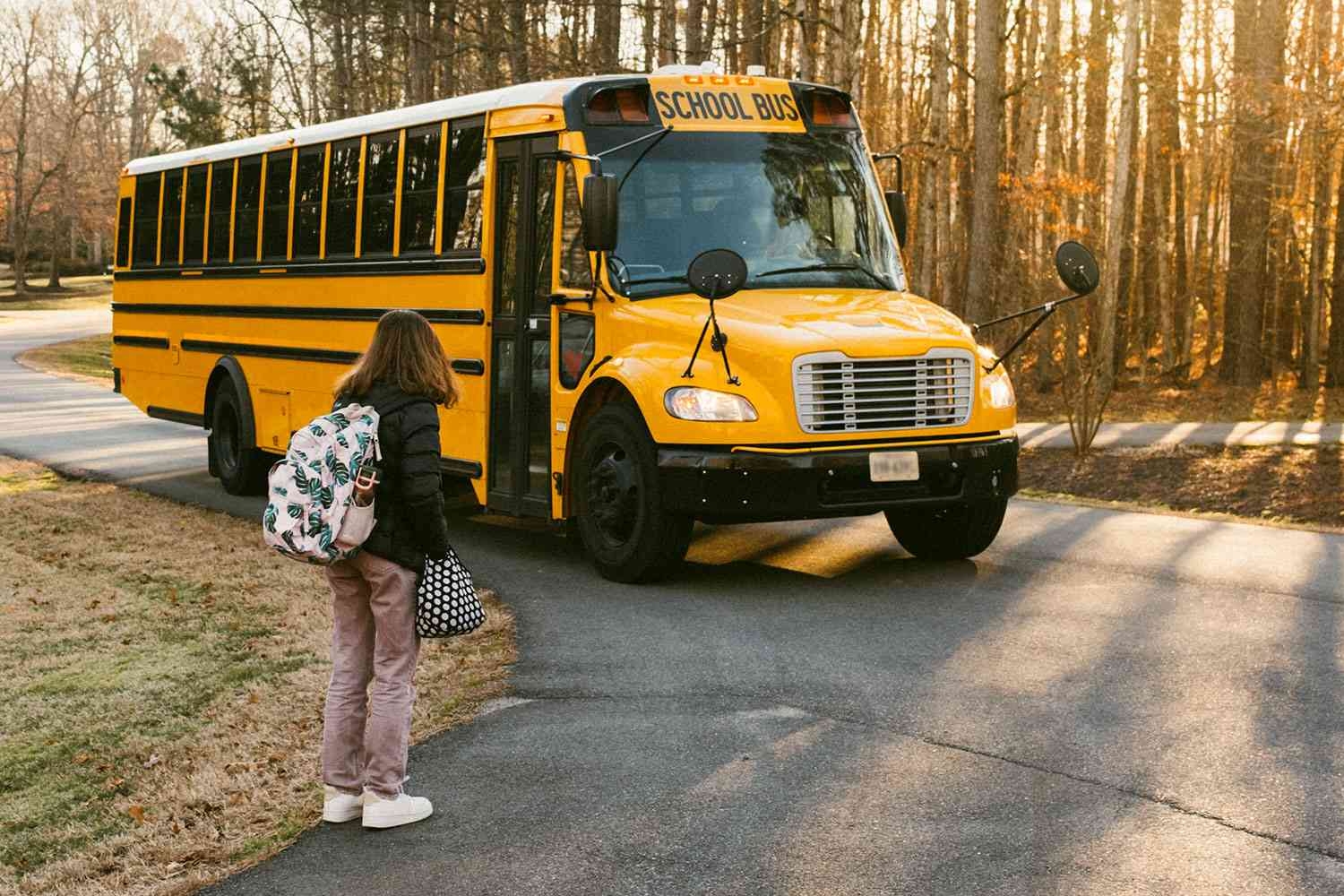
Ask a suburban-raised person about a town and they might mention the “good” and “bad” school districts before anything else. Even if they do not have kids, their mental map is sliced by district lines. That is how many suburbs teach you to judge areas.
Growing up with that focus can make you very future minded. Parents talk about property values and test scores. Adults move houses just to get one street over into a different school zone. You absorb the idea that a good school district can shape a lifetime.
Some research on childhood neighborhoods suggests that the places you grow up can echo into adult life. Health, income and opportunities are often linked to local conditions. So your instinct to care about districts does have some logic behind it.
At the same time, this habit can narrow your view. You might dismiss whole areas because you once heard their schools were “rough.” You may assume people from less praised districts had fewer chances, without knowing their real story or strengths.
When you notice this, you can keep the useful part and soften the rest. It is smart to care about education. It is also powerful to remember that people are more than their zip code. A future focused mindset is great, as long as compassion grows alongside it.
5. They Treat Big Box Stores Like Hangouts
If you grew up in the suburbs, a Saturday trip to Target or Costco might have felt like an event. You walked the aisles, sampled snacks and ran into at least three people you knew. The store was not only a place to buy things. It was a social zone.
Even now, you might wander a big box store when you are stressed. The bright lights, wide aisles and background music feel oddly calming. You know where everything is. There is comfort in that routine, the same way some people feel soothed by a favorite café.
In many suburbs there are not many third spaces. There may be no late night cafes or public squares. So stores take on that role. Teens meet in parking lots. Parents chat in checkout lines. Relationships start and end in those automatic doors.
Later in life, this habit can make you very skilled at “errand bonding.” You suggest catching up while shopping. You turn grocery runs into quality time. It is efficient and warm at the same time.
Still, it is worth asking yourself where you feel most alive. Sometimes you keep hanging out in the same places from habit, not choice. A one sentence question can shift everything. What if you explored a park, library, or community center instead, at least once in a while?
The goal is not to give up your Costco walks forever. It is to notice how your environment trained you to relax and connect, so you can add a few new options to the list.
6. They Notice Every Lawn On The Block
Walk down a suburban street with someone who grew up there and watch what they see. They clock every yard. Overgrown grass. Fresh mulch. A new garden bed. In their mind, lawns are a quiet language and every house is saying something.
This attention did not come from nowhere. In many suburbs, the state of your lawn is tied to being a “good neighbor.” Homeowners’ associations send letters. Neighbors gossip. Parents make comments in the car about whose yard is “a mess” and whose looks nice.
So you might grow up linking a perfect green lawn with responsibility and pride. Even if you rent an apartment now, you still feel a little shot of satisfaction when you pass a tidy yard. You may also feel a surprising spike of annoyance at overflowing trash or weeds.
All of this feeds into what psychologists sometimes call social norms, the unwritten rules of a group. In the suburbs, some of those norms show up in paint colors, porch decor and how early holiday lights go up. Lawns are one of the clearest examples of those silent neighborhood rules.
As an adult, you can choose how much you want to care. If you love gardening, great. If not, you might decide that a lived in, slightly wild yard fits you better. You can still respect shared space without policing every dandelion.
7. They Get Uneasy With Street Parking Only
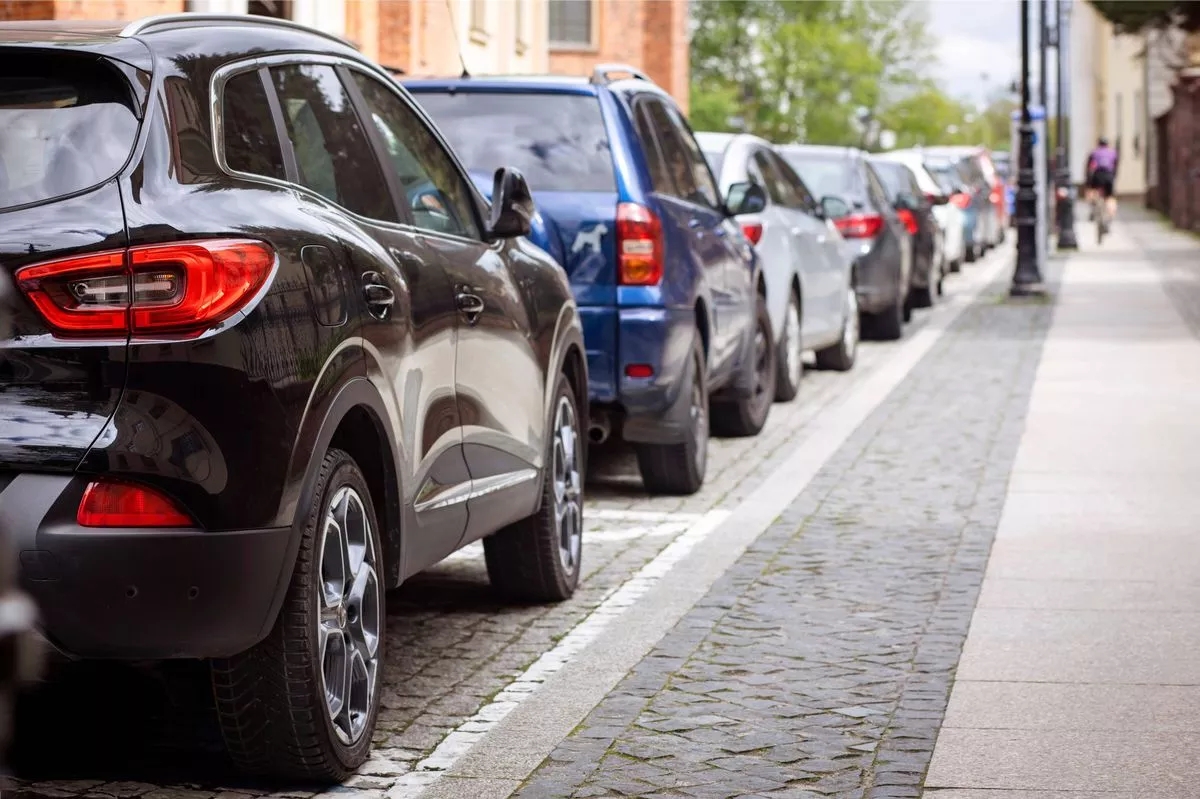
Pulling up to a place with no driveway and no parking lot can make some people shrug. For a lot of suburban raised folks, it sparks instant tension. Where will I park. How far will I have to walk. Will my car be okay.
Sometimes that feeling is about safety. When you grew up with garages and driveways, leaving your car on a busy street overnight can feel risky. You picture scrapes, tickets, or break ins, even if the area is actually pretty calm.
It is also about control. A driveway offers a clear, private spot that is “yours.” Street parking is a rolling puzzle. You might circle the block. You might squeeze into a tight space. Your brain has to work harder, so visiting can feel like more effort than it is.
Over time, you can adjust. The first few months in a dense neighborhood are often the hardest. With practice, finding a street spot becomes just another chore, not a crisis. Some people even grow to like the small walks home, especially at night when the streets are quiet.
If this is you, it can help to plan ahead. Arrive a bit early. Ask a friend about typical parking spots. Keeping your nervous system a step ahead of the game can create a sense of no driveway anxiety, where parking is something you manage, not something that controls you.
And if you still secretly cheer when you visit a place with its own little lot, that is okay. Those roots run deep.
8. They Assume Everyone Owns A Car
In many suburbs, getting your license is a huge milestone. It is framed as your ticket to freedom. Needing a ride past a certain age can feel like failure. So you grow up assuming every adult will have a car, unless something unusual happened.
This belief can hang around even when you meet people who get by on trains, buses, or bikes. Part of you might still think, “But do you really want it that way.” The idea that car equals freedom is wired in, because that was true in your world.
That mindset shapes how you make plans. You choose restaurants and events that assume people will drive. You may not notice long walks between bus stops or steep hills on bike routes. It takes effort to remember that not everyone moves through space the same way.
The upside is that you are often willing to help with rides. Driving someone to the airport or picking them up late at night feels normal to you. You know how much it can matter when options are limited.
With a little awareness, you can keep the generous parts of this habit and soften the blind spots. Asking “How are you getting there” instead of “Are you driving” makes space for different answers. It shows respect for people whose idea of freedom looks different from yours.
9. They Miss Late Night Chain Restaurant Runs
Finally, there is the late night chain run. Applebee’s. Denny’s. IHOP. Maybe it was a 24 hour diner off the highway. For many suburban kids, these places were the backdrop of big talks, tired laughs and awkward first dates.
Even if the food was not amazing, the vibe mattered. The staff did not rush you. You could sit for hours over bottomless coffee and fries. The glowing sign by the road felt like a promise that you always had somewhere to land.
As an adult, you might feel a little tug of nostalgia when you pass those places on a road trip. You remember what it felt like to slide into a sticky booth after a game or a movie. It is not really about the menu. It is about the late night chain runs that made you feel part of something.
Interestingly, those spaces often helped people practice emotional skills. You learned how to comfort a friend in crisis, how to share good news, how to sit in silence without it feeling weird. A lot of real life happened under those fluorescent lights.
Today you might seek that same feeling in new ways. Maybe it is a café, a friend’s kitchen, or a local bar. The form changes, but the need stays the same. You are still that kid who wants a place to go when it is late and your heart is full of feelings and stories.