


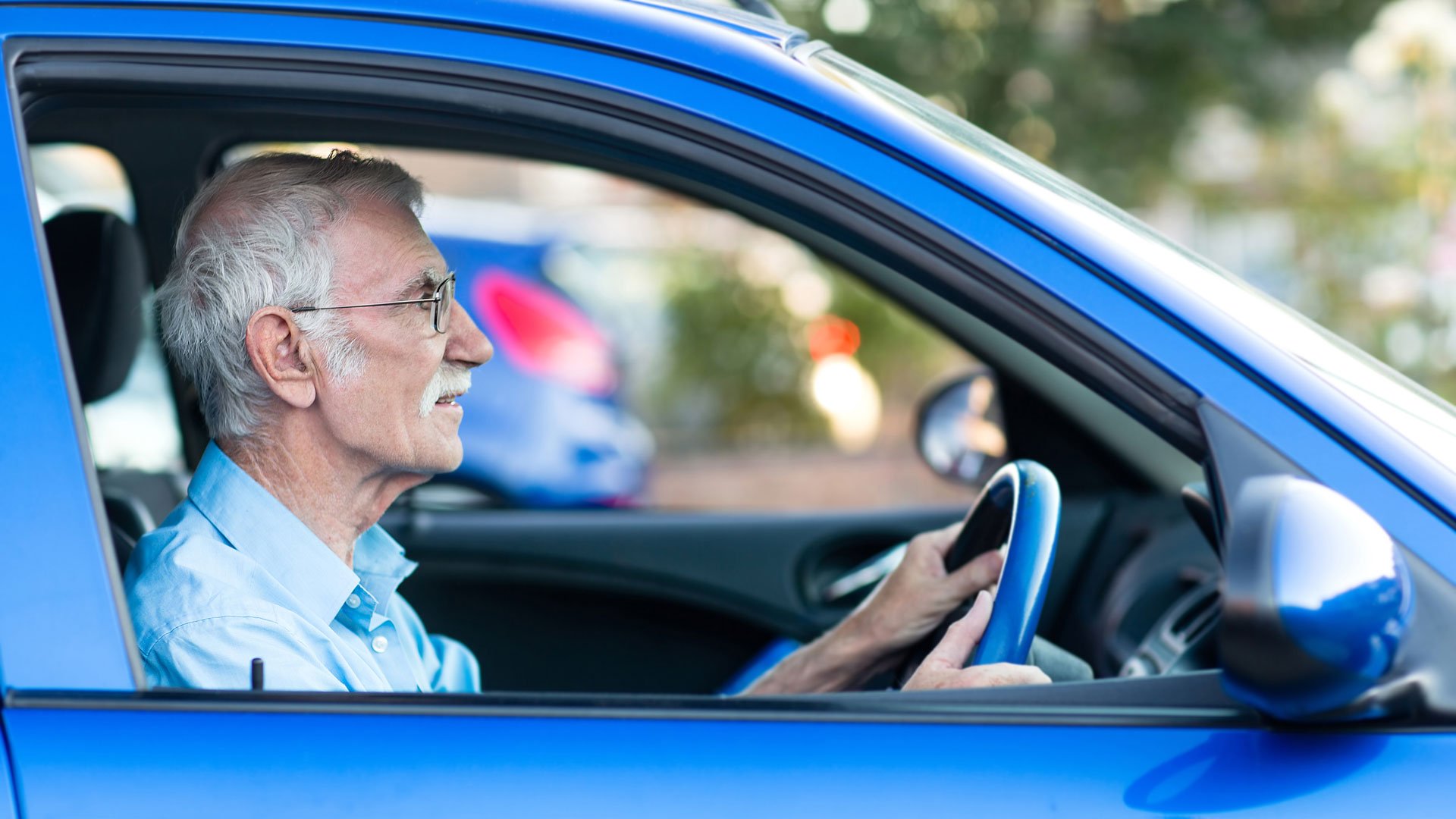
Last month I rode with a neighbor who has that calm, seen-it-all vibe. We were halfway through a normal errand run when a familiar guitar riff floated out of the speakers. Their hands loosened on the wheel, then tightened, like their body had recognized the song before their mind caught up.
At the next safe spot, they pulled over. No drama, no explanation, just a quiet choice. The volume went up a little. Their eyes softened in a way I only see when people are looking at someone they love.
I sat there thinking, “Okay, it’s just a song.” Then the chorus hit and something shifted in me too. I didn’t even grow up with that track, but the feeling in the car was contagious. It was like we had stepped into a smaller room inside time.
When it ended, my neighbor laughed a little and said, “That one gets me every time.” Then they told me about a friend from long ago, a job that smelled like gas and hot pavement and a summer night drive with the windows down. The story came out fast, as if the song had opened a drawer that stayed closed for years.
Later that day, I caught myself doing it in my own way. A different old track came on while I was cooking and I froze with a spoon mid-air. The kitchen disappeared for a second. I could almost feel an old apartment floor under my feet.
That’s the quiet magic of certain seventies songs for many Boomers. A few notes can turn into instant time travel. Here’s why it happens, what your brain is doing in the background and how you can use nostalgia in a way that feels warm instead of heavy.
Why Seventies Songs Hit So Fast
I’ve noticed something when a seventies song comes on in a store. Some people keep browsing. Some people stop like they just heard their name. The pause looks small, yet it carries a whole life inside it.
Music moves fast because it arrives as a full package. You get rhythm, melody and a voice at the same time. Your brain loves patterns and familiar patterns run on a kind of memory shortcut.
Years ago, a friend played a playlist at a casual get-together. One guest, a Boomer, started tapping a finger on the table before the intro ended. Then they smiled like they had found a lost key. I watched their posture change, shoulders dropping, face opening.
That quick shift often comes from association. A song links to people, places and routines. If a track played during commutes, parties, first apartments, or late-night radio, it can carry those scenes along with it.
You can also feel the social layer. Seventies music often lived in shared spaces like cars, living rooms and school events. When you hear it now, you can feel a hint of belonging. That sense of “we were all there” lands fast.
The Memory Window That Makes Certain Tracks Stick
There’s a reason some songs feel glued to someone’s identity. I once asked my neighbor why that specific track mattered. They said, “That was the year everything changed.” They did not mean a headline. They meant a personal turning point.
Psychologists talk about a strong memory period in adolescence and early adulthood. Many people keep vivid memories from those years. Music from that time can feel extra bright because it paired with firsts, big emotions and new freedom.
When I went looking for research on this, I found a 2025 study on music and autobiographical memory in older adults. It explored how familiarity and the “reminiscence bump” shape the memories that music brings up. If you like digging into the science, the phrase reminiscence bump is a helpful place to start.
My friend once described it in plain language. They said certain songs act like a calendar that only your heart can read. I loved that. It matched what I see when people hear a track tied to early independence.
This memory window also explains why two people can react differently to the same decade. One person hears a song and feels joy. Another hears it and feels a sting. The song plays the role of a cue and the cue points toward whatever was true back then.
If you are listening with someone, it helps to stay curious. A big reaction often means the track carries a personal chapter. That chapter can include pride, grief, excitement, or relief. Sometimes it includes all four.
What Happens When the First Notes Land
I admit I used to think the “first note reaction” was a bit dramatic. Then it happened to me in a parking lot with a random old song. My chest warmed, my throat tightened and I had no plan for any of it.
From a psychology angle, your brain uses sound as a sensory cue. It scans for familiar signals. When it finds one, it can pull up related memories and emotions in a flash. That speed can feel surprising because it happens before you form a sentence about it.
There was a time when I heard a track and instantly remembered the smell of sunscreen. It was so specific that I laughed out loud. Nobody else in the room understood, which made it even funnier to me.
Music also carries timing. A drum fill can match the way you used to walk into a room. A chorus can match the way your friend used to shout the words. Your brain stores these tiny timing signatures and hearing them again can bring back the full scene.
If you want to test it gently, pay attention to your body before your thoughts. Do your shoulders lift. Do your jaw relax. Do you start moving your foot. Those are early signs that your brain just recognized something meaningful.
The Car Effect: Why Driving Turns Music Into a Moment
One of my clearest “music memories” happened in a car and I was not even driving. We were stuck in slow traffic and a classic track came on. My friend reached for the volume like they were reaching for a handle on a door.
Cars create a small world. The sound wraps around you. The outside view moves like a screen. That combo can make a song feel bigger than it does through a phone speaker.
Driving also puts your mind in a steady rhythm. You watch lanes, you monitor speed, you repeat small actions. A steady rhythm can make music sink in deeper. It becomes part of the motion.
My neighbor told me they learned half their favorite songs from radio while driving to work. They remembered where the road curves. They remembered which light always turned red. That routine turned into a soundtrack habit.
There’s also the privacy factor. A car gives you a place to feel things without an audience. You can sing, cry, or go quiet. That freedom makes emotional memories more likely to stick.
If you ever wonder why someone “has to pull over,” it can be simple. The song asks for attention and driving demands it too. Pulling over gives the song room to do its work.
The Openings You Can Recognize in One Second
I love watching people identify a song from a single second. It’s like watching a magician reveal a card. Someone points and says, “That’s it,” with total confidence.
Song intros are designed to be recognizable. Many seventies tracks have strong signatures, a riff, a drum pattern, a keyboard line, or a vocal texture. Once your brain learns the signature, it becomes a quick label.
My friend once played “guess the song” at a party. A Boomer guest nailed almost every intro. They looked amused and slightly shocked at their own accuracy. Then they told us which summer each song belonged to.
This happens because repeated listening builds strong pathways. Radio rotation helped. So did records and tapes. Familiar intros became like the opening line of a story you heard a hundred times.
If you want to make a playlist that hits quickly, look for tracks with clear intros. That first second matters. It sets the mood and triggers the memory chain.
Voices That Feel Like Someone You Used to Know
A voice can be the whole thing. I once heard a singer from the seventies and felt my eyes sting. I had no personal history with them. The voice still carried a human closeness.
Voices work like faces in sound form. You can recognize them across different songs. If someone listened to an artist during a meaningful time, that voice becomes linked to comfort, courage, or rebellion.
My neighbor described one singer as “the friend who always showed up.” That line stuck with me. A steady voice can feel like a steady presence, especially when your life is changing fast.
On the brain side, voices carry emotion cues. Pitch, tone and timing all signal feeling. Your brain reads those cues quickly. If the cues match a stored memory, the reaction can come on strong.
If you are sharing music with a Boomer, ask about the voice, not only the song title. You may hear a story about a concert, a long drive, or a friend who used to sing along. A voice can be a human anchor.
Grooves That Make Your Body Decide Before Your Brain
At a community event, a DJ slipped in a funky seventies track. I watched a group of Boomers start moving without talking about it. Their hips got the message first. Their faces followed.
Groove is physical. Rhythm invites the body to match it. When a beat feels familiar, your body can respond automatically. That response can bring a wave of emotion with it.
I’ve had moments where my foot started tapping and I only realized later that the song was tied to a specific memory. The body reaction came first. Then the picture arrived.
This has a simple logic. Your brain stores experiences with movement, clapping, dancing and walking. A groove can reconnect you to those actions. That makes the memory feel lived-in, not only remembered.
Some grooves also carry cultural signals. Certain drum patterns and bass lines signal a whole era. For many Boomers, those patterns connect to parties, clubs, school dances and living room dancing.
If you want the good part of nostalgia, try moving gently with the music. A small sway counts. Movement can help turn the memory into a mood reset instead of a mental loop.
Lyrics That Turn Into Tiny Time Capsules
I once sang along to a chorus I had not heard in years and I surprised myself. The words came out clean. It felt like my mouth remembered a script my mind had forgotten.
Lyrics stick because they carry meaning. They also stick because you repeat them. Singing along adds breath, timing and emotion. That makes the memory stronger.
My friend told me a story about hearing a breakup song from the seventies. They did not cry at the memory of the breakup. They cried at the memory of who they were when they survived it. That difference mattered.
Lyrics can also hold values. Freedom, loyalty, heartbreak, hope and humor show up again and again. When you hear those themes from your past, you can reconnect with an older version of your goals.
If a lyric hits hard, try writing down the one line that grabbed you. Then ask, “What did this line mean to me then.” That question often opens a gentle story and it turns the song into a tiny time capsule you can hold with care.
Radio Culture and the Shared Soundtrack Feeling
Some of my favorite conversations start with, “Did you hear this on the radio back then?” People light up. They describe DJs, call-in requests and the way a station felt like a friend in the room.
Radio shaped seventies listening. Songs arrived in a shared stream. Many people learned the same tracks in the same season. That creates a social memory and social memories feel sturdy.
I remember sitting with an older relative at a picnic table while a portable radio played. They told me the name of the station and the time of day they used to tune in. They remembered it like a daily ritual.
Shared soundtracks also build identity. If your peers loved a song, loving it could feel like joining a club. That club might have been small, yet it mattered. Belonging is a powerful emotion cue.
Today, playlists can feel private. Radio memories often feel public. That public feeling can make a song seem larger than the moment. It becomes part of a shared soundtrack that many people carry.
How a Seventies Song Shifts Your Mood in Minutes
Once, I was in a sour mood while doing chores. Then a bright seventies track came on and my mood lifted before I finished wiping the counter. I didn’t earn the change. The song handed it to me.
Music can shift arousal and emotion. Fast songs can energize you. Slower songs can calm you. Familiar songs add safety because your brain knows what comes next.
My neighbor said they use certain songs like tools. One track for long drives. One track for cleaning. One track for courage before a hard conversation. I liked that practical approach.
There’s also a meaning effect. If a song connects to a time you felt capable, the feeling can return. You remember your own strength. That memory can soften stress for a moment.
If you want to use music for mood, try a “two-song rule.” Start with one song that meets your current mood. Then play one song that nudges you toward where you want to be. This simple step can support a gentle emotional shift.
Ways to Build a Nostalgia Playlist That Feels Good
I made a nostalgia playlist once and accidentally turned it into an emotional roller coaster. Half the songs felt sunny. A few hit like a heavy door. I learned quickly that curation matters.
A feel-good nostalgia playlist often needs variety. Mix joyful tracks with steady ones. Add songs that bring warmth without pulling you into a spiral. Think of it like planning a meal.
My friend suggested a simple structure. Start with an “arrival song,” something familiar and upbeat. Then add a couple of middle tracks that feel smooth. End with a song that feels like closure.
It also helps to label your playlist by mood, not decade. Try titles like “Windows Down,” “Sunday Kitchen,” or “After a Hard Day.” Mood labels guide your choices and keep the playlist supportive.
If you are building this for a Boomer in your life, ask for stories, then add the songs that match the best stories. Include one surprise track too. The surprise keeps curiosity alive and creates a new memory on top of the old ones.
Finally, keep the volume kind to your ears and your nerves. A great song feels better when your body stays relaxed. Comfort helps nostalgia land in a soft place.
How to Share These Songs Across Generations
I once played a classic seventies track for someone younger and they said, “This sounds like a movie scene.” That made me smile. They heard it as cinematic. The older person in the room heard it as personal.
Sharing music across generations works best when you share context. A short story is enough. Where were you when you first heard it. Who played it. What did it help you get through.
My neighbor has a habit I adore. They pick one song and tell one memory, then they ask the listener to pick a modern song that gives the same feeling. That trade feels fair and it builds respect both ways.
You can also create a “two-way playlist.” Add five seventies tracks and five newer tracks. Put them in alternating order. Then listen together and talk about what your body does during each song.
If someone pulls over to listen, treat it like a small sacred pause. Let the song finish. Then ask a gentle question. “What came up for you.” You might receive a story that has waited a long time to be heard and you might also learn how music becomes a bridge between lives.