


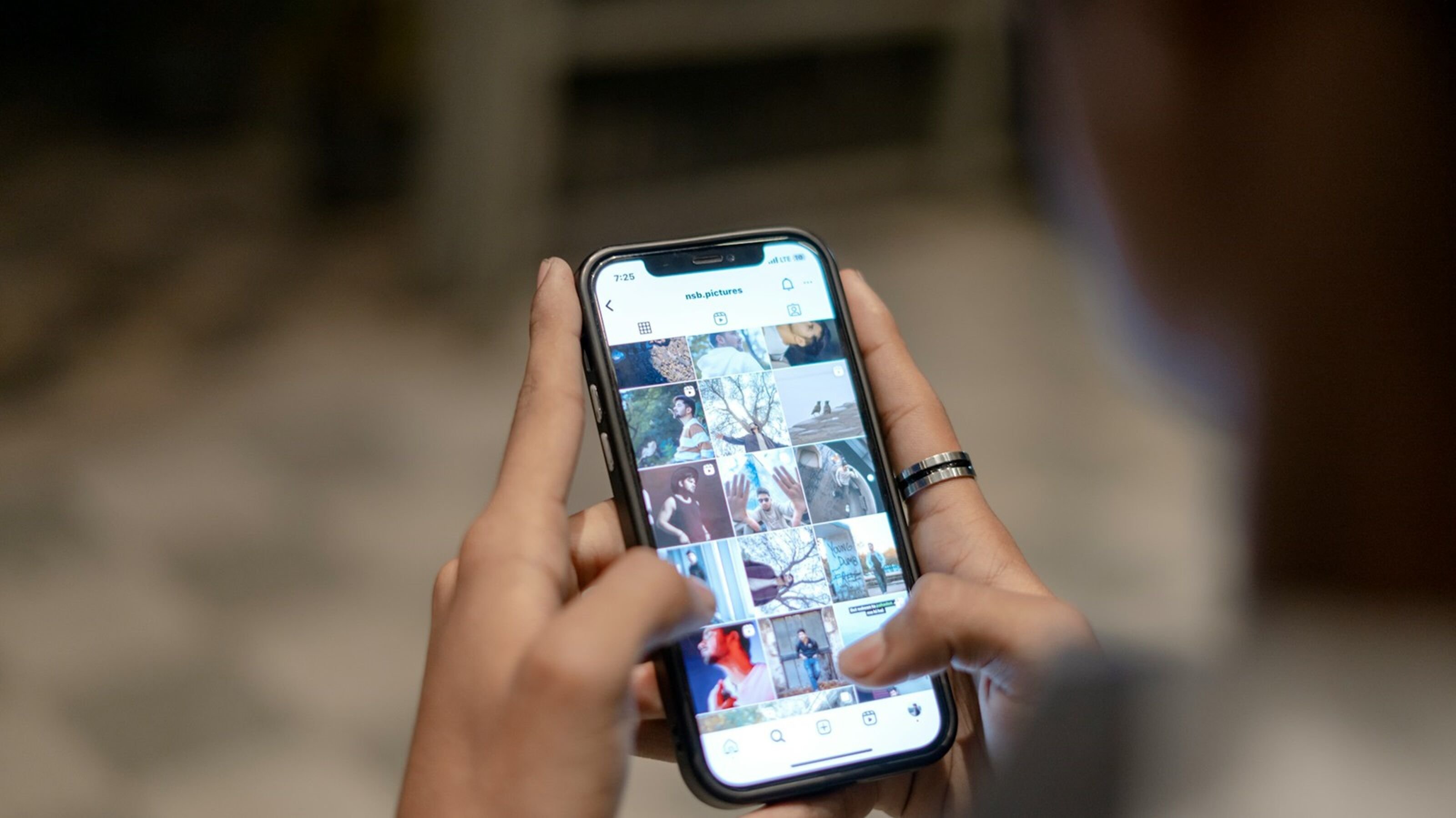
I caught myself staring at my phone one afternoon, thumb hovering, waiting for a message that never came. The room was quiet. My brain did that annoying thing where silence starts to feel like a verdict.
So I did something I almost never do anymore. I put the phone in another room and walked outside with my keys. No podcast. No “quick check” on notifications. Just me and a small stretch of sidewalk.
Half a block in, I felt a weird mix of relief and discomfort, like I had taken off a tight shoe and then realized I still had to walk. I also felt a tiny spark of excitement. It reminded me of times when being unreachable was ordinary.
A neighbor waved from across the street and I waved back. We talked for a minute about nothing important. The weather, a garden, a package that went to the wrong porch. I walked away lighter.
Later that night, I remembered a stack of old photo prints I still keep in a drawer. I pulled them out and sat at the table. I stayed there longer than I planned, touching corners that had softened with time.
That’s the thing about everyday rituals. They look small from the outside. Inside your body, they can feel like structure, comfort and proof that life holds patterns you can trust.
The quiet thrill of being unreachable
I remember the first time I left the house without my phone on purpose. I told myself I was doing it for focus. The truth is, I wanted to see what would happen to my mood when I stopped checking for updates like they were oxygen.
For the first ten minutes, my mind kept inventing reasons to go back. What if someone needs me. What if I miss something. What if I feel silly for even trying. Then, slowly, the urge loosened.
Psychologically, this kind of break gives you a taste of small autonomy. Your attention stops getting pulled by other people’s timing. You start choosing your own timing again, even if it is only for one walk or one errand.
Sometimes I notice that the “reachable” version of me is polite and efficient, yet also a bit tense. I answer quickly. I skim. I juggle. The unreachable version of me breathes differently.
There’s also a social layer here. When you cannot respond instantly, people learn your rhythms. You learn theirs. That space can feel awkward at first, then it starts to feel human.
Try watching what changes when you build gentle boundaries around your availability. A small window without replies can turn into a deeper sense of steadiness, especially on days when stress tries to rush you.
Saturday errands that took all morning
Years ago, errands had a beginning, a middle and an end. You left the house, you did the loop and you came back with bags and a story. Now I can order half the list from a couch and call it “efficient.”
I still love convenience, yet I miss the slow build of a morning out. The coffee stop. The small talk with a cashier. The feeling of moving through a neighborhood like you belong there.
From a psychology angle, longer errands created slow attention. You had fewer choices in the moment, so your mind settled into whatever was in front of you. That kind of attention often feels calming because it reduces constant switching.
One Saturday, I decided to recreate the old version. I walked to a market instead of driving. I bought one ridiculous treat I did not need. On the way home, I noticed new paint on a fence and a dog sleeping in a patch of sun.
Those details sound tiny, yet they stitched the day together. When time feels slippery, these ordinary sequences help your brain form chapters. A morning with chapters feels longer in the best way.
Calling a friend and hoping they were home
My friend once told me they miss the sound of a phone ringing in a quiet house. It surprised me because ringing used to annoy everyone. Then I pictured it and I understood the tenderness in it.
Back then, you called and took your chances. Someone might pick up. Someone might not. You learned to handle the small uncertainty without spiraling.
That waiting carried a quiet lesson in emotional regulation. You practiced patience in short bursts. You also practiced interpreting silence in a kinder way.
I tried it recently in a modern form. I left a voice message instead of a rapid-fire text thread. I kept it simple and warm. When my friend replied later, the conversation felt less chopped up.
There is a type of connection that grows in the spaces between messages. Your mind fills in the person’s presence. That presence can feel like social glue, especially when you feel alone in a crowded week.
Finding music by accident
I can still remember walking into a store and hearing a song that stopped me in place. I had no idea who the artist was. I stood there pretending to browse, listening like it was a secret.
Now music arrives through recommendations that feel almost psychic. They can be great. They can also make discovery feel like a scheduled delivery.
Accidental music hits differently because surprise carries emotion. Your brain tags the moment as special, then ties it to place, smell and season. That’s part of sensory memory and it sticks.
One evening, I played a local radio station while cooking. A song came on that I had never heard. I caught myself smiling at the stove. I felt like I had been invited into someone else’s world for three minutes.
If you miss this feeling, give yourself chances to stumble into sound. Put on a playlist from a different country. Let a friend DJ. Walk into a café and listen before you reach for earbuds.
The goal is simple. You want more moments that arrive unplanned and leave a mark.
Hanging out in a real third place
There was a time when I knew the rhythm of a specific coffee shop. People read newspapers at one table. Someone always studied near the window. A couple of strangers would chat in line like it was normal.
Then life got busier. Work moved online. Hangouts moved into group chats. I stopped having a place where I could be around people without having to perform.
A “third place” is a casual spot that sits between home and work. It supports community in a low-pressure way. It also helps your mind connect faces with routines.
I went back to a neighborhood spot recently and brought a book. I promised myself I would stay for thirty minutes. Two hours later, I had read ten pages and had three friendly conversations.
These spaces matter because they create repeated, light contact. That kind of contact often reduces loneliness. It also gives you a sense of belonging without a big emotional ask.
If you want to rebuild this, pick one third places option and make it easy. Same day of the week. Same time. Small consistency beats big plans.
Writing notes that stayed in your pocket
I found an old note in a jacket pocket last winter. It was a short list in messy handwriting. Eggs, stamps, call the dentist. Seeing it felt oddly comforting.
Paper notes turn your thoughts into something you can hold. Your brain gets a break because the reminder lives outside your head. That can lower mental load, especially when you are stressed.
There’s also a quiet intimacy in handwritten words. Even a boring list shows your mood in the shape of letters. You can tell if you were rushed or calm.
I started leaving myself small notes again. One was a reminder to drink water. Another was a tiny pep talk before a tough meeting. I forgot about them until I bumped into them later.
Those little surprises feel like kindness from your past self. They also slow you down for a second, which helps when time feels like it is sprinting.
Fixing things instead of replacing them
I once carried a broken lamp to a repair shop and felt almost embarrassed. The place smelled like tools and dust. The owner looked at the lamp with the focus of someone solving a puzzle.
When I came back a week later, the lamp worked. I felt proud in a way I did not expect. It was a simple object, yet I had kept a small promise to myself.
Repair builds a repair mindset. You practice patience, problem-solving and care. Those traits can spill into relationships too, because your brain gets used to working with imperfections instead of tossing them aside.
At home, I tried a tiny version. I sewed a loose button instead of buying a new shirt. I watched a tutorial, then stitched slowly. It took fifteen minutes and made the shirt feel like mine again.
There’s also a values piece here. Fixing can make you feel aligned with who you want to be. That alignment supports meaning making because you see your actions matching your identity.
If you want to start, pick one item with a low emotional stake. A mug, a zipper, a wobbly chair leg. Let the process be the point.
Shared TV moments everyone talked about the next day
I miss the way people used to talk about the same episode at the same time. You could walk into a classroom, a break room, or a family dinner and hear the same jokes repeated.
Now everyone watches at different speeds. Someone is three seasons ahead. Someone is waiting for a weekend. Someone saw spoilers by accident and feels irritated for days.
Shared viewing created shared anticipation. Anticipation is emotionally powerful because it gives the week a little structure. It also boosts connection because you feel part of a larger conversation.
Recently, a few friends and I agreed to watch one episode on the same night. We kept it simple. We texted a few reactions and saved the deeper talk for the next day.
The next morning, I felt a cozy sense of “we.” It was small. It still mattered.
Playing outside until the streetlights came on
When I see kids playing outside now, I feel a soft ache. It reminds me of the sound of sneakers on pavement and the way evening air shifts when the sun drops.
Back then, your body learned time through light and temperature. You watched shadows stretch. You listened for a parent calling from a porch. Your nervous system had cues.
Outdoor play also gave you a steady stream of micro-challenges. You negotiated rules. You handled boredom. You took small risks. Those skills helped build confidence.
I tried to bring back a version of it for myself. I went outside near dusk with no plan beyond “walk until I feel done.” I noticed porch lights clicking on one by one. I felt like the day had a clean ending.
If your life happens mostly indoors, your sense of time can blur. A short daily dose of daylight can make the day feel more real and less like an endless scroll.
Photo albums that needed a table and time
My family keeps a couple of thick albums that almost require a ceremony. You clear a space at the table. You wash your hands. You open the cover carefully.
Scrolling through photos feels fast. Albums feel like a visit. You linger longer because turning pages takes effort.
This is where the friction of effort can be helpful. A little effort slows the experience and your mind has time to feel. Emotion often needs that extra second to rise.
One night, I sat with an album and noticed how often people were standing close together. Arms around shoulders. Faces pressed into the frame. It reminded me that closeness used to be documented in a physical way.
When you look at images like this, you often remember more than the picture. You remember the room, the voices, the smell of food. That layered recall can strengthen your sense of continuity.
If you want a modern version, print a few photos each month. Put them in a small box. Make the act of looking feel like an event you can repeat.
Holiday buildup that started weeks early
I admit I get sentimental about holiday buildup. I miss the slow lead-in, when you could feel a season approaching through little signs.
Now the calendar moves fast and stores jump ahead. Your brain can feel whiplash. Celebration starts to feel like a checkbox.
Buildup works because it gives you time to imagine. Imagination creates emotion before the event even arrives. That emotional runway helps you feel connected to the people you will see and the traditions you will repeat.
One year, I started decorating earlier than usual. I played a familiar playlist and cooked one seasonal meal. I did not do everything at once. I spread it out across days.
That stretched-out approach made the holiday feel larger. It also made stress easier to manage because the tasks were smaller and the mood arrived sooner.
Ways to bring back the feeling in small, real-life moments
It took me a long time to realize that nostalgia can be useful. It can point toward needs you still have today, like comfort, belonging and steadiness.
Researchers have linked nostalgia with a stronger sense of meaning, including work published in the APA journal Emotion. In that research, nostalgia helped people regain meaning when boredom showed up. You can read a summary through this nostalgia study.
Here are a few micro-moments you can try. Leave your phone at home for a ten-minute errand. Write a one-line note and put it in your pocket. Walk the long way once a week.
I also like “single-task” rituals. Make tea and drink it without a screen. Sit in a chair and listen to one song all the way through. When I do this, my mind stops racing for a while.
Another option is social. Choose one recurring plan that feels easy, like a weekly market run with a friend or a monthly potluck. Repetition makes connection feel safer.
Most of all, treat your longing with respect. It often carries a message about what you value. When you honor that message in small ways, time starts to feel friendlier again.