


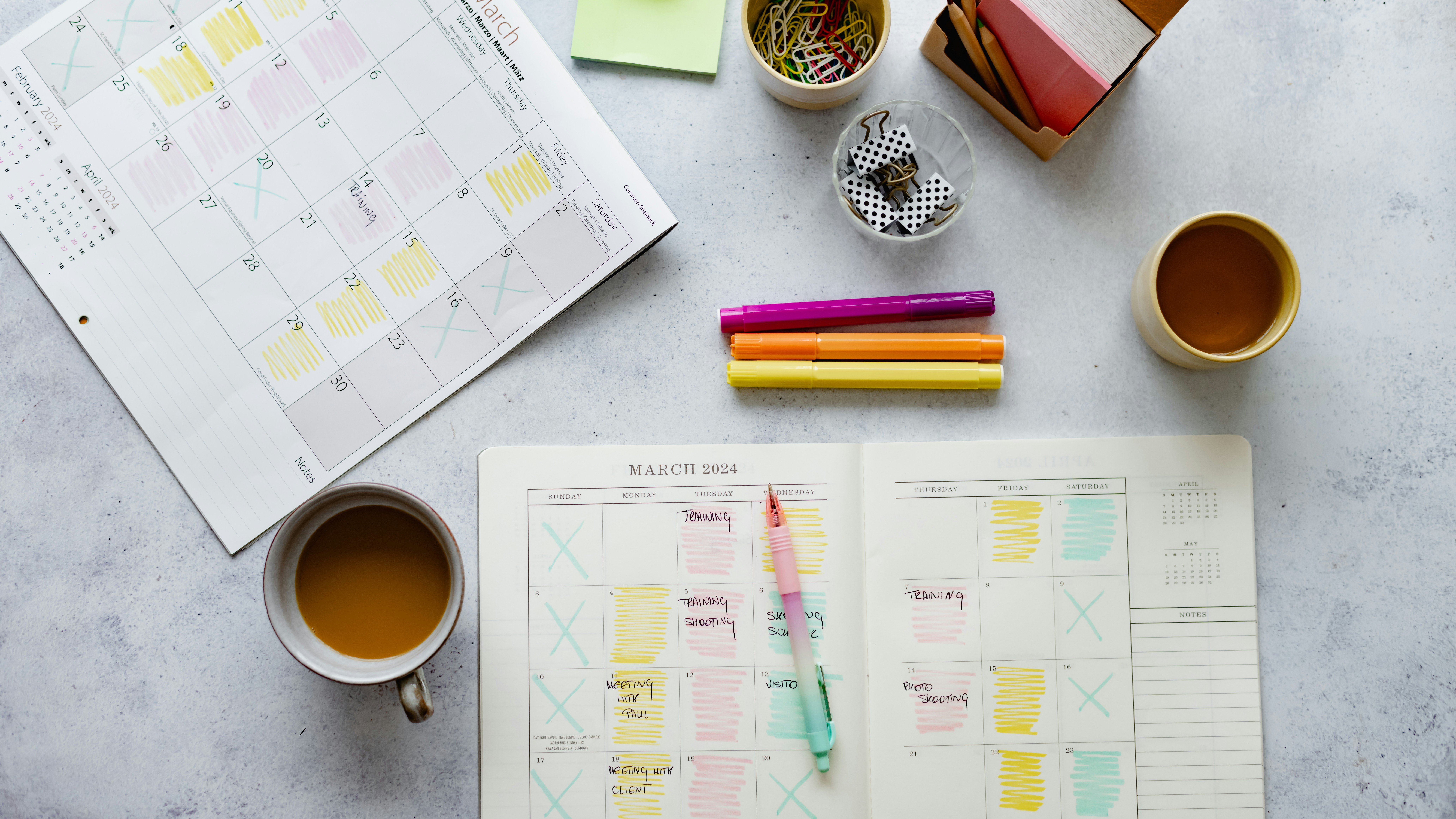
I remember standing in a friend’s kitchen while they made tea and the whole place felt oddly peaceful. No overflowing packages by the door. No flashy gadgets on the counter. Just clean mugs, a small fruit bowl and a calendar on the fridge with a lot of white space.
When I asked what they’d been up to lately, they shrugged and said, “Same stuff.” The funny part was that “same stuff” included travel, helping a sibling with a move and taking a few random weekdays off. It sounded casual, like they were describing doing laundry.
On the walk home, I caught myself doing that thing where you try to solve someone like a puzzle. How did they seem so unbothered by money, time and the small chaos the rest of us treat as normal? I kept replaying the scene in my head, the uncluttered counter, the calm tone, the quiet confidence.
A week later, I had my own tiny wake-up call at the grocery store. I reached for a “treat yourself” item and then paused. I pictured my own calendar, packed tight. I pictured my bank app, full of little charges that felt harmless on their own. It suddenly hit me that my stress had a sound and it sounded like constant yes.
Over time, I noticed a pattern in people who seem quietly secure. Their lives look simpler from the outside. Their choices look slower. They treat money like a tool for stability and freedom and their habits show up in ways you can spot once you know where to look.
Their spending sounds boring on purpose
One of the wealthiest people I’ve met once described their weekend plans as “errands and a walk.” I waited for the exciting part. It never came. Later, I saw the photos from the walk, a gorgeous trail and a picnic they packed at home. The “errands” included renewing a passport early and dropping off a car for routine service.
That kind of low-key spending can sound dull, yet it often signals a brain that likes predictability. Psychologists talk about self-control as a limited resource. When you build a life with fewer “surprise” expenses, you protect that resource. You also protect your mood.
The thing is, boring spending has a hidden superpower. It lowers decision fatigue. You stop asking, “Should I buy this?” all day long. You already decided what matters and you follow that plan with less drama.
I’ve tried this in small ways and it helped more than I expected. I picked two “fun” categories for the month, books and coffee with friends. Everything else went into a simple default. My brain got quieter almost immediately.
If you want a practical tell, listen for phrases like “We keep it simple,” “We already have what we need,” and “We planned for that.” Those words often live inside a future security mindset, where peace ranks high on the priority list.
They buy fewer things and keep them longer
Years ago, I bought a cheap suitcase that looked great online. It cracked on the second trip. I still remember the tiny panic of dragging it through an airport while the wheels wobbled. A friend watched me wrestle it and said, gently, “I buy luggage once.”
People who feel financially steady often treat objects like long-term teammates. They choose fewer items and they maintain them. That approach lines up with research on delayed gratification and planning. It also lines up with basic math. Replacing the same thing again and again adds up fast.
There’s also an identity piece here. When you see yourself as someone who takes care of what you own, you tend to buy with more intention. You stop shopping for a quick mood boost. You shop to support the life you already live.
I started copying this with shoes and it changed my closet. I bought one pair I truly loved. I took them to be repaired when they wore down. The repair cost felt almost satisfying, like I was voting for the version of me that thinks ahead.
Look for high-value purchases that seem quiet and practical. A good mattress. A reliable laptop. A coat that lasts for years. The details vary, yet the pattern stays the same, fewer replacements and more care.
They treat privacy like a luxury
My friend once hosted a small dinner and asked everyone to keep phones in a basket by the door. No one complained. The room got louder in the best way, with real conversation and laughter that built on itself. I left feeling restored and I also noticed something else. Their life had strong boundaries.
Privacy works like a form of wealth because it protects attention. When your attention stays protected, your choices tend to get cleaner. You buy less for show. You compare yourself less. You spend more time doing what actually feels good to you.
This is one reason some secure people share fewer details about money. They keep the spotlight off their budget, their savings and their big purchases. That quiet can reduce social pressure. It also reduces the chance of getting pulled into drama.
I’ve tested this by sharing less online. The first week felt strange, like I was missing a habit. Then it felt like relief. My decisions started to feel more like mine.
When you notice privacy boundaries that seem calm and consistent, you may be looking at someone who values peace more than applause. That value tends to show up in their spending too.
They skip lifestyle upgrades that drain cash quietly
I once watched a neighbor trade in a perfectly good car because “everyone else in the parking lot upgraded.” They said it like a joke, yet their face looked tense. A few months later, they mentioned picking up extra shifts to cover the payment. The upgrade came with a heavy price and the price was stress.
Lifestyle creep happens when spending rises with income. The shift can be subtle, a few more subscriptions, slightly pricier groceries, more delivery. Each choice feels small. Together, they build a new baseline that’s harder to support.
People who keep a simple lifestyle often choose a different baseline. They design “enough” on purpose. They might upgrade one area that matters a lot, like a safe neighborhood and keep other areas steady.
I admit I’ve fallen for the slow creep in the past. A streaming service here, a meal kit there and suddenly I was paying for convenience every day. When I trimmed back, my week felt lighter. I cooked more. I spent more time outside. I even slept better.
If you’re looking for a sign, notice who treats upgrades as rare events. They pause. They research. They ask, “Will I still want this in a year?” That single question can save a lot of money.
They plan for bills that show up once a year
I learned this one the hard way, with a car registration fee that landed like a surprise pop quiz. I stared at the amount and thought, “How did I forget this again?” It wasn’t the fee that hurt. It was the feeling of being caught off guard.
Secure people often keep a simple list of irregular costs. Insurance premiums. membership renewals. school fees. gifts. travel. These expenses arrive like clockwork. Planning for them turns them into predictable events.
Psychologically, this is about reducing uncertainty. Uncertainty drains energy. When you build an annual bill buffer, you buy back a sense of control. That control supports calm decision-making across the month.
A friend shared a trick that actually stuck with me. They set aside a small amount every payday into a separate “once-a-year” pot. When the bill came, they paid it and moved on. No spiral. No stress shopping afterward.
You can spot this habit when someone reacts to a big bill with a simple, “Yep, that’s due.” Their face stays neutral. Their day continues.
They seem relaxed around emergencies
There was a moment when my phone died during a work trip and I felt my chest tighten. I had no charger, no map and no easy way to reach my ride. A colleague calmly handed me a spare power bank and said, “I keep extras.” Their voice had zero panic in it.
That calm often comes from planning and redundancy. People who feel secure tend to build systems that handle hiccups. They keep a little extra time between appointments. They have backup supplies. They also tend to keep an emergency fund so money problems feel less like immediate threats.
From a psychology angle, preparedness supports emotional regulation. When your brain expects that life includes surprises, you stop taking surprises as personal failures. You respond with action.
I started practicing “future me” thinking. I keep a charger in my bag. I keep a small cash amount tucked away. I leave for the airport earlier than feels necessary. These are tiny moves, yet they change my whole mood.
Pay attention to how someone talks during a crisis. Calm language and quick problem-solving often show a background of preparation. That background usually connects to steady money habits too.
They talk about choices, not price tags
I once asked a friend where they bought a jacket because it looked expensive. They smiled and said, “I saved for it.” Then they pivoted to how often they wear it and how well it layers. The conversation stayed focused on usefulness, not on the brand.
When someone talks in terms of choice, they sound like the decision-maker in their own life. That language matters. It shapes identity. It also reduces the urge to prove anything to anyone.
This is where calendar calm and money talk connect. People who keep their schedule manageable tend to have more space to think. They do fewer impulse purchases. They also feel less pressure to use spending as a shortcut to confidence.
I’ve noticed my own language shift when I’m stressed. I start talking about deals, prices and how much things cost. When I’m steady, I talk about what I want my week to feel like. That’s a clue I now take seriously.
If you want a practical step, try asking yourself a choice question before you buy. “What job will this do in my life?” “How often will I use it?” Those questions move your brain toward long-term thinking.
They give in small, steady ways
A neighbor on my street keeps a basket of snacks and water bottles by the door for delivery workers. It’s simple and quiet. There’s no announcement, no photo, no big story. It made me rethink what generosity can look like when it’s woven into daily life.
Generosity and security often travel together. When you feel stable, it’s easier to look outward. Some research even links financial well-being with prosocial preferences and behaviors, which includes small acts of giving. A recent paper in PNAS Nexus discusses this connection through prosocial behavior.
I’ve also noticed that steady givers tend to budget for it. They treat giving like any other value-based expense. It shows up as a regular line, even if the amounts are modest.
Sometimes this looks like tipping well. Sometimes it looks like donating monthly. Sometimes it looks like quietly covering a group lunch without turning it into a performance. The common thread is steady generosity that feels grounded.
If you want to borrow this habit, pick a giving lane that matches your life. Keep it small. Keep it consistent. Consistency often feels better than one big burst followed by regret.
They choose “good enough” housing and feel fine about it
I once visited a relative’s friend who lived in a place that surprised me. They had the means for something bigger. Their home was tidy and comfortable and it also felt modest. The living room had space to breathe. The decor looked collected over time.
Housing is emotional. It’s safety, identity and social status all at once. People who feel secure often aim for a home that supports their life without swallowing their budget. That choice leaves room for saving, travel, health and rest.
Psychologically, this is a values decision. When you decide what “enough” looks like, you reduce comparison. You also reduce the constant itch to upgrade. That can be a huge relief in a culture that treats bigger as better.
I’ve felt the pull of bigger before. Then I think about what bigger would cost me in time. More cleaning. More maintenance. More pressure to furnish. Suddenly “good enough” feels pretty smart.
This habit can look like choosing a smaller place in a great location. It can look like staying put even after a raise. It can also look like renting longer while building savings.
The key signal is contentment. When someone enjoys their home without chasing a more impressive version, they often protect money for other priorities.
They avoid money conversations that turn into competition
At a party once, a group started comparing salaries. The energy changed fast. People got louder. Someone made a “must be nice” joke. I watched a friend quietly step away and join a different conversation about books.
Competitive money talk can trigger stress, envy and pressure. It can also push people toward spending for status, which is rarely a satisfying long-term plan. People who feel secure often choose conversations that protect their relationships.
This is another place where privacy helps. When you share fewer numbers, you create fewer chances for comparison. You also keep your goals clear. Your budget gets to serve your life, not your image.
I’ve practiced simple exits for these moments. “I’m working on a few goals right now.” “I’m keeping my finances pretty simple.” Then I ask a question about something else. It’s amazing how quickly the mood can reset.
If you want to spot quiet security, notice who asks thoughtful questions and stays curious. They talk about travel experiences, hobbies and meaningful plans. Their confidence shows up as ease, not as a scoreboard.
They build routines that make saving automatic
My favorite money advice came from someone who never talks about money. I noticed they never seemed stressed about bills and I finally asked what their system was. They said, “It happens in the background.” Then they showed me a setup with automatic transfers and a simple spending account.
Automation reduces willpower demands. When saving is automatic, you avoid a daily tug-of-war with temptation. You also avoid the mental load of constant tracking. That mental space can be used for work, family, creativity and rest.
Routine also strengthens identity. When you pay yourself first every paycheck, you start seeing yourself as someone who follows through. That identity matters. It supports your quiet wealth habits in every area of life.
I built a smaller version of this and kept it realistic. One transfer goes to savings. One goes to bills. Whatever stays is mine to spend without guilt. The first month felt restrictive. The second month felt freeing.
If you want to try it, start tiny and stay consistent. Even a small automatic transfer builds momentum. Over time, those tiny moves create a cushion that makes your whole life feel calmer.