


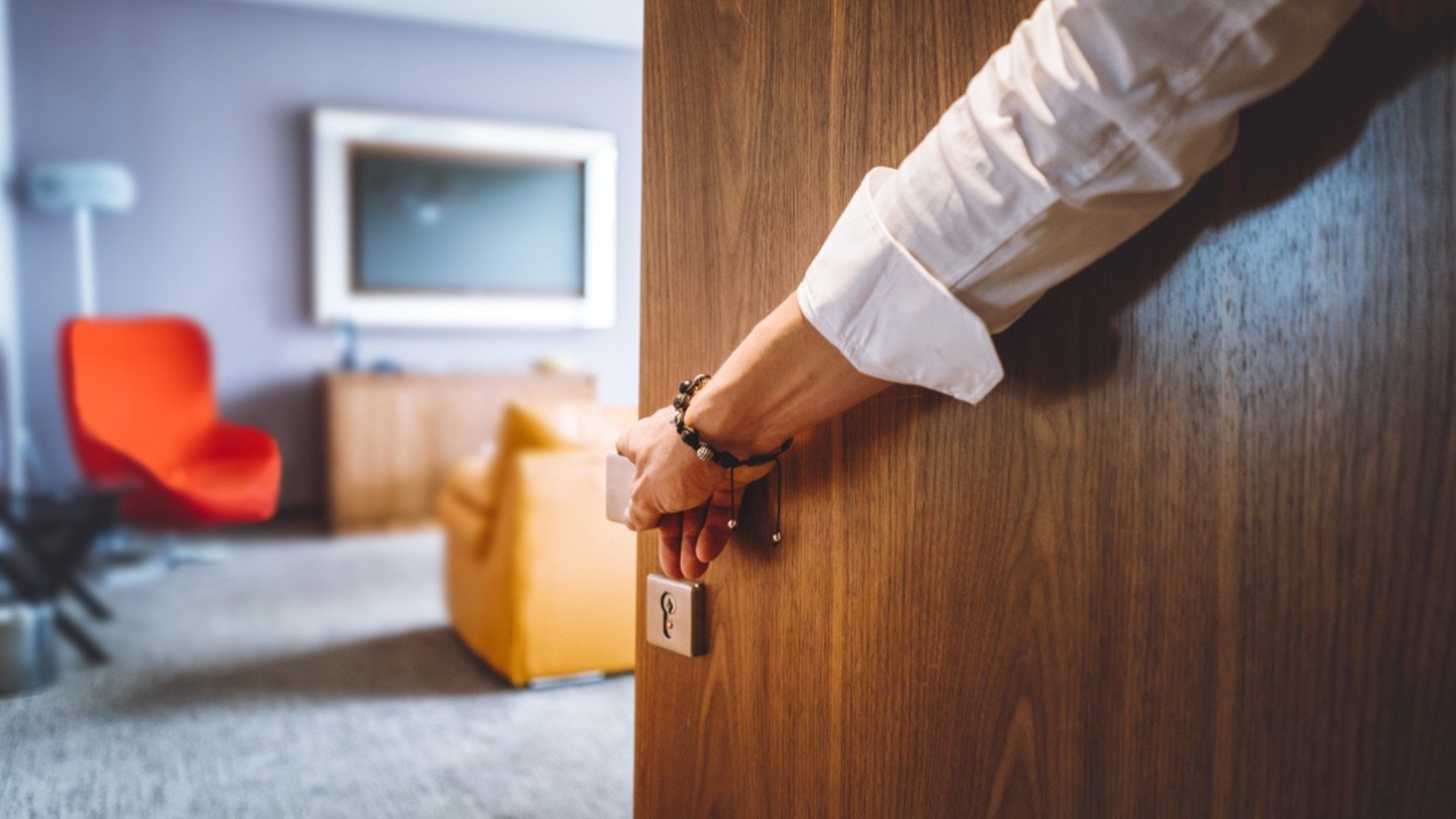
I remember a rainy afternoon when the wind kept slapping the front door of a coffee shop like it was annoyed at everyone. I had one hand on my bag and the other on a warm cup and I saw someone behind me with their head down, moving fast.
My brain did that quick math it always does, the kind you barely notice. If I hold the door, I might do the little half-run. If I let it close, they might have to catch it. I held it, then immediately felt awkward because the person behind me was still a few steps away.
So there I was, frozen in that in-between moment, smiling like I knew what I was doing. The other person sped up, then did the polite wave, then we both tried to say “thanks” at the same time. It was a tiny scene and somehow it stuck with me.
Later that day, I caught myself replaying it. That surprised me. I hadn’t cured anyone’s loneliness or solved a big problem. I had simply shared a door. Yet my body felt calmer, like I had done something that matched my values.
Over time, I’ve noticed this pattern in myself and in people I admire. The small gestures that look ordinary often carry a bigger message: “I see you and I’ll make space for you.” That message shows up again in friendships, at work and in how you handle conflict.
This is why door-holding is such a useful lens. It’s a two-second test of social awareness, micro-kindness and how you relate to strangers when nobody is keeping score.
The Two-Second Choice That Reveals Your Social Style
There was a week when I kept arriving at the gym at the same time as a few other regulars. One person always held the door and looked away, like it was casual. Another person held it and made eye contact like they were hosting a party. I could tell their social styles before anyone said a word.
Your “door moment” is fast, but it shows how you move through the world. Some people lead with warmth. Some lead with efficiency. Some lead with caution. Holding the door often signals a preference for low-stakes connection, the kind that builds comfort without requiring a conversation.
The thing is, your brain loves shortcuts. In psychology, people talk about “thin slicing,” which is a fancy way of saying you make quick impressions from small bits of behavior. When you hold the door, you offer a clear signal: you notice others and you expect shared rules.
I admit I used to think door-holding was only about manners. Then I watched how people reacted when a door holder misjudged the distance and created that awkward jog. Some folks laughed and thanked them anyway. Others looked annoyed, like the social script had cost them energy. The same action can reveal both your style and the other person’s style.
In everyday life, these moments add up. If you’re someone who holds the door even when it’s inconvenient, you often practice prosocial behavior on autopilot. You’re rehearsing cooperation in a place where the risk is tiny and that practice tends to spill into bigger situations.
On the practical side, you can use the door moment as a personal check-in. When you feel rushed, you might still hold the door but do it with a tight jaw. That’s information. It tells you your stress is driving and your values are riding in the back seat.
You Track Other People Without Staring
Years ago, I walked into a library with a friend who always seemed calm in public spaces. Before we even reached the entrance, they adjusted their pace. They had clocked a stroller behind us, a person with a cane to the left and someone darting out with a stack of books. I had seen none of it.
People who hold the door well usually have a soft kind of attention. They scan the space and pick up cues like speed, direction and load. It’s a simple form of situational awareness and it often looks like calm, because the mind is already mapping what’s happening.
This kind of tracking works best when it stays light. You notice without turning it into a performance. You’re aware of personal space and timing and you let people keep their dignity.
My own giveaway is that I glance at hands. If someone’s hands are full, I’m more likely to hold the door longer. If their hands are free and they’re moving quickly, I hold it just long enough to keep the flow going. That tiny adjustment makes the moment feel smooth.
Psychologically, this is connected to empathy in a very practical sense. Empathy often gets described as a big heart feeling. In daily life, it can look like reading the room and responding with small, respectful choices. Door-holding becomes a micro version of “I understand what you might need right now.”
If you want to strengthen this skill, start with one habit: look up earlier. You don’t need to stare at anyone. You simply lift your gaze as you approach entrances and exits and your brain gets more time to plan a considerate move.
You Respect Someone Else’s Pace
I once held a door for someone who moved slowly and I could feel my impatience rise like a heat wave. They were not doing anything wrong. They were simply moving at their pace. My internal rush had turned their normal speed into a problem.
Respecting pace is one of those quiet social skills that makes you easier to be around. It shows up when you walk with someone, when you explain something and when you wait your turn in conversation. Holding the door is a physical version of that respect.
Some people hold the door and then sigh, tap their foot, or look at their phone like they’re being forced into a sacrifice. The body language communicates tension. A calmer posture communicates emotional steadiness and it gives the other person a sense of safety.
I’ve also noticed that pace respect can be cultural and situational. In a busy downtown, people move fast and expect quick transitions. In a small clinic waiting room, people move slower and carry heavier feelings. Your ability to match the context is a form of social intelligence.
If you’re the door holder, one helpful trick is to choose a “neutral face.” A relaxed expression keeps the moment simple. You are offering support. You are also giving the other person room to move without pressure.
Over time, this habit can shape your relationships. People remember who made them feel unhurried. They often trust that person in bigger moments too, like during a hard conversation or a stressful day.
You Stay Warm During Tiny Inconveniences
My friend once joked that my true personality comes out in parking lots. I laughed, then realized they were right. If a cart is blocking the path or someone cuts in line, I have to work to keep my face friendly.
Holding the door when it’s awkward asks for a small dose of patience. You might be carrying groceries. You might be late. You might be balancing a coffee that’s one bad bump away from disaster. Warmth in these moments is a form of self-regulation.
Psychologists often talk about self-control like it’s a dramatic struggle. In real life, it’s more like choosing your tone and posture in small moments. When you keep your warmth, you protect your own mood too. You avoid turning minor friction into a day-long spiral.
I’ve had times when I held the door and someone walked through without a word. My first impulse was to feel invisible. Then I remembered that people can be distracted, anxious, or having a rough day. That mental reframe helps me keep my warmth without needing a reward.
There’s also a values angle here. If you see yourself as someone who treats people well, you will feel better when your actions match that identity. That alignment is part of personal integrity and it can be surprisingly grounding.
Warmth does not require a big smile or a chat. It can be as simple as relaxed shoulders and an unhurried hand on the handle. The moment passes quickly and it leaves a gentle trace in the social atmosphere.
You Make Courtesy Feel Easy
I think about the best hosts I’ve met and how they move through their space. They don’t hover. They don’t announce every kindness. They simply make things easier. A chair appears when you need it. Water shows up before you ask. That same energy can show up at a doorway.
Making courtesy feel easy is a skill. You anticipate, you act and you move on. People often experience this as “comfort.” They don’t have to plan around you. They can just be human.
In psychology terms, this connects to smooth social coordination. Humans thrive when small interactions run well, because it reduces stress and uncertainty. A door held at the right moment helps the whole little system, even if it’s just a hallway in a grocery store.
I’ve noticed that when I’m feeling secure, I hold the door with more ease. When I’m feeling self-conscious, I start wondering if I’m standing too close or too far. Confidence can make manners look simple.
If you want to practice, focus on timing. Hold the door when the person is close enough that they don’t have to speed-walk. Step slightly to the side so they have space. Then let it go without lingering, so the gesture stays light.
You Act Before You Overthink
One of my most awkward door moments happened at a restaurant with a heavy, slow-closing entrance. I held it for someone, then another person appeared, then another. Suddenly I felt stuck in an endless loop, like I’d been hired as the official greeter.
People who naturally hold doors often rely on quick, values-based choices. You see a need and you respond. That speed matters because social moments are brief. If you spend too long analyzing, the moment passes and you feel regret.
There’s a useful balance here. Impulse can be generous and it can also create confusion if you step into someone’s path. The goal is thoughtful action, a quick move guided by simple cues like distance, eye contact and the person’s direction.
In research on generosity and well-being, giving tends to boost positive feelings for many people. One famous paper in Science found that spending money on others was linked with greater happiness than spending money on yourself. Small daily acts of giving, including time and effort, can create a similar emotional lift.
I like to think of door-holding as “two-second generosity.” It doesn’t require a big plan. It asks for a quick check, then a simple move. Over time, those quick moves can build your confidence in your own kindness.
If overthinking is your default, give yourself a script. “If someone is within three steps, I hold the door.” Simple rules reduce mental load. They also help you act with consistency.
You Share Space Like It Belongs To Everyone
There’s a narrow hallway in a building I visit sometimes and the doors swing wide. People often bump into each other there and you can feel the tension rise. One day, a stranger held the door and stepped back with a calm nod. The whole hallway felt friendlier for a minute.
Holding the door is a tiny lesson in shared space. You’re treating the environment like a commons. You’re saying, “We move through here together.” That mindset is part of community-mindedness and it’s a quiet form of leadership.
When you share space well, you reduce friction. You prevent collisions. You keep the flow. This matters more than we admit, because everyday stress often comes from small, repeated hassles. A smoother shared space makes everyone’s nervous system a little calmer.
I’ve noticed that people who share space well tend to do other things too. They move their cart to the side. They let someone merge in traffic. They lower their voice in quiet places. These acts create a sense of social safety for strangers.
If you want to practice this, think “wide path.” Step to the side, angle your body away from the doorway and give the other person a clear route. It’s a physical way of offering respect.
Over time, this habit can influence your relationships because it reflects how you handle needs. You leave room. You adjust. You make other people feel like they belong near you.
You Offer Help Without Needing Credit
I once held the door for someone who seemed rushed and they walked through while looking at their phone. No thanks, no glance, nothing. I felt a little sting and I hated that I felt it.
Offering help without needing credit is a mature skill. You still enjoy appreciation, because you’re human. At the same time, you can let the gesture stand on its own. This is the difference between giving as a trade and giving as a value.
In social psychology, a lot of trust is built through consistency. People learn who you are based on patterns. When your kindness stays steady even without applause, it becomes part of your identity and others can rely on it.
A personal trick that helps me is to keep the gesture small in my own mind. I tell myself, “This took two seconds.” That keeps the emotional cost low. It also keeps me from building a silent scorecard.
If you find yourself craving credit, that’s useful information too. It can mean you’re running on empty. It can also mean you’re around people who rarely show appreciation. Either way, the answer is often to add more supportive environments, where reciprocity happens naturally.
You Recover Fast When Someone Does Not Say Thanks
My neighbor has a habit of holding the door and then whistling softly, like they’re in their own world. One day I asked them if it ever bothered them when people rushed past. They shrugged and said, “Everyone’s carrying something.” That line stayed with me.
Fast recovery is a big part of emotional resilience. You notice the disappointment, then you let it move through. You don’t turn it into a story about your worth.
Sometimes people skip “thank you” because they’re anxious, distracted, or dealing with pain. Sometimes they simply grew up in a place where door-holding is expected and verbal thanks is less common. When you remember the range of reasons, your nervous system stays steadier.
I’ve practiced a small reset: I take one slow breath as I release the door. It’s quiet and private. It helps me move on without carrying a grudge into the next interaction.
In relationships, this recovery skill matters even more. People miss cues. They forget to acknowledge effort. If you can recover fast while still speaking up when it matters, you keep connection healthier over the long run.
When you recover quickly, you also protect your generosity. You keep your kindness available. You avoid shutting down after one awkward moment.
You Build Trust Through Small Repeats
There’s a person at a local store who greets customers the same way every time. It’s simple, steady and warm. After a few visits, I realized I trusted them without knowing anything personal about them.
Trust often grows through repetition. Big promises matter. So do small, predictable acts. Holding the door is one of those acts that signals you are safe to interact with, because you follow shared rules of care.
This is part of why small kindness can ripple out. When you experience smooth cooperation with strangers, you’re more likely to offer it next. Communities get friendlier through repeated tiny wins.
I’ve seen this in workplaces too. When someone consistently makes room, shares credit and helps others move smoothly through a day, people relax around them. That relaxation becomes a foundation for better collaboration.
If you want to build this kind of trust in your own life, choose one repeatable habit. Hold the door. Return the cart. Send the quick thank-you message. Consistency is often more powerful than intensity.
Those repeats also teach you something about yourself. You become the person you practice being. And yes, that can start with a door.
When Holding The Door Starts To Feel Draining
I’ve had seasons when every extra effort felt heavy. Even a small courtesy felt like one more demand on a day that was already crowded. In those moments, holding the door came with a tight feeling in my chest and I knew my capacity was low.
Drained kindness often points to compassion fatigue in the everyday sense. You’ve been giving, adjusting and handling. Your body wants a pause. You can respect that without becoming cold.
One practical option is to scale the gesture to match your energy. You can still nudge the door open a bit wider for the person behind you. You can also step through and let it close naturally when someone is far away. Smooth timing can prevent that awkward sprint and it can protect your own bandwidth.
I also find it helps to separate courtesy from self-sacrifice. When I’m depleted, I choose gestures that feel clean and simple. I skip the ones that create a long social moment. That keeps me kind while staying within my limits.
If you notice resentment showing up often, it may be time to look at your week. Sleep, time pressure and overstimulation can make everything feel sharper. Small forms of rest can bring your warmth back online.
Holding the door works best as a quiet expression of who you want to be. When it supports your values and fits your capacity, it becomes a small source of peace. When it feels draining, it becomes a signal to slow down and care for yourself too.