


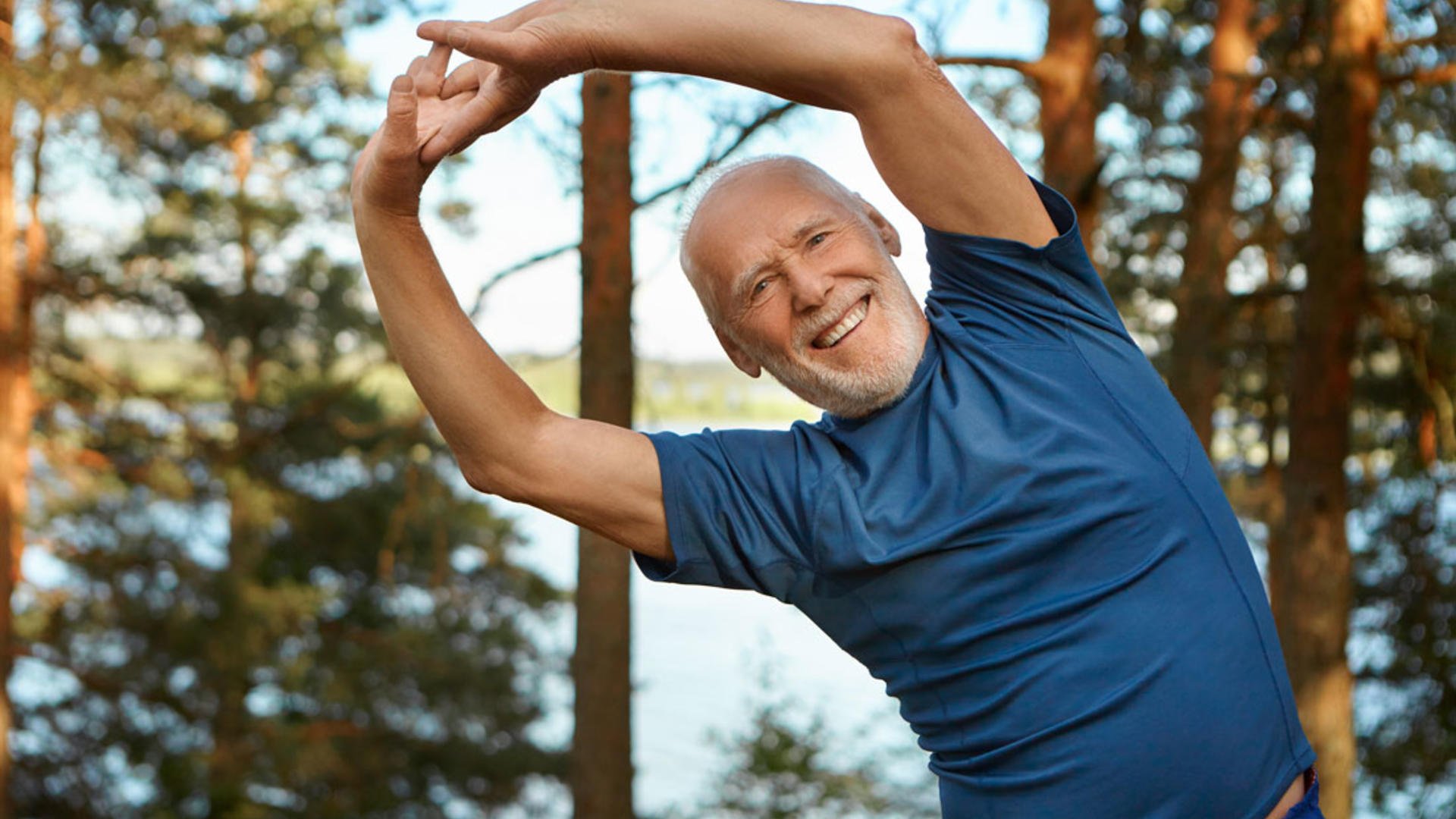
I remember visiting a neighbor who was well past 60 and somehow always seemed lighter on their feet than people half their age. There was no home gym in sight. No treadmill, no wall of weights, no expensive gear stacked in the corner. What I did notice was motion woven into everything, from watering plants to walking to the corner store to carrying laundry upstairs with steady ease.
That stayed with me because I had spent a long stretch believing fitness had to look formal. I thought it needed a schedule, a membership and some big burst of motivation. Then I started paying attention to the people who seemed strong in the most natural way. Their secret had a quiet feel to it. They kept moving on purpose, even when life looked ordinary.
Over time, I saw the same pattern in relatives, friends and older people at parks, markets and apartment buildings. They treated movement like part of daily living. They stretched while waiting for the kettle. They walked while thinking. They stood while talking. Their bodies stayed involved with the day.
Psychology helps explain why this works. Repeated actions shape identity and identity shapes behavior. When movement becomes part of how you see yourself, it asks for less debate and less pep talk. A PubMed study on adults ages 60 to 95 found day-level well-being benefits linked to both purposeful exercise and non-exercise daily activity, which supports the idea that everyday movement carries real value.
The good news is that these habits feel accessible. You do not need a dramatic life makeover to start. You need a handful of small choices that gently tell your brain and body, again and again, that movement belongs here.
1. They start the morning by moving
Years ago, I stayed with a family friend who had a simple morning ritual. Before breakfast, they opened the curtains, rolled their shoulders, reached for the ceiling and walked around the house for a few minutes. It looked almost too small to matter. By the end of the week, I could see how that tiny routine changed the tone of the whole day.
Morning movement works because it creates momentum. Your brain loves cues. When the first cue of the day involves standing, stretching, or walking, your body gets the message that energy is meant to flow.
I admit I used to begin the day by checking my phone and staying folded into the same sleepy posture far too long. That habit made me feel sluggish before the day had even started. A short walk to the mailbox or a few easy stretches near the bed helped me feel more awake and more willing to keep moving later.
This habit also builds confidence. Early action gives you a small win before the day gets noisy. That matters because people repeat behaviors that feel doable and rewarding.
You can keep this one beautifully simple. Stand up soon after waking. Reach, walk, tidy something small, or put on music and move for three minutes. Morning movement teaches your body to expect activity as part of normal life.
2. They walk for nearby errands
My friend once told me they started walking to pick up one or two groceries because it felt easier than finding parking. A week later, they did it again. Soon it became their default for short trips and without making a grand plan, they had added a steady stream of extra steps to their life.
Walking for errands gives movement a purpose. Purpose makes habits stick. When your walk ends with bread, toothpaste, or a library return, the action feels useful and useful habits often last longer than habits built on willpower alone.
I think that is part of why daily walking has such staying power. It does two jobs at once. It gets you where you need to go and it keeps your body engaged without demanding a special block of time.
There is also a mental benefit here. A short walk can clear mental clutter, lower tension and create a tiny pocket of independence. You are moving through your neighborhood with intention and that sense of agency can feel deeply energizing.
If a destination sits close enough for a comfortable walk, that choice adds up fast. One errand here, one pickup there and suddenly your week holds far more movement than you expected. Purposeful movement often hides inside practical tasks.
3. They take the stairs on autopilot
I remember following an older relative through a building with an elevator and a staircase side by side. They barely looked at the elevator. They turned toward the stairs with the ease of someone choosing the most obvious path in the world.
That moment taught me something important about fit people. They often remove the negotiation. When a choice becomes automatic, it stops draining mental energy. Psychology calls this reducing decision friction and it helps habits survive busy days.
Stairs ask a little more from the legs, lungs and balance systems than flat ground. Over time, that can support strength and confidence in everyday movement. You are practicing climbing every time life offers the chance.
There was a time when I treated stairs like a test I had to feel fully ready for. The people I admire most treat them like part of the landscape. One flight here and one flight there turns into a quiet kind of conditioning.
You do not need to turn every staircase into a mission. Just notice the opportunities. Taking the stairs once or twice a day can become a natural signal that your body is here to participate.
4. They stand up during phone calls
I’ll be honest, I picked up this habit by accident. I was on a long call, started pacing to stay focused and realized I felt less drained when I hung up. Since then, sitting through every call has felt strangely heavy.
Standing during phone calls is one of those habits that seems almost too easy. Still, easy habits have power because they slip into real life without much resistance. They do not need a special outfit or a blank square on the calendar.
This habit also pairs one behavior with another. Psychologists sometimes call that habit stacking. When the phone rings, your body gets a cue to rise. Over time, the cue and the action start to belong together.
I have seen this with older adults who never describe themselves as “working out.” They simply refuse to stay planted for things that can be done on their feet. They stand, pace, glance out the window and let the conversation happen while the body keeps softly moving.
Try this with one daily call and see how it feels. A few minutes of standing can wake up your posture and attention. Standing breaks are small, though they often change the whole rhythm of a day.
5. They turn chores into mini workouts
One of the fittest older people I know cleans with surprising enthusiasm. They squat to reach low shelves, stretch to dust high corners and carry baskets with a kind of cheerful determination. Watching them made me realize how much physical life can be tucked inside ordinary chores.
Household tasks involve bending, reaching, lifting, carrying and walking back and forth. Those are deeply functional movements. They support the kind of fitness that matters in daily life because they mirror what real living asks of the body.
I used to rush through chores with a heavy attitude, as if they were stealing time from the important parts of the day. Then I tried seeing them as chances to practice strength and mobility. The work felt less annoying and I finished with more energy than I expected.
This mindset shift matters. When you frame a task as useful movement, your brain often gives it more value. Value makes repetition easier and repetition is where habit power grows.
Vacuuming, gardening, mopping, changing sheets and tidying can all become functional fitness when you do them with steady effort and good awareness. The body does not care whether motion happens in a gym or in a hallway with a laundry basket.
Active chores also build pride. Your home gets attention and your body gets practice. That kind of double reward makes the habit easier to keep.
6. They carry their own bags when they can
My neighbor once waved off help with a few grocery bags and smiled in a way that made the choice feel calm rather than stubborn. They moved slowly, switched hands midway and set everything down with care once they got inside. It was such a simple scene, though it stayed in my mind.
Carrying your own bags, when it feels safe and manageable, is a form of everyday strength work. It trains grip, posture, arm endurance and balance. Those are the exact abilities that help people stay capable in ordinary life.
There is also a psychological piece here. Doing manageable tasks for yourself can support self-trust. You keep reminding yourself, in small ways, that your body can still contribute.
I have felt that myself with suitcases, shopping bags and even stacks of books. When I carry what I reasonably can, I feel more engaged with the task. There is a grounded satisfaction in using your own strength for real life.
The key word is “manageable.” Choose the load with care and move steadily. Everyday strength grows through repeated, practical effort more often than people think.
7. They add short walks after meals
I first noticed this habit after dinner with a family friend. Plates were cleared, the kitchen was calm and instead of sinking into the couch, they said, “Let’s go around the block.” The walk was short, easy and strangely refreshing.
After-meal walks work well because they attach movement to an event that already happens every day. Habit experts often point out that reliable cues help behaviors last. Meals are reliable for most people, which makes them a strong anchor.
These walks can also bring a gentle emotional reset. If the day has felt cramped or noisy, even ten minutes outside can create breathing room. You move, you look around and your thoughts loosen their grip a little.
I like this habit because it removes the pressure to do something big. A short walk after meals sounds friendly to the brain. That matters because your brain is far more willing to repeat a habit that feels light.
Many older adults who stay fit seem to understand this instinctively. They let movement visit often instead of demanding perfection. One little walk after lunch or dinner can become a beautiful piece of daily structure.
8. They keep a hobby that gets the body involved
There was a person in my building who spent weekends tending a small patch of flowers near the entrance. They crouched, stood, carried soil, clipped leaves and chatted with whoever passed by. I doubt they saw it as exercise. Still, it clearly kept them strong, steady and connected.
Hobbies matter because they pull attention away from effort and toward enjoyment. When you are dancing, gardening, walking the dog, playing with grandkids, or doing light home projects, movement feels tied to meaning. Meaning gives habits staying power.
I learned this the hard way after trying to force myself into forms of exercise I never liked. I kept quitting because every session felt like a battle. The moment I returned to activities that felt interesting and alive, consistency got much easier.
This is one reason active hobbies can be so powerful. They support movement while also feeding identity, pleasure and social life. A hobby gives your body a reason to show up.
Think about the activities that make you lose track of time in a good way. Those are often the ones worth protecting. Healthy aging habits tend to last when they feel woven into a life you actually enjoy.
And there is another benefit. Hobbies can keep movement emotionally warm. You are less likely to see activity as a chore when it comes wrapped in curiosity, beauty, or play.
9. They break up long stretches of sitting
I once spent an entire afternoon writing without standing up much and by evening I felt stiff in both body and mood. The strange part was how quickly that heaviness lifted once I started getting up every half hour. A lap around the room changed more than I expected.
Long stretches of sitting can make the body feel sluggish and disconnected. Breaking them up brings motion back into circulation. It also helps you stay aware of your posture, energy and comfort before stiffness builds.
Some of the most active older adults I know have a simple instinct for this. They rise to refill water. They walk to the window. They put one item away instead of letting it wait. Tiny interruptions keep sitting from turning into an all-day state.
From a behavior point of view, this works because the demand stays small. You are asking for one minute, maybe two. Low resistance habits often beat ambitious plans because they fit even on messy days.
If you spend a lot of time at a desk or on the couch, try creating little movement markers. Stand after a chapter, after an episode, or after each email batch. Breaking up sitting keeps your day from getting stuck in one shape.
10. They practice balance in small daily moments
Years ago, I watched an older relative slip one foot into a pant leg while standing tall and steady, with one hand lightly touching the dresser. It was such an ordinary moment. Even so, I remember thinking, that kind of balance does not appear out of nowhere.
Balance often grows through repeated tiny challenges. Standing on one leg for a moment while holding the counter, stepping carefully over clutter, or rising slowly from a chair all ask the body to coordinate. Those little rehearsals help keep the system awake.
I started paying more attention to this in my own life when I noticed how often I rushed through transitions. I would hop into shoes, twist to grab something and move without much awareness. Slowing down made me steadier and it made those ordinary movements feel more intentional.
Psychologically, balance practice builds confidence as much as skill. The body learns and the mind learns too. Repeated success in small tasks can reduce hesitation in bigger daily movements.
You can invite better balance into normal routines without making it feel formal. Pause before stepping, stand tall while getting dressed, or shift weight with care while brushing your teeth. These moments teach your body to organize itself well.
11. They stay active even on ordinary days
The biggest lesson I have learned from watching fit older adults is how normal their movement looks. They do not wait for the perfect weather, the perfect mood, or a perfect schedule. They let activity live inside plain days, quiet days and days that would never make anyone’s highlight reel.
I used to think fitness was built on intense bursts of discipline. Then I watched people who simply kept showing up for everyday motion. They walked the hallway, watered plants, carried groceries, visited neighbors on foot and tidied their homes with energy. Their consistency had a gentle feel, though it was incredibly strong.
This matters because behavior follows identity. When you see yourself as someone who moves, you keep finding ways to express that identity. The action may be small, still it keeps the pattern alive.
Ordinary days are where your real life happens. That is why consistent movement matters so much more than dramatic effort once in a while. A body stays ready by being used with kindness and regularity.
If you take one idea from all of this, let it be this one. Staying fit after 60 often looks like respecting the chances to move that already exist in front of you. Daily life can become your training ground, your rhythm and your quiet source of strength.