


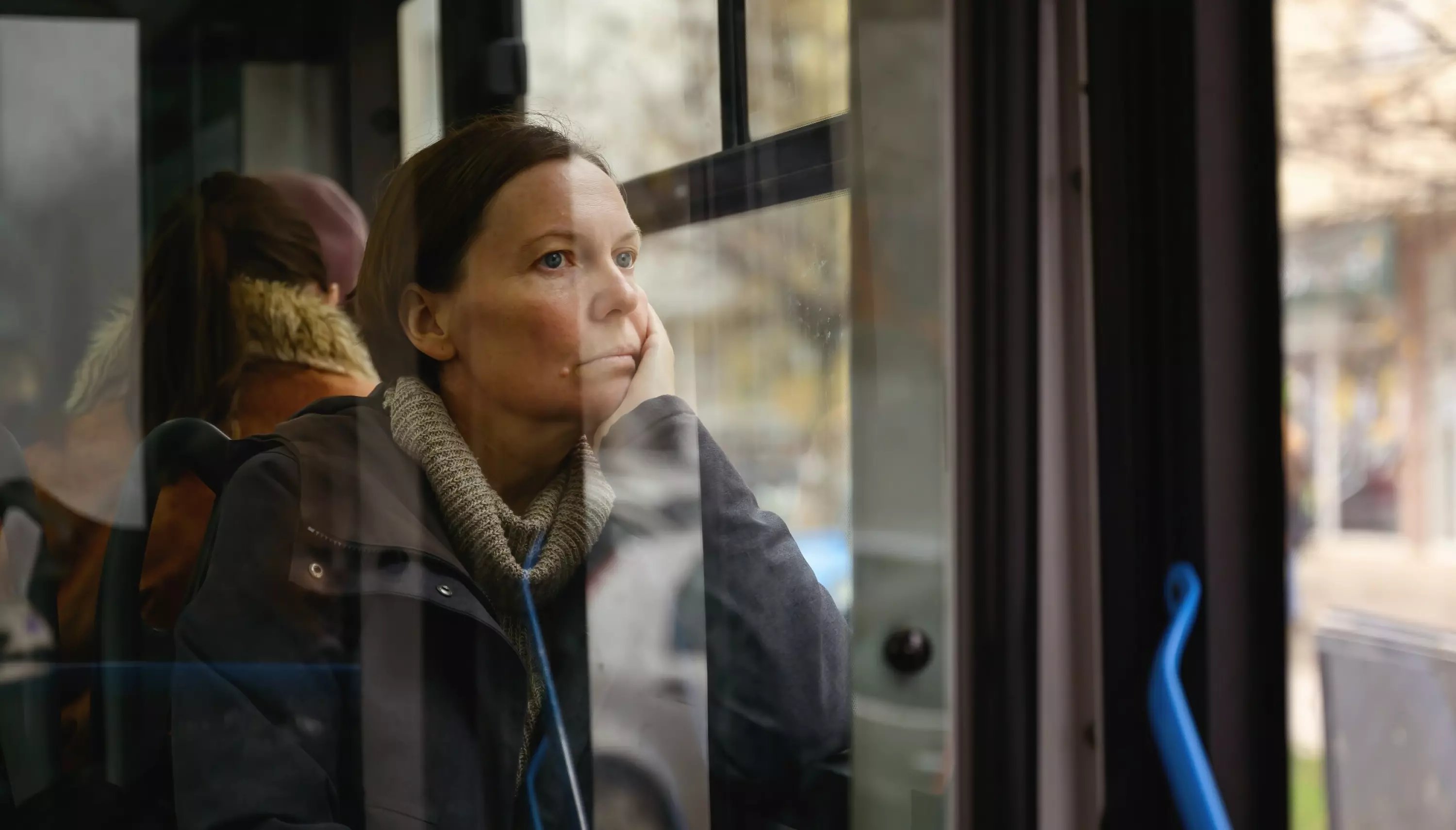
I remember standing on a crowded train with a tote bag that felt heavier by the minute. A seat opened up and I slid in with that tiny rush of relief you get when your feet finally stop aching. My bag landed next to me, like it belonged there.
A few stops later, the doors opened and a tired-looking person stepped on. They paused near my row, scanning for space. I looked up, saw them and still hesitated. It took me a beat longer than I’d like to admit.
When I finally moved my bag to my lap, they sat down with a quiet “thanks.” It wasn’t a big moment. Nobody clapped. The world didn’t change. But I felt my shoulders drop, like my body had been waiting for my brain to catch up with what I already knew.
Later that day, I caught myself replaying it. The part that stuck with me wasn’t guilt. It was curiosity. Why did making room feel like a small test of character, even when the action was simple?
I’ve watched this same scene play out in airports, coffee shops, waiting rooms and movie theaters. Some people notice early and shift over almost automatically. Others stare straight ahead like their eyes have a privacy setting.
Making room sounds basic, yet it points to a set of quiet skills. You can practice them anywhere, even on your most distracted day.
1. You Notice People Early
Years ago, I met a friend for lunch at a busy café. We grabbed a two-top near the window. The place filled fast and the chairs started scraping like a nervous soundtrack. My friend kept glancing up, tracking who needed a spot before they even asked.
I didn’t have that radar. I was focused on my menu and my phone. When someone hovered nearby, I noticed late. My friend had already shifted their bag and angled their chair, like they were quietly widening the room.
That early noticing often comes down to attention. Psychologists describe attention as a limited resource. Your brain can only hold so much in the foreground. When you train yourself to scan your surroundings, you catch small needs before they become awkward.
The thing is, noticing early feels kind to the other person and easier for you. You avoid the jump-scare moment when someone asks and you scramble. You also skip the mental math about whether you “have to” move. You saw them, so you simply adjusted.
Try a tiny experiment the next time you enter a shared space. Let your eyes sweep the room for two seconds. Look for strollers, canes, full hands, tired faces and people who pause like they are planning their next step. That quick scan builds a social awareness habit that shows up everywhere.
Sometimes I still miss the cue. When I do, I use it as a reminder to lift my head sooner. Your attention sets the tone for how generous your next choice becomes.
2. You Read the Room Fast
My neighbor once told me they play a little game in public. They try to guess the “energy” of a room within ten seconds. Busy. Quiet. Tense. Friendly. I laughed, then I realized I already do a version of that when I walk into a library or a packed bus.
One afternoon, I walked into a waiting room that felt sharp. People were sitting stiffly, eyes locked on their screens. I chose a seat with extra space beside it and kept my things close. I didn’t want to add friction to a place that already had plenty.
Reading the room fast is a kind of pattern recognition. You pick up on posture, pace and small signals like how quickly people apologize when they bump elbows. This skill helps you decide where to sit, how much space to take and how to move without turning the area into an obstacle course.
When you read the room well, you also protect your own nervous system. You can settle in without bracing for conflict. That is one reason quiet confidence can look like kindness. You act like there is enough room for everyone, because you’re paying attention to what the room needs.
Look for three clues: how close people stand, how much eye contact they make and how quickly they adjust their bodies for others. Those cues can guide your next move. You’ll start making space before anyone has to ask.
3. You Act With Everyday Empathy
I admit I used to think empathy had to feel big. I pictured heartfelt talks and dramatic moments. Then I watched someone offer their seat to a person holding a squirmy toddler and it looked almost casual. Their face stayed calm. Their body just moved.
A few weeks later, I found myself holding two grocery bags and a drink. I stepped onto a train and felt my arms burn. A stranger shifted over and patted the seat beside them, like they were saying, “Drop the load.” I could’ve cried from the relief.
Everyday empathy often shows up as practical help. You imagine, for one second, what the other person’s body feels like. You picture tired feet, a heavy backpack, a cramped elbow. That small mental step can create everyday empathy that turns into a simple action.
Sometimes empathy gets blocked by busyness. Your brain is managing schedules, money worries and a dozen background tasks. That is normal. A helpful trick is to tie empathy to a cue you already see. When you notice someone hovering, treat it like a signal to check your space.
Another way to build this skill is to practice in low-stakes moments. Hold a door. Step aside on the sidewalk. Slide your bag under your legs at the café. These tiny choices build a prosocial reflex that feels more natural over time.
When I make room now, I try to imagine the person’s day without inventing a whole story. A quick “they might be tired” is enough. Then my body moves and the moment stays light.
4. You Respect Shared Space
There was a time when I thought my little corner belonged to me once I claimed it. A seat, a spot at the counter, a patch of floor near an outlet. Then I traveled with a friend who treated public space like a community kitchen. Everything got put away quickly. Nothing was spread out.
At first, it felt almost strict. They’d sip coffee and still keep their bag tucked in. They’d charge a phone and coil the cord neatly. I asked why they were so careful and they shrugged like the answer was obvious.
Respecting shared space is a social contract. People relax when they can predict each other. When you keep your belongings close, you reduce the number of little negotiations others have to make. That creates shared space respect without any words.
In psychology terms, environments shape behavior. Cluttered spaces can feel competitive. Clear spaces can feel cooperative. When you minimize your footprint, you help the setting feel calmer for everyone, including you.
A practical rule I use is “one-seat living.” If I have one seat, my belongings live within that seat’s boundaries. My bag goes on my lap or between my feet. My coat stays folded. It sounds simple, yet it’s one of the fastest ways to signal civic kindness.
5. You Carry Calm Confidence
One evening, I watched a person in a crowded movie theater do something that impressed me. They arrived late, whispered “sorry,” and slid into their row with almost no disruption. They moved slowly, like they trusted there would be a path. People made space for them without rolling eyes.
I’ve also seen the opposite. Someone barges through with loud “excuse me” energy, shoulders first. The row tightens. Faces harden. The tension spreads, even though the problem started small.
Calm confidence shows up through body language. You move with steadiness. You keep your voice low. You use simple gestures that say you’re aware of others. That helps people feel safe around you, which makes them more likely to cooperate.
Sometimes calm confidence comes from preparing ahead. I try to keep my hands free when I can. I zip my bag before I stand up. I take one second to see where I’m going. Those tiny steps reduce chaos and they support calm body language.
If you want to practice, focus on pace. Walk a little slower in tight spaces. Pause before you turn. Let others pass. You’ll look grounded and you’ll feel more grounded too.
6. You Prevent Small Conflicts
Last month, I saw a near-argument on a bus that started with a backpack. One person kept it on the seat beside them. Another person stood over them with that silent stare people use when they feel pushed aside. The air got thick fast.
Before it escalated, a third person leaned over and said, “Hey, there’s room under the seat.” Their tone was friendly. Their words gave everyone a graceful exit. The backpack moved. The standing person sat. The moment dissolved.
Preventing small conflicts often means spotting the “friction points” early. Seats, armrests, lines, doorways and elevator corners. These spots invite confusion about whose turn it is and how much space each person gets. When you make room quickly, you lower the chance of embarrassment or resentment.
It also helps to use quick, polite language when you need space. Short phrases work well because they keep the mood light. “Mind if I slide by?” “Want to sit here?” “Go ahead.” Those words act like social oil.
I’ve learned that conflict prevention is a gift you give yourself too. Your day stays smoother. Your body stays calmer. You avoid carrying a tiny stressful moment for hours.
When I notice tension building, I try to become the person who offers an easy solution. I rarely regret it. The whole space feels more human afterward and that matters.
7. You Choose Community Over Convenience
A friend and I once shared a long bench at a crowded food court. We had space and we were spread out with trays and shopping bags. A family walked in, scanning for seats and I felt that familiar split-second debate in my head.
My friend stood up, gathered everything and made a neat stack at the end of the bench. Suddenly there were two spots. The family sat down with a wave of relief and the mood around us softened.
Choosing community over convenience is a mindset. You treat comfort as something you can share. You recognize that public life works best when people cooperate in small ways. These choices build community-minded choices that ripple outward.
This kind of generosity also shapes identity. When you practice small acts of consideration, you start seeing yourself as someone who helps. That self-image can guide your next decision when you are tired or distracted.
I try to remember that convenience can come back around. I’ve had strangers hold doors when my hands were full. I’ve had someone let me merge in traffic. Those moments land because they remind you that you’re part of a living system, not just a solo mission.
8. You Practice Kindness on Autopilot
It took me a long time to realize that the smoothest acts of kindness often happen before you can overthink them. You see someone. You shift your bag. You scoot over. Your body does it like tying your shoes.
One morning, I caught myself making room without even looking up. I had heard footsteps behind me and I stepped aside on the sidewalk. A runner passed with a quiet “thank you.” I kept walking and suddenly felt proud, in a gentle way.
Psychologists often use the word “habits” for behaviors that become automatic with repetition. When kindness becomes a habit, you spend less energy deciding. You also avoid the mental tug-of-war that can pop up when you feel protective of your space.
Research on prosocial behavior also points to benefits that go beyond manners. One preregistered experiment linked everyday helping to well-being and even explored biological aging markers. You can peek at the study summary if you like reading the details. For most of us, the takeaway feels simple. Your small choices can support everyday well-being.
When you want kindness to show up on autopilot, give yourself a few steady “rules.” Keep your bag on your lap when the seat next to you is needed. Stand to the side of doors. Leave a little gap in crowded lines. These tiny scripts build kindness habits that show up even on hard days.
I still have moments when I’m tired and I want to claim extra space. In those moments, I try to aim for one small win. I move the bag. I step aside. I make room. It’s a quiet practice and it adds up.