


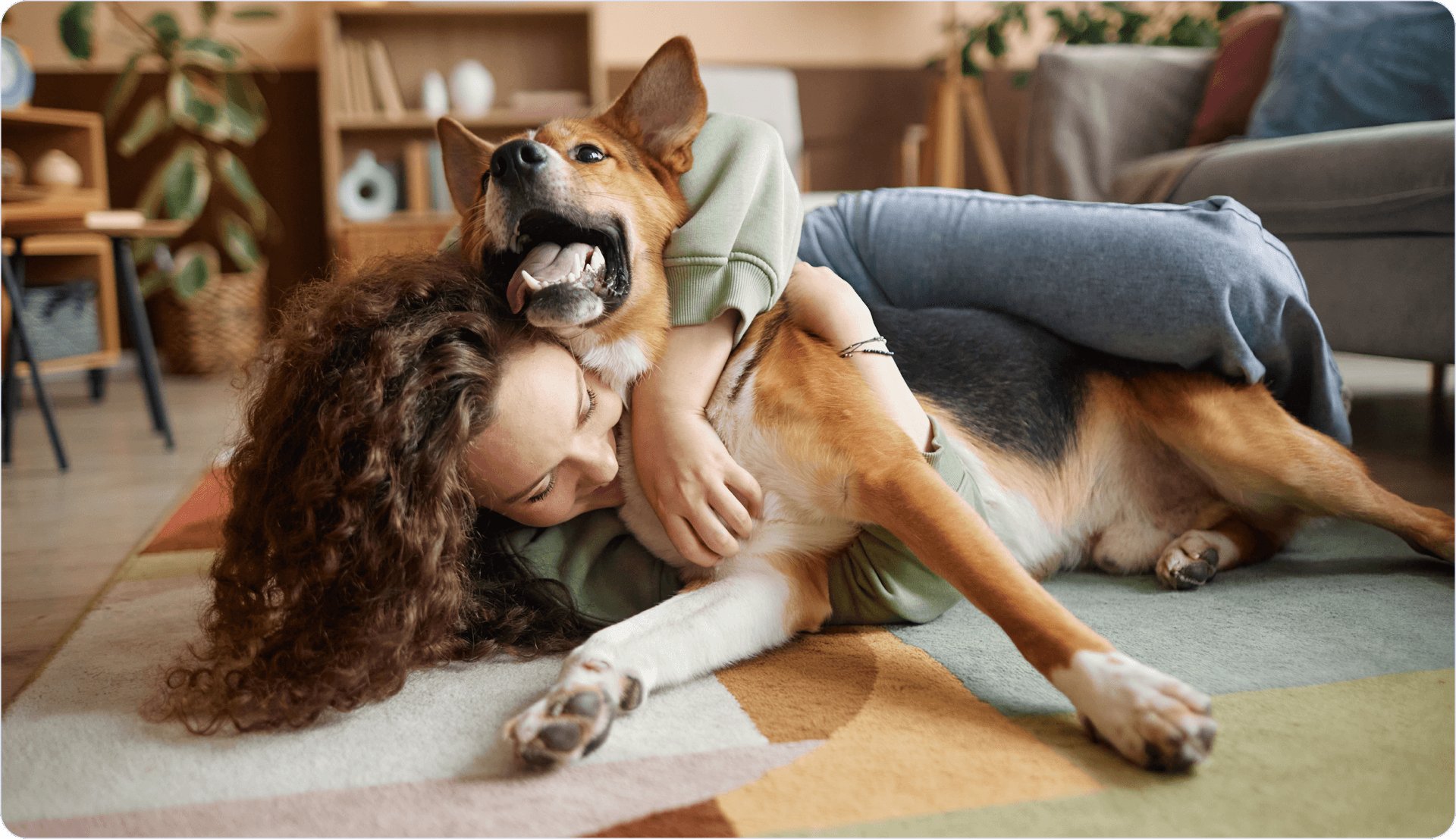
I remember standing in my kitchen one evening, half talking to a dog and half talking to myself, asking whether the rain had ruined our walk and whether dinner should come before the towel rub. The funny part was how natural it felt. I was using the same gentle tone I’d use with a close friend who had a long day and needed a little softness.
A few minutes later, I caught my reflection in the window and laughed. There I was, explaining the weather, the muddy paws and the plan for the rest of the night to a creature who was mostly focused on the food bowl. Still, something meaningful was happening in that tiny exchange. My voice slowed down. My body relaxed. The whole room felt calmer.
That moment stayed with me because so many people do this. You hear it at parks, in apartment hallways and through open car windows. Someone says, “You had a big day, didn’t you?” or “Tell me what happened here.” It sounds playful on the surface, yet it often reveals something deeper about the person speaking.
There’s also some research behind the instinct. A pet speech study adds to what many pet owners already sense, which is that animals respond to the way we speak to them. Tone, rhythm and attention matter. When you talk to a pet like they’re part of the conversation, you may also be revealing habits of care, focus and emotional openness in yourself.
The thing is, talking to pets can shine a light on your personality in surprisingly honest ways. It can show how you connect, how you soothe and how you make room for warmth in ordinary moments. Here are nine traits that often show up in people who chat with their pets as if every word is landing.
1. They Lead With Warmth
I once visited a friend who greeted their cat before greeting me. For one split second, I felt amused. Then I noticed the tone, soft voice, relaxed shoulders and full attention. The same warmth that went to the cat came my way a moment later and the whole room felt easy.
People who talk to pets this way often have a warm first instinct. They tend to meet living beings with softness before judgment. That matters in everyday life. Warmth helps other people feel safer, more seen and more willing to open up.
Sometimes you can spot this trait in tiny behaviors. They crouch down to say hello. They notice if the pet seems tired or excited. They speak with patience even when they are rushing. Those habits often carry into friendships, family life and work relationships too.
I admit I used to think warmth was just a personality style, like being naturally sweet. Over time, I saw it as a practice. Some people choose gentleness over and over, even on busy days. Talking kindly to a pet is one small place where that choice becomes visible.
There’s a practical side to this trait as well. Warm people often lower tension in a room without trying hard. A calm voice can settle a jumpy dog and it can settle a stressed human too. That kind of emotional climate setting is a quiet strength.
2. They Pick Up Tiny Cues
Years ago, I watched someone pause mid sentence because their dog had tilted its head and stepped back half an inch. Most people would have missed it. This person noticed right away and changed their tone. Within seconds, the dog relaxed.
That’s a sign of sharp emotional observation. People who talk to pets like attentive listeners often notice tiny shifts in body language, energy and mood. They read the room through posture, eyes, movement and timing. With pets, those signals matter because words are only one small part of communication.
In human relationships, this trait can be incredibly helpful. It helps you sense when someone is uneasy, distracted, or ready to connect. You may hear a strained “I’m fine” and also catch the tight jaw, the shorter answers, or the sudden silence. That awareness often leads to kinder responses.
My neighbor has this quality in a way that still impresses me. He can tell when his old dog wants company, when she wants space and when she simply wants to sit near him. Watching them together feels like watching a conversation that barely needs words.
People with this trait often trust what they observe. They do not rush past subtle signals. They pause, adjust and stay curious. In a loud world, that ability to notice the small stuff can feel almost rare.
3. They Have a Playful Streak
I remember hearing someone tell their dog, in full dramatic voice, that the squirrel situation had become a matter of national importance. The dog looked thrilled. Everyone nearby smiled. The whole scene had a little spark in it.
Playfulness is one of the sweetest traits behind pet talk. When you narrate your pet’s thoughts or answer their stare with a silly question, you are bringing lightness into daily life. That lightness can ease stress and make routine moments feel alive again.
Psychologically, playfulness supports flexibility. It helps you shift perspective and loosen the grip of tension. People who joke with their pets often know how to make space for delight, even on ordinary afternoons. That habit can support resilience because joy breaks up mental heaviness.
There was a week when everything in my life felt overly serious. Bills, deadlines, messages, the whole stack. Then I found myself asking a pet whether the dramatic flop on the rug was a protest or a performance. I laughed out loud and the mood in me changed almost instantly.
Playful people also tend to invite connection. Their energy says, “Come closer, this moment can hold some fun.” Pets respond to that. So do children, friends and even strangers. A playful streak often makes someone feel more approachable.
And no, playfulness does not mean shallow. It often shows emotional roominess. It means you can carry responsibility and still leave space for a goofy voice, a made-up conversation, or a tiny burst of absurd joy.
4. They Feel Deeply
My friend once told me that when she talks to her cat after a hard day, she hears her own feelings more clearly. I knew exactly what she meant. Sometimes a pet becomes the easiest place to be honest because the room feels free of pressure.
People who speak to pets as if they truly understand often have deep emotional currents. They feel tenderness, worry, relief and affection strongly. Their words to a pet can become a safe channel for feelings that are harder to say elsewhere.
This trait can look like sensitivity. You notice suffering quickly. You care when a creature seems lonely or scared. You may even feel moved by everyday moments that others would rush past, like an old dog waiting by the door or a cat following someone from room to room.
It took me a long time to realize that emotional depth has many expressions. Some people cry easily. Others grow very quiet. Others talk to pets with a softness that reveals how much love they carry. The form varies, yet the feeling underneath is often rich and genuine.
That depth can be beautiful, though it also needs balance. Sensitive people absorb a lot from their environment. They benefit from routines, rest and people who speak kindly. Pets often become part of that support system because the bond feels steady and sincere.
5. They Give Attention Freely
I once sat with a family member who was in the middle of a busy day. Phone buzzing, laundry half folded, dinner still unfinished. Yet when the dog wandered over with that expectant look, everything paused for thirty seconds. There was eye contact, a few warm words and a full moment of presence.
That ability reflects generous attention. People who talk to pets often give their focus in a wholehearted way. They are willing to stop and connect. In a culture where everyone is multitasking, that can be a remarkable trait.
Attention is one of the clearest forms of care. When you offer it freely, others feel it. Pets certainly do. They respond to the sound of your voice, the direction of your body and whether your mind seems truly with them. Humans respond the same way.
Sometimes this trait shows up as responsiveness. They answer the little meow. They notice the paw on the knee. They hear the scratch at the door. Those micro responses tell a pet and often the people around them, “You matter enough for me to turn toward you.”
I’ve had seasons when my attention was scattered in ten directions. During those times, a pet’s steady gaze felt almost instructional. It reminded me that connection often begins with one simple act, which is to be here for a moment and really be here.
People who give attention freely often create strong relationships because they make others feel chosen. That quality tends to linger long after the conversation ends.
6. They Find Comfort in Routine
There was a time when my days felt messy from top to bottom. Meals happened late. Messages piled up. Sleep was uneven. Oddly enough, the pet in the house became the anchor. Morning greetings, walk time, feeding time, evening check-in, the rhythm pulled the day into shape.
People who talk to pets often enjoy small daily rituals. They say the same cheerful line before breakfast. They announce bedtime. They narrate the walk. These repeated moments create predictability and predictability can feel deeply comforting.
Routine supports emotional steadiness. It gives the day a structure your mind can lean on. Pets thrive on familiar patterns and many humans do too. When someone naturally builds these rituals around a pet, it can suggest they value stability and calm.
I’ve seen this in people who are otherwise very spontaneous. They may forget their own lunch, yet the pet’s dinner arrives on time with a little speech attached. That says something important. The routine becomes an expression of care and responsibility.
Another piece of this is sensory comfort. Familiar phrases, familiar timing, familiar sounds, all of it helps create a settled atmosphere. A home with these rituals often feels softer and more grounded.
In practical terms, routine can also support healthier relationships. It encourages consistency. Pets trust it. People trust it too. When your actions line up over time, your care feels reliable.
7. They Show Affection Easily
I remember visiting someone whose dog climbed onto the couch and got an immediate stream of praise, nicknames and forehead kisses. It was sweet and strangely moving. Some people let affection flow without making it complicated.
That’s a real trait. People who talk to pets with loving, expressive language often have open affection. They say the caring thing out loud. They touch gently. They communicate fondness in ways that feel natural rather than guarded.
Affection matters because it strengthens bonds. It helps living beings feel secure. With pets, the signals are simple and direct. Soft tone, friendly touch, welcoming posture. In human life, those same habits often make someone easier to trust and easier to love.
But boy, was I wrong when I once assumed affectionate people had easy emotional lives. Many of them learned the value of tenderness because life showed them how much it matters. They know warmth can change the mood of a day. So they offer it freely when they can.
Sometimes affection also reflects courage. It takes a certain openness to care visibly. You risk looking sentimental. You risk being fully seen. People who coo at their pets in public usually crossed that bridge a while ago and they seem happier for it.
8. They Have a Lively Imagination
One afternoon I heard someone ask their cat whether today’s meeting had been exhausting, then answer in a dramatic voice from the cat’s point of view. The scene lasted maybe twenty seconds. It was charming because it turned a regular room into a tiny story.
People who do this often have a lively inner world. They imagine feelings, motives and little narratives. They bring color to plain moments. That kind of imagination can support creativity, empathy and problem solving.
When you imagine what a pet might be “saying,” you practice perspective taking. You stretch beyond your own immediate viewpoint. Of course, pets are animals with their own ways of communicating, yet the imaginative act still encourages curiosity about another mind.
I love this trait because it keeps life from going flat. A rainy day becomes a dramatic weather report for the dog. A delayed dinner becomes a formal complaint from the cat. Those playful interpretations can soften frustration and make space for humor.
There’s also an emotional benefit here. Imagination helps people process experience. It gives shape to feelings that are hard to pin down. Sometimes a silly made-up conversation with a pet says something true about your mood, your hopes, or the comfort you’re craving.
And in relationships, imaginative people often bring freshness. They notice symbols, tell stories well and spot emotional meaning in small scenes. That can make life around them feel richer.
9. They Treat Connection as Part of Daily Life
Years ago, I stayed with someone who talked to every living creature in the house. The dog got a greeting, the cat got a weather update, even the plants got a quick comment while being watered. At first it seemed quirky. By the end of the visit, it felt wise.
Some people move through the day looking for chances to connect. They do not wait for grand heart-to-heart moments. They build closeness through small check-ins, warm words and repeated signs of presence. Talking to a pet fits naturally into that style of living.
This may be the biggest trait of all, a belief in everyday connection. People like this understand that relationships are built in ordinary moments. A hello at the door. A comment during breakfast. A playful question during a walk. These moments seem small, yet they shape the emotional tone of a life.
I’ve come to admire this more as the years pass. Big gestures are memorable, sure. Daily connection is what keeps bonds alive. Pets respond to that rhythm beautifully and humans usually do too.
One reason this matters is that connection supports well-being. Feeling linked to others can ease loneliness and create steadiness. When someone naturally reaches toward a pet with words, attention and warmth, they are often practicing a skill that supports many kinds of healthy relationships.
In the end, people who talk to their pets like they understand every word are often showing you something lovely about themselves. They are revealing emotional openness, gentle awareness and a willingness to make room for affection in the middle of everyday life. That kind of person tends to leave both animals and humans feeling a little more at home.