



You do not plan to grow older without close family. It often happens slowly. A move to a new city, a breakup, relatives who stay busy with their own lives. One day you look around and realize there is no obvious person to call if everything falls apart.
That realization can sting. At first it may feel like failure or bad luck. You see friends leaning on siblings, adult children, or cousins and you wonder what will happen to you in ten or twenty years.
Then something interesting happens. You start to adapt.
Instead of waiting for someone to rescue you, you begin to build skills that many people never have to learn. You organize your life differently. You notice small strengths that you used to ignore. Over time, these strengths turn into quiet, powerful traits.
Researchers have found that social isolation can harm health, but they also see that some older adults develop strong resilience and creative coping habits. A large long-term study on older adults even shows that loneliness and connection influence how we age, which is exactly why the survival traits you are building matter so much.
If you do not have no close family to lean on, you are not doomed. You are learning a different way to live, one solid skill at a time.
1. You learn to be your own emotional anchor

When there is no parent, partner, or sibling to call first, you learn to turn inward. You start to become your own emotional anchor. This does not mean you never feel sad or scared. It means you develop ways to calm yourself enough to get through the moment.
On tough evenings you might make tea, put on a familiar show and talk gently to yourself in your head. You remind yourself that you have survived hard days before. Over time these small actions teach your nervous system that you can ride out big feelings.
Sometimes you do this in writing. You open a notebook or a notes app and pour out whatever is swirling in your mind. Seeing your thoughts on a page can make them feel less heavy. It is like being both the person who shares and the friend who listens.
Little by little you build your own emotional toolkit. Maybe it includes breathing exercises you learned from a video, a playlist that always settles you, or a short walk around the block to reset your body. None of this replaces human connection, but it gives you real control in the middle of a storm.
Most of all, you stop judging yourself for needing comfort. You learn to treat yourself with the same kindness you would offer someone you love. That shift is huge. It can carry you through grief, stress and everyday frustrations without waiting for someone else to make it all better.
2. You build a chosen family on purpose

When your family of origin cannot be there, you start to see relationships differently. You realize that friends, neighbors and community members can become a kind of chosen family. They may not share your last name, but they share your life.
Instead of leaving connection up to chance, you get intentional. You say yes to the coworker who invites you for coffee. You join the book club at the library or the walking group at the park. You learn to follow up with people you like, instead of waiting for them to reach out first.
Over time, patterns form. Maybe you have a Sunday video call with a friend across the country. Maybe you and a neighbor trade dinners once a week. These small rituals create a sense of belonging and mutual care that looks a lot like what many people get from relatives.
There is another benefit too. Because you build this network yourself, it tends to be wide and diverse. One friend might be great in a crisis. Another is the person you text funny memes to. A third is the one who will help you move a couch. No single person has to be everything for you and you do not have to be everything for them.
Sometimes you will still wish you had more family support. That is human. But you can look around your life and see real faces, real names and real relationships that you showed up for and that now show up for you in return.
That is not second best. That is a powerful, chosen community that you built with care.
3. You become fiercely practical and resourceful
Without a built in support system, you often become more practical and resourceful than people expect. You know that no one else is going to magically handle your bills, your appointments, or your repairs, so you figure things out.
At first this can feel overwhelming. You might stare at a confusing form or a medical bill and want to cry. Yet you still pick up the phone, ask questions and take notes. The next time something similar happens, it feels a little less scary, because you have done it before.
You also get good at using what is available. Community centers, senior centers, tenant groups, free legal clinics, online forums, tutorials and how to videos become part of your toolbox. You learn which services are worth it and which are not. You read reviews. You compare prices. You stretch what you have.
In daily life this shows up in simple ways. You may batch cook to save money and effort. You keep an organized folder of important documents so you can find them fast. You set reminders for renewals and deadlines. None of this looks dramatic, but it keeps your life steady.
More importantly, this practicality gives you quiet confidence. When something new pops up, your first thought is not “I cannot handle this.” Your first thought is “I will need some time, but I can figure this out.” That mindset is a survival trait all on its own.
4. You get comfortable asking for help early
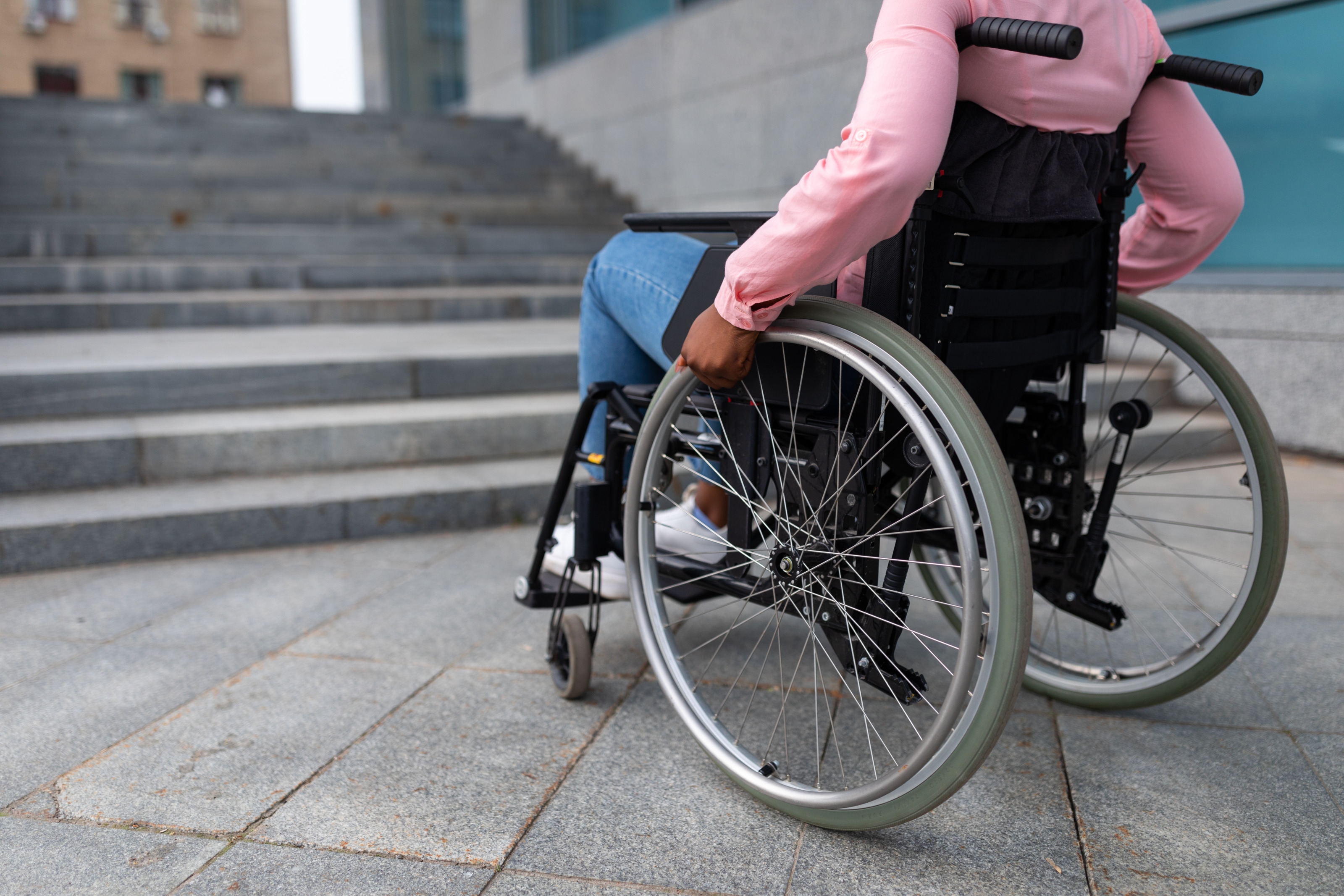
Many people wait until a crisis to reach out. You learn that this strategy does not work well when you lack a built in support network. So you start to ask for help before things become urgent.
For example, instead of waiting until you are completely burned out, you might tell a friend, “This week is heavy for me, can we schedule a call?” Or instead of ignoring a leaky faucet until the damage spreads, you ask your neighbor if they know a good plumber while it is still a small job.
At first, asking can feel awkward. You may worry that you are a burden. Over time you notice something important. Most people like to feel useful. They are often relieved when you are clear and specific. “Could you drive me to this appointment?” is easier to respond to than “I am fine, do not worry about it.”
You also learn to trade support in a way that feels fair. Maybe someone helps you with a ride and you watch their pet when they travel. Maybe a friend helps you understand a contract and you bring them a home cooked meal. It is not about keeping score, it is about mutual care.
Interestingly, this habit can make your relationships stronger. People trust you more when they see you being honest about your limits. They also feel safer coming to you when they need something. The result is a web of small, real favors that hold everyone up a little higher.
By asking early instead of waiting until you are desperate, you protect your future self. You catch problems when they are still small and you remind yourself that you do not have to prove your independence by suffering in silence.
5. You turn routines into a safety net
When you do not have family around as a backup, habits become a quiet form of protection. You start to see routines as a safety net. They keep your life moving even when your mood or energy dips.
For instance, you might have a simple morning routine. You stretch, drink water, check in with your calendar and send one message to someone in your circle. None of these actions take long, yet they help your body, your plans and your connections stay in motion.
You may also build weekly systems. Maybe Monday is for bills and paperwork. Wednesday is for errands. Friday is for something social, even if it is just a quick chat with a barista who knows your name. These patterns reduce the mental load of deciding everything from scratch.
Sometimes routines cover safety too. You set a rule that you always charge your phone at night. You keep a basic emergency bag by the door. You let a trusted person know when you have a big appointment coming up and send them a quick update afterward.
To other people, these habits can look boring. To you, they feel like a soft net under the tightrope of daily life. If something knocks you off balance, you have built in steps that help you climb back up.
6. You protect your energy with strong boundaries
When you live without close family, you become very aware of your own limits. Your time, money and emotional energy are not endless. So you learn to protect your energy with strong boundaries.
At first, you might say yes to every request, because you want to be liked and needed. After a few exhausting weeks, you notice that this leaves you drained and sometimes resentful. That is when you start to practice small no statements.
For example, you might say, “I cannot do that this week, but I can help next month,” or “I am not able to lend money, though I can help you look for resources.” These sentences are short, clear and kind. They leave less room for guilt or confusion.
Boundaries also show up in who you spend time with. You begin to spot one sided relationships faster. If someone only calls when they want something, does not listen to you, or often puts you down, you step back. You choose to put your limited energy into people who care about your well being too.
Online, you adjust your boundaries as well. You may mute group chats that leave you upset, unfollow accounts that trigger comparison, or set limits on how late you answer messages. It is your right to decide what gets your attention.
The more you practice, the more natural it feels. Instead of seeing boundaries as selfish, you see them as a form of self respect. They allow you to keep showing up for your life, instead of getting pulled into every storm around you.
7. You stay curious and keep learning new skills

When there is no younger relative to fix your phone or older relative to guide your paperwork, you have a choice. You can give up, or you can stay curious and keep learning. Many people in your position choose learning.
This might mean taking a free class at the library, watching step by step tutorials, or asking patient friends to walk you through a new app or device. You accept that you will feel clumsy at first. You also accept that this is normal when you are learning something new.
Curiosity does not have to be about technology either. You might learn to cook different meals for one, pick up a new language, explore creative hobbies, or read more about finances and housing. Every new skill gives you a little more control over your own life.
There is also a mental health benefit. Studies suggest that learning and novelty help keep the brain active as we age. You do not have to become an expert. Simply staying interested in the world around you can boost your sense of purpose and confidence.
Over time, your identity shifts. You stop thinking of yourself as “bad with money” or “hopeless with technology.” You start thinking of yourself as someone who can figure things out, even if it takes a bit longer than it used to.
8. You make peace with change and uncertainty
Without a strong family safety net, life can feel more uncertain. Housing, health, income and social support may all change over time. Because you cannot control everything, you learn to make peace with change more than many people do.
At first, each shift can feel like a disaster. A roommate moves out, a job ends, a neighbor who helped you moves away. Over time, you notice a pattern. After each loss, you eventually find a new arrangement. It is not the same, but it is often workable.
So you begin to plan with flexibility in mind. Instead of assuming one plan will last forever, you think in layers. You might have a main plan, a backup and a “if everything changes” option. For housing, that could mean knowing local resources and cheaper neighborhoods. For money, it might mean keeping even a tiny emergency fund.
Emotionally, you give yourself permission to grieve when things shift. You do not need to be positive all the time. You can acknowledge that something is hard and still believe in your ability to adapt.
Most people do not see this inner work. They see you change course and think you are strong or lucky. Inside, you know it is a mix of both, shaped by every uncertain season you have already survived.
9. You find meaning in giving back to others
When you do not have many relatives to care for, you might assume your life will feel empty. In reality, many people in your position find deep meaning in giving back to others in different ways.
This could look like volunteering at a community garden, mentoring younger coworkers, or listening to a neighbor who lives alone. It could be as simple as checking in on someone by text or leaving a kind review for a local business that treats you well.
As you share your time and experience, you notice something. Your life feels bigger. You are not just someone without family support. You are someone who makes a real difference in other people’s days, sometimes in ways they never forget.
Giving back can also strengthen your own safety net. People tend to remember kindness. You may not do it for that reason, yet over time, acts of care often come back around. Someone you once helped might offer you a ride, a tip about a resource, or simply a sense of being seen.
Most of all, helping others reminds you that your story is still unfolding. You are not only surviving. You are contributing, even in small, ordinary moments, to a world where more people feel less alone.