


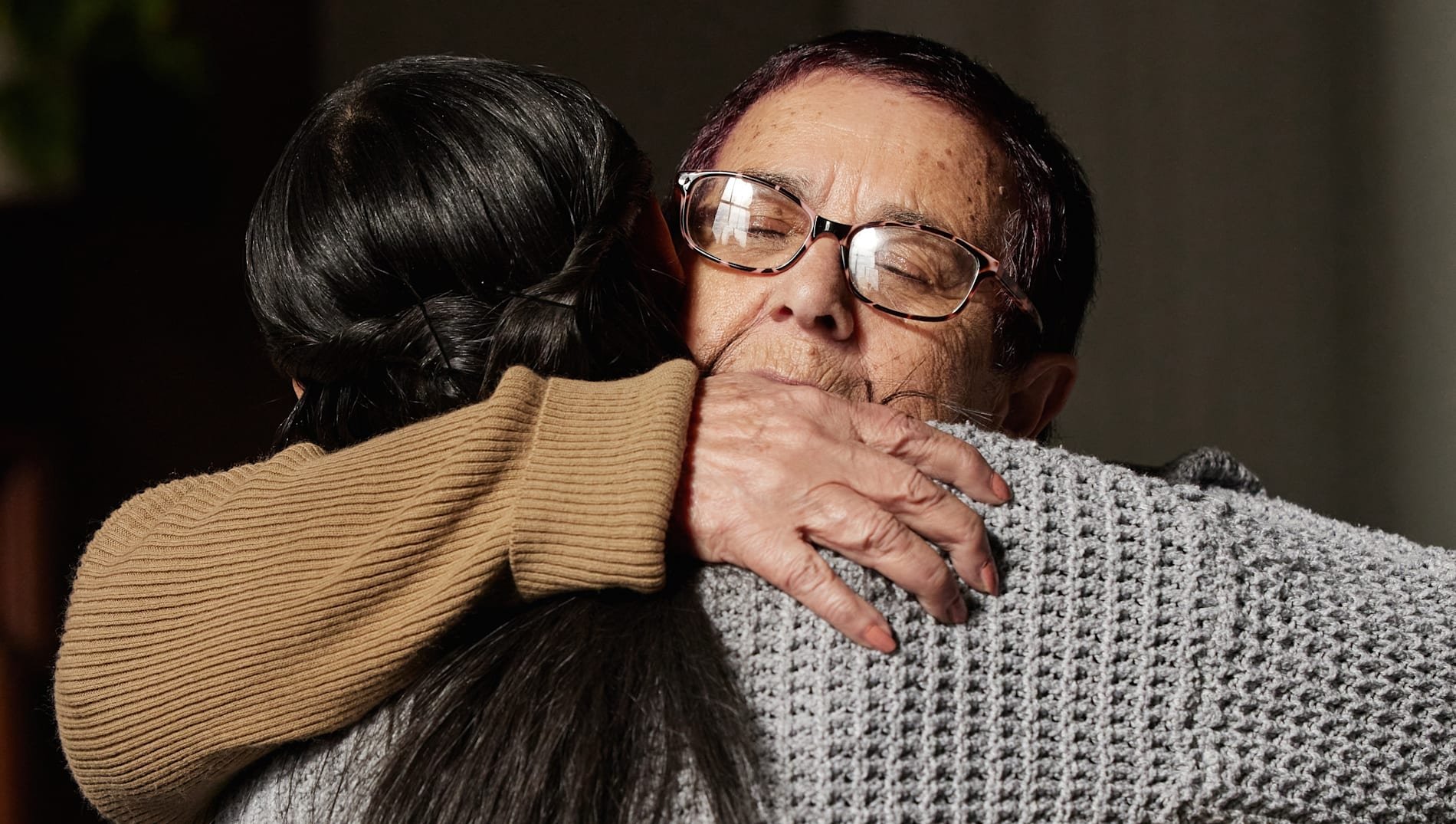
I used to think closeness was something you earned by being useful. If I helped enough, showed up enough, fixed enough, then the people I loved would stay near. It was my quiet math problem, love plus effort equals closeness.
Then I watched a friend call their mom on a random Tuesday. No crisis. No update. They just wanted to tell her about a sandwich they ate and a tiny win at work. When they hung up, they looked lighter, like their body remembered it was allowed to exhale.
That moment poked at something sore in me. My own family calls had started to feel like meetings. I’d mentally collect “agenda items” before I dialed, as if silence meant failure. I didn’t realize how often I brought a problem-solving energy into conversations that needed plain, warm presence.
I also carried an old fear that distance equals rejection. If someone took longer to reply, I filled in the blank with a story about disappointment. I’d push a little harder, check in one more time, offer one more suggestion. I thought I was being caring. I see now how quickly care can turn into pressure.
Over the years, I’ve noticed something that calms me down. The parents who stay close with their adult kids tend to do a handful of small things consistently. These behaviors feel ordinary on the surface. They also create a steady emotional climate where grown kids keep coming back because it feels good to be there.
If you’re a parent, or you love someone who is, you might recognize yourself in parts of this. I do too. I’ve tried some of these behaviors, messed them up, tried again and felt the difference in my own relationships.
1. They Lead With Warmth
I learned the power of warmth from a mistake I made in a grocery store parking lot. A younger relative told me they were switching jobs. My first response was a fast scan for risk, money and “what ifs.” I meant well. They got quiet in a way that said, “I’m about to regret telling you.”
Later, I replayed the moment and realized I skipped the simplest step. I didn’t celebrate their courage. I didn’t let my face soften. I didn’t give them the emotional landing pad they were reaching for.
Warmth first looks like a tone that says, “I’m glad you’re here.” It’s a smile that shows up even when you feel tired. It’s a voice that lifts a little when you hear their name. Grown kids are busy and their energy is precious. Warmth makes your connection feel like a recharge.
When you lead with warmth, you also send a message about safety. You communicate that the relationship can handle growth, change and messy chapters. I’ve noticed people share more when they expect kindness before critique.
Try picturing the first 30 seconds of your next call or visit. What do you want your adult child to feel in their body right away? I aim for you matter to me. If I have concerns, I can bring them up later. Warmth sets the stage for everything else.
2. They Respect Adult Boundaries
I used to confuse access with closeness. If someone loved you, they should pick up, answer quickly and tell you everything. That belief made me “helpful” in ways that were really about soothing my own anxiety.
One time I sent a string of texts to someone I cared about, each one more “friendly” than the last. I asked if they were okay. I offered ideas. I added a joke. They replied hours later with a short message that basically said they needed space. My stomach dropped and I realized my care had started to feel like a leash.
Parents who stay close with their adult kids tend to treat boundaries like a form of respect. They ask about preferred call times. They don’t push for private details. They accept that adulthood includes privacy, even with people you love deeply.
Here’s what has helped me. I try to name my need without making it someone else’s job to fix. If I’m feeling disconnected, I might say, “I miss you and I’d love a call this weekend if you’re up for it.” That gives a clear request with room for choice, which supports healthy boundaries.
Also, boundaries change. A new job, a new city, a new baby, or a hard season can shrink someone’s capacity. Respecting boundaries means you adapt without keeping score. I’ve found that when people feel free, they come closer on their own.
3. They Apologize Clearly and Quickly
I grew up around apologies that came with explanations. They were long. They were detailed. They often ended with someone else feeling like they had to comfort the person who caused the hurt.
As an adult, I caught myself doing a softer version of the same thing. I’d say sorry, then I’d defend my intentions. I’d talk fast. I’d try to “fix” the discomfort by filling the air with reasons. The other person would nod and the distance would stay.
A clean apology is simple. It names the impact. It takes responsibility. It offers a next step. I’ve practiced saying, “I spoke sharply. That likely felt dismissive. I’m sorry. Next time I’ll pause before I respond.” When I say it like that, something unclenches in the room.
Parents who keep strong bonds often use repair after conflict as a normal part of love. They don’t wait months for the tension to disappear. They reach out, even if it feels awkward. They prioritize the relationship over pride.
Something else matters here. Timing. If your adult child needs a day to cool off, you can still send a short message that says you care and you’re ready to talk. Quick doesn’t mean rushed. It means you don’t let resentment harden.
I also had to learn to accept apologies, which surprised me. When I stopped punishing people with distance, the relationship got warmer. Apologies work best when they are met with openness and clear boundaries.
4. They Ask Curious Questions, Then Listen
I’m a natural advice-giver. If you tell me you’re stressed, my brain starts building a five-step plan. I’ve handed out solutions like party favors, then wondered why people stopped telling me things.
A turning point came during a long drive with someone I love. They started talking about a friendship that was falling apart. I jumped in with, “Here’s what you should say.” They went quiet. After a minute they said, “I just wanted you to hear me.” That sentence still rings in my ears.
Curiosity keeps the door open. Parents who stay close often ask questions that feel spacious. “How are you holding up this week?” “What part has been the hardest?” “What do you want to do next?” Then they give silence enough time to do its job.
Listening also includes your face, your posture and your phone staying out of sight. I’ve been on the receiving end of half-listening and it stings more than people realize. When someone offers you full attention, it feels like a gift.
If you want a simple framework, think of curious listening as three moves. Ask one open question. Reflect one feeling. Ask what support would help. That last step matters because grown kids often want understanding more than solutions.
When you listen this way, you earn trust. Trust turns into the kind of closeness where adult kids call you on a Tuesday about a sandwich and a tiny win.
5. They Offer Help With Consent
I have a reflex to jump in. If I see someone struggling, I start doing, fixing, arranging and organizing. It makes me feel loving. It also makes me feel needed, which is a tricky ingredient.
I learned this lesson the hard way during a family visit. I started cleaning up and “improving” things. I rearranged a few items, then pointed out a problem I could solve. I thought I was being supportive. The mood shifted and I could tell I had stepped into their space like it belonged to me.
Parents who stay close tend to ask before they help. They say, “Do you want ideas, or do you want me to listen?” They say, “Would it help if I watched the kids Saturday?” They say, “I can contribute financially if you want and it’s also okay if you don’t.” That approach supports adult autonomy.
Consent-based help also protects dignity. When someone chooses support, they keep ownership of their life. That’s especially important when adult kids are building careers, relationships and homes. Support feels best when it comes with respect.
I try to keep my offers specific and light. One concrete option. One clear timeframe. Then I wait. If the answer is no, I practice staying warm. I remind myself that closeness grows from trust and trust grows when people feel free to decide.
There’s also a beautiful side effect. When you stop pushing help, your adult child may ask for it more often. The request comes with clarity and gratitude and you get to show up in a way that truly lands.
6. They Let Traditions Evolve
I used to cling to traditions like they were proof that love was still intact. Same holiday menu. Same roles. Same jokes. Same seating. If anything changed, I felt an odd grief, like something was being taken from me.
Then I went to a gathering where the “usual” plans fell apart. People had different work schedules. Someone had dietary needs. Someone brought a partner who felt shy around the family’s fast humor. The host adjusted everything calmly. The whole day felt easier.
That’s when I started seeing flexibility as a form of love. Parents who stay close often treat traditions like living things. They keep the heart of the ritual and they let the shape change over time.
If your adult child lives far away, the “big day” might move to a different weekend. If they have a partner, you might blend celebrations. If they have kids, the gathering might get shorter, louder and earlier. When you respond with flexible traditions, you make the family feel welcoming to real life.
There’s also a quiet respect in asking, “What would make this holiday feel good for you now?” The question signals that your adult child has a voice. That voice matters. When people feel included, they participate with more joy.
One small change I made was letting go of perfect hosting. I stopped treating meals as performances. I started treating them as containers for connection. The laughs came back and they felt more honest.
7. They Stay Steady During Conflict
I used to get flooded during conflict. My heart would race. My thoughts would get sharp. I’d either push for resolution right away or I’d disappear for a while. Both patterns left people feeling unsafe with me, even when I cared deeply.
The first time I watched a steady parent handle conflict, I was stunned. Their adult child said something blunt. The parent paused, breathed and asked a calm question. No dramatic exit. No icy silence. No long lecture. Just steadiness.
Steadiness means you can hold your feelings without throwing them at someone. You can say, “That hurt to hear,” in a grounded voice. You can also say, “I need a little time and I want to come back to this later today.” That is emotional steadiness in action.
It also means you avoid recruiting other family members. I’ve seen how fast triangles form and how they poison trust. When conflict stays between the two people involved, it has a better chance to heal cleanly.
One thing that helps is remembering the goal. The goal is connection with honesty. When you keep that in mind, you choose words that build a bridge instead of building a case.
Research often supports the idea that warm parenting relates to better outcomes later in life. One longitudinal paper in Social Science and Medicine, available through the NIH’s PubMed Central, links remembered parental warmth in childhood with adult well-being. You can see it in the parental warmth findings. For everyday life, that can look like staying kind even when the conversation gets tense.
8. They Make Room for Partners and Chosen Family
I’ll admit something that makes me cringe a little. The first time someone close to me brought a partner to a family event, I got possessive inside. I smiled on the outside. Inside, I was counting how many minutes the partner had “taken” from my time.
That mindset made me act weird. I asked too many questions that sounded like an interview. I brought up old stories that only I could “win.” I could feel myself trying to prove I belonged at the center.
Parents who stay close tend to expand their circle. They treat partners with warmth and patience. They learn names, preferences and boundaries. They also accept that adult love builds new loyalties and those loyalties deserve respect.
Making room can also mean honoring chosen family. Some adult kids build close bonds with friends, mentors and community members. When a parent welcomes those people, the adult child feels seen. They feel like their whole life is welcome, which strengthens family belonging.
A practical way to do this is to offer simple hospitality. Make a dish that fits someone’s needs. Ask what name they prefer. Include them in low-pressure conversations. If you slip up, you can repair quickly with a clear apology.
I’ve noticed something tender. When partners and chosen family feel comfortable, your adult child relaxes. They laugh more. They stay longer. They share more of their real world with you. Over time, that openness becomes the kind of closeness people dream about and it’s built from everyday acts of respect.