


I remember walking into a dim restaurant where everything looked expensive, including the air. The host smiled and my brain went blank in a way that felt almost childish. I suddenly cared about where my elbows were. I cared about whether my voice sounded “right.”
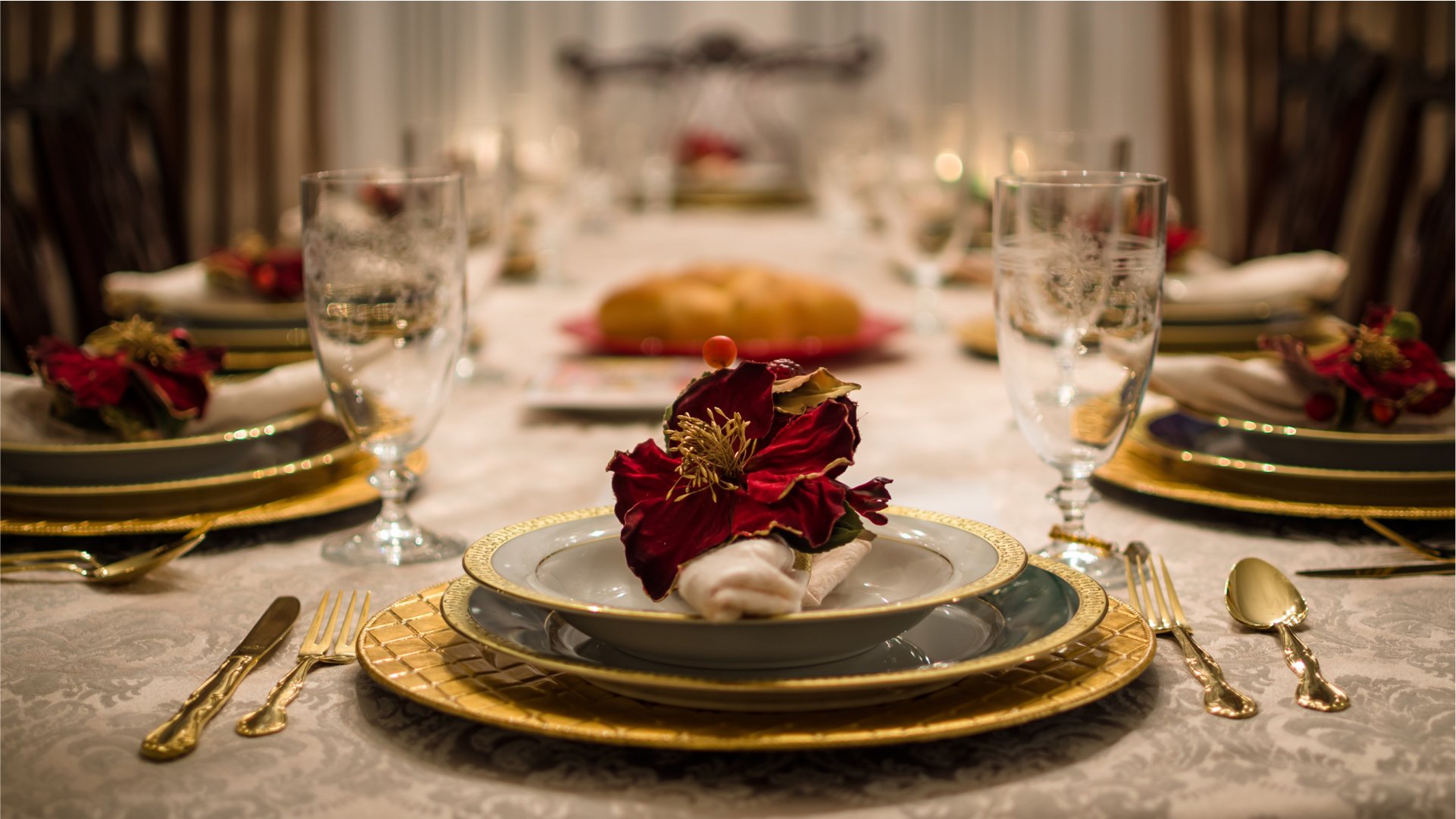
The table was set like a little puzzle. Two forks, two knives, a spoon I did not recognize and glassware that made my water feel like a formal event. I sat down and tried to mirror the person across from me. My shoulders tightened anyway.
Halfway through the first course, I caught myself holding my napkin like a prop. I kept thinking, “What do people do with their hands between bites?” I smiled a lot, which made my face tired. I also laughed a second too late, which somehow felt louder than laughing at all.
On the outside, I probably looked fine. On the inside, I felt quiet shame rising in small waves. It was the kind that says you missed a rule everyone else got for free.
Later, on the ride home, I replayed tiny moments. The host stand. The bread plate. The way I asked a question about the menu and then rushed to fill the silence. I could tell I was reacting to a room, not a person.
Over time, I learned a surprising truth. Ease at the table comes from a handful of small table habits. They are simple. They also send signals that your nervous system picks up fast, even when you wish it would take the night off.
Why Fancy Rooms Make You Feel Watched
Years ago, I thought my discomfort was about money. Then I noticed the feeling showed up even when someone else paid. The room still made me vigilant. My body acted like it needed to pass a test.
Psychology has a word for this kind of shift. Your brain reads status cues and tries to protect you from social mistakes. Lighting, uniforms, quiet voices and polished surfaces all say, “Rules live here.” You start scanning for them.
I once watched a friend walk into a high-end spot like they belonged there. Their pace stayed steady. Their face stayed soft. Meanwhile, I was doing the mental math of where to put my coat.
One reason this happens is that people change their behavior when they think others are evaluating them. Researchers also study how social class signals shape how people act with each other, including prosocial choices. You can see a related line of work in this status cues paper indexed on PubMed.
The thing is, “feeling watched” often comes from inside your own head. You imagine a scoreboard. You assume one mistake will label you. When you name that pattern, you can give yourself a calmer job, which is following a few clear scripts.
Here is the reassuring part. Most people in an upscale restaurant focus on their own conversation and their own plate. Staff members focus on comfort and flow. Your goal becomes simple, take up your space with steady movements and kind attention.
The Greeting That Sets The Tone With The Host
I admit I used to hover near the entrance like I was waiting for permission to exist. I would glance around for a sign. Then I would step forward, step back and do that awkward shuffle again.
The host stand is a mini stage. A smooth greeting helps because it gives your body a script. You walk up, smile and say your name. If you have a reservation, add the time. If you do not, ask for a table for your party size.
One night, I watched someone handle this with calm clarity. They said, “Hi, reservation under Taylor, two people.” Their voice was warm. Their eyes stayed up. The host smiled back like it was the easiest exchange all night.
A helpful detail is your timing. Pause for one beat after “hi.” That tiny space gives the host time to look at the book or screen. It also stops you from rushing words together when you feel nervous.
If there is a wait, aim for cooperation. Ask where to stand. Ask if the bar is available. Your energy tells the room, “We are a team,” which often earns you better guidance in return.
Where Your Hands Go When You Are Waiting
At my first fancy dinner, the waiting moments felt huge. Waiting for water. Waiting for bread. Waiting for the menu explanation to end. I kept touching my hair, then my phone, then my glass.
Your hands broadcast your comfort level. The simplest move is to place them lightly on the table, near the edge. Keep your wrists relaxed. Let your shoulders drop. This reads as quiet confidence even when you feel shaky.
My friend once told me a trick that changed everything. “Give your hands a home,” they said. So I started resting one hand on my lap and one near my water. Suddenly I stopped fidgeting so much. My breathing slowed too.
If you are holding a drink, keep it low and easy. Take a sip, then set it down. When the server approaches, free your hands. You look more present and you feel more present.
A lot of this is body budgeting. Your brain has limited attention. When your hands have a plan, your mind can focus on connection, taste and conversation.
Napkin Timing That Looks Effortless
There was a moment when I sat down and froze. Everyone else moved their napkins like they had rehearsed. I waited, then copied someone, then worried I copied the wrong person.
Napkin etiquette is simpler than it seems. After you sit, place the napkin on your lap within the first minute or two. You can do it after the first greeting at the table. You can also do it when your water arrives. Either timing feels natural.
I once dropped a napkin. It slid off my lap like it had somewhere else to be. I felt my face heat up. The server replaced it without drama and my nervous system learned a lesson, mistakes pass quickly when you stay calm.
During the meal, use the napkin lightly. Dab your mouth before you sip a drink, since that prevents marks on the glass. Keep movements small. Think “touch and lift,” not “wipe and scrub.”
If you leave the table, place the napkin loosely to the left of your plate. At the end, set it loosely near your plate as well. That simple placement signals you are finished and it helps staff clear smoothly.
Most of all, let the napkin serve you. It exists to help you feel clean and steady. When you treat it like a normal tool, your body stops treating it like a test.
Bread Plate, Water Glass And The Small Left Right Mix-Up
I still laugh when I think about the bread plate incident. I reached for a roll and buttered it with confidence. Then the person next to me leaned over and said, softly, “That one is mine.” I wanted to dissolve into the chair.
The classic bread plate rule is a left and right map. Bread plate on the left. Drink on the right. If you forget, look at your silverware. Forks tend to sit on the left side of your plate and your bread plate usually sits beyond them.
When I am unsure now, I do a quick pause and scan. I let my eyes move once around the place setting. That one-second check saves five minutes of embarrassment spirals.
Water glasses also vary. Sometimes there are two or three glasses. If you are offered wine, the server often pours and places it with a smooth pattern. Let them guide the layout. Your job is to avoid rearranging things unless you need space.
If a mix-up happens, handle it with grace. A simple “Oops, sorry” works. Then you reset and move on. The ability to recover smoothly is one of the strongest signals of ease.
Ordering With Confidence, Even When You Have Questions
I used to fear the ordering moment most of all. The server would arrive and my mind would turn into static. I would pick the safest item, then regret it the minute the plates arrived.
Ordering well is a mix of curiosity and clarity. Start by asking one focused question if you need it. Try, “How spicy is this?” or “How large is the portion?” One question helps you choose and it keeps the interaction smooth.
One time, I asked, “What is the difference between the two pastas?” The server described them with real care. I felt my shoulders relax. It turned into a small human moment, which made the table feel less like a stage.
Ordering questions land better when you keep your tone warm and your pace calm. Make eye contact. Smile. Let the server finish. These tiny behaviors signal respect.
If you have dietary needs, state them simply. “I do not eat dairy, can you help me choose?” is clear. The server can suggest options or check with the kitchen. You are giving useful information and you are helping the meal go well.
Then commit to your choice. Say the item name clearly. Add a brief detail if you need a change. When you stop overexplaining, your body gets the message that you belong at the table.
Utensils, Pace And Keeping Up With The Table
I once watched my fork like it was going to betray me. I worried about switching hands. I worried about which knife to use. I worried that everyone would notice me worrying.
Here is the simple approach, work from the outside in. The outer utensils often match the earlier courses. The inner utensils often match the main course. When in doubt, pause and watch what the table does for a second.
I also learned that pace matters more than perfection. If you eat too fast, you can look anxious. If you eat too slowly, you can fall out of rhythm with the table. A steady table pace feels good for your own digestion and your conversation.
At one dinner, a friend took tiny breaks between bites. They set down their fork, took a sip of water, then spoke. The whole table matched that rhythm without trying. I copied it and felt instantly calmer.
If you finish early, you can slow down with sips of water and conversation. If you fall behind, take slightly smaller bites for a few minutes. You end up closer to the group without forcing a dramatic change.
Conversation Volume That Fits The Room
But boy, was I wrong when I assumed quiet equals cold. I walked into a fine dining room and whispered like I was in a library. Then I felt awkward when the table across from me laughed freely, just softer than a bar crowd.
Volume is a social match game. You listen for the room’s baseline, then you aim slightly under it. That keeps your conversation private while still lively. In many restaurants, soft voices carry farther than you think.
My most embarrassing moment was a “big laugh” that popped out when the room went silent. Heads turned. I tried to shrink. The server walked by and smiled like it was normal. That smile helped me recover faster than any apology could.
A useful trick is to lower your voice when you share something personal. Lean in a bit. Keep your face open. People will lean in too and you get that cozy feeling without raising the volume.
If you are with someone who talks loudly, you can model the room’s level. Speak slightly softer. Ask questions that invite quieter answers. Your calm sets a tone that often spreads.
Phone Habits That Read As Respect
I have seen phones ruin a beautiful meal in ten seconds. Someone reaches for the screen, their eyes leave the table and the connection thins. I have also been that person, telling myself I was “just checking one thing.”
Phone on silent is the simplest move. Vibrate can still be loud on a wood table. If you expect an urgent call, tell your table once, then place the phone out of sight. That one sentence prevents tension later.
At a birthday dinner, a friend placed their phone face down beside the plate. It kept lighting up with notifications. Each glow pulled their attention away. By dessert, they looked drained and the rest of us felt oddly dismissed.
Photos can be a joy when they are quick. Take one or two shots when the food arrives, then put the phone away. If you want a group photo, ask the server early or near the end. Keep it light so it stays fun.
When you stay present, you send a steady message. “You matter more than my screen.” That message makes any room feel warmer, including a room with white tablecloths.
Paying, Tipping And The Goodbye People Remember
The bill used to make me tense. I would watch the check folder like it was a trap. I worried about doing the wrong thing, especially when I was with someone more experienced.
Paying goes smoothly when you decide a plan early. If you are treating, tell the server quietly at the start. If you are splitting, ask about it before the check arrives. Many places can split by seat, by card, or by amount.
I once tried to do a last-minute payment dance at the table. Two cards came out at the same time. We both insisted. The server stood there holding the folder, polite and stuck. Now I handle it sooner and the whole meal feels calmer.
Gracious tipping matters because it supports the people who carried your night. In the U.S., tipping norms vary by place and many diners follow a range around 15 to 20 percent for good service. Some restaurants add a service charge or gratuity, so it helps to read the bill carefully before adding more.
The goodbye is your final signal. Make eye contact with the host if you pass the stand. Thank your server if you can. A simple “Thanks, we had a great time” lands well. It also leaves you with a feeling of closure, which helps your body remember the night as safe.
When you walk out, take one calm breath. Notice one thing you did well, even if it was small. Every dinner is practice and ease grows through repetition and kindness toward yourself.