


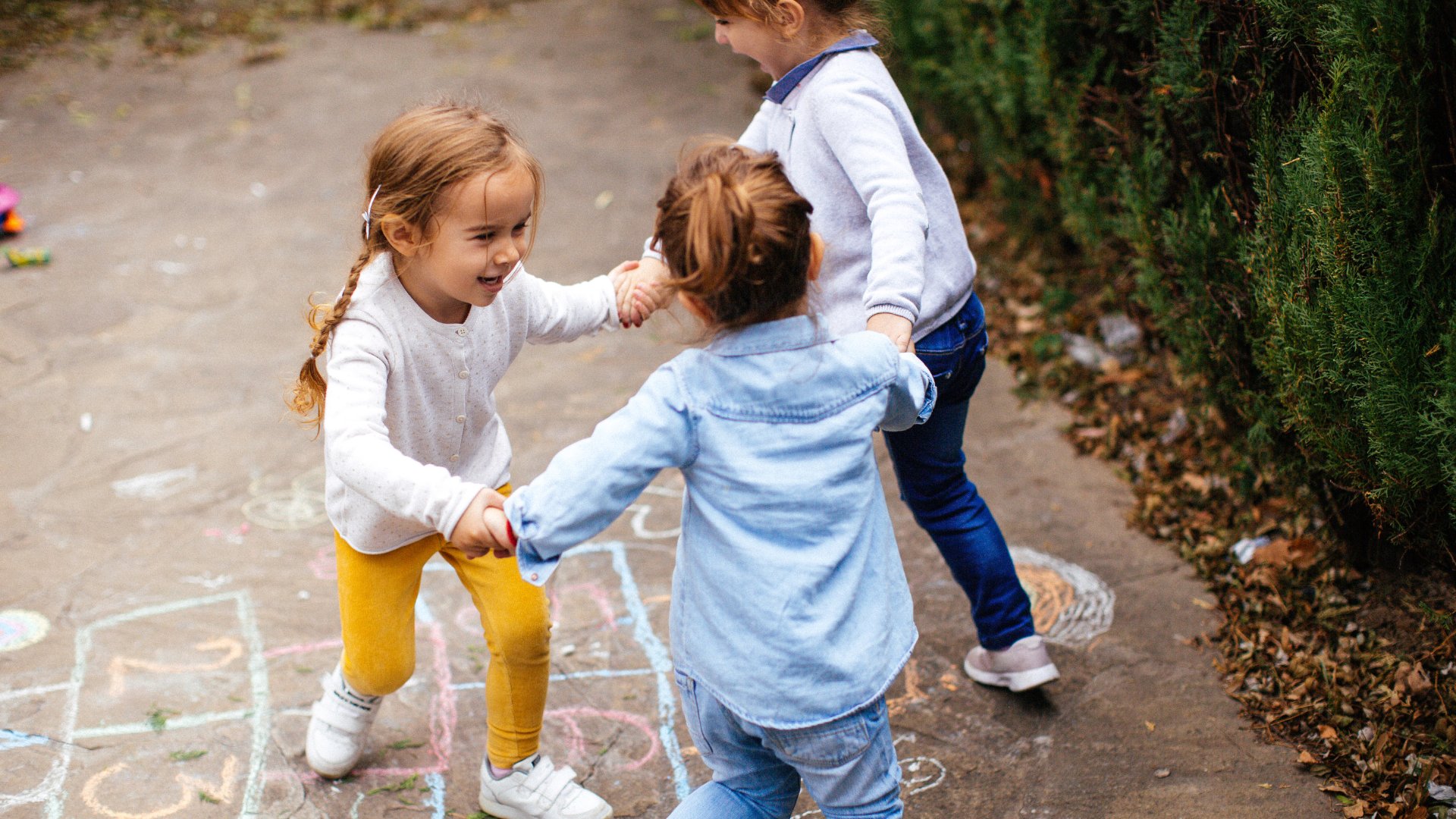
I still remember the feeling of walking out the front door with a loose plan and a full afternoon. The air smelled like hot pavement and someone’s laundry soap. I had a pocketful of coins, a half-formed idea to “go see who’s around,” and the quiet confidence that I’d figure it out.
Years later, I watched a kid in my life try to do the same thing. They stood in the doorway like it was a stage. “What should I do?” they asked, already looking for options on a screen. I felt this strange mix of tenderness and worry, because I knew how much a blank afternoon can teach you.
I also catch myself craving that older kind of calm. I’ll be honest, I sometimes miss the pace of a day that didn’t demand instant replies. Back then, a delay felt normal. You left a message. You waited. Your nervous system got practice at settling.
When I talk with friends who grew up around the same time, we keep circling back to the same theme. We didn’t call it “skills.” We called it life. You got bored. You got brave. You messed up in public, then you tried again the next day.
These days, I notice how quickly stress can stack up. A group chat pings, a news alert buzzes and work follows you into the grocery line. Then you wonder why you feel so jumpy. Your brain never gets to finish a thought.
So I started paying attention to the quiet strengths that many of us picked up in the seventies and eighties. They show up as calm focus, social courage and everyday resilience. If you want more of those traits now, you can grow them on purpose, one small choice at a time.
The Unsupervised Hours That Strengthened Self-Control
I remember being trusted with small freedom before I felt fully ready for it. A quick errand. A walk to a friend’s place. A “be back by dinner” promise that sat in my chest like a job. I didn’t want to break it, because it meant something.
That kind of freedom gives your brain a workout. You practice choosing. You learn what happens when you drift too far, or lose track of time. You start noticing the early signals, like hunger and impatience and you adjust.
One afternoon stands out. I got distracted by a pick-up game and forgot the time. When I finally sprinted home, I felt the heat in my face before anyone said a word. The consequence was simple and clear. The next day, I watched the clock like it was my teammate.
Psychologists often talk about self-control as a life skill. It connects to planning, emotion regulation and follow-through. A well-known PNAS study followed people over time and linked childhood self-control with adult outcomes, including health and finances. That finding lands harder when you remember how many tiny moments trained you, long before you had adult words for it.
If you want to build this muscle now, look for “small freedom” moments. Give yourself a clear window to do an errand without multitasking. Set one simple boundary, like checking messages after you finish one task. You’re giving your mind practice at self-control and practice adds up.
It also helps to keep your rules kind and clear. I’ve learned that harsh rules turn into rebellion fast. Simple rules turn into trust. Trust grows into emotional regulation that feels steady, even on loud days.
Boredom Practice That Sparked Creativity
There were afternoons when the only entertainment was whatever you could invent. A cardboard box became a spaceship. A sidewalk became a racetrack. I can still picture a friend and me staring at a pile of random stuff, then laughing like we just found treasure.
Boredom does something useful when you let it hang around. Your brain starts scanning for patterns. It starts connecting dots. That restless feeling becomes fuel for creative problem-solving.
I notice the difference now when I reach for my phone the second I feel bored. The boredom disappears, but so does the spark. My thoughts get chopped into tiny pieces. I end up consuming, instead of making.
When you give boredom a little space, you build tolerance for quiet. You also learn how to shift your mood with your own ideas. That’s a form of resilience, because it means your environment does not control your whole inner world.
Try a “boring on purpose” habit. Leave your phone in another room for ten minutes. Stand at the window. Sit on the floor and stretch. Let your brain complain, then let it wander. You might surprise yourself with a plan, a memory, or a creative spark that feels like yours.
Social Courage From Knocking On Doors And Calling Landlines
I can still feel that moment before you knocked on a door. Your hand hovered. Your stomach did a little flip. Then you knocked anyway, because you wanted to see your friend more than you wanted to avoid awkwardness.
Those tiny risks taught a lot about people. You learned how to greet a parent at the door. You learned how to handle “they’re not home.” You learned how to take a hint and stay polite. That’s social courage built from repetition.
One time, I called a landline and the wrong person answered. I panicked and tried to sound like a normal human. We both laughed by the end. I hung up feeling embarrassed, then proud, because I didn’t melt into the floor.
In a screen-based world, social life can feel safer. You can draft, delete and edit. That can help sometimes. It also means fewer chances to practice real-time bravery, the kind where your voice shakes a little and you show up anyway.
If you want more courage in your day, choose one “live” moment. Say hello to a neighbor. Ask a simple question in a store. Make one phone call instead of sending a text. Your confidence grows through real-world connection, one small exposure at a time.
Conflict Skills Learned In Real Time, With Real Faces
There was a fight on a sidewalk that I still remember. Two friends argued, voices rising and a little crowd formed. Then someone cracked a joke. Someone else said, “Come on.” The tension softened enough for everyone to breathe again.
Face-to-face conflict teaches fast lessons. You see the other person’s eyes. You hear the edge in your own voice. You notice how your body heats up. That feedback helps you learn timing, tone and repair.
I learned the power of a simple redo. “I came in too hot,” I said once, after snapping at someone. My heart was pounding. The apology felt awkward and urgent. The relief afterward felt huge.
Conflict also taught boundaries. You could walk away and cool off. You could come back when you had words. You learned that repair often looks like small steps, like sharing a snack, or starting over with a calmer voice.
If conflict makes you freeze now, start with one basic skill. Pause before you reply. Name one feeling you can handle, like “I’m frustrated.” Ask one clean question, like “What do you need from me?” These are everyday tools for healthy communication.
And yes, it can feel messy. I still get it wrong sometimes. The win comes from returning to the conversation with respect, because that’s how relationships stay sturdy.
Problem Solving With Limited Tools And Big Ingenuity
I once tried to fix something with a butter knife and optimism. It was a ridiculous plan. It also worked, at least enough to get through the day. That’s the energy I miss sometimes, the willingness to tinker.
Limited tools can invite flexible thinking. You look around and ask, “What can I use?” You experiment. You fail. You adjust. You learn that your first idea can evolve into a better one.
A friend taught me this without trying. We were stuck during a project with missing supplies. They shrugged and said, “We’ll figure it out.” They meant it. We did. I walked away with a new respect for resourcefulness.
Today, convenience is everywhere, which can be great. At the same time, quick fixes can reduce the urge to explore. When the answer arrives instantly, you get fewer reps at wrestling with a problem.
To rebuild that ingenuity, choose one small “figure it out” challenge each week. Cook a meal from what you already have. Repair a small item before replacing it. Plan a hangout without fancy logistics. Your brain remembers how to do adaptive thinking.
Patience For Slow Feedback And Longer Payoffs
Waiting used to be part of everything. You waited for a ride. You waited for a package. You waited for your favorite song to come on. I didn’t love it, but I learned how to live inside the waiting.
Slow feedback builds patience in a deep way. It teaches your brain that effort can sit quietly before it shows results. That matters for school, work, relationships and any goal that grows over time.
I notice my impatience now when a video buffers for two seconds. I’ll tap, swipe and restart like I’m bargaining with reality. Then I laugh at myself, because my nervous system got trained for speed and it still craves more.
You can practice patience without making your life harder. Pick one area where you let things take time. Read a few pages without checking your phone. Let a text sit for ten minutes while you finish what you started. Take a walk without tracking it.
Each time you stay with the moment, you teach your brain a calmer rhythm. Over time, this becomes delayed gratification that feels natural and your attention gets steadier.
Confidence Built Through Chores, Errands And Responsibility
I can picture the small tasks that made me feel grown. Carrying bags. Watching younger kids for a short stretch. Handling a simple purchase at a counter while an adult waited nearby. Those moments felt ordinary and they also felt like training.
Responsibility builds confidence through evidence. You do a task. You finish it. You see that you can handle a little pressure. That turns into earned confidence, the kind that sticks even on a rough day.
A memory that still makes me smile involves a grocery list written in messy handwriting. I was sent to find a few items and come back. I got two things wrong. I got the rest right. The adult in my life thanked me like it mattered and it did.
When people talk about self-esteem, they often focus on positive words. Daily responsibility adds something more solid. It gives you proof. It teaches you how to recover when you mess up, because mistakes become part of the job.
If you want more of this feeling now, choose responsibilities that are small and repeatable. Keep a plant alive. Cook one meal each week. Handle one life admin task without procrastinating. Your brain starts trusting you again and everyday resilience grows quietly.
I also like sharing responsibility with friends or family. A shared task can turn into connection. You fold laundry together. You plan a meal. You become a team, even for ten minutes.
Media Sense From Growing Up Around Fewer Sources
I remember how media used to feel like an event. A show started at a certain time. News came in a limited window. If you missed it, you asked someone later. There was more space between messages.
Fewer sources can make it easier to notice tone and bias. You hear the same story told in a few ways. You learn to compare. You learn that headlines aim for attention. That’s the start of media literacy, even if nobody called it that.
These days, I’ve caught myself doomscrolling like it’s a reflex. I’ll stand in a line and absorb ten intense stories in a minute. My body reacts like each one is urgent. Then I wonder why I feel tense at dinner.
Media sense today means protecting your attention. It means choosing when you tune in and choosing when you step back. It also means checking the source, since misinformation can spread fast.
A practical habit that helps me is a “single scoop” check. I read one solid summary, then I stop. If I want more, I choose a second source on purpose. This approach supports attention hygiene and keeps your mind clearer.
How To Rebuild These Strengths In A Screen-Heavy Life
A while back, I tried an experiment. I left my phone in another room for part of a Saturday morning. My hand kept reaching for it like a phantom limb. After a little while, my shoulders dropped and the room felt bigger.
You can rebuild these strengths with small design choices. Give yourself “unstructured time” blocks where you decide what happens next. Create short windows for boredom. Plan one face-to-face connection each week. These habits bring back calm focus in a realistic way.
My friend has a rule that I borrowed. When they visit someone, the phone goes out of sight for the first ten minutes. The conversation warms up faster. Eye contact comes back. Laughter shows up sooner.
For self-control, try making your next step easy. Put your shoes by the door for a walk. Keep a book on the table. Use a timer for one focused task. These small cues reduce decision fatigue and your brain gets more room to follow through.
For patience, pick one slow pleasure. Cook something that takes time. Do a puzzle. Write a note by hand. The goal is a steady nervous system that can handle life without constant urgency.
And for resilience, keep your promises small. One errand. One tidy corner. One honest conversation. You build a life where you can say, “I can handle today,” and you believe it.