


I remember when the woman next door first retired. She waved from her driveway with that bright, relieved smile people wear when a long chapter has finally closed. She said she was ready for slow mornings, easy dinners and a chance to catch her breath. I believed her. She sounded like someone stepping into a life she had earned.
Then the evenings changed. I’d see the blue light from her living room window night after night. Around seven, then eight, then nine, there she was in the same corner of the sofa, remote in hand, half watching whatever happened to be on. When we spoke over the fence, she kept saying she was “fine,” yet her face had that flat, tired look people get when the day gives them very little back.
One afternoon she admitted something that stayed with me. She said the strange part was that nothing was actually wrong. She had enough money, her health was decent and the pressure was gone. Still, she felt as if the shape of her life had vanished. I’ve felt versions of that myself during quieter seasons, when freedom sounded lovely and then landed with more silence than I expected.
The thing is, a lot of people imagine retirement as one long exhale. Sometimes it begins that way. Sometimes it also brings a quiet identity shift. The schedule disappears. The little reasons to get dressed disappear. Even the annoying routines that once felt heavy can leave behind a blank space.
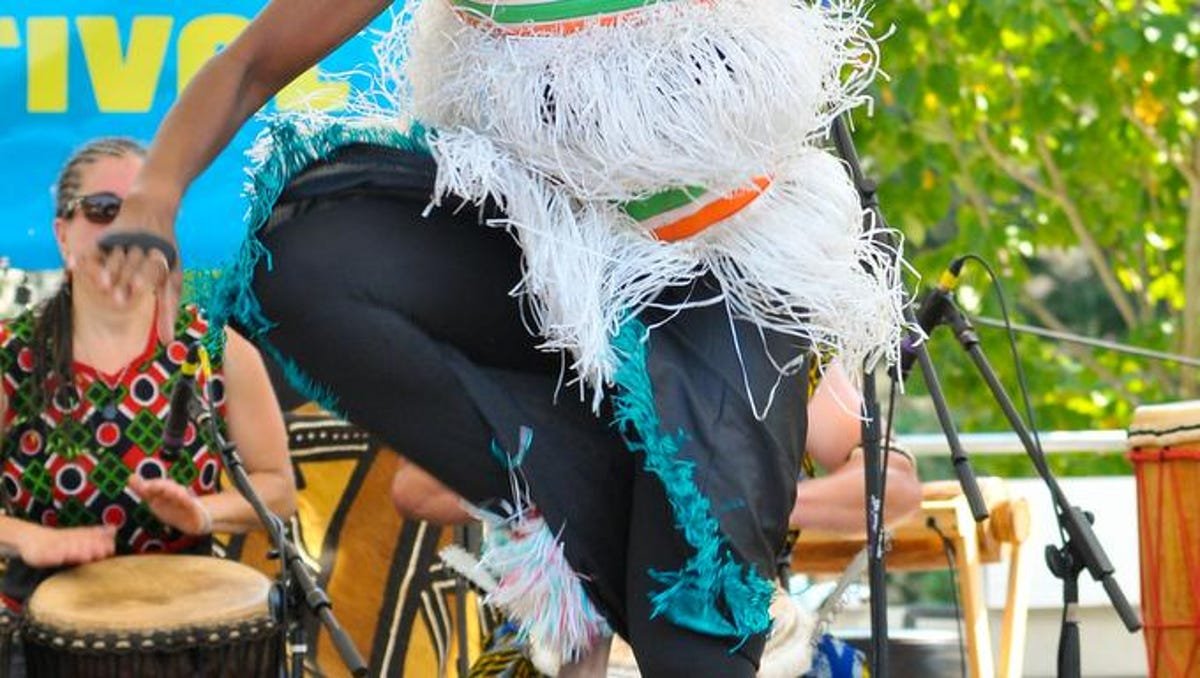
A few weeks later, I heard a rhythm coming from her garage. It was clumsy, loud and full of joy. She had signed up for a beginner hand-drumming class at the community center after seeing a flyer by accident. I laughed when she told me and so did she, but her eyes looked alive again. That’s when I started paying attention to what a hobby can do for a person who feels a little lost after the working world lets go of them.
When The Evenings Start Feeling Empty
Evenings can feel especially strange after retirement because they used to mean something. They marked the end of work, the start of rest and the small reward of making it through another busy day. Once work disappears, the evening can lose its shape. You still arrive there, but the emotional handoff feels missing.
I noticed this in my neighbor before she ever said it out loud. During the day she could fill the hours with errands, laundry, phone calls and little chores. After dinner, though, her energy dropped hard. She told me that dusk had started to feel heavy, almost like standing in a room after a party ended.
Sometimes an evening slump has very little to do with laziness. It often grows from the loss of structure. Human beings do well with cues. Morning coffee, a commute, lunch breaks and end-of-day rituals all help the brain move through time with a sense of direction.
I’ve had evenings like that too. There was a stretch when my own routine changed and I found myself opening the fridge every hour and refreshing the same apps for no real reason. What I wanted was a feeling that the day still held meaning. Food and screens gave me a quick distraction, but they never gave me that deeper settled feeling.
That is why the empty evening can be such a revealing moment. It shows you where your inner life needs more care. If the hours after dinner feel long and dull, your mind may be asking for engagement, rhythm and something that feels personally yours. That need matters. It is often the first clue that a new chapter wants a new shape.
Why Retirement Can Shake Your Sense Of Purpose
Retirement changes more than your calendar. It changes how you answer the quiet question, “What am I here to do today?” Work used to answer that automatically. Even if you did not love every part of your job, it gave your hours direction and gave other people a reason to rely on you.
My neighbor once told me she missed being needed at 10:15 on a Tuesday. I knew exactly what she meant. Purpose rarely arrives as one giant life mission. More often it comes through ordinary usefulness, showing up, solving problems and having someone notice when you are absent.
Psychologists often talk about purpose as a sense that your life has direction and significance. That sounds lofty, yet it often lives inside very simple routines. You water the plants because they depend on you. You teach a class because people learn from you. You make soup for a friend because your care reaches another person. Those small acts build a purpose gap when they vanish.
Years ago, I went through a season when several responsibilities dropped away at once. I expected relief. Instead, I felt oddly unsteady. I kept waiting for motivation to appear on its own and it rarely did. What helped was seeing purpose as something you practice, the same way you practice balance.
Retirement can stir up this wobble because identity and purpose are tightly linked. When you have spent decades being the reliable one, the expert one, the busy one, or the one with a packed schedule, stepping away can make you wonder who you are in the middle of an ordinary afternoon. That question can feel tender. It can also become the opening to build a life that fits you more honestly.
The Comfort Trap Of Too Much TV
Television can feel wonderfully easy at first. After years of deadlines and alarms, ease has real appeal. You sit down, one episode rolls into the next and the evening passes with very little effort. The body rests and the mind gets just enough stimulation to stop asking harder questions.
I saw how quickly this happened next door. My neighbor started with “just a little catch-up time” after dinner. Soon it became her main evening plan. She still enjoyed certain shows, but the habit grew bigger than the pleasure. By the end of the night she often looked more dulled than restored.
The thing is, screens are masters of default comfort. They ask almost nothing from you. That makes them useful in small doses. It also means they can quietly take over the hours when your mind would otherwise go searching for something richer.
I admit I’ve had my own version of this. During a stressful patch, I kept telling myself I needed to “switch off” every night. A little rest turned into a nightly drift. I wasn’t doing anything harmful in the dramatic sense, but I could feel my curiosity shrinking. That was the real cost.
Too much passive entertainment can flatten your emotional life because it keeps you in observer mode. You watch other people act, struggle, create, connect and change. Meanwhile your own evening becomes still. Over time, that gap can leave you feeling disconnected from yourself. A hobby helps because it moves you back into participation.
What A Hobby Gives Back To The Day
A hobby gives your day edges again. There is a before and an after. There is anticipation, action and the small satisfaction of having shown up for something that belongs to you. That simple rhythm can be deeply steadying.
When my neighbor started drumming, she began talking differently about time. Instead of saying, “I guess I’ll just see what I do later,” she’d say, “I’m practicing at six.” That one sentence changed the mood around her whole evening. It gave the hours a pulse. It gave her a reason to finish dinner and head somewhere other than the sofa.
Some NIH research has linked leisure activities in older adults with better long-term health and longevity. You can hear the wisdom in that even before you open the study. Activities that engage your attention, body and interest help life feel fuller. A hobby supports more than entertainment. It creates gentle structure.
I remember starting a simple creative habit during a messy season of my own. I was surprised by how much lighter I felt on the days I made time for it. The task itself was small. What mattered was the message underneath it. My day held something chosen, active and personal.
That is what a hobby gives back. It restores a sense of authorship. Your life starts feeling less like a blank stretch to fill and more like a place where something can happen because you made room for it.
For retirees, that can be especially powerful. Work once supplied direction from the outside. A hobby lets direction grow from the inside. That shift often feels more nourishing because it is tied to curiosity, pleasure and self-expression.
Why Small Progress Feels So Good
One of the best parts of a hobby is the chance to improve at something in plain sight. You try, you stumble, you try again and one day you hear the rhythm land or see the shape come together. The brain loves that. Small progress gives you evidence that your effort matters.
My neighbor talked about this after her third drumming class. She said she could finally keep a basic pattern without getting lost. It sounds tiny and maybe it is. Yet the pride on her face was huge. She had something concrete to point to and say, “I can do this better than I could last week.”
I think many adults get starved of small wins. Work can bring achievement, of course, but it can also bury it inside stress. At home, especially in retirement, the days may blur together. A hobby breaks that blur because you can feel your own learning in real time.
There was a period when I tried baking one new thing each weekend. Some attempts were laughable. One loaf came out dense enough to be a doorstop. Still, I kept going because each round taught me something. Progress felt grounding in a way perfection never does.
This matters psychologically because growth feeds motivation. When your actions lead to visible change, you are more likely to return. That creates momentum. Momentum then becomes real progress, which strengthens confidence and gives your week a brighter center.
The Social Spark That Often Comes With It
A hobby often brings people with it, even if you begin alone. You meet the instructor. You nod to the person who always arrives early. You trade tips. You laugh over mistakes. These tiny interactions may look small from the outside, yet they carry a surprising amount of emotional energy.
My neighbor had not realized how much she missed casual contact. After a few classes, she started mentioning people by name. She told me about one retired nurse who kept losing the beat and one quiet man who turned out to be hilarious. Her world had expanded by a few chairs in a circle and somehow that was enough to change her whole week.
I’ve felt this too in group spaces that had nothing to do with deep friendship. A class, a walking group, a volunteer shift, they all offered the same gift. Somebody expected me. Somebody noticed when I spoke. That kind of social energy can lift your mood more than you expect.
Retirement can reduce the everyday contact that work once provided. Even people who enjoy solitude can start to feel the edges of isolation after a while. A hobby gives connection a natural doorway. You have something to do together, which makes conversation easier and pressure lighter.
Sometimes the social spark matters as much as the activity itself. You leave the house. You get dressed with a purpose. You collect new stories. You return home carrying more than the object you made or the skill you practiced. You return with evidence that you still belong in the flow of other people’s lives.
How One Unexpected Interest Can Change A Week
The hobby that changes you is often the one you never planned to try. That may be part of why it works. It slips past the old identity. You stop asking whether it fits the version of you that existed for decades and you start responding to what feels alive right now.
When my neighbor said she had joined a drumming class, I almost laughed from pure surprise. She had spent years in careful, orderly work. Her house was immaculate. Her handwriting looked printed. Drumming seemed wildly out of character, which turned out to be exactly why it refreshed her.
I’ll be honest, I’ve done this too. I once signed up for something on a whim because the usual options felt stale. I expected a one-time distraction. Instead, the newness shook me awake. It reminded me that personality is more flexible than we often assume.
An unexpected interest creates a fresh rhythm in the week. Suddenly there is Tuesday night class, Thursday practice, or Saturday morning planning. You think about it while folding towels. You notice related books, videos and conversations. Your brain starts making room for possibility again.
This is one reason hobbies can feel healing after major life changes. They introduce novelty without demanding a total life overhaul. You do not have to become a new person overnight. You simply follow one spark of interest and let it lead to the next small step.
Choosing A Hobby You Will Actually Keep
Picking a hobby sounds easy until you try. The internet offers endless ideas and many of them look charming for about twelve minutes. What lasts is usually something that matches your energy, your temperament and the kind of satisfaction you naturally enjoy.
My neighbor kept drumming because it met several needs at once. It got her out of the house. It used her hands. It gave her a group. It created noise and movement, which felt refreshing after so many silent evenings. If she had chosen something that required her to sit alone for hours, I doubt it would have clicked in the same way.
Sometimes the best clue is envy. Pay attention to what makes you think, “I wish I did that.” That reaction can reveal hidden desire. Other times, the clue is relief. You try something and feel your shoulders drop. Your body often recognizes a good fit before your mind explains it.
I took a long time to learn this. For years I picked hobbies that sounded admirable. They looked good on paper. They impressed other people. Then I would quietly drift away from them. The ones that stayed were the ones that felt doable and oddly comforting.
A hobby you keep usually has a tiny starting point, low friction and a clear payoff. Maybe you enjoy making, moving, collecting, learning, or helping. Choose from that lane first. Motivation grows faster when the activity suits your natural style.
Starting Small Without Making It A Big Project
The easiest way to kill a new hobby is to turn it into a performance. You buy too much gear, set huge goals and expect instant transformation. That kind of pressure drains the fun before the habit has a chance to root.
My neighbor was smart about this, even if she didn’t realize it. She borrowed a drum for the first month. She practiced for fifteen minutes at a time. She skipped the fancy accessories. Because the barrier stayed low, she kept returning.
There was a season when I made this mistake in a big way. I decided I was going to become excellent at something immediately. I bought supplies, watched hours of tutorials and created a whole grand plan. Within two weeks I felt tired just looking at it. The project had become heavier than the pleasure.
Small beginnings work because they protect curiosity. You are simply trying something. You are letting repetition do the quiet work. That approach builds lasting momentum far more effectively than bursts of intensity.
If you are helping someone else through this stage, keep your encouragement simple. Suggest one class, one beginner tool, or one regular time slot. Let the person discover their own pace. A hobby grows best when it feels like an invitation.
And that may be the most hopeful part of all. A life that has gone flat can regain color through one modest, human choice. My neighbor did not need a dramatic reinvention. She needed something to look forward to, something to practice and something that made her laugh. From there, the rest of her evenings slowly began to fill themselves in.