


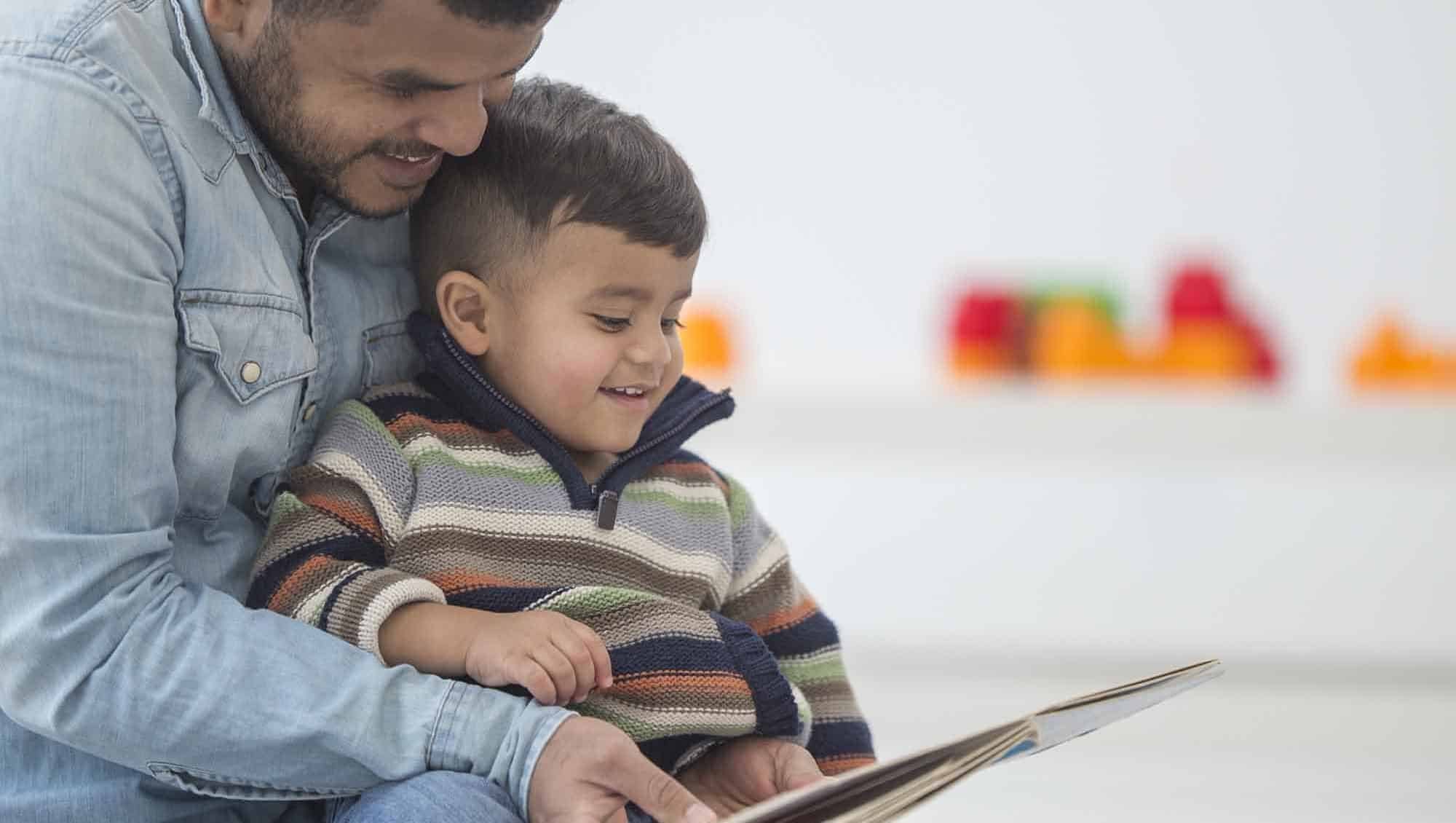
I remember sitting on the floor near a living room chair, watching an adult read like it was a hobby and a home base at the same time. The book was thick. The house was noisy. Still, the reader looked calm, like the day had a steady center.
Years later, I caught myself chasing that same feeling. I bought a novel I barely understood and carried it around like a lucky charm. I was not trying to become someone new. I was trying to borrow the steadiness I remembered.
When you grow up with a dad who has hobbies, you tend to inherit something bigger than the hobby itself. You pick up the message that life has room for joy, learning and effort. You also learn that a person can keep showing up for a skill even when nobody is clapping.
I’ve met people who talk about their dads with a kind of quiet gratitude. The stories sound different on the surface. One dad gardened. Another cooked. Another always had a project half-finished in the garage. Yet the emotional aftertaste is similar, a sense of being considered and included.
Psychologists often describe this as the power of involvement. Consistent attention, shared activities and warm guidance tend to support kids as they grow. A big review in pediatrics found that father involvement across many studies was linked with positive outcomes for children over time, including social and cognitive areas. That connection matters because hobbies often create the easiest, most natural doorway to involvement.
If your dad had any of the hobbies below, you may recognize the hidden gifts. These are small, everyday things. They build confidence, closeness and a sense that you mattered, even when nobody said it out loud.
1. Reading For Pleasure
There was a stretch when I felt like everyone around me was sprinting. People were busy, loud and permanently “on.” Then I visited a family member and saw a dad reading in the middle of the afternoon. No performance. No big announcement. Just a person choosing focus.
When a dad reads for pleasure, you get a front-row seat to healthy attention. You see someone practice patience in a world that rewards speed. Over time, that teaches your brain that calm is a skill you can build. It also shows that entertainment can be quiet and nourishing.
Even better, reading has a way of spilling into family life. A dad who reads might talk about a character’s decision at dinner. He might recommend a funny essay. He might keep a stack of library books on the counter and make curiosity feel normal. That is everyday learning without pressure.
I’ll be honest, some of my favorite conversations started because someone had a book open. I’d ask, “What’s it about?” and suddenly we were talking about risk, friendship, or how people change. The book became a bridge. I didn’t need to know the right words for feelings because the story offered them.
If this was your home, you were likely raised with a subtle message: your thoughts matter. You also may have learned that alone time can be kind. That combination supports emotional steadiness later, especially when life gets noisy again.
2. Cooking A Go-To Meal
My friend once told me their dad had “one meal” and it was legendary. It showed up on birthdays, after bad days and during long weekends. The recipe was simple, but the meaning was huge. It was a reliable answer to, “How do I take care of you?”
A go-to meal is more than food. It is repetition with warmth. When you watch a dad cook, you learn that care involves planning, timing and small choices. Someone remembered the groceries. Someone noticed you were hungry. Someone made sure there was enough for everyone.
Cooking also teaches practical confidence. You see mistakes happen and get fixed. Pasta gets overcooked and still gets eaten. A sauce turns out great and becomes a tradition. That kind of low-stakes trial and error helps kids feel safer trying new things later.
I remember the comfort of hearing chopping on a cutting board. It’s a sound that says, “We’re settling in.” Even now, when I cook for people I love, I’m copying a feeling I learned long ago. I want the kitchen to feel like a soft landing.
If your dad cooked a go-to meal, you may have grown up with steady caregiving that felt concrete. Love had a smell. Love had a schedule. Love showed up on a plate, even when words were hard.
3. Gardening Or Caring For Plants
There was a neighbor I used to chat with while they watered a row of plants. Their dad would move slowly, like each leaf deserved respect. I stood there feeling oddly calmer, even though I had a full day ahead of me. The whole scene felt like a quiet lesson.
Plant care teaches you to notice small changes. A new bud. A drooping stem. Dry soil. When a dad gardens, he models patient responsibility and gentle consistency. You learn that growth happens in stages and that attention works better than force.
Gardening also gives kids a safe place to ask questions. Why do some plants need shade? Why do worms matter? What happens when it freezes? Those questions build curiosity habits that can show up in school, work and relationships.
I admit I used to think plant people were simply “good with plants.” Then I tried keeping a few alive and realized it takes a steady mind. You have to check in without hovering. You have to accept that some things fail anyway. That mindset is a form of resilience.
If your dad cared for plants, you probably learned that nurturing can be quiet. You may also have learned that a home can have living things you protect together. That shared responsibility creates a kind of closeness that feels calm, even years later.
4. Fixing Things And DIY Projects
I once watched a dad kneel beside a wobbly chair and treat it like a puzzle. He didn’t rush. He didn’t snap at anyone for “breaking it.” He just turned the chair over, studied the joints and started tightening screws. The room felt safer within minutes.
DIY projects can teach kids a powerful lesson: problems can be approached step by step. When a dad fixes things, he’s showing problem-solving in real time. He’s also demonstrating that frustration can be handled with tools, pauses and persistence.
Sometimes the best part is the invitation. “Hold this.” “Can you hand me that?” “Want to see how this works?” Those small requests say, “You’re capable.” They build competence without a lecture.
On the flip side, DIY can also teach humility. I’ve seen dads laugh when a project goes sideways. Paint drips. Shelves end up crooked. Then they adjust and try again. That kind of flexible attitude helps kids grow into adults who recover faster from mistakes.
If your dad was a fixer, you may carry a quiet confidence that life is workable. Even when things fall apart, you can start by looking closely. You can ask for help. You can try a new approach. That belief is a strong foundation.
5. Playing A Sport With You
It took me a long time to realize how much a casual game can matter. A few minutes of tossing a ball around can feel like nothing as an adult. As a kid, it can feel like being chosen. I still remember the sound of shoes on pavement and a voice saying, “One more.”
Sports offer a natural way to practice connection through play. You share a goal. You take turns. You laugh at the missed shots. You build a rhythm together. That shared rhythm can become a kid’s sense of safety, especially during stressful times.
There’s also a psychology piece here that’s easy to overlook. Physical play often helps kids regulate energy and emotions. Movement supports attention and mood for many people. A dad who plays with you is giving you a tool you can use for life, even if you never join a team.
I’ve seen dads who never cared about “winning” with their kid. They cared about showing up. They corrected gently. They celebrated effort. That approach creates healthy motivation, the kind that helps you keep going when you are learning something hard.
If your dad played a sport with you, you probably learned that your body is worth caring for. You also learned that time together can be simple. A ball, a yard and a few minutes can add up to a lasting bond.
6. Coaching Or Mentoring Kids
Years ago, I watched a dad volunteer as a coach even though their schedule looked packed. After practice, a kid stayed behind to talk. The coach listened with full attention, like it was the most important part of the day. I walked away thinking, “That kid is going to remember this forever.”
Coaching and mentoring are hobbies with a social heartbeat. They combine structure with encouragement. A dad who mentors tends to practice positive leadership, including clear rules, steady feedback and belief in growth. Kids absorb that style, whether they are the athlete, the student, or the kid watching from the sidelines.
Mentoring also models how to treat people who are still learning. Patience becomes visible. Respect becomes a habit. When you see a dad guide a group of kids, you learn how communities work. You learn that adults can be firm and kind at the same time.
I’ll admit, I used to think mentors were “born good” at it. Then I tried helping someone learn a skill and realized how much restraint it takes. You have to let someone struggle a little. You have to cheer progress that looks small. That practice grows empathy.
There’s research support for the value of involved fathering over time, too. A major review of longitudinal studies in pediatrics found links between father involvement and positive child outcomes. You can read the systematic review for the bigger picture. Mentoring is one of the clearest, most consistent forms of involvement because it creates regular contact and emotional investment.
If your dad coached or mentored, you were likely raised around steady encouragement. You may also carry a strong inner voice that sounds like, “Keep going, you’re getting there.” That voice can shape your confidence for decades.
7. Volunteering In The Community
I remember being surprised the first time I saw a dad spend a Saturday helping people he didn’t know. It was a local event, nothing fancy. He carried boxes, chatted with strangers and made it feel normal. I went home thinking about how wide a person’s circle can be.
Volunteering teaches prosocial behavior, which is a psychology term for actions that support others. When a dad volunteers, you see that time and effort can be shared beyond the home. You also learn that kindness can be practical, including rides, meals, cleaning and showing up.
Community work can also shape your identity. Kids often ask, “What kind of person am I?” Watching a parent volunteer offers a simple answer: you are someone who helps. That identity supports confidence because it ties self-worth to actions you can repeat.
I admit that I sometimes avoid volunteer events when I feel tired. Then I remember the dads who treated volunteering like a regular habit. They didn’t wait for a perfect mood. They made it part of life. That memory nudges me to do the next small helpful thing.
If your dad volunteered, you may have grown up with a sense of belonging. You might feel more comfortable greeting neighbors, thanking service workers, or offering help without making it awkward. Those small social skills make adult life smoother and warmer.
8. Making Music Or Doing Hands-On Art
There was a time when I sat in a room where a dad was playing a simple tune on an instrument. It wasn’t a concert. It was just sound in the background while people talked and moved around. Somehow, it made the whole house feel more alive.
Music and art are hobbies that invite expression. They show kids that feelings can move through your hands, your voice and your attention. That matters because emotions often need an outlet. Creative hobbies offer emotional expression that feels safe and natural.
Hands-on art also teaches process. You sketch, erase and sketch again. You practice a chord until it sounds smoother. You learn to tolerate being a beginner. That builds confidence through practice, which is a skill that supports school, work and relationships.
I’ve noticed that creative dads often include kids without making it complicated. “Want to try this?” “Pick a color.” “Let’s make something for the fridge.” Those invitations can become a kid’s first experience of being taken seriously as a creator.
If your dad made music or art, you may have learned that your inner world matters. You may also feel more comfortable talking about feelings because you grew up around a parent who expressed them in visible ways.
9. Hiking, Camping, Or Regular Time Outdoors
My clearest memories of outdoorsy dads involve simple moments. A shared snack on a trail. A jacket offered when the wind picked up. A quiet pause to look at a view. Those moments stick because they combine care with presence.
Outdoor hobbies can build grounding routines. Nature gives your nervous system a different pace. You hear birds, wind and your own breathing. Many people find that this kind of environment makes conversations easier because there is less pressure to stare at each other and perform.
Camping and hiking also teach real-world planning. You pack water. You check the weather. You turn back when it’s smart. A dad who does this with you is modeling wise risk, which means you learn to respect limits while still exploring.
I’ve had hikes where nobody said much, yet I felt close to the people beside me. There’s something about walking together that makes silence feel friendly. Later, the small talk comes. Then the deeper stuff shows up. The trail does some of the work.
If your dad spent time outdoors with you, you may carry a strong sense of “I can handle this.” You’ve seen how to stay calm when plans change. You’ve practiced adapting to discomfort. That kind of resilience feels sturdy in adult life.