


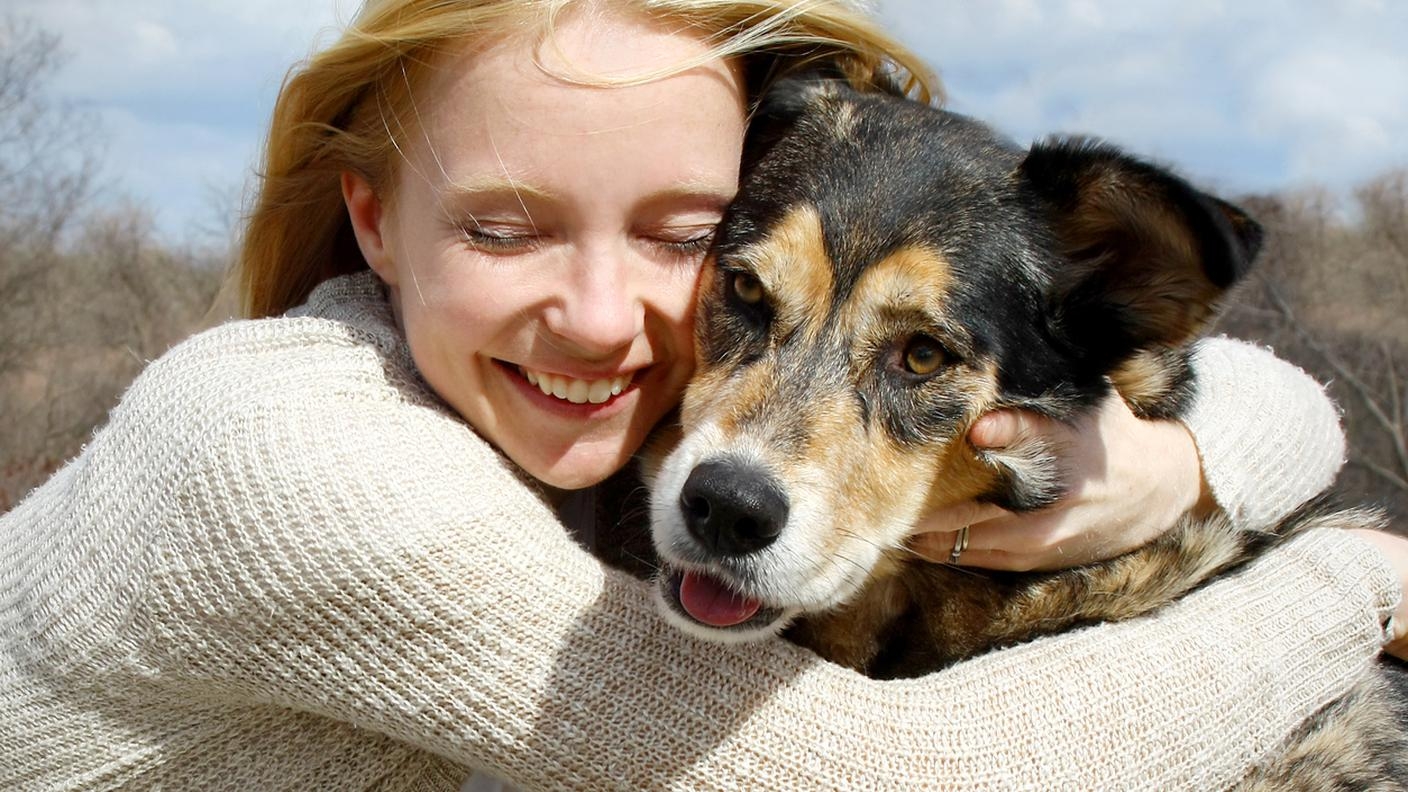
Some people talk to their pets like they’re tiny roommates with strong opinions. “Did you have a long day too?” “Please don’t judge me for that outfit.” “Tell me what you want and use your words.” If that sounds like you, you’re in familiar company.
I once caught myself narrating a whole grocery-unpacking session to a cat who was clearly supervising the process. I explained the apples. I defended the cereal choice. The cat blinked slowly, like a manager approving a budget.
This habit can look funny from the outside, yet it often feels natural from the inside. Talking to an animal can bring your mind into the present. It can soften a hard day. It can turn a quiet room into a place that feels lived in.
Psychology has a word for part of this, anthropomorphism. It’s the human tendency to see humanlike minds and feelings in nonhuman beings. Many researchers treat it as a normal feature of social brains. People often do it with pets, gadgets and even cars.
So what does your “good morning, sweet pea” say about you? Here are nine traits that often travel with that habit, along with ways they show up in real life.
1. You Turn Small Moments Into Connection
You probably notice tiny openings for closeness. A wagging tail. A slow stretch. A head tilt that looks like a question. You meet those moments with words, because language is one of your favorite bridges.
In daily life, this can make home feel calmer. You narrate what’s happening and your nervous system follows along. “We’re just doing dishes,” you tell your dog. The sentence lands like a gentle hand on your shoulder.
Even when your pet does not “understand” every word, the tone matters. Animals respond to patterns, warmth and attention. Your voice becomes a signal that you’re present and safe.
Another angle is how you treat ordinary time. You turn the routine into a relationship moment. “Thank you for waiting,” you say while clipping a leash. That sounds like politeness and it also trains you to be kinder in general.
Try noticing where else you do this. You might greet the barista by name. You might text a friend after a small win. Those are connection moves and they add up.
2. You Read Emotions Fast
Talking to pets often goes with strong social perception. You read faces, posture and energy shifts quickly. You spot the “I need space” look and you also spot the “I need you” look.
With pets, this skill gets daily practice. You learn the difference between an excited bark and a worried bark. You learn the pace of footsteps that means zoomies and the pace that means “something’s off.”
Because you rely on cues, you also get comfortable with uncertainty. You make a best guess, then you adjust. That flexible approach can help in human relationships too, especially when someone struggles to explain their feelings.
At the same time, your sensitivity can bring stronger reactions. A whine can tug your heart hard. A cat hiding under the bed can feel personal. It helps to remember that animals, like people, have moods that pass.
One practical habit: pause and label what you see before you act. “You look overstimulated.” “You seem curious.” That quick label can slow you down and lead to gentler choices.
3. You Use a Warm Inner Voice
When you speak kindly to a pet, you practice kindness in general. Your tone becomes soft by default. Your words become less sharp. Over time, that style can shape the way you talk to yourself too.
Many people use pet talk as a cue for patience. You drop your shoulders. Your face relaxes. You let your voice do the soothing, because the goal is comfort and cooperation.
There’s also a self-regulation piece here. A calm voice tends to invite a calmer body. That matters when you’re stressed, tired, or overstimulated. Your pet becomes a reason to slow down.
Researchers studying anthropomorphism describe both automatic and deliberate ways people attribute minds to animals and how this can shape emotional responses. If you want a deeper look at the research background, this review pulls together findings on how people perceive and interpret animals’ emotions and mental states.
Here’s a small experiment you can try tonight. Say one sentence to your pet that you wish you could say to yourself. “You did enough today.” “You’re safe here.” Notice how your body responds.
If you grew up around criticism, this trait can feel especially meaningful. You’re building a home soundscape that feels warm. That’s a quiet kind of healing.
4. You Show Strong Caretaking Energy
If you talk to your pets, you may also be a natural caregiver. You track needs. You anticipate problems. You keep snacks in the right drawer. You remember the vet schedule without checking three times.
This trait shows up as responsible love. It’s the kind that plans ahead and it’s also the kind that stays gentle when things go wrong. When your pet makes a mess, you sound disappointed for a second, then you shift into problem-solving.
For many people, caretaking includes a sense of partnership. You speak as if you’re a team. “We’re going to figure this out,” you say while cleaning a paw or coaxing a nervous cat out of a carrier.
Look for this pattern in your friendships, too. You might be the one who brings soup. You might be the one who remembers birthdays. You might be the one who asks, “Did you eat today?” That’s everyday empathy in action.
One boundary tip that stays lifestyle-friendly: make care sustainable. Create simple systems. Auto-ship food if that helps. Keep a small “pet station” by the door. A steady setup supports your generous instincts.
And yes, your pet benefits from your devotion. A steady caregiver tends to create a steadier animal. Your voice is part of that stability.
5. You Like Routines That Feel Personal
You may enjoy structure, especially the kind that feels cozy. Pets love predictable patterns and many people do too. Talking becomes part of the ritual, like a theme song that starts the day.
Maybe you have a morning script. “Stretch time.” “Water break.” “Let’s go outside.” The words cue action and your pet responds. That feedback loop makes routines feel rewarding.
On hard days, routine can act like a life raft. You still get up because someone needs breakfast. You still go for a short walk because it’s the usual. Your voice guides both of you through it.
This trait often overlaps with habit stacking. You attach a new behavior to a familiar one. While the kettle boils, you refill the water bowl. After you clip the leash, you grab your keys. Your pet becomes a built-in reminder.
Personal routines also create identity. You start to see yourself as someone who keeps promises. Even small promises. “We’ll play after I finish this email,” you say, then you follow through.
If you want to deepen the effect, keep routines simple. A short consistent pattern beats an elaborate one you only do once. Your pet will vote for consistency every time.
6. You Have an Imaginative Mind
Talking to pets can reflect a lively imagination. You may enjoy stories, jokes and playful “voices.” You might narrate your pet’s thoughts in a silly tone. You might give them opinions about the weather.
That playful layer often signals creative thinking. Your brain enjoys filling in gaps. It enjoys turning a moment into a scene. “Oh, you’re the neighborhood watch today?” you tell your dog while they stare out the window.
Imagination also helps with connection. You picture what your pet might be experiencing. Is the vacuum scary? Is the new visitor confusing? That mental simulation can make you more patient.
This is the part where many people feel a spark of joy. You get to be a little ridiculous and the stakes are low. The house becomes lighter. Your pet becomes a partner in play.
Keep it grounded in respect. Your pet’s real needs still matter most. Food, rest, movement, safety. Your imagination works best when it supports those basics.
If you want a fun upgrade, try “sports casting” your pet’s day for one minute. Then switch to a calm voice for cues. You’ll get laughter and clarity.
7. You Choose Gentle, Respectful Communication
If you regularly talk to animals, you likely practice communication that stays clear and kind. Pets respond best to consistent cues and that shapes how you speak. You become more intentional with tone.
You may also use fewer harsh words. You might choose short phrases that guide behavior. “Easy.” “Wait.” “This way.” That style travels well into human life, especially during tense moments.
Another sign is how you repair. If you raise your voice, you often soften quickly. You re-approach with a calmer energy. You offer reassurance with your posture and your hands.
This trait is closely linked to emotional regulation. You notice when you’re getting activated and you steer yourself back toward calm. Your pet benefits and you benefit too.
On the relationship side, this can make you a safe person to be around. Friends may feel that you listen well. Coworkers may feel you give feedback without heat.
A small practice: use the same respectful voice when you ask for what you need. “I need five minutes.” “I’d like a quick check-in.” You already know the power of tone.
8. You Build Meaning From Everyday Life
Some people see the day as a list of tasks. You may see the day as a set of moments that can hold meaning. Pets make that easier, because they pull you into the present.
You notice patterns and symbols. A cat choosing your lap feels like trust. A dog bringing a toy feels like an invitation. You treat those signals as small emotional events.
This can support mindful living without making it complicated. You don’t need a special app. You have a living reminder to look up, breathe and pay attention.
I’ve watched a friend pause mid-rush to say, “Thanks for being my little buddy,” to a senior dog by the door. The whole room softened for a second, like someone turned down the volume on stress.
Meaning-making also helps with gratitude. You feel thankful for simple things, like warm fur under your hand or a purr in a quiet room. That gratitude can brighten your mood over time.
If you want to keep it real, pair meaning with action. Take the walk. Refresh the water. Offer enrichment. A meaningful bond grows best with steady care.
9. You Think in Other Points of View
Talking to pets often reflects perspective-taking. You practice seeing the world through eyes that focus on smells, movement and safety. That can be a powerful social skill.
In human life, perspective-taking shows up as curiosity. You ask questions before you assume. You notice context. You consider how stress, hunger, or overstimulation might shape someone’s behavior.
This is one reason pet people can seem emotionally “fluent.” You spend time with a being who communicates without sentences. You get used to reading signals. You also get used to learning through observation.
Perspective-taking can also help you handle conflict. You might pause and ask, “What need is underneath this?” That question can reduce drama and increase cooperation. It’s a relationship skill that improves with practice.
There’s a sweet side too. You enjoy companionship across differences. You feel at home with someone who does not share your language. That openness often carries into how you treat strangers.
If you want to strengthen this trait, try a simple check during the day: “What might this feel like from their angle?” You already do it with your pet. You can do it with your coworkers, your family and yourself.