


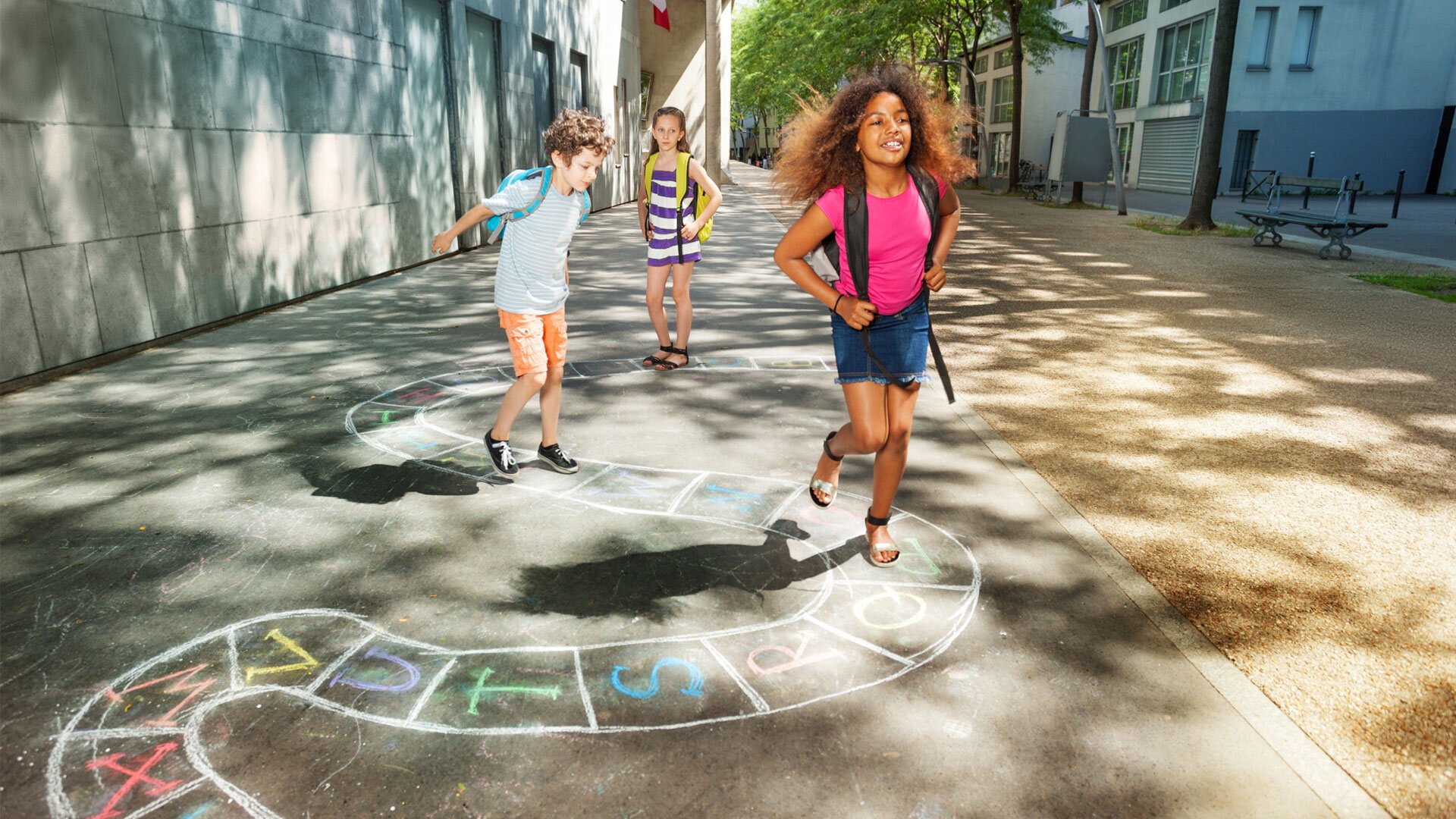
I remember standing near a schoolyard a while back, watching a group of kids turn a patch of concrete into a whole world. One drew boxes with chalk. Another argued about the rules. Someone shouted that they were “so out,” and everyone had an opinion. I caught myself smiling before I even knew why. A game I had not thought about in years came rushing back with the sound of sneakers scraping the ground.
That moment stayed with me because memory can be funny like that. You go through an ordinary day, then one tiny cue opens a door. A smell, a song, a phrase, a jump rope rhyme and suddenly you are carrying a whole scene in your mind. You can feel the weather. You can picture the faces. You can even remember the odd pride of winning something that had no trophy at all.
I’ll be honest, I used to think strong memory meant remembering names, dates and where I left my keys. Then I noticed something else. People who can quickly recall childhood games often hold on to layers of everyday life that matter just as much. They remember how a game felt, how a group moved together, how rules changed from one block to the next. That kind of recall says something about your autobiographical memory, which is your mind’s way of storing personal life moments.
Researchers have spent years looking at why certain periods of life stay vivid. One memory study explored how people organize important life memories and it helps explain why some experiences stick so well. Games from childhood often blend movement, repetition, emotion and social connection. That is a powerful mix for memory. When a game shows up in your mind right away, it can reflect the way your brain holds on to meaningful patterns.
There is also something deeply human about shared games. You may have grown up in a city, a suburb, or a quiet town. You may have played outside every day, or only once in a while. Still, if one of these games lights up your memory in seconds, your mind is doing something lovely. It is pulling old pieces together and showing you that they still belong to you.
So if these names make you pause, grin, or instantly picture the rules, take that as a small sign of a sharp personal memory. You are remembering more than play. You are remembering rhythm, people, place and the little rituals that shaped how you moved through the world.
1. Hopscotch
I remember seeing a faded hopscotch grid outside an apartment building and thinking how little it took to make a whole afternoon feel full. Just chalk, a small rock and a bit of balance. The boxes looked simple, yet my mind supplied the rest right away. I could almost hear someone saying, “Your turn,” with total seriousness.
Hopscotch tends to stay in memory because it uses several systems at once. You had to remember the order of the squares, keep your body steady and track where the marker landed. That blend of movement and attention can make a memory more durable. When your brain links action with emotion and repetition, recall often gets easier later on.
Years ago, I watched a child miss the square by an inch and collapse into laughter. Everyone else laughed too, then argued over whether it counted. That tiny scene felt familiar in a deep way. Childhood games often carried mini dramas and those emotional sparks helped stamp the moment into your mind.
There is also the visual side. A hopscotch board has a distinct shape and your brain loves strong visual patterns. Add the feeling of hopping on one foot and the memory gets even richer. This is one reason body-based memories can feel so immediate. You are remembering with your mind and with a faint echo in your muscles.
If hopscotch still lives in your head, you probably remember more than the name. You may recall the chalk dust on your fingers, the crack in the sidewalk, or the little thrill of landing cleanly in the final square. That kind of detail points to a memory that stayed well organized over time.
2. Double Dutch
I’ll never forget the first time I really paid attention to Double Dutch. Two ropes moved in smooth circles while one kid waited for the perfect second to jump in. The timing looked impossible from the outside. Then someone stepped in and found the rhythm like they had always known it. It felt like watching confidence turn physical.
Double Dutch stays memorable because rhythm is a strong memory cue. Your brain responds to repeated patterns, especially when they involve sound and movement together. The swish of the ropes, the counting, the chants and the cheering all create a vivid package. That package becomes easier to retrieve years later.
My friend once told me they could still hear the rope songs from childhood, word for word. They had forgotten plenty of classroom facts, yet those chants remained crystal clear. I understood exactly what they meant. Repetition, group energy and fun can make information stick in a way that feels almost effortless.
There is a social reason this game lasts in memory too. Double Dutch often involved teamwork, observation and trust. You had to read other people’s timing. You had to join the flow at the right instant. Experiences that blend skill with belonging often settle into long-term memory more deeply because they carry both challenge and connection.
Sometimes a game becomes memorable because it felt slightly beyond you. That edge matters. A task that stretches your focus can become more meaningful. Double Dutch asked for coordination, courage and a willingness to make mistakes in front of people. Those ingredients can make a memory feel alive even decades later.
If you still remember Double Dutch, your mind may be holding onto rhythm as much as rules. You might even feel the pace in your body for a second. That is a lovely sign that your memory stores experiences as full scenes, not flat facts.
3. Red Light, Green Light
I remember a group of kids freezing so hard during Red Light, Green Light that one nearly tipped over trying to stay still. Everyone was trying to look calm while their whole body vibrated with effort. It was funny and tense at the same time. That mix made the game feel bigger than its simple rules.
Red Light, Green Light can stick because it relies on impulse control. You had to move fast, then stop on command. Psychologists often talk about executive function, which includes skills like attention and self-control. Childhood games gave those skills a playful workout and your brain may remember them because they mattered in the moment.
One reason this game stands out is the snap change between motion and stillness. Sudden shifts create contrast in experience and contrast can help memory. The body remembers the urge to keep moving. The mind remembers the pressure of trying to hold still while someone watches.
There was a time when I saw adults playing a version of this at a family event and the room lit up instantly. The same laughter came back. The same tiny panic showed up on people’s faces when they had to freeze. That tells you something important. Some games leave such a clear blueprint that they can be reactivated in seconds.
If this game is easy for you to picture, you probably remember the voice calling the colors, the stop-start rhythm and the suspense of being caught mid-step. That is a good example of vivid recall, where movement, emotion and anticipation all work together.
4. Tag
Tag may be the purest childhood game I can think of. No equipment. Barely any setup. Just one person chasing, everyone else dodging and a lot of loud negotiation about what counted. I can still picture a yard or playground turning into a map of escape routes within seconds.
That simplicity helps memory. Games with clear goals are easy for the brain to file away. Tag also involved speed, surprise and social roles. For a few minutes, you were hunter, runner, strategist, or decoy. Your mind tends to remember moments when your role changes fast and you have to react on the spot.
I remember getting unexpectedly competitive during a casual game once. Suddenly every bench, tree and fence became useful information. It felt like the world had sharpened. That kind of alertness often helps memory because attention was fully engaged. Your brain was taking in space, people and movement all at once.
Another reason tag lingers is that it often came with local variations. Freeze tag, shadow tag, TV tag and all the little house rules made the game feel personal to your group. Memory gets stronger when an experience carries your own version of it. You are recalling the game and your community’s style.
Sometimes the strongest memories are built from repetition. Tag happened over and over, yet every round had a twist. Repeated experiences with small variations are great for memory because the structure stays familiar while the details keep changing. That keeps your brain interested.
If you still remember tag clearly, there is a good chance you also remember the feeling of being almost caught. That tiny burst of excitement is one reason everyday experiences can stay with you for years.
5. Hide-and-Seek
I still smile when I think about the drama of finding a hiding place that felt brilliant for about ten seconds. Behind a curtain. Under a table. Crouched beside something far too small to hide a whole person. Hide-and-Seek gave ordinary spaces a secret life.
This game often remains vivid because it turns place into memory. Your brain is especially good at storing spatial information. When you connect emotion to a location, the scene can hold on for a long time. That is why one old closet, staircase, or backyard corner can bring a whole wave of memories back.
My neighbor once laughed while describing the “perfect” hiding spot from childhood, then admitted everyone always found them there first. The funny part was how detailed the memory still was. They remembered the smell of the coat pile and the sound of footsteps coming closer. Those details show how strongly sensory memory supports personal recall.
Hide-and-Seek also had suspense and suspense is memorable. You waited in silence while listening hard. Your heart beat faster. You tried to decide whether staying still or making a run for base gave you the better chance. Experiences that combine fear, fun and focus often leave a strong imprint.
If this game lives clearly in your memory, you may be especially good at storing scenes, sounds and little emotional peaks. That kind of recall reflects the way meaningful moments get stitched together in the mind.
6. Simon Says
I remember how proud people looked when they made it through several rounds of Simon Says without slipping up. Then one tiny mistake would happen and the whole group would burst into laughter. The game was simple, yet it asked for real concentration. You had to listen carefully, move quickly and hold back when the cue was missing.
That demand on attention is a big reason the game sticks. Simon Says trains listening, working memory and inhibition, which is your ability to pause an automatic response. Those skills are part of how you manage everyday thinking. When a game gives those skills a playful setting, the memory can stay bright because your brain was fully involved.
It took me a long time to realize how much childhood games were teaching us while we thought we were just being silly. Simon Says is a perfect example. You had to process language and action in real time. You had to separate signal from noise. That mental sorting creates a strong imprint.
There is also the social layer. Someone had power for a moment, everyone else watched closely and one phrase determined what happened next. Social attention tends to deepen memory because people are wired to care about group signals. Your mind remembers the tone of voice, the timing and the split-second choice to move or stay still.
Sometimes I catch adults using a version of this skill in daily life without even noticing. They listen for the real request hidden in a rush of words. They hold back before reacting. That pause is part of what Simon Says practiced so well and it helps explain why the game can still feel familiar after so many years.
If the phrase “Simon says” instantly triggers a voice in your head, that points to auditory memory doing its job. Sound has a direct way of carrying old experiences back to the surface.
7. Four Square
I remember Four Square feeling far more serious than a chalked court should have felt. There were rankings, rules, disagreements and a very clear sense that each square mattered. One bounce too high or too low could set off a whole debate. Somehow that made the game even better.
Four Square tends to remain memorable because it blends structure with surprise. The court is fixed. The rules are clear enough to start. Then personalities take over. A game becomes easier to remember when it has a stable frame and lots of unpredictable moments inside it.
My friend once described Four Square as childhood office politics with a playground ball and I laughed because the comparison fit. There were alliances, power shifts and unofficial customs that everyone somehow understood. Social strategy often sharpens memory because you are tracking more than one thing at once.
Another reason this game stays with people is repetition with stakes. You touched the ball again and again, but each touch had consequences. Repeated actions with instant feedback help the brain learn quickly. They also make memories feel organized and easy to retrieve later.
If you still remember Four Square, you may recall the exact bounce of the ball, the chalk lines and the person who always had a trick serve. That kind of detail suggests a strong pattern memory, where rules and repeated actions create a lasting mental map.
8. Red Rover
Red Rover had a dramatic quality that made every round feel important. A line of people. Clasped hands. One name called out with total confidence. Even now, I can remember the anticipation in the air before someone ran forward. It was a game full of build-up.
Games with strong build-up tend to stay in memory because anticipation itself is powerful. Your brain starts preparing before the big moment arrives. That means attention rises, emotion rises and the whole scene becomes more memorable. Red Rover delivered that feeling every single round.
There was a family gathering once where someone mentioned this game and three people immediately demonstrated how they used to brace their hands. Nobody had planned to talk about childhood that day. The memory came alive on its own. That is often how durable memories work. They sit quietly until a familiar cue wakes them up.
Red Rover also carried a strong group identity. You stood with your side, watched the other side and felt the moment as part of a team. Shared emotional experiences often stay with people because memory is social. We remember what we lived through together, especially when the group energy was high.
The physical side matters too. Running, impact, tension and release all give the body something to remember. When physical sensation joins emotion, memory often gets a stronger hold. That is part of why emotion-rich memories can feel vivid long after the event is over.
If Red Rover still sparks a clear picture in your mind, your memory may be especially responsive to scenes with suspense, teamwork and body movement. Those are potent ingredients for recall.
9. Mother, May I?
I always found Mother, May I? charming because it turned manners into strategy. You had to ask. You had to wait. You had to hope the answer moved you closer instead of sending you back. The pace was slower than many playground games, yet the tension was real.
This game can stay memorable because it links language to movement in a very clear way. Every action began with a request. That sequence creates a neat mental chain and neat chains are easier for the brain to store. You remember the words, the pause, the permission and the step that followed.
I remember hearing different versions of the requests depending on who was leading. Giant steps felt dramatic. Baby steps felt cruel when you were trying to catch up. Those small differences gave the game personality. Memory often loves personality because it turns a rule into a scene.
There is also a lesson in delayed reward here. You wanted to rush ahead, yet the game asked for patience and attention. Experiences that require you to hold back can become memorable because they engage self-control in a very specific way. That makes the moment feel mentally active rather than passive.
If Mother, May I? still sounds familiar, you may be holding onto the rhythm of turn-taking, polite wording and playful frustration. That is a sign of well-layered memory, where social tone and action stay connected.
10. Duck Duck Goose
Duck Duck Goose might be one of the first games many people ever loved. I can still picture a circle of kids leaning in, trying to act calm while secretly hoping they would or would not be picked, depending on the day. The suspense lived in a single tap on the head. Then everything exploded into motion.
Early memories often stay unevenly, which is why this game is interesting. Many adults have patchy recall from their earliest years, yet certain repeated group experiences remain clear. A simple game with a circle, a chant and a chase creates a pattern that is easy to store. Repetition gives the memory shape. Emotion gives it color.
I once watched a very young child learn this game for the first time. At first they seemed confused. Within minutes they were watching every move with total focus. That quick learning makes sense. Human brains are highly tuned to rhythm, faces and social turns. Duck Duck Goose brings all three together in a way that feels instantly engaging.
The chant matters too. Words repeated in a sing-song pattern are easier to remember than random instructions. Add the excitement of waiting to be chosen and the game becomes much more than a circle on the floor. It becomes a mini story with tension, surprise and a fast ending.
Another reason the game lasts in memory is that it often happened in a group setting where adults were nearby and kids were fully visible to one another. Those social environments can feel safe, lively and important. Memory tends to keep moments that carry a sense of belonging. That sense can linger even when the details blur.
If Duck Duck Goose still springs to mind right away, that says something lovely about your childhood recall. Your memory still knows how to reach for the small, joyful patterns that helped shape your early world.