


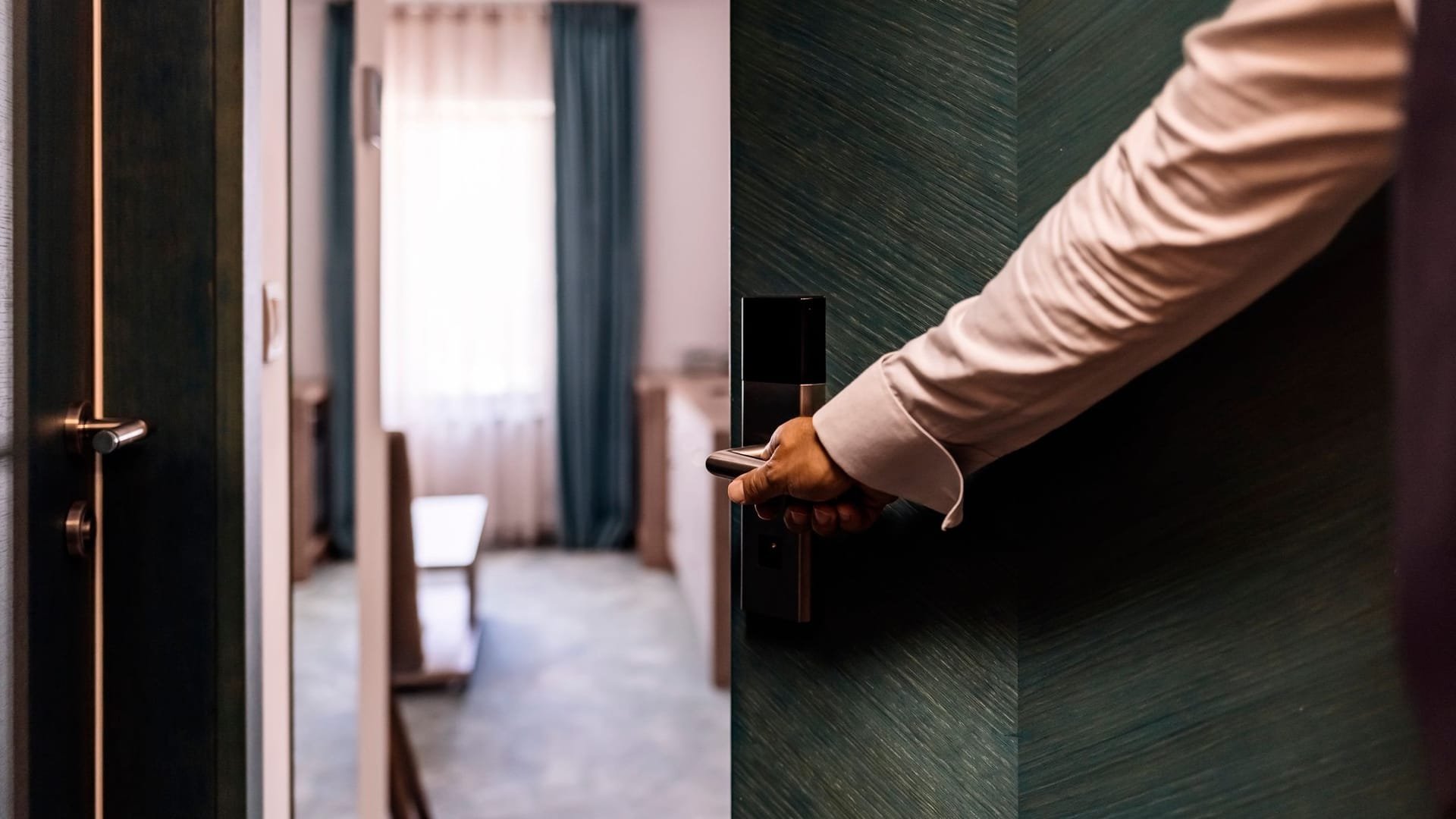
I remember rushing into a coffee shop one rainy afternoon with my mind already three tasks ahead of my body. My bag was slipping off my shoulder. My phone was buzzing. I was focused on getting inside fast. Then someone behind me reached for the door at the same time I did, smiled and held it open for a parent pushing a stroller. The whole moment lasted maybe three seconds, yet it changed the feel of the room for me.
That tiny act stayed with me longer than my coffee order did. I kept thinking about how easy it is to move through the world like everyone else is background noise. I do it too. Most of us do when life gets loud. Still, the people who pause and make space for others seem to carry something steady inside them.
There was a time when I thought holding the door was just good manners. I still think that matters. But over the years I’ve started to see it as a little window into someone’s inner life. You can learn a lot from the small choices people make when there’s no reward waiting for them.
I’ve watched this in grocery stores, office buildings, schools, airports and apartment lobbies. The person who notices a stranger coming and adjusts their pace for two extra seconds often shows the same kind of awareness in bigger moments. They read the room. They care about flow. They notice when someone needs a hand before words even arrive.
The thing is, everyday courtesy often reflects deeper social strengths. It can point to empathy, emotional steadiness, patience and a healthy sense of self. Those qualities rarely announce themselves with a spotlight. They show up quietly. They show up in doorways.
So if you always hold the door for strangers, or if you love people who do, these traits may feel very familiar.
1. You Pay Attention to Other People
I’ll be honest, there are days when I walk through a place like I’m wearing blinders. My brain is full. My schedule is tight. On those days, I can pass three people and barely register their expressions. That’s why I notice attentive people so quickly. Their presence has a different texture.
Holding the door starts with social awareness. You see someone coming. You register their pace. You make a quick choice that includes them in your mental picture of the moment. That may sound small, yet it reflects an important habit. You move through public spaces while remembering that other people are having a full experience too.
Years ago, I was carrying an awkward stack of folders into a building and someone several steps ahead slowed down and waited. They had no reason to. They had already reached the door. What struck me was their timing. They must have noticed me long before I noticed them. That kind of attention is often a sign of emotional maturity.
People who pay attention tend to catch subtle details. They notice fatigue in a coworker’s voice. They notice when a friend goes quiet. They notice when a cashier looks overwhelmed. In daily life, this can make you easier to trust because others feel your awareness before they can name it.
There’s also a practical side to this trait. Attention helps relationships run more smoothly. You’re more likely to respond with care because you actually saw what was happening. A held door becomes one example of a larger pattern, you notice people and people remember that.
2. You Respect Shared Space
My friend once told me that the fastest way to learn about someone is to watch how they act in a parking lot. I laughed when I heard it, then I started paying attention. Shopping carts left loose. People blocking aisles. Drivers inching forward as if the world belongs to them. Shared spaces reveal a lot.
When you hold the door, you show respect for the fact that public life is something we build together. Hallways, sidewalks, waiting rooms, elevators and entryways all work better when people move with a little consideration. You understand that your convenience is only one part of the picture.
I felt this sharply in a crowded office building once. Everyone was trying to leave at the same time. One person kept charging ahead and the whole flow got tense. Another person paused, held the door and let a few people through in an orderly way. The energy changed almost instantly. Courtesy often creates shared ease.
This trait matters because respect for space often goes hand in hand with respect for boundaries. You tend to sense when to step forward and when to give room. You leave enough physical space. You keep noise in check. You understand that being around others works best when everyone gets a little breathing room.
That awareness can make you a calming presence in daily life. People often feel more comfortable around someone who naturally considers the group. You help ordinary places feel more humane and that is a real strength.
3. You Step In Without Fuss
I remember standing near the entrance of a library while someone struggled with a stroller and a tote bag. Before I could even decide whether to help, another person stepped forward, opened the door, smiled and moved on. No speech. No performance. No need to be thanked three times. It was clean and easy.
That kind of behavior points to quiet initiative. You don’t always wait for a formal request. When the need is obvious, you act. In psychology terms, everyday helping often reflects a readiness to respond to small social cues. It shows that your attention turns into behavior.
Sometimes people imagine helpfulness as something dramatic. In real life, it is often simple. You hold a door. You pick up the dropped glove. You offer the empty chair. You let someone merge in traffic. These acts matter because they reduce friction for other people. They make life feel less sharp around the edges.
It took me a long time to realize how powerful this is. I once worked with someone who was brilliant in meetings but strangely absent in small moments. Another coworker was quieter, though somehow everyone relaxed around them. They were the person who refilled the printer paper, checked whether anyone needed coffee and held the door when people’s hands were full. Helpful people often build trust before they ever speak about teamwork.
You may carry this trait if holding the door feels automatic. Your mind seems to ask, “What would make this easier right now?” That habit can benefit friendships, work and family life. People often feel safer with someone who is willing to help without turning it into a scene.
And yes, there is confidence in that. You don’t need applause to do the decent thing. You just do it. That kind of steady action has its own quiet power.
4. You Carry Quiet Empathy
I admit this is the trait that moves me most. A few winters ago, I was limping slightly after a long day, trying to hide it and get through the door of a pharmacy. Someone noticed right away and held it open with a kind expression that said they had already understood enough. I still remember the relief of that moment.
Empathy often shows up before words do. When you hold the door for a stranger, you may be responding to a fast inner thought, maybe their hands are full, maybe they’re tired, maybe this small gesture would help. That quick mental shift toward another person is the heart of everyday empathy.
There is even some research suggesting that people with stronger helping tendencies often score higher in traits linked with empathy and agreeableness. In plain English, people who regularly act with care often have a natural ability to tune in to others and respond in generous ways.
Quiet empathy has a gentle style. It doesn’t need dramatic language. It notices, adjusts and offers relief where it can. That can be powerful in relationships because people feel less alone around someone who catches the little things.
I’ve seen this trait in friends who always remember who hates crowded rooms, who needs extra time, or who gets flustered when everyone talks at once. The same instinct can appear in a doorway. You make room because some part of you already understands that small moments can feel big to the person living them.
5. You Value Small Acts of Kindness
There was a stretch of time when life felt especially heavy for me and I noticed something interesting. The grand gestures people imagine as life-changing were rare. What actually got me through were tiny kindnesses. A text that arrived at the right moment. Someone letting me go first in line. A stranger holding the door while I balanced too many things in my arms.
People who hold the door often understand the value of small kindness. You don’t dismiss a brief gesture just because it is brief. You know the day-to-day emotional climate of life is built from little exchanges. A warm tone. A bit of patience. A simple act of care. These moments accumulate.
This mindset matters because it shapes how you relate to others. You are more likely to believe that your behavior affects the mood of a room. That belief can make you more intentional. You realize that daily life offers many chances to lower stress and raise goodwill.
My neighbor is like this. They wave to everyone, carry packages upstairs for older residents and somehow make the building feel friendlier without ever trying to be the center of attention. Watching them changed me. I started to see that kindness often works best through repetition, not intensity.
When you value small acts, you also become more likely to receive them. You notice them. You appreciate them. Gratitude tends to sharpen your eye for goodness in the ordinary. That makes the world feel a little less cold and it helps you become one of the people who warms it.
6. You Stay Considerate Under Pressure
I’ve found that courtesy becomes most revealing when people are rushed. Anybody can be polite on a relaxed afternoon. The harder test comes when you’re late, distracted, or stressed. That’s where patterns show up.
I remember racing into a medical building once because I was cutting it close. My first instinct was pure tunnel vision. Then I saw someone a few steps behind me moving slowly with a cane. I held the door and waited. It cost me almost nothing. Yet I felt a strange pride afterward because I had chosen patience under pressure instead of panic.
When you keep your manners in tense moments, you show emotional regulation. You can feel urgency without letting it run the whole show. That is a valuable life skill. It helps in conversations, in conflict and in any setting where stress can shrink your perspective.
Considerate people often create a buffer between impulse and action. In that small pause, you remember your values. You remember that other people exist. You remember that two extra seconds rarely ruin a day. This kind of steadiness can make you someone others rely on.
It also suggests inner security. People who are deeply rattled by every inconvenience usually act as if every moment is a threat. People who stay considerate often carry a more grounded sense of self. They can bend a little without feeling diminished.
The thing is, kindness during easy moments is lovely. Kindness during pressure shows real composure. That is one reason a simple door-holding habit can say so much about character.
7. You Make People Feel Seen
Few things are more memorable than the feeling of being acknowledged by someone who had every chance to ignore you. I’ve felt that in airports, in crowded stores and in office lobbies when I was tired and anonymous. Then one person makes eye contact, shifts their body and holds the door with a small nod. Suddenly I feel visible again.
Making people feel seen is one of those skills that sounds soft until you realize how deeply humans need it. We are social creatures. Tiny signs of recognition can affect mood, belonging and even stress levels. A held door can carry the message, “I noticed you. You matter in this moment.”
I once met someone at a community event who seemed to know how to do this with everyone. They remembered names quickly. They listened fully. They welcomed late arrivals with warmth instead of irritation. Their behavior around doors matched the rest of them. They created human connection in passing moments.
This trait often overlaps with warmth and emotional intelligence. You understand that many people are carrying invisible burdens. A little acknowledgment can soften a hard day. You may never know what someone is going through, yet your behavior gives them a brief experience of being treated with care.
That matters more than people admit. In a culture that often rewards speed and self-focus, making someone feel seen is a generous act. It can lift the tone of an interaction before a single conversation begins.
8. You Lead With Good Manners
I used to think manners were mostly about formal rules people memorized as kids. Over time, I’ve come to see them differently. Good manners are often a practical language of respect. They help strangers share space with less friction and more dignity.
Holding the door is one example of everyday courtesy. It says you care about how your behavior lands. You are willing to offer a little convenience, a little grace and a little order. Those things sound modest, yet they shape how communities feel.
My family always appreciated people with steady manners. Nobody made a big speech about it. They simply trusted them more. The person who says thank you, arrives prepared, lowers their voice in crowded places and holds the door tends to signal reliability. Manners often work as visible evidence of invisible values.
There is also generosity in choosing simple respect over indifference. Good manners help everyone keep moving with less tension. They protect the social fabric in small ways. They make encounters smoother and they reduce the tiny abrasions that can wear people down.
Some people hear the word manners and think of stiffness. I think of care. I think of the people who make daily life easier to move through because they carry respect in action. If you hold the door for strangers, you probably do this more often than you realize.
9. You Bring Calm Social Confidence
Confidence has many styles. Some of it is loud and obvious. Some of it is quiet enough to miss if you only look for big personalities. I’ve come to admire the quieter kind more and more.
When you hold the door for a stranger, you often show calm confidence. You are comfortable making brief eye contact. You can acknowledge another person without awkwardness taking over. You don’t need to retreat into yourself every time a social moment appears.
I remember being around someone at a busy event who moved through the room with a steady ease. They introduced people, made room in conversations and held doors as if kindness were simply part of how they walked through the world. Nothing felt forced. That left a bigger impression on me than the most charismatic person there.
Social confidence often includes poise, self-respect and a willingness to interact with warmth. It helps you offer kindness without overthinking how it will be received. That’s useful in friendships, work settings and everyday encounters because ease is contagious.
You may also have a grounded sense of identity. Secure people usually don’t treat courtesy as a risk to their status. They can be generous, flexible and gracious because they aren’t protecting themselves every second. There is strength in that softness.
So if you are the person who keeps an eye on the door behind you, take that habit seriously. It may reflect more than politeness. It may reveal a person who is attentive, empathetic, composed and strong in the ways that matter most when nobody is grading your character but life is noticing anyway.