



You are walking through a store when a ’70s jingle plays over the speakers. Before you even think about it, the lyrics roll out of your mouth, word for word. You do not remember what you walked in to buy, but you remember that song like it is 1976.
Moments like that can feel strange. You might joke that your brain only makes room for “old stuff.” In reality, those vivid memories can be a quiet sign that certain parts of your memory are still working very well.
Researchers have even found a group of older adults whose memory tests look more like people decades younger. They are sometimes called SuperAgers. In one NIH study their episodic memory, the kind that stores personal life events, stayed surprisingly strong.
You do not need to be a lab subject to notice this in your own life. Your daily flashes of the ’70s, the music, the living room, the friends, all tell a story about how your brain has cared for those years.
This is not about perfection. Everyone forgets things. It is about the memories that come back to you in full color. If several of the signs below sound like you, your brain may be holding on to more than you think.
1. You Remember ’70s TV Theme Songs And Jingles Word For Word
Think about how many theme songs you can still sing from start to finish. Maybe you can hear the opening notes and the words just appear. That kind of crystal clear recall suggests your brain built strong links between the tune, the words and the feelings you had while watching.
Music has a special pathway into memory. It connects rhythm, emotion and repetition. If you can sing those jingles without effort, it hints that your strong associative memory is still doing good work.
There is also joy in it. When you sing along, your mood often shifts. You remember who you watched with. You recall snacks on the coffee table. A simple tune turns into a whole scene in your mind.
You can even use this as a small brain ritual. Put together a personal nostalgia playlist of songs or themes from the ’70s. Sing along in the car. Notice which shows and jingles bring back the clearest images.
If you want a tiny challenge, try recalling a theme song you have not heard in years. Hum what you remember, even if it feels silly. When the lyrics pop back, you are watching your memory search and find a path that has been there for decades.
2. You Can Picture Your Childhood ’70s Living Room In Detail
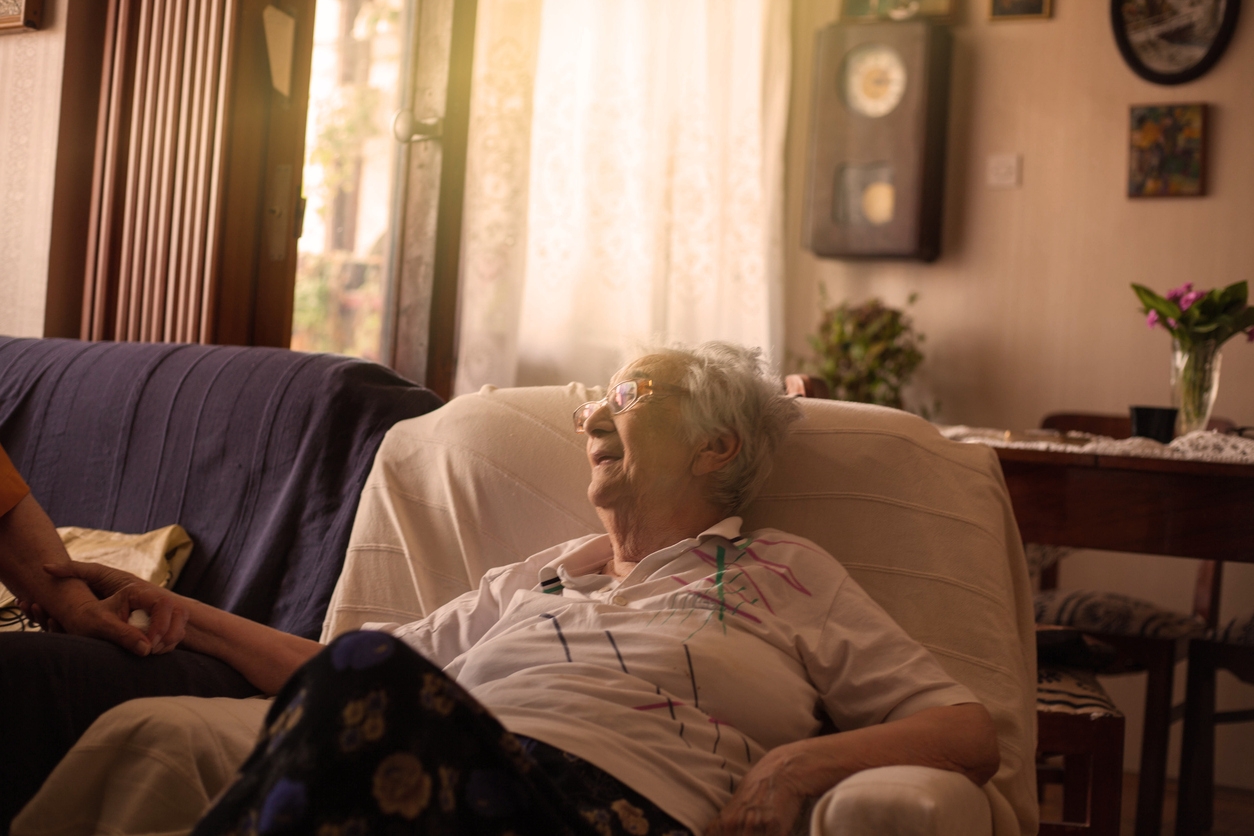
Close your eyes for a moment and walk into your childhood living room. Many people can still see the exact couch pattern, the color of the shag carpet, or the way the TV sat in a big wooden cabinet. That kind of vivid sensory details points to a healthy visual memory system.
What stands out first for you. The curtains. The lamp. Maybe a stack of magazines on the side table. When you can mentally “place” objects in the room, it shows that your brain stored not just feelings, but layout and shape as well.
Memories like this are a form of mental time travel. You are not just recalling a single item. You are stepping back into a whole space. If you can almost feel the texture of the couch or the coolness of the floor under your feet, your brain is blending past sight, touch and emotion.
Sometimes small details surprise you. You might suddenly remember the sound the door made when it closed, or the click of the light switch. These little extras are like bonus clues and they show that your memory stored more than you realized.
You can turn this into a gentle game with friends or family. Each person describes their childhood ’70s living room. No phones, no photos, just description. You may be amazed by how much you can all reconstruct, from wallpaper patterns to the exact spot where the remote always went missing.
3. You Recall Specific Outfits You Wore In The ’70s
Bell-bottoms in a bold print. A dress you wore to a school dance. The jacket you saved up for and wore until it fell apart. When you can remember outfits from decades ago, often along with how you felt in them, it signals a strong link between memory and identity.
Clothing is personal. It touches your skin, it shows your taste and it often marks big moments. If you can picture a certain shirt and know exactly where you were when you wore it, you are using your sharp episodic memory, the kind that holds life stories.
There is also emotion in these memories. Maybe you recall feeling cool for the first time, or nervous at a party, or proud of a handmade outfit. Those feelings help lock the memory in, which is why you can still see the colors and patterns today.
Try thinking through one year of the ’70s and see how many “signature” outfits you can list. You might remember school clothes, weekend clothes and a favorite pair of shoes. Each one is like a snapshot of who you were becoming.
These memories are not about fashion alone. They show how your brain keeps track of you. When your old outfits come back in such detail, it is a sign that your sense of self and the memories tied to it, is still very active.
4. You Can Describe Your First ’70s Car Or Bike Like It Is In Front Of You
Many people can close their eyes and see their first car or bike almost perfectly. The color, the shape of the handlebars, a dent in the door, even a sticker on the window. If you can do that, your brain is holding a clear visual map of a very meaningful object.
Your first real set of wheels often meant freedom. Road trips, late night rides, visits to friends. Those emotionally charged memories help keep the image fresh. The brain tends to protect moments that felt like turning points.
Details matter here. Maybe you remember the exact sound the engine made, or the way the seat felt after sitting in the sun. You might recall the radio presets, or a small good luck charm on the mirror. The more of these details you can list, the more clues you have that your memory is still richly layered.
Stories about that car or bike are another sign. If you can retell the tale of a long summer drive or a silly breakdown with friends and you see the scene play out in your mind, it shows how your memory strings events together.
You can even sketch the car or bike from memory as a fun exercise. It does not need to be perfect. The act of drawing may remind you of even more, like a worn pedal, a missing hubcap, or the exact curve of the front bumper.
5. You Remember The Smell And Sound Of Your Favorite ’70s Hangout
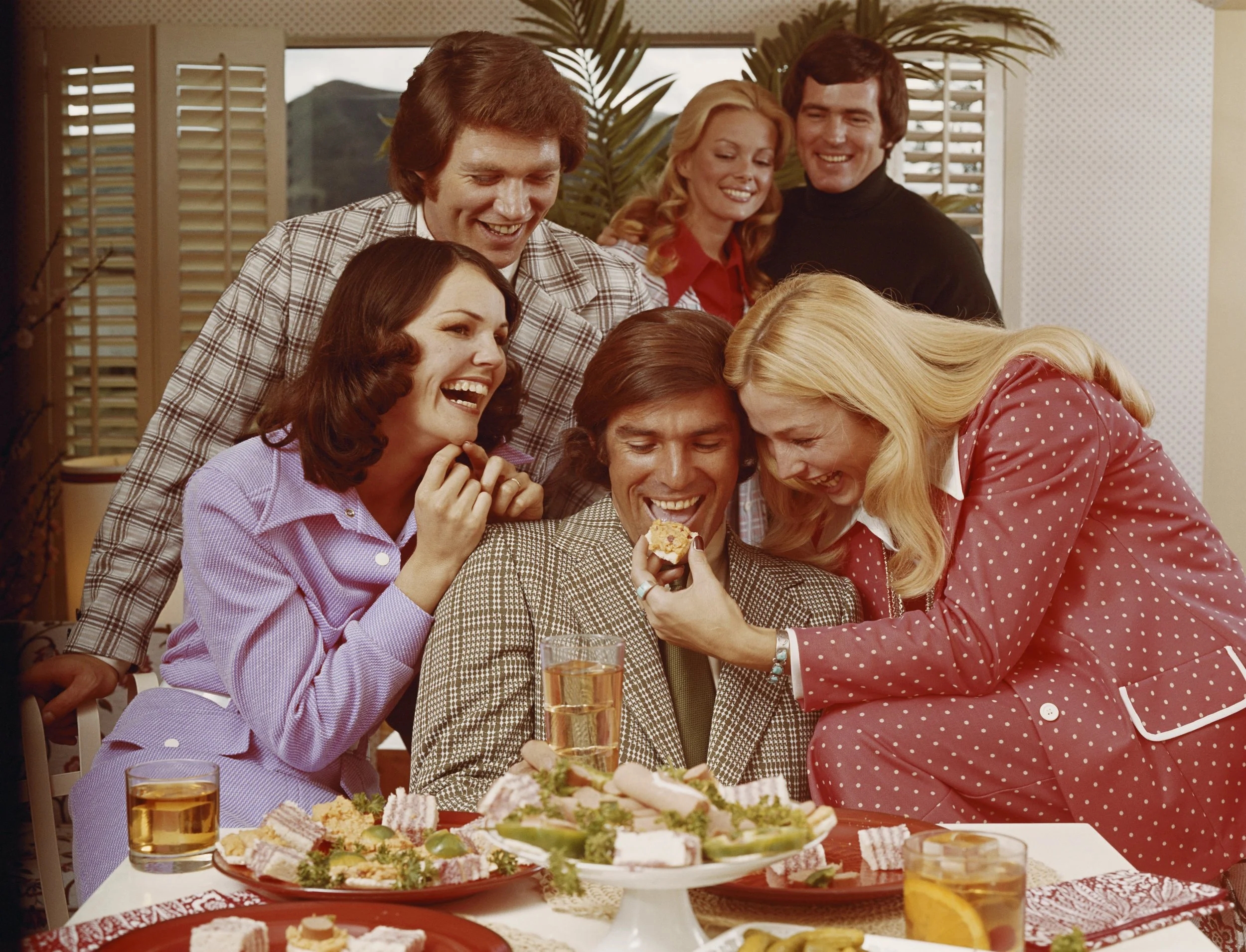
Some memories arrive through the nose and ears first. One whiff of popcorn and you are right back at the drive-in.
Think about your favorite ’70s hangout. Maybe it was a record store, a diner, a school gym, or a friend’s basement. If you can recall how it smelled, popcorn, smoke, perfume, old books and also the sounds, music, chatter, clinking glasses, your brain is blending senses in a powerful way.
Smell is closely tied to memory. When you remember the scent of a place with such strength, it suggests that the memory was deeply stored. Add in the soundtrack of that space, the song on the jukebox or the echo of sneakers on a gym floor and you have a full scene.
Notice how fast these memories appear. Sometimes a current smell, like a certain cologne or food, pulls you into the past before you even name it. This quick jump shows how ready your memory is to match present cues with past experiences.
You can play with this by building small “time capsules” through scent. Light a candle that reminds you of a place, or cook something that was popular when you were younger. As the smell fills the room, see what stories your mind brings back from that old favorite spot.
6. You Can Replay Whole Conversations From Big ’70s Moments
Not everyone can do this, but some people can hit “play” on a memory and hear a full conversation from years ago. Maybe it was a talk with a parent before leaving home, a late night chat with a friend, or words from a teacher that changed how you saw yourself.
If you can remember not just the topic, but the actual lines people said, it points to a strong ability to store and retrieve language. Your mind tagged that moment as important, so it kept a clear record of the words.
These memories often come with a location and feeling too. You remember where you were standing, what the weather was like, how your body felt during the talk. This mix of dialogue and context is another example of rich episodic memory.
Of course, no memory is perfect. The exact wording may have shifted over time. Still, the fact that you can replay the scene and it feels real and grounded, is a useful sign that your brain is still weaving stories together in detail.
Try gently revisiting one of these conversations in your mind. Notice what comes first. A key phrase. A tone of voice. A look on someone’s face. Each piece shows how your memory uses both words and emotion to keep what mattered most.
7. You Recall Exactly Where You Were For Major ’70s News Events
Ask yourself where you were when you heard about a big event in the ’70s. A political shift. A famous concert. A cultural shock. If you can instantly place yourself, maybe in a classroom, at work, in the car, that is a classic sign of what psychologists call flashbulb memories.
These are vivid snapshots of where you were when you learned important news. You remember your own scene, even though you were not inside the event itself. Your brain treated the moment like a photograph, complete with setting and emotion.
Some people can describe who they were with, what they were wearing and what they said out loud when they heard. If that sounds like you, it suggests your memory is still good at linking world events with your personal life story.
Over time, small details might blur. Maybe you mix up the time of day or what you had for lunch. That is normal. The key sign is that the core memory feels solid. You know where you were, who told you and how your body reacted.
Talking with others about these shared moments can be eye opening. Each person adds their own angle, but you may find that your version holds steady. When your memory of where you were survives so many years, it points to a mind that still organizes life around key turning points.
8. You Still Know The Rules Of Your Favorite ’70s Games And Toys
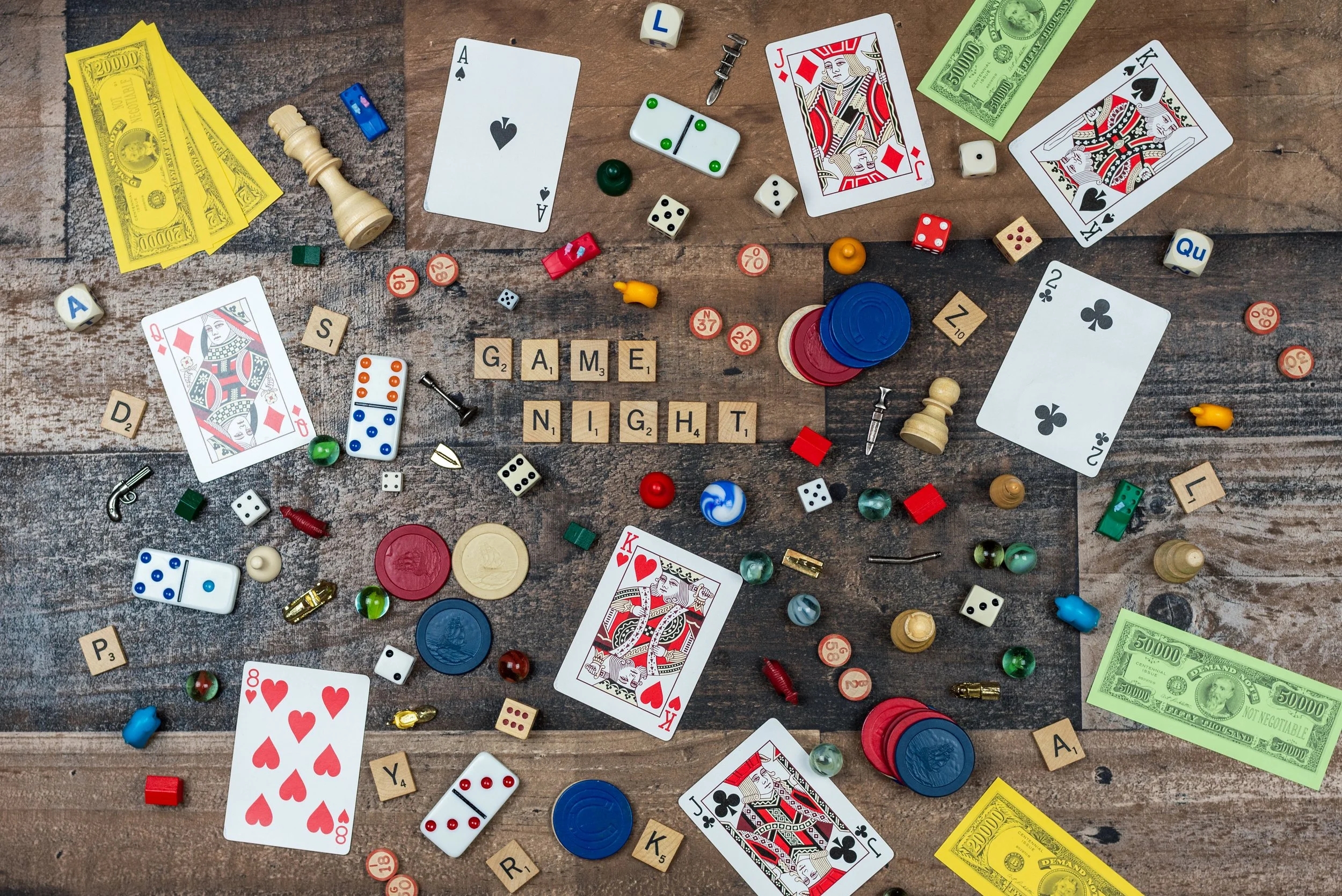
Pick a game you loved in the ’70s. A card game, a board game, pinball, a favorite toy with a very specific way to use it. Can you explain the rules right now, without looking anything up. If so, your procedural memory, the “how to” part of memory, is hard at work.
This type of memory often stays strong, even when other types feel slower. Once your brain learns a set of steps, like how to play a game or ride a bike, it holds on tight. If the rules of those old games come back easily, that is encouraging.
You might also remember little tricks or “house rules” from your group. Maybe you always started from a certain corner, or had your own way to keep score. These quirks show how personal and social each game became.
Try teaching a younger person one of these games. As you explain, notice how quickly the details flow. You may even remember the look of the box, the feel of the pieces, or the exact sound they made on the table. Those extras show that more than one memory system is involved.
Playing again can be surprisingly moving. Your hands find the pieces. Your body remembers how to shuffle, stack, throw, or spin. All of this hints that your brain has stored a rich mix of action, rules and enjoyment from that time in your life.
9. You Effortlessly Match Names To Faces From Your ’70s Social Circle
For many people, names are the first thing to go. So if you find that you can still match a long list of ’70s faces to their full names, that is worth noticing. It suggests that your social memory is holding up well.
Think about an old class photo or a group from your first job. If you can go down the line and say who is who, you are drawing on a deep store of connections. Your mind linked each face, name and personality and kept that link for decades.
This kind of memory also reflects how important those people were to you. Friends, rivals, crushes, mentors, the brain shines a light on relationships that mattered. When those names pop up without effort, it is a sign that your inner map of people is still clear.
You might even remember personal details. Who loved a certain band. Who always had a joke. Who helped you with homework. These extra facts show that your memory holds whole stories about people, not just surface labels.
If you ever bump into someone from that time and recognize them right away, it can feel almost magical. In truth, it is your brain doing skilled pattern matching. It sees the shape of the face, the way they move and matches it with an image stored long ago, something that points to real cognitive reserve in that area.
All of these signs do not mean you never forget where you put your keys. Everyday slips are human. They do suggest, though, that the part of your mind that cares about stories, people and moments from the ’70s is still very much awake.