


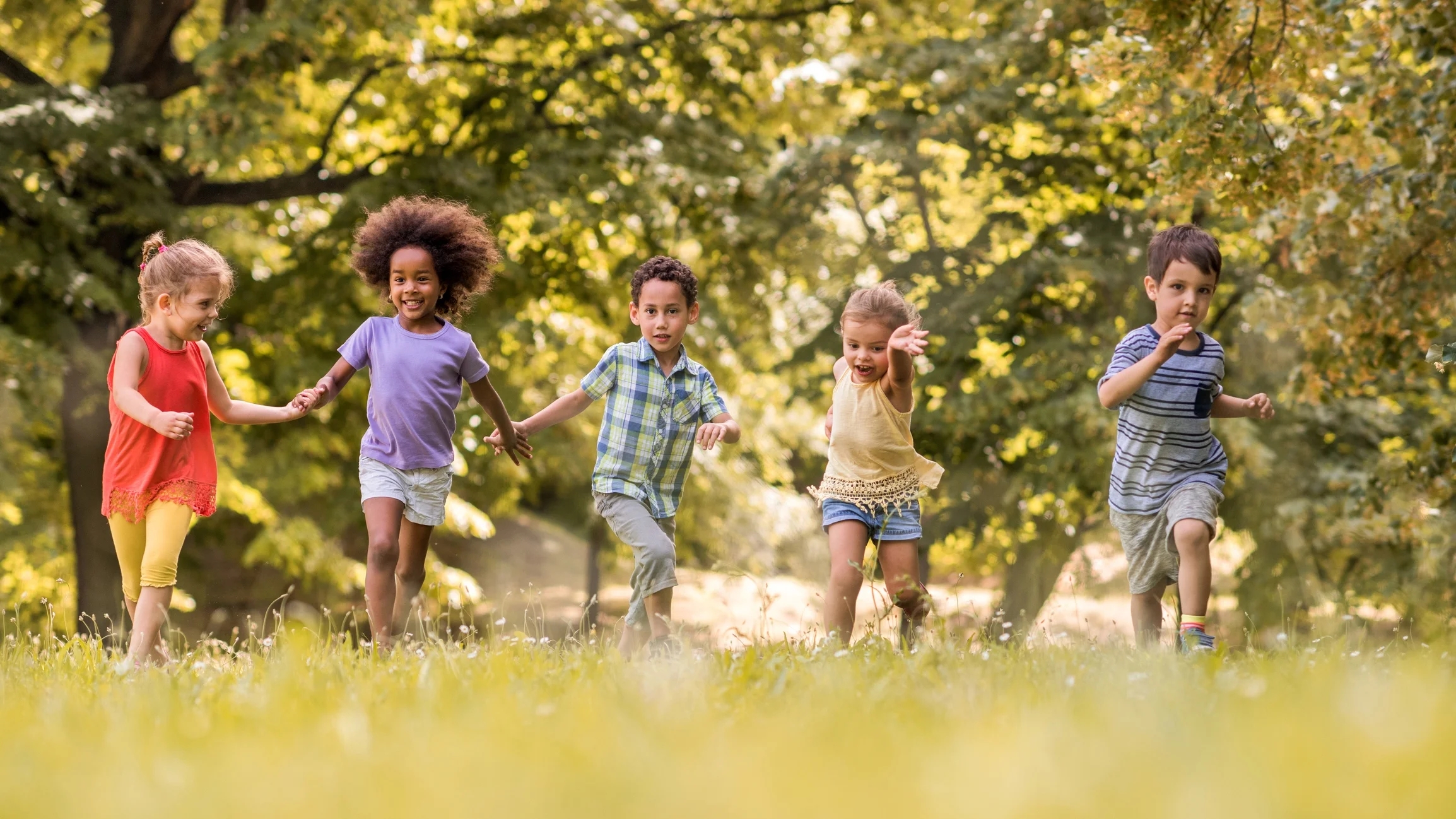
The school bell rang and for a lot of 70s kids, that sound felt like a starting gun. Bags were dropped, bikes were grabbed and whole afternoons opened up with very few rules and almost no adults watching.
Maybe you lived that life. Maybe you only heard about it from an older friend or a parent who swears their entire childhood took place outside, on a bike, with a pack of kids and a streetlight as the only curfew.
Today, the idea of a child disappearing into the neighborhood for hours can make parents feel nervous. Phones, tracking apps and school newsletters about safety have reshaped what after school looks like. Many kids move from classroom to car to activity and back home again.
Yet those 70s afternoons did something powerful. They taught kids to read social cues, handle boredom and take small, real-world risks. They also created memories that still feel vivid decades later.
Looking back at these everyday “wild” habits from the 70s can help you see why that generation talks about freedom so much and why modern parents often feel torn between safety and independence.
Here are nine after school rituals that felt totally normal then and would send many adults into a full panic now.
1. Walking Home From School Completely Alone
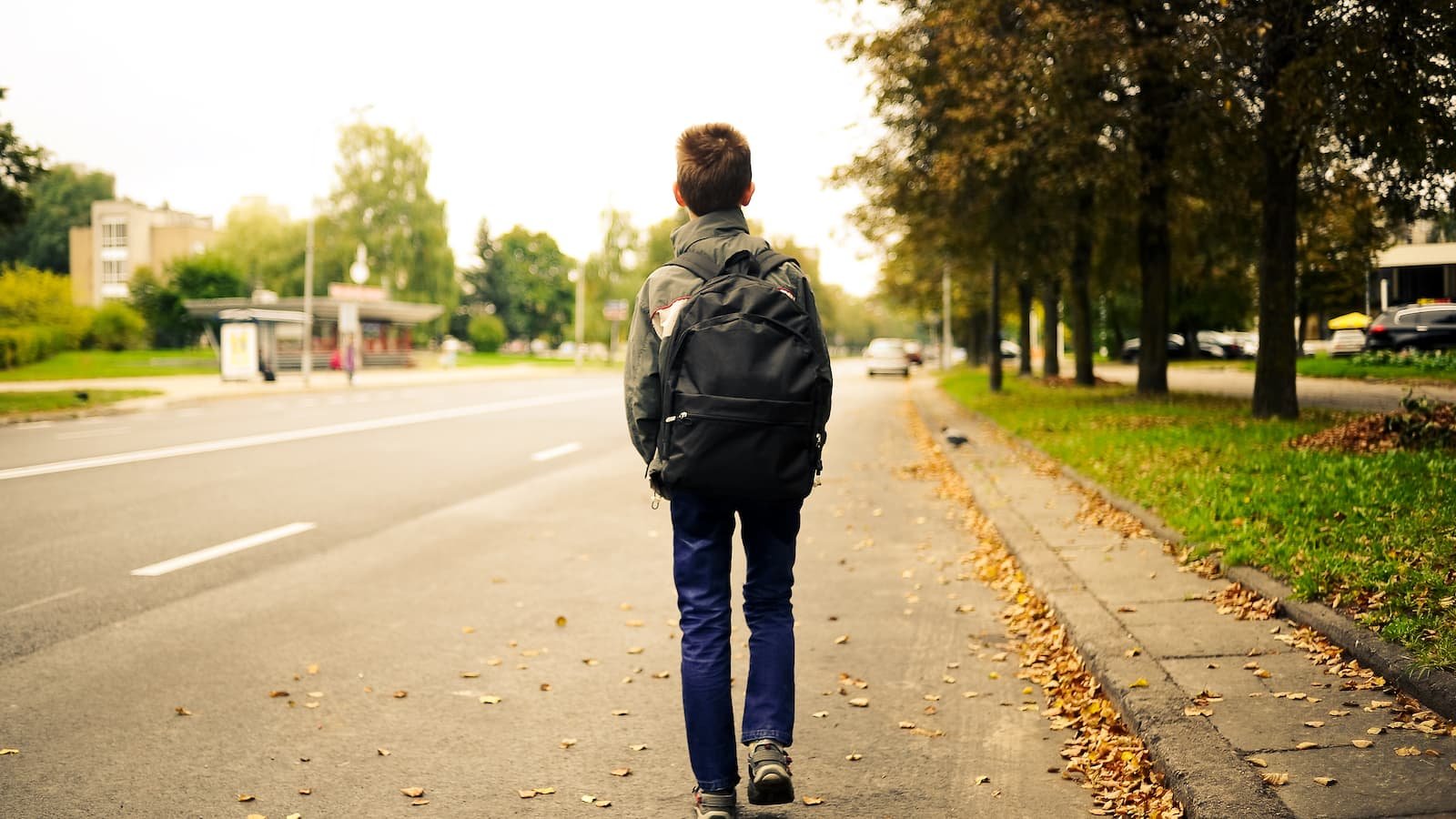
Picture a line of kids spilling out of the school doors, then scattering in every direction. Many 70s kids walked home on their own, sometimes for several blocks, sometimes even across town.
For those kids, the walk home felt like a daily adventure. You learned shortcuts, memorized every crack in the sidewalk and noticed who had the best climbing trees. That short stretch of time became a small private world between school and home.
Psychologists sometimes talk about kids’ independence in terms of “small freedoms.” Walking home alone was one of those. You managed your own body in public space, watched for cars, crossed streets and handled minor problems on your own.
For many parents today, that same walk triggers worry about traffic, strangers and what could go wrong in a few minutes. So pick-up lines curl around schools and backpacks land straight into back seats instead.
Still, if you remember those solo walks, you might also remember the pride. You were trusted. You knew your route. You felt capable as your key turned in the door.
2. Roaming The Neighborhood On Bikes Until Dark
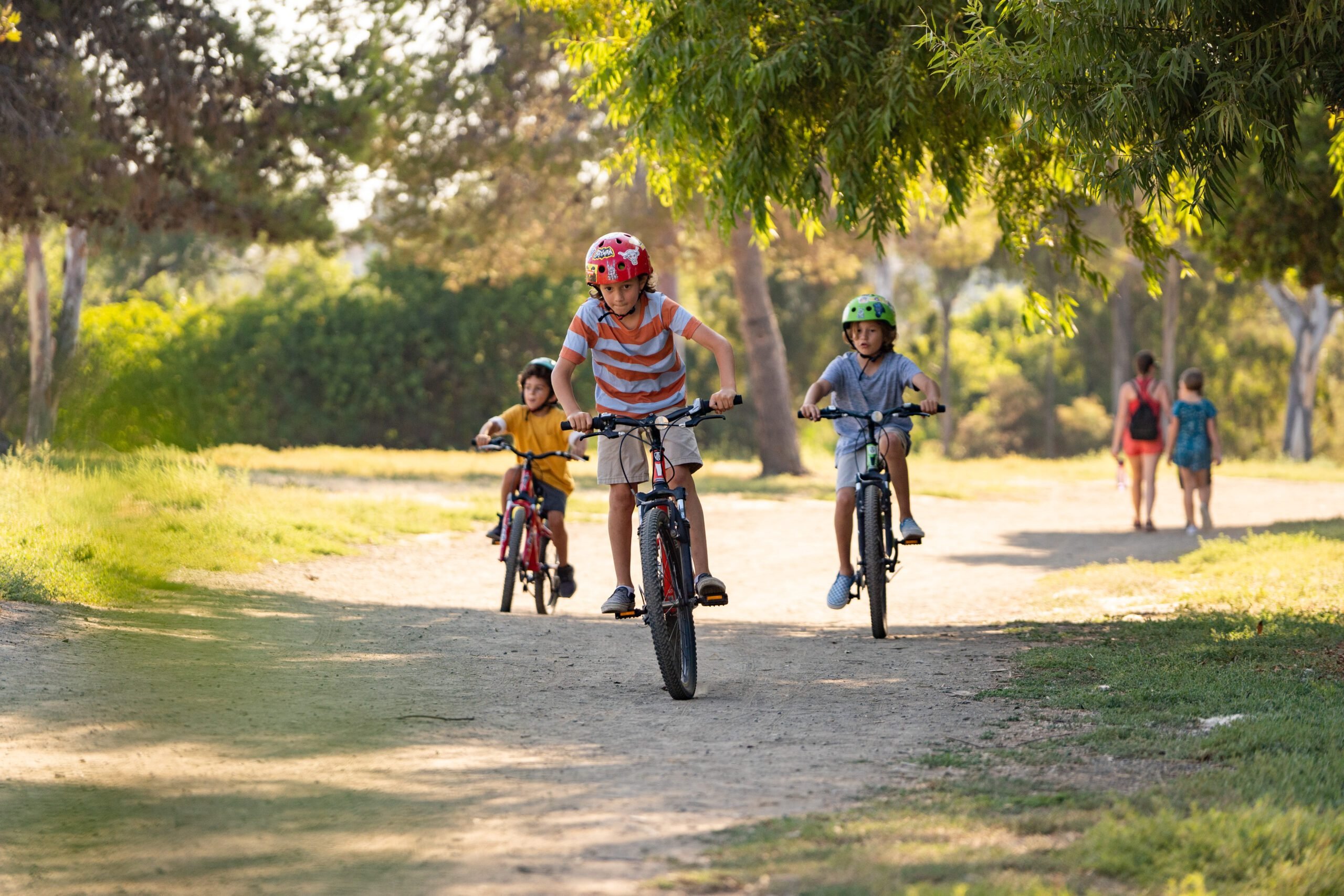
Bikes were the 70s version of a phone and a rideshare app in one. After school, kids grabbed their bikes and disappeared to parks, fields and distant blocks that parents might never see.
A big part of that ritual was the group. You and your friends learned how to move together, wait for slower riders and make decisions at every corner. Do you turn left toward the park or right toward the store. Everyone had a vote.
Researchers still pay attention to this kind of freedom. A large research review on children’s independent mobility links roaming space with physical activity, confidence and problem solving. Riding “until dark” gave kids a natural workout and a chance to test their own judgment.
Many adults now feel a spike of parental anxiety at the idea of a child out of sight for hours. There is more traffic in many areas and more news stories that stay in your head. The world has changed in some ways and so have expectations.
Even so, the image of kids racing through the neighborhood, hair blowing, feet flying on pedals, still feels deeply joyful. It represents after school freedom that many people miss.
That kind of movement and choice helped kids feel the size of their world, not just the size of their living room.
3. Playing Unsupervised In Empty Lots And Streets
Empty lots looked like trash to some adults. To kids, they looked like kingdoms. A patch of dirt, broken bricks and a few boards could turn into forts, obstacle courses, or imaginary cities.
In a typical 70s afternoon, kids turned these spaces into stages for independent play. Someone suggested a game, someone else set the rules and the group adjusted as they went. No coach, no referee, no parent stepping in.
Those rough spaces also gave kids a chance to practice basic risk skills. You tested which branches held your weight. You figured out which parts of the lot were off limits because of sharp glass or old nails.
On quiet streets, hopscotch grids and chalk drawings marked the pavement. Kids played kickball in the road and yelled “Car!” when a vehicle came. Then they moved, waited and reclaimed the street when it passed.
For many adults today, the idea of children in a half-built lot or on a street feels wild. Yet that time in “in between” spaces taught a whole generation how to read their surroundings and manage small daily risks.
4. Riding In Cars With No Seatbelts Or Car Seats
Ask a 70s kid about car rides and you will hear stories that make safety experts cringe. Kids stretched out on the backseat during long drives. Some sat on the floor or pressed their faces to the rear window in station wagons.
Car seats existed, but rules were loose. In many families, kids hopped into the front seat as soon as they were tall enough to see over the dashboard. Friends piled into the back without counting seatbelts.
Modern safety campaigns changed that picture. We now have strong evidence about how seatbelts and proper restraints save lives. Laws, car design and public awareness moved together, so the interior of a car feels different for kids today.
Still, for the people who grew up that way, there is a strange mix of nostalgia and shivers. There was a feeling of closeness in those cars, especially packed rides to games or late-night trips home from relatives’ houses.
What many people remember most is the trust. The driver focused on the road. The kids in the back were expected to handle their own comfort and squabbles without anyone watching from a rear camera.
5. Hanging Out At The Mall Or Corner Store Without Adults
After school, the mall or the corner store became a social lab. You met friends with a few dollars in your pocket, shared snacks and watched older teens who looked impossibly cool.
Spending an hour at the store taught small money lessons. You learned what you could afford, how tax worked and how to speak up at the counter. Those tiny choices built quiet social skills that still matter in adult life.
There was also a sense of shared culture. The songs playing over the speakers, the movie posters, the magazines on the rack, all worked as conversation starters. You figured out what you liked and what felt trendy.
For many parents now, dropping kids at a mall or shop alone sparks worry about strangers, shoplifting, or online posts from the scene. So supervised trips and quick in-and-out errands replaced long, wandering visits.
Yet those unsupervised hangs gave kids practice in reading people’s moods, setting boundaries with friends and leaving when a situation felt off. That practice shaped how they handle public spaces as adults.
6. Exploring Creeks, Woods And Construction Sites After School
Some 70s kids spent whole afternoons in places that would give modern safety officers a headache. Creeks with slippery stones, wooded areas with steep hills, even half-finished buildings called out to curious minds.
Nature especially worked as an endless playground. Kids poked at tadpoles, balanced on logs and came home covered in mud. That kind of unstructured time in nature gave their senses a workout.
Construction sites, although risky, felt magnetic. Stacks of lumber, sand piles and ladders invited climbing. Kids made up rules like “only this high” or “stay away from that edge” and tried to follow their own safety code.
Today, parents often look for official playgrounds with foam padding and clear signs. Many families still love hikes, but spontaneous exploration of random sites feels less common, especially in crowded areas.
Kids who explored those rough terrains learned a basic truth. The world holds real edges. Your body has limits. When you slide in the mud and get up again, you feel those lessons right away.
Those memories of secret forts and hidden paths stay bright for decades.
7. Staying Home Alone For Hours As A Latchkey Kid
In the 70s and 80s, the term latchkey kid popped up for children who came home to an empty house. A key on a shoelace around the neck was a common sight in school halls.
For many kids, walking into a quiet house every afternoon felt normal. You turned on the lights, dropped your bag and settled into a routine that belonged only to you.
There might be chores on the table and a note from a caregiver with a phone number. You knew how to make a simple snack, lock the door and handle a ringing phone.
Parents who grew up this way often remember a mix of loneliness and pride. The silence sometimes felt heavy. At the same time, there was a strong sense of being trusted with real responsibility.
Modern families often juggle after school programs, relatives, or childcare to avoid long stretches alone at home. That choice can bring peace of mind, especially when kids are very young, or neighborhoods feel less safe.
Still, the older kids who managed solo afternoons learned how to organize time, manage boredom and solve small problems without instant adult input.
8. Cooking Simple Meals On The Stove With No Grownups Around
Many 70s kids learned basic cooking skills early, often without anyone standing over their shoulder. Grilled cheese, boxed macaroni, or scrambled eggs became after school staples.
You might remember the sound of a pan heating, the smell of butter and that first moment of flipping something on your own. Those small kitchen victories gave kids a direct sense of competence.
There were risks, of course. Stoves are hot. Knives are sharp. Families often passed down rules like “handle the pan this way” or “keep the handle turned in” and expected kids to remember.
Today, many parents wait longer to hand over real kitchen tools. There are also easier options like microwaves and ready-made snacks, which can push hands-on cooking a bit later in childhood.
Still, those early meals taught kids how to care for their bodies, read directions on a box and clean up their own mess. Kitchen time strengthened practical life skills in a very direct way.
9. Showing Up At Friends’ Houses Without Calls Or Texts First
Before phones lived in every pocket, friendship often started with a simple move. You walked to someone’s house, knocked on the door and asked if they could come out to play.
There were no group chats, no shared calendars and no location pins. Kids managed their own social lives with doorbells and front steps. Rejection was possible and you handled it on the spot.
Those door-knock visits built social courage. You had to speak to caregivers, make eye contact and ask a clear question. Simple phrases like “Can they hang out?” or “Want to ride bikes?” became early practice in direct communication.
Today, most playdates start with texts between adults. Plans are set in advance, sometimes weeks ahead. That structure helps parents manage time and transport, especially with busy schedules.
Yet the old habit of showing up unannounced created a neighborhood tribe feel. Kids flowed in and out of houses. Games formed, shifted and ended without anyone sending a message first.
Those casual connections helped kids feel rooted in a real place, not just in a screen.