


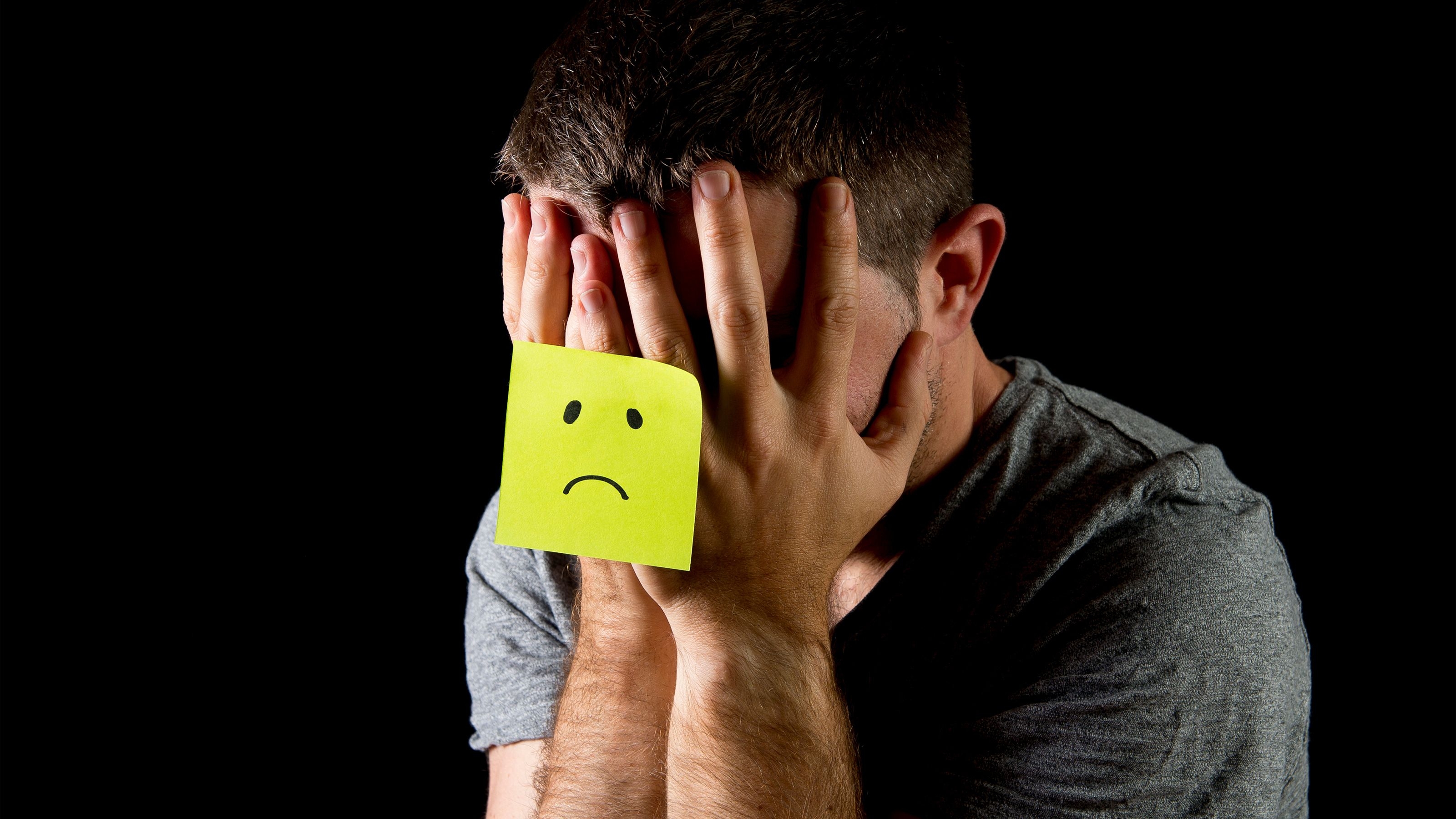
You can sound “fine” on the outside and still feel completely wrung out on the inside. That is what happens when you are emotionally drained. You keep moving, working, caring for others, but a quiet part of you is saying, “I cannot keep doing this.”
Often that inner voice does not come out as a clear request. It slips out in casual, everyday phrases. Friends hear the words and think you are just busy or moody. You might even brush yourself off because other people “have it worse.” Yet your language can be one of the earliest signs that you are running on empty.
Researchers have found that certain language patterns show up more often when people are emotionally exhausted. You do not need a lab to notice your own patterns though. When you catch these phrases in your mouth, you can pause, get curious and give yourself some real care instead of powering through.
1. “I’m just tired”
On the surface, “I’m just tired” sounds harmless. Everyone gets tired. The key is how often you say it and what you really mean. If “tired” is your answer to every question about how you are, it might be code for “I feel depleted and I do not know how to explain it.”
Sometimes “tired” is easier than saying you feel overwhelmed, lonely, or disappointed. You may not want to “make it a big thing” so you shrink everything down to fatigue. The problem is, when you label deep emotional pain as simple tiredness, you also convince yourself that sleep is the only solution. Then you wake up and still feel awful.
Try this: The next time you start to say, “I’m just tired,” pause and add one more word. For example, “I am tired and discouraged,” or “I am tired and stressed,” or “I am tired and worried.” You do not have to tell anyone more than that. Simply naming a second feeling helps you see that you need more than a nap, you need emotional support.
2. “I don’t care anymore”
This phrase is often a shield. You probably do care. In fact, you might care so much that it hurts. When you are emotionally burned out, your mind tries to protect you by pretending you are detached. Saying “I don’t care anymore” is a way to step away from pain you feel you cannot fix.
If you hear yourself say this about things that used to matter, like your work, your hobbies, or your relationships, treat it as a soft alarm. You may not be “cold” or “lazy.” You might be exhausted from trying and not seeing change. Giving yourself permission to care again, but in smaller doses, can be kinder than forcing yourself to shut down.
3. “It is what it is”
Sometimes this phrase is healthy acceptance. Life is not always fair and you cannot control everything. Other times, “It is what it is” really means, “I have lost hope that anything can change and I am too worn out to try.” The tone and timing matter. If you use it a lot when you talk about your own wellbeing, it may hide quiet despair.
You might say this about a draining job, a one sided friendship, or a constant stream of family drama. You tell yourself you are being realistic. Deep down, you might feel stuck and powerless. That sense of helplessness is a heavy part of emotional exhaustion.
Notice when “It is what it is” shuts down your thoughts instead of opening them up. Do you stop brainstorming options the moment you say it. Do you feel a drop in energy, like your body is slumping inside. Those are clues that this phrase is not acceptance. It is surrender.
Consider: Try shifting the phrase slightly. For example, “It is what it is right now” or “It is what it is and I can still choose one small thing for myself.” The situation might not change today, but giving yourself one tiny choice, like a walk, a break, or a boundary, reminds you that you still matter.
4. “I’m fine, it’s no big deal”
When you are emotionally drained, you may become a pro at minimizing your own pain. “I’m fine, it’s no big deal” usually pops out when you are actually not fine at all. You might have had a rough day, received harsh feedback, or felt hurt by someone’s comment. Instead of letting those feelings show, you quickly cover them.
This habit is common for people who grew up feeling like their emotions were “too much” or inconvenient. Over time, you might default to shrinking your needs so no one has to adjust for you. The cost is that you start to ignore your own inner signals, even when your body is tense, your jaw is tight, or your chest feels heavy.
Tip: When you catch yourself saying, “It is no big deal,” quietly ask, “What if it is a big deal to me.” You do not have to convince anyone else. You only need to be honest with yourself. Maybe you still choose not to talk about it in that moment, but you could write it down, vent to a trusted person later, or at least admit, “That hurt.” Giving your feelings a place to land can ease some of the drain.
5. “I just need to get through this week”
There are seasons when this phrase makes sense, like before exams or a work deadline. It becomes a warning sign when you say it almost every week. You might be stuck in survival mode, always waiting for some magical future where things calm down, but that future never comes. Your life turns into one long tunnel of “getting through” instead of living.
When you are chronically exhausted, your brain narrows its focus to immediate tasks. Long term joy feels unrealistic. You might think in short, urgent bursts:
- “If I can just finish this project, I will rest.”
- “If I can just help this person, I will take a break.”
- “If I can just make it to the weekend, I will feel better.”
Yet the rest and joy keep getting pushed. If this sounds familiar, it may help to create one small moment of relief inside the week you are trying to survive. That could be a ten minute walk without your phone, a quiet cup of tea, or five minutes of music in the car. Tiny, predictable breaks can remind your nervous system that you are not only built for pushing.
6. “Everyone has it worse than me”
Gratitude can be healthy. It helps you notice what is going right. But when you use comparison to shut yourself down, it turns into self gaslighting. “Everyone has it worse than me” often means, “My pain does not count, so I should stay quiet.” You turn your empathy outward and leave nothing for yourself.
You might scroll the news or social media and see people facing huge crises. In comparison, your stress at work or in your relationship can feel small. So you tell yourself to toughen up. The trouble is, minimizing your feelings does not make them disappear. It just pushes them under the surface, where they pile up and drain you even more.
Your body does not care if someone else has it worse. It only knows what you are carrying. Sleepless nights, constant tension and a feeling of numbness are signs that your load is heavy enough. You deserve care even if your struggles do not look dramatic from the outside.
Instead of using others’ pain as a reason to silence yourself, you can use it as a reminder that humans need support. Their hard days matter and so do yours. You are allowed to say, “I know other people are struggling and I am struggling too.” Both can be true at the same time.
7. “I can’t deal with this right now”
There are moments when this phrase is honest and healthy. Maybe you are at capacity and you truly need a pause. The problem starts when “I can’t deal with this right now” shows up for almost everything. Texts go unanswered, bills stay unopened, decisions keep getting delayed. You feel guilty, but also weirdly frozen.
This freezing is a common stress response. When you are emotionally overloaded, your mind tries to protect you by shutting down non urgent tasks. The trouble is, those tasks quietly become urgent. The longer you avoid them, the heavier they feel. Then even small things, like booking an appointment or replying to a message, seem impossible.
Try this: Pick one tiny piece of “this” that you can deal with. Not the whole email backlog, just one email. Not your entire budget, only checking one balance. Set a timer for five minutes. Tell yourself that when the timer ends, you are allowed to stop. Often the hardest part is starting. Once you prove to yourself that you can face a small bit, the full task feels less like a monster in the dark.
8. “I’m sorry, I’m being dramatic”
Apologizing for your emotions is a sign that somewhere along the way, you learned your feelings were inconvenient. When you say, “I am sorry, I am being dramatic,” you cut yourself off in the middle of expressing something real. You send yourself a message that your inner world is a problem to fix, not an experience to notice.
People who are emotionally drained often over apologize. You might say sorry for crying, for needing a break, or for asking a simple question. Each apology chips away at your sense that you are allowed to take up space. Over time, you stop sharing at all, which leaves you feeling unseen and even more exhausted.
9. “I feel numb about everything”
Emotional numbness can be one of the clearest signals that you are beyond tired. You might not feel wild sadness or anger. Instead, you feel very little. Things you used to enjoy, like reading, music, or time with people you love, might feel flat. You go through the motions of your day but feel disconnected from it.
This numbness is not a moral failure. It is often a sign that your system has been on high alert for too long. When intense feelings become too much, your brain can flip the switch to “off” to help you survive. In the short term, that can protect you. If it goes on for weeks or months, though, it can be a sign that you need more support than self care alone.
If you catch yourself saying, “I feel numb about everything,” treat that as a serious invitation to be gentle with yourself. You might start with very small, safe experiences of pleasure, like a warm drink, a soft blanket, or a funny video. Let your senses remind you that you are here. If the numbness feels scary or you have thoughts about giving up, reaching out to someone you trust or a mental health professional is a strong and brave step.
Language is not the whole story, but it is a powerful clue. When you notice phrases like these on repeat, you are not “weak” or “too sensitive.” You may simply be emotionally exhausted and in need of care. Listening to your own words with kindness is one way to start giving yourself that care.