



The first time I ran a retirement calculator, the number that popped up did not look friendly. I closed the tab, told myself it was “too complicated,” and went back to scrolling my phone. For a while, avoiding it felt easier than facing it.
Then a few small money shocks hit in the same year. A higher rent. A surprise car repair. A friend’s parent who suddenly had to move in because their savings ran out. That was the moment I realized retirement is not some far-off chapter. It is a bill that slowly comes due.
If you are like most people, you are not careless on purpose. You are busy. You are juggling daily costs, maybe caring for kids or parents, trying to stay sane. It is easy for retirement to slip into the “later” pile.
Yet research keeps finding the same pattern. People who feel more secure about money in later life also report more joy and satisfaction. One large study on older adults linked financial vulnerability to drops in well-being and life satisfaction, even after retirement officially started.
The good news is that you do not need a perfect budget or a finance degree. You only need to spot the quiet habits that work against you, then gently swap them for better ones. Think of this as turning down the volume on financial stress so you can turn up the volume on your future peace.
Let us start with the little patterns that sneak in now and silently shape how your retirement will feel later.
1. You Treat Retirement Like a Someday Problem
When you hear the word “retirement,” it might feel far away and a bit fuzzy. Maybe you picture a version of you that looks like someone else. That distance makes it easy to say you will plan “later.”
Psychologists have found that when your future self feels like a stranger, you are less likely to save for them. In your mind, you are helping “someone else,” not you. So today’s wants win. That is why it helps to remember that future you is still you, with real bills and real feelings.
Sometimes the shift starts with a simple thought. Picture one ordinary Tuesday in your 70s. Where are you waking up. What does breakfast smell like. Who are you texting. When retirement becomes a regular day, not a fantasy, it feels more real and worth planning for.
Another small step is to write down one sentence on paper: Someday is not a financial plan. Put it near your laptop or your wallet. You are not shaming yourself. You are just reminding your brain that time is moving, whether you plan or not.
Most of all, start tiny. Open a retirement account if you do not have one. Increase a current contribution by even 1 percent. The habit you build today matters more than the exact dollar amount on day one.

2. You Save Only What Is Left Over
Here is a quiet pattern that drains retirement without you noticing. You pay all your bills, spend through the month, then whatever is left at the end, if anything, goes into savings. In many months, that number is close to zero.
Instead, flip the script. Healthy savers often treat saving like a non-negotiable bill, not an optional extra. They pay yourself first, even if the amount is small at the beginning.
One way to do this is to set an automatic transfer on payday. The money moves into savings or a retirement account before you see it. If you never “see” it in your checking account, you are less likely to spend it by accident.
Sometimes people worry that paying themselves first means they will not have enough for bills. In reality, this habit usually nudges you to look at your spending more closely. You may notice subscriptions you do not use or impulse buys that do not feel worth it anymore.
Over time, those early deposits can grow with interest and investment gains. Even modest monthly amounts can turn into a meaningful cushion when they have decades to work for you.
3. You Raise Your Lifestyle Every Time You Get a Raise
Think about the last time your income went up. Maybe you got a promotion, landed a better job, or took on a side gig. Did your savings get a raise too, or did your spending quietly expand to match the new number.
This pattern has a name. Experts call it lifestyle creep. As your income rises, your “normal” gets more expensive. You move to a pricier place, eat out more, upgrade your car. None of this is bad by itself. The problem comes when every extra dollar funds today, not tomorrow.
One simple rule can protect your future joy. Each time your income increases, decide in advance what percent goes to savings or retirement. For example, you might send half of every raise to long-term savings and enjoy the other half now.
On the surface, this sounds small. In reality, raises and bonuses are some of the easiest money to save. You are already used to living on your old income, so you are less likely to feel deprived if you do not spend all of the new amount.
Over a career, choosing to save part of every raise can add up to years of extra freedom. It is a quiet, powerful way to buy your future self more choices.

4. You Rely On Future You To “Figure It Out”
“I will deal with that later.” It feels harmless in the moment. You tell yourself that future you will be wiser, calmer and more organized. They will do the research, make the moves and fix whatever you are avoiding today.
The trouble is that future you is carrying everything you push forward. Debt. Unmade decisions. Unread account statements. If you stack too much on their shoulders, your future self ends up tired and boxed in.
Sometimes it helps to write a short note to your future self. “I scheduled this automatic transfer so you would have options.” Or “I checked my balances today so you would not be surprised later.” Treat your current choices as small acts of kindness toward the person you are becoming.
Another helpful move is to set simple deadlines. Instead of “I will research retirement accounts someday,” try “This Saturday I will spend 30 minutes reading my plan options.” Short, time-limited tasks feel lighter, so you are more likely to follow through.
Remember, discipline is not about being harsh. It is about making sure the person who pays the price for your choices, which is always you, has the best chance at a joyful life.
5. You Avoid Looking At Your Accounts
If you feel a little sick before you open your banking app, you are not alone. Many people cope with money stress by not looking at it at all. It feels safer to stay in the dark.
The problem is that avoidance fuels anxiety. Your brain fills in the gaps with worst-case stories. Often, the truth is less scary than what your imagination cooks up in the background.
One gentle way to break this habit is a “no judgment check-in.” Pick one day a week to look at your main accounts. Tell yourself you are not allowed to scold or shame. You are only allowed to notice and write down the numbers.
Sometimes it helps to pair this with something pleasant. Make a cup of tea. Put on a favorite playlist. Link the money check-in to a calmer moment so your body does not brace for impact every time you open the app.
Over time, these small check-ins build familiarity. The numbers may not change right away, but your relationship with them does. That shift in awareness can lead to better choices without harsh self-talk.
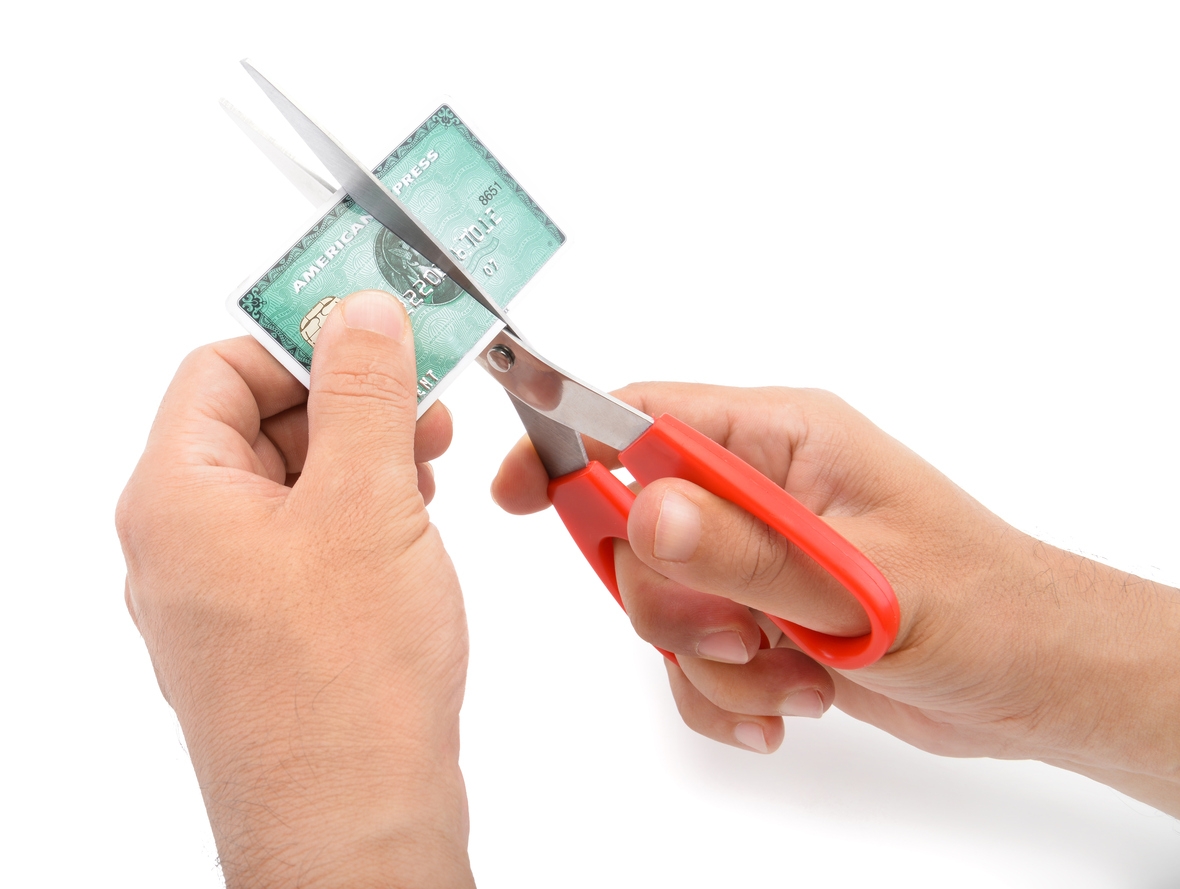
6. You Carry A Balance On Your Credit Cards
Credit cards can be helpful tools. They offer convenience and rewards. The trouble starts when a short-term balance becomes a long-term habit that quietly drains your future income.
Those interest charges are sneaky. Many people do not realize how much of their monthly payment goes to interest instead of principal. High rates turn ordinary purchases into expensive long-term costs.
Think of high-interest debt as the opposite of investing. Instead of your money working for you, your future paychecks are already spoken for. That makes it harder to save for retirement, even when your income rises.
Sometimes the first step is to simply list your debts, their balances and their interest rates. Seeing the numbers in one place can be uncomfortable at first, but it gives you a map. You can choose one balance to focus on while still making minimum payments on the rest.
Even small extra payments on the highest-rate card can save you a lot over time. Every dollar of interest you avoid is a dollar that can support your future joy instead of feeding past spending.
7. You Tell Yourself Small Leaks Do Not Matter
“It is just a coffee.” “It is only a few dollars.” Tiny spending choices are easy to dismiss. You tell yourself that big problems come from big purchases, not from daily habits.
In reality, small leaks sink big ships. A few unplanned purchases here and there can add up to hundreds each month. Spread that over years and you are talking about thousands that never had a chance to grow for your future.
Sometimes it helps to pick one “leak” category to watch more closely. Maybe it is takeout, delivery fees, or late-night online orders. For one month, track only that category without changing anything. At the end, decide on purpose if that total feels worth it.
If it does, great. Keep it. If it does not, experiment. Swap two takeout nights a month for simple home dinners. Cancel one subscription you barely use. Redirect the freed-up money straight into savings before it blends back into daily spending.
You do not have to squeeze all joy from your life. You just want your money to line up with what truly makes your days and your retirement, feel rich.
8. You Assume Social Security Will Be Enough
Social Security can be a valuable part of your retirement picture. It exists to provide a base level of income in older age. The problem comes when it is treated as the whole plan instead of one piece.
Across many countries, public benefits replace only a portion of your working income. That means many people feel a gap between what they receive and what they need to live comfortably. Social Security is a safety net, not a full income plan.
Sometimes this belief lingers because the numbers feel distant. If you have access, log in to your official Social Security statement and look at the estimate for your full retirement age. Ask yourself if you could pay your current bills on that amount. Most people cannot.
This is not meant to scare you. It is a wake-up nudge. The sooner you treat Social Security as one leg of a three-legged stool, along with personal savings and any employer plan, the steadier your retirement chair will be.
Even if you expect to keep working part-time, having your own savings gives you more choice. It means you can leave a job that drains you, reduce your hours, or care for loved ones without total financial panic.
9. You Leave Free Money From Employer Matches
If your employer offers a retirement plan with a match, you may have access to one of the easiest wealth-building tools around. When you do not contribute enough to get the full match, you are saying no to money that is already on the table.
Think of the match as a guaranteed return on your contribution. If your employer matches 50 cents for every dollar, up to a certain percent, you are getting a 50 percent boost instantly on that portion. That is rare in any other part of life.
Sometimes people skip the match because they feel they “cannot afford” to contribute. It may help to start small. Raise your contribution just enough to get closer to the match, then sit with that change for a few months before you adjust again.
Over a career, those matched dollars can grow into a significant part of your nest egg. The habit of never leave free money on the table can make a real difference in how your retirement years feel.
If you are not sure whether you are getting the full match, ask your HR department or plan provider for a simple explanation. One short conversation now can pay off for decades.
10. You Invest Only In What Feels “Safe”
Being careful with money is a strength. You might prefer to keep your savings in cash or very low-risk accounts because you never want to lose a dollar. That is understandable, especially if you have seen someone you love get burned by a risky move.
The hidden risk is that your money may not grow enough to keep up with rising prices. If all your long-term savings sit in low-interest accounts, inflation slowly erodes what you can buy with it. In that way, too safe can also be risky.
Sometimes a helpful frame is this. Money you need in the next year or two often belongs in very safe places. Money you will not need for ten, twenty, or thirty years can usually handle more ups and downs as it grows.
You do not have to become an expert. Even learning the basics of diversified investing can help, or speaking with a vetted professional who explains things in clear language. The goal is not to chase quick wins. It is to give your future self more than what you put in.
Over a long career, patient investing can turn regular contributions into a cushion that supports travel, hobbies and simple daily comfort in retirement.
11. You Let Big Life Choices Ignore Money Reality
Major choices shape your financial life. Where you live. What kind of housing you choose. Whether you buy or rent, or move to a more expensive city for a job that does not pay much more.
On the surface, a higher salary or a “dream” neighborhood looks like a clear win. But if the costs rise faster than the income, your margin shrinks. You feel more stressed, not less, even though you are earning more.
Sometimes it helps to run a simple “future you” check before a big decision. Ask, “How does this choice affect my ability to save at least a little for retirement.” If the answer is that it wipes out any chance to save, pause and reconsider.
This does not mean you can never enjoy big choices. It means you bring both your heart and your numbers to the table. You allow your long-term joy to have a seat in the conversation, not just your short-term cravings.
When your home, your job and your major expenses line up with your actual income, you have more room to breathe. That space is where retirement savings live.
12. You Put Off Talking About Money With Your Partner
Money conversations can feel tense, awkward, or even unsafe, especially if you grew up in a home where money was a source of conflict. It might feel easier to avoid the topic and hope things somehow work out.
The irony is that silence often creates more stress. You may each carry private worries about retirement, debt, or aging parents. Without talking, you both assume the other person “does not care,” when the truth is you are both just scared.
Sometimes a lighter starting point helps. Instead of jumping straight into numbers, start with feelings. “When I think about retirement, I feel nervous about being a burden.” Or “I would love for us to be able to travel sometimes when we are older.”
From there, you can slowly move into gentle practical questions. “How much are we saving now.” “What does a comfortable later life look like to you.” You are not trying to settle everything in one talk. You are building a new habit of shared truth.
Working together lets you spot habits that might be hurting both of you, then choose better ones. A united plan is often stronger than two private plans pulling in different directions.
13. You Believe It Is “Too Late” To Change
Maybe you are reading this and thinking, “That is nice for younger people, but it is too late for me.” This is one of the most powerful and painful, retirement-killing beliefs out there.
The idea that the window has closed can lead to hopelessness. When you believe nothing you do matters, you are less likely to take even small positive steps. That belief steals joy long before retirement actually arrives.
Here is the truth. You cannot change your starting point, but you can always change your direction. Even in your 40s, 50s, or beyond, small shifts can improve your future. You can pay down one debt. You can lower one expense. You can increase one saving line by a tiny amount.
Sometimes it helps to collect stories of people who made big changes later in life. They downsized, learned new skills, or moved to places that suited their budgets better. Their lives did not become perfect, but their sense of control and hope grew.
Most of all, remind yourself that it is not too late to care about the person you will be twenty years from now. Every helpful choice, no matter how small, is a vote for that person’s comfort and joy.