


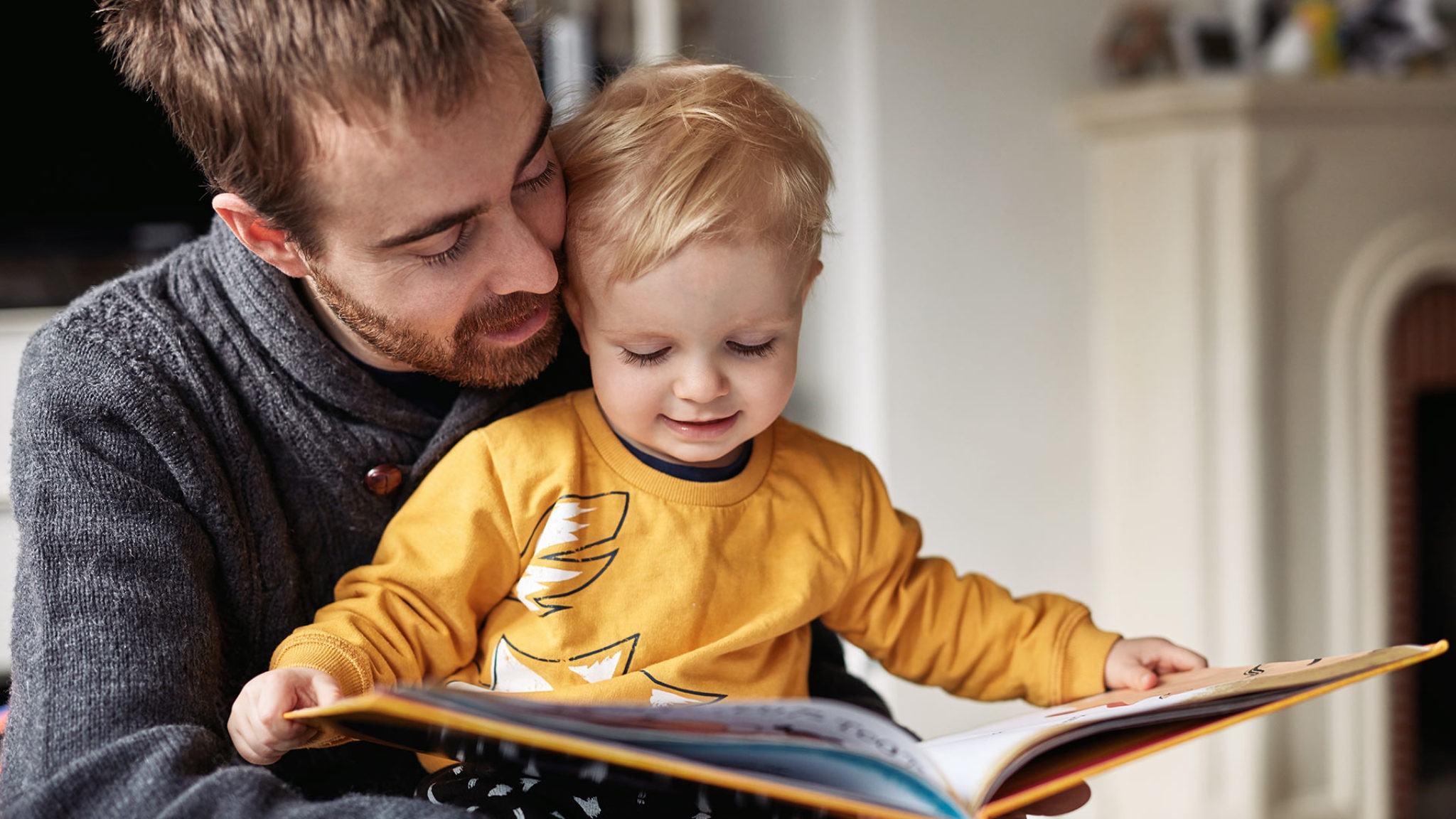
The loud moments are fun, but the quiet ones stick. The small, steady habits you practice today shape how your kids see love, safety and themselves. You do not need fancy speeches. You need presence, patience and a few daily moves that add up.
For context, a large NIH‑indexed systematic review links involved fathering with better social, cognitive and mental health outcomes over time. Study link: Systematic review on father involvement and child outcomes. https://pubmed.ncbi.nlm.nih.gov/18052995/
1. Listens without rushing to fix
Instead of jumping in with solutions, give your child space to talk. Let the story come out messy. Nod, reflect back a word or two and hold the pause. This is active listening and it tells your child that their feelings matter, not just the facts.
When a child feels heard, their body settles. Shoulders drop. Breath evens out. You can see the shift. Problem solving works better after connection, not before it. Listening is the bridge to logic.
Try this: Ask one open question, then count to ten in your head before you reply. Keep your face soft. If you want a line to lean on, use “Do you want me to listen or help?” It shows respect and choice.
2. Keeps small promises
Small promises carry big weight. If you say you will play catch after dinner, follow through. If plans must change, explain why and offer a simple swap. These micro promises are trust builders and trust is how kids feel safe.
On tough days, choose promises you can keep. “One chapter, then lights out” beats a vague “We will see.” Kids remember consistency more than grand gestures and so do teens.
3. Shows up for the everyday
Presence counts. Reading the same picture book, waiting in the school pickup line, making Saturday pancakes. That is showing up. Routines say, “You matter every normal day.” It is not flashy, but it shapes identity.
I still remember a quiet ride home after a rough test. No lecture, just music and fries. The peace said, “I am with you.” Your ordinary attention becomes a steady soundtrack your child will keep.
4. Apologizes and repairs
Mistakes happen. You raise your voice, you rush, you forget. The fix is not perfection. It is repair after conflict. A simple “I’m sorry I snapped, that was about my stress, not you” models accountability and empathy.
Then make it right. Ask what would help them feel better. Sometimes it is a hug. Sometimes it is space. Sometimes it is drawing together at the table.
Over time, this cycle teaches that relationships can bend and not break. Kids learn courage for their own apologies, which helps with friends, school and later, work.
5. Shares his own mistakes
At home, humility travels far. Talk about a time you messed up and what you learned. Keep it short and age‑fit. This is how you model humility without preaching. Kids see that growth is normal and adults are learners too.
Sometimes a small story beats a lecture. “I forgot to save my file, so I had to redo it. Now I back things up.” Simple, clean and human.
6. Puts the phone away
Phones are part of life, but they do not have to run your home. Create phone-free time during dinner, at bedtime and for a few minutes after school. Your eyes, your tone, your presence, they are your child’s home base.
If you can, park devices in one spot and charge them there. Name the habit out loud. “This is our no‑scroll zone.” Kids copy what you do, not what you say.
7. Praises effort, not just wins
Research from educators and child psychologists is clear. Praise the process first. Notice strategy, focus, problem solving and grit. This kind of process praise supports growth mindsets, which helps kids bounce back after setbacks.
Better yet, be specific. “I saw how you tried three ways to solve that math step.” Specific beats “Good job,” because it highlights what to repeat next time.
Over time, kids learn to value practice, not only results. That keeps them engaged when work gets hard, which it will. Sports, music and school all run on this fuel.
And when you want receipts, point to the science. A large systematic review links father involvement to stronger social and mental health outcomes. Your steady feedback is part of that picture.
8. Protects bedtime and routines
Sleep is the quiet MVP of childhood. Guard bedtime, even on fun nights. Consistent routines are not rigid, they are kind. Consistent routines tell the brain when to wind down, which helps mood and learning the next day.
Tip: Keep a simple wind‑down stack. Bath, story, dim lights. Repeat the same lines you love. A calm ritual becomes a memory your child will pass on.
9. Stays calm during conflict
Conflicts do not define you. Your response does. Lower your voice. Slow your breathing. Name the feeling you see. This is emotional regulation in action and your child will borrow your calm.
If your voice wants to rise, step back for one minute. Drink water, breathe, then return. A tiny pause protects connection and keeps the problem solvable.
10. Teaches life skills side by side
Kids learn best when their hands move. Invite them in for small jobs. Stir the batter, sort the tools, read the map. You are not just helping today. You are teaching life skills that build agency and pride.
On weekends, pick one shared task. Keep it light, praise the try and laugh at the flour on the floor. Skill grows fast when the stakes stay low.
- Fold towels together, then trade tips.
- Measure rice and water, then set the table.
- Check air in bike tires, then plan a ride.
11. Backs their interests, not his
Interests shift. Dinosaurs one year, keyboards the next. Follow their curiosity. When you back child-led interests, kids feel seen for who they are, not who you hope they will be.
So resist the urge to steer. Ask, “Show me what you like about this.” Sit with them while they explain. Your attention is the applause that keeps their spark alive.
12. Says I love you and shows it
Words matter and kids need to hear them. Say “I love you” often. Say it on normal days, not just birthdays or big games. Pair the words with actions, so love lands in many ways.
And love is not a mystery. It sounds like “How was your day?” It looks like you at the table, phone put away. It feels like a hug that lasts one extra second. That is love in action.
Also, tailor your gestures. Some kids want a note in the lunch box. Others want a walk or a joke. Ask what fills their tank. Then keep doing that, quietly, again and again.