


I used to work with someone everyone called “the nicest person in the office.” They brought cupcakes, complimented every outfit and always said the right thing. But when there was nothing to gain, their “niceness” disappeared fast.
Then there was the quiet coworker who never bragged. They stayed late to help others finish projects, checked in when someone looked down and treated the janitor with the same warmth as the CEO. Nobody called them the nicest. But everyone trusted them.
You have probably met both types. One focuses on looking kind. The other is kind at the core. At first glance they can look similar, which is why it can feel confusing to tell who is genuine and who is performing.
Here is a helpful clue. Real kindness holds up when there are no likes, no credit and no one important to impress. Research on prosocial behavior even shows that people who help others tend to feel better themselves.
The good news is that you can spot the difference once you know what to look for. As you read, you might notice traits you already practice and a few you want to build more in your own life.
1. They Are Kind When No One Is Watching
Genuinely kind people do their best work in the background. They pick up trash in the park, put the grocery cart back, or send a caring text, even when no one will ever know. Their kindness is not a show. It is a habit.
If you watch your own behavior, the quiet moments tell you a lot. Do you still act with care when there is no praise at the end. When you choose the kind action in private, you are building the kind of character that lasts.
Sometimes the test is very small. You see someone drop a receipt, or the door closes a bit too fast behind a stranger. It takes only a few seconds to help. A truly kind person does not need an audience to decide.
Their inner question is often, “What would make this easier for someone else right now.” That simple focus keeps them grounded. They are not waiting around for the perfect big moment to be a hero. They look for one small chance to do the next helpful thing.
Over time, this is what makes people feel safe around them. Others might not be able to point to one huge act. They just notice that, somehow, life feels a little lighter whenever this person is near.
2. They Treat Service Workers With The Same Respect
One of the clearest signs of real kindness is how someone treats people who are “not important” to them. Think cashiers, servers, call center staff, drivers, cleaners. Kind people see human beings, not job titles.
Pay attention the next time you are out with someone. Do they look at the server when they order. Do they say “please” and “thank you.” Do they stay patient when the line is slow or the coffee order is wrong. These details reveal their character.
On the other hand, people who only want to seem nice often act very different with service workers. They may smile at friends at the table, then snap at the server or talk over them. That split behavior is a red flag.
There is also a power element here. Service workers usually have less power in the interaction. A truly kind person does not use that to act superior. They avoid making jokes at someone’s expense and they try to leave people feeling respected.
Even small choices matter, like learning someone’s name if you see them often, or tipping fairly when you can. These habits send a clear message. You believe that everyone deserves dignity, not just people you want something from.
People remember how you made them feel long after they forget what you said or bought. The way you treat service workers will always speak louder than your social media posts about kindness.
3. They Listen More Than They Talk About Themselves
Genuine kindness often shows up as good listening. Kind people give you space to finish your thoughts. They are not just waiting for their turn to speak or to redirect the story back to themselves.
When someone shares something hard, a truly kind person does not rush in with one-up stories. Instead, they might ask, “Do you want advice, or do you just want me to listen.” That simple question shows respect for your feelings.
Of course, they still share about their own life. This is not about being silent. It is about balance. If every conversation circles back to them, their “kindness” might be more about keeping attention and appearing caring.
At times, listening well means being okay with pauses. You do not have to fill every silence with tips, jokes, or motivational quotes. Often, people just want to feel heard. Being willing to sit with them is a quiet but very real form of emotional support.
Over time, people come to see you as someone they can talk to without fear of judgment. That is why genuinely kind listeners are often trusted with both good news and bad news. Others know their stories are safe in your hands.
4. They Keep Boundaries Instead Of People-Pleasing
It might sound strange, but real kindness includes the word “no.” People-pleasing is about avoiding conflict and staying liked. Kindness is about respect, including respect for your own limits.
Truly kind people do not say yes to everything, then build secret resentment. They know that forced giving eventually turns sour. Instead, they are honest about what they can and cannot do. Their “yes” means more because it is real.
Sometimes they will offer a smaller form of help that still feels doable. For example, “I cannot drive you across town tonight, but I can help you look up bus times.” That way they are supportive without burning themselves out.
This kind of boundary keeping also protects others. When you stretch yourself too thin, you might show up late, cancel often, or snap at people you care about. Choosing honest limits creates a more stable, trustworthy presence in their lives.
In the long run, people usually respect someone who is clear and kind more than someone who is always agreeable but unreliable. Boundaries are not cold. They are a deep form of caring for both sides of the relationship.
So if you feel guilty every time you say no, remember this. Saying no to something you cannot give makes room for a truer yes later.
5. They Apologize Without Making Excuses

Everyone messes up. The difference between acting nice and being kind shows up in what happens after. A genuinely kind person can say, “I was wrong,” without wrapping it in a long list of reasons.
Notice what happens when someone apologizes to you. Do they add “but” in every other sentence. “I am sorry I hurt you, but you were being sensitive,” is not a real apology. It puts the blame back on you.
Kind people try to focus on the impact, not only their intent. They might say, “I did not mean to, but I can see that I hurt you. I am really sorry.” That small shift shows that they care more about your feelings than their image.
There is also a behavior piece. Real apologies come with change. A kind person looks at what they can do differently next time, even if it is uncomfortable. They might ask, “What would help repair this,” and then follow through as best they can.
Even when the mistake is small, taking clear responsibility builds trust. It tells others, “You can bring things up with me and I will not explode or twist it around.” That is a powerful form of relational safety.
6. They Help In Small, Unseen Ways
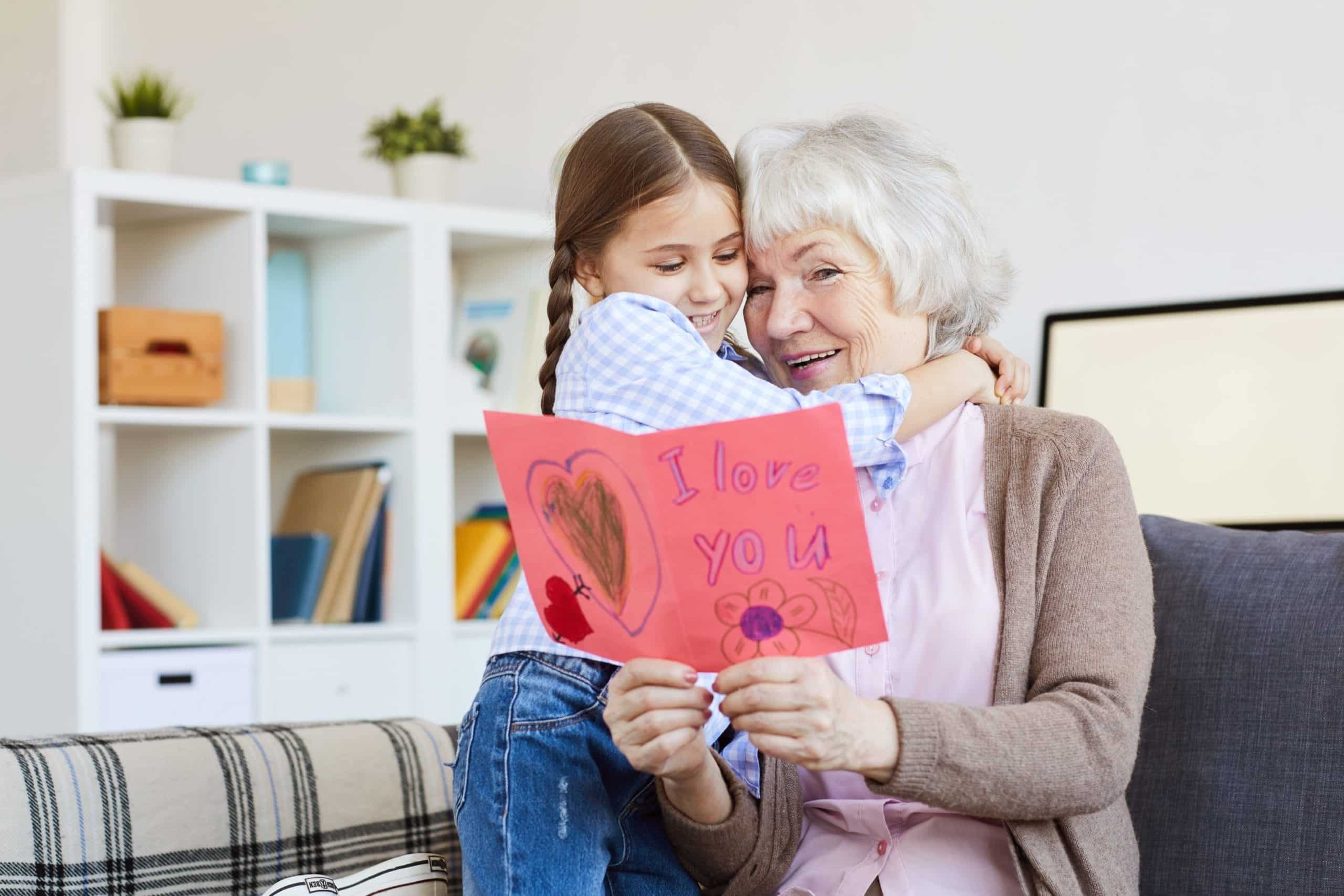
Some of the most meaningful kindness never gets posted or praised. It looks like washing the dishes no one wants to touch, refilling the printer paper at work, or sending a check-in message to a friend who vanished from group chats.
These acts are easy to overlook, which is why a lot of “nice” people avoid them. There is no spotlight. No clear social reward. But genuinely kind people notice what needs doing and quietly step in.
Often they have trained their attention to scan for small gaps. Is someone new standing alone. Is there a boring job that always gets left for the same person. Does a neighbor need help taking the trash out. They look for chances to ease someone’s load.
It is important to say that they are not perfect. They cannot take care of everything. Still, their pattern leans toward action when they have the energy and room. The habit of small help becomes part of their identity as a caring neighbor, coworker, or friend.
These quiet efforts add up. Even if most people never see the full picture, the people directly helped often feel a strong, steady sense of gratitude toward them.
Over time, this builds a community where kindness feels normal instead of rare.
7. They Stay Kind Even When They Are Stressed
Everyone has bad days. Work piles up, someone cuts you off in traffic, your plans fall apart. Stress will pull on anyone’s patience. The question is not “Are you always calm.” The question is “What happens to your kindness when you are not calm.”
Truly kind people might get short or quiet, but they try not to turn cruel. They may say, “I am really stressed right now, can we talk later,” instead of lashing out. They might take a break before responding, rather than firing off a harsh message.
Sometimes they will slip. They might snap at someone or be colder than they meant to be. The difference is that they notice and circle back. They apologize, explain that they were overwhelmed and make an effort to repair the moment.
They also know that stress does not give them a free pass to treat others badly. So they build small habits that help, like stepping outside for a few breaths, or choosing to say nothing until they can respond with at least basic respect.
That is why people often feel safe with them even during tough seasons. You know that, even when they are not at their best, their core values still lean toward kindness and fairness.
8. They Do Not Use Kindness To Get Credit
Some people treat kindness like a sales pitch. Every favor comes with a quiet invoice. They expect loyalty, praise, or favors in return. If they do not get it, their “kind” mask drops fast.
Genuinely kind people understand that help should not be a trap. They might hope you appreciate what they did, but they are not keeping a secret tally. They give because it fits who they want to be, not because they are building a case for how much you owe them.
One way to test this is to notice what happens when you say “no” to someone who did you a favor. If they guilt-trip you or say, “After all I have done for you,” their earlier kindness may not have been so pure.
Truly kind people might feel a sting of disappointment, since they are human, but they rarely weaponize their past help. They respect your right to make your own choices, even if it means not doing what they prefer.
In friendships and relationships, this creates a healthier balance. You both can give and receive freely, instead of living in a constant state of silent debt. That freedom is one of the biggest gifts of unconditional kindness.
And when they do share about something nice they did, it is usually to encourage or inspire, not to build a fan club.
9. They Stand Up For Others, Even Quietly
Real kindness is not just soft and gentle. Sometimes it has a strong spine. Kind people are often the ones who say, “That joke is not okay,” when someone is being mocked, or who check in with the person who was put down.
You might see them do this in low-key ways. They might change the subject when a conversation turns mean, or refuse to spread gossip. They might sit next to the person who was left out and include them in small talk.
There are times when speaking up is risky. Not everyone can confront openly and that is understandable. Still, even in quiet ways, truly kind people try not to join in harm. They look for a path that keeps someone from feeling alone.
Over time, others notice this pattern. People may start to feel braver and more honest around them, because they trust that this person will try to be fair, not cruel. That is how a single upstander can slowly shift the tone of a whole group.
It is not about being perfect or heroic. It is about being willing to do something, even small, when someone else is being treated badly.
10. They Include People Who Are Left Out
Think of the last time you walked into a room where you did not know anyone. Maybe it was a new job, a class, or a gathering where friend groups were already formed. A kind person can change that whole experience with a few words.
Truly kind people scan the room for the person standing alone. They wave them over, save them a seat, or start a simple conversation. “Hey, I am Sam, how do you know everyone here,” can be enough to break the ice.
They also watch their inside jokes and body language. If someone looks lost, they might pause and give a bit of context so the person does not feel shut out. Inclusion is not an accident. It is a steady choice to open the circle a little wider.
Sometimes they will invite someone to events, even if they are not best friends yet. Not out of pity, but from a sense that no one should feel like the permanent outsider. This kind of social warmth can have a huge effect on someone’s confidence.
Most people never forget the person who made them feel welcome in a new place. When you choose to be that person, you are not just being “nice.” You are offering a sense of belonging, which is one of the most powerful acts of kindness there is.