


I noticed it in a grocery store line, of all places. The person in front of me had silver hair, a soft jacket and the calmest posture I’d seen all week. They weren’t scrolling. They weren’t sighing. They just stood there like time was on their side.
When the cashier called for a price check, the line stalled. I felt my shoulders climb toward my ears. The person ahead of me turned slightly and said, “No rush, we’ll get there.” It was a small sentence, yet it landed like a warm hand on my back.
Later, I found myself thinking about that moment more than the groceries. I’ve met plenty of people in their 60s and 70s who feel steady in a way that seems almost unfair. Their lives still hold real stress, health surprises, family drama and changing bodies. Yet many of them carry a kind of practiced balance.
A neighbor of mine fits this perfectly. They keep a simple routine, wave to everyone and somehow always have time to ask a real question. When I asked how they stay so grounded, they shrugged and said, “I do a few things every day and I keep doing them.” No big speech. No secret formula.
That’s what this article is about, the steady habits that show up again and again in people who age with more ease. You can borrow these habits at any age. They work because they reduce daily friction, build confidence and give your mind something stable to lean on.
Some of these habits look almost too simple. That’s the point. Simple habits are easy to repeat and repetition is where your life starts to change.
1. They Keep a Clear Sense of Purpose
I once asked an older man I met at a park what kept him busy since retiring. He smiled like I’d asked him what kept the sun up. “I’ve got my list,” he said and then he rattled off a few things: helping with a community garden, checking in on a friend who lived alone and walking dogs for a neighbor after surgery.
What struck me was the way he said it. He spoke with quiet direction, like his days had a theme. He wasn’t chasing productivity points. He had a reason to get dressed and step outside.
Psychologists often talk about purpose as a feeling that your actions matter to you and to others. Purpose can be big, like mentoring or volunteering. Purpose can be small, like tending plants, making meals for your family, or showing up for a weekly group.
Research supports this idea in a very real way. A well-known study in Psychological Science found that a stronger sense of purpose in life predicted a lower risk of death over time in adults, even when other factors were considered. If you want to peek at the paper, the purpose link leads to a full-text version hosted by an NIH site.
So how do people keep purpose as they age? From what I’ve observed, they choose a few roles that feel meaningful and repeat them. You can try a simple check-in: “Who benefits when I show up this week?” Your answer can guide the next small step.
When purpose feels fuzzy, a gentle move helps. Pick one action that serves something you care about, then schedule it. Many people in their 60s and 70s treat this like a standing appointment with their own values.
2. They Move Every Day in Small, Doable Ways
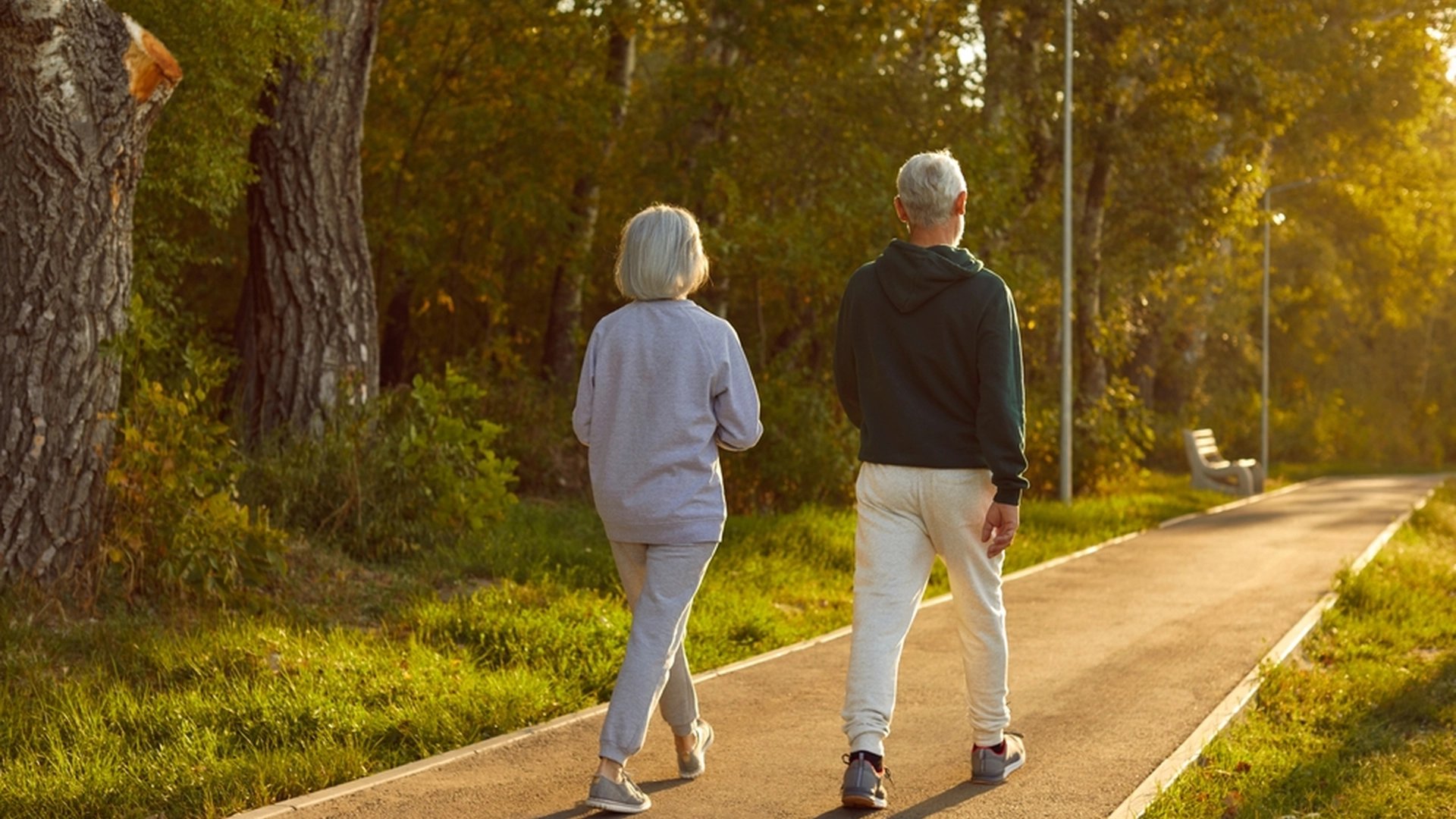
My neighbor’s morning walk has become a soundtrack in my life. I hear the gate click. I hear the steady footsteps. Some days it’s a quick loop. Some days it’s a slow shuffle with lots of pauses to admire a tree or talk to someone passing by.
They never frame it like a workout. It’s closer to a daily ritual. And honestly, watching that consistency has changed how I think about movement.
Small daily movement supports mood, sleep, mobility and confidence in your body. It also builds a sense of agency, which is a fancy way of saying you feel capable. When you move in a way that fits your life, your brain gets the message that you can take care of yourself.
Here’s something I’ve learned the hard way. If you wait for the perfect burst of motivation, you can lose weeks. People who age well often use a different strategy, they choose small, doable movement that happens even on low-energy days.
Try thinking in “minimums.” A ten-minute walk after lunch. Two songs of gentle dancing while you tidy. A set of stairs once. The goal is regularity, because daily movement adds up faster than you think.
If you’re busy, anchor movement to something you already do. Put your shoes by the door. Walk while you take a phone call. People who keep this habit tend to reduce decisions, so the action feels automatic.
3. They Protect Their Strength With Simple Resistance Habits
A family friend in their late 60s once showed me the “equipment” they use at home. I expected fancy gear. They pointed to a sturdy chair, a light set of dumbbells and a resistance band with a knot in it. That was it.
They told me they started after noticing small tasks felt harder, carrying groceries, opening jars, getting up from the floor. “I want my body to stay useful,” they said. That sentence stuck with me.
Strength supports independence. When your muscles stay engaged, everyday tasks take less effort. That can lower stress, since your day includes fewer moments that feel like a struggle.
You don’t need an intense plan to benefit from resistance work. Many people keep it simple: chair stands, wall pushups, gentle band pulls, or light weights. Consistency matters more than intensity for long-term habits.
I also notice something emotional here. People who keep simple strength habits often carry a quiet pride. It’s the kind that comes from keeping promises to yourself.
If you’re curious, start with one or two movements you can do safely and comfortably. Keep the focus on form and ease. If you ever have a medical concern, it’s wise to ask a qualified professional for personal guidance.
4. They Build Social Time Into the Week
There’s a couple on my street who host what they call “front-porch hello.” It’s exactly what it sounds like. They sit outside for a bit in the late afternoon and people drift over. Nobody has to plan a big hangout. It’s light, friendly and oddly nourishing.
I’ve joined them a few times and I always feel better afterward. Even a short conversation can soften the day. It reminds you that you belong somewhere.
Social connection supports mental health across the lifespan. It can reduce feelings of loneliness and buffer stress. You also get more chances to laugh, share stories and feel seen.
People in their 60s and 70s who seem steady often treat connection like a routine, not an accident. They schedule coffee. They join a group. They call someone every Sunday. They show up even when the week feels ordinary.
If your social life feels thin, start small and specific. Invite one person to do one thing. A walk. A museum visit. A quick soup-and-sandwich lunch. Weekly social time becomes easier when you keep the plans simple.
Something else matters too, the quality of connection. Many older adults I admire choose relationships that feel respectful and warm. They conserve energy by spending less time in circles that drain them.
5. They Keep a Consistent Sleep and Wake Rhythm
I learned this habit from an older relative who travels with their own little bedtime routine. They pack a paperback, a small lotion and a pair of soft socks. At night, they do the same steps in the same order. It looks cozy. It also looks powerful.
Meanwhile, I’ve had plenty of phases where sleep felt like a chaotic lottery. Too much screen time, a late snack, one more episode and suddenly it’s 1 a.m. The next day feels like walking through glue.
A consistent sleep and wake rhythm helps your body know when to power down and when to rise. Your brain loves patterns. When bedtime stays steady, falling asleep can feel easier and waking can feel less jarring.
People in their 60s and 70s often protect sleep like it’s a health habit, because it is. They dim the lights earlier. They keep the bedroom calm. They avoid heavy tasks right before bed.
You can experiment with a simple shift: choose a wake-up time you can keep most days. Then move bedtime slowly until you feel rested. The best routine is one you can live with, including on weekends.
If sleep gets disrupted, many steady people return to the basics. Calm evenings. Regular mornings. A little patience. That steady return helps the body relearn the rhythm.
6. They Eat in a Steady, Mostly Whole-Foods Pattern
A friend’s parent once handed me a container of leftovers with a grin. Inside was a simple meal, beans, roasted vegetables and a grain. “This is my reliable lunch,” they said. It looked humble. It also looked like something a body would thank you for.
I’ve noticed that people who age well tend to eat in a way that feels steady. They repeat meals. They keep groceries basic. They cook more than you might expect. They also enjoy treats without turning food into a daily debate.
Whole foods usually bring more fiber, vitamins and steady energy. You end up feeling more stable in your mood too, since blood sugar swings can affect how you feel. This pattern also supports digestion, which becomes more important as the years go by.
When I’m stressed, I start chasing convenience. That’s when I appreciate the “default meals” approach I see in older adults. They have a few easy meals they can make without thinking. That reduces decision fatigue.
Try building two or three go-to meals you enjoy. Think mostly whole foods such as vegetables, fruit, beans, lentils, whole grains, nuts and seeds. If you eat animal products, you can still use the same idea, simple, repeatable, balanced plates.
Consistency wins here. A steady pattern beats a perfect week that disappears. Many older adults aim for calm, regular nourishment and it shows in their energy.
7. They Stick With Hobbies That Absorb Their Attention
I once watched an older woman at a community center paint a small landscape. The room was loud, yet she seemed wrapped in quiet. Her brush moved slowly. She smiled at her own progress like it was a private joke.
Afterward, I asked how long she’d been painting. “Long enough to know it changes my whole day,” she said. That felt true just watching her.
Absorbing hobbies give your mind a break from worry. When your attention settles on a task, your nervous system often calms down. You feel more present. You also get small wins, which build confidence.
People in their 60s and 70s often keep hobbies that are attention-absorbing. Gardening. Knitting. Woodworking. Puzzles. Cooking. Music. Even birdwatching. The hobby becomes a reliable place to put your focus.
I’ve noticed another benefit. Hobbies create identity. When you think of yourself as a person who makes, grows, repairs, or learns, your days feel fuller.
If you want to borrow this habit, pick one hobby and keep it within easy reach. Leave the guitar on a stand. Keep the sketchpad on the table. Make it simple to begin, because beginning is the whole battle.
8. They Keep Learning, Even in Tiny Doses
A retired neighbor once told me they were learning a new language. I assumed they were doing a full course. They laughed and said, “Ten minutes a day.” Then they showed me a page of vocabulary taped to their fridge.
That small commitment inspired me more than any ambitious plan. It felt friendly to real life. It also felt like a quiet rebellion against mental rust.
Learning keeps your brain engaged. It strengthens attention and memory skills. It also gives you a sense of growth, which supports optimism.
People who keep this habit often choose learning that fits their personality. Short podcasts. Library books. A community class. Tutorials for a new recipe. A few pages each morning. Tiny learning doses keep the mind active without overwhelm.
When I try to learn something new, I aim for momentum. One small step that makes the next step easier. That could mean setting out a book, subscribing to one educational channel, or keeping a notebook for new ideas.
If you want a simple starting point, pick a topic you already like. Curiosity fuels effort. Many older adults keep learning because it feels enjoyable and that enjoyment keeps it going.
9. They Spend Regular Time Outdoors
There’s an older man I see most mornings sitting on a bench near a patch of trees. Sometimes he reads. Sometimes he just watches the birds. One day I walked by in a rush and he nodded toward the sky like he was sharing a secret.
I slowed down and looked up. The clouds were moving fast and the light had that clean winter brightness. My breathing changed in about ten seconds.
Time outdoors supports your mood and attention. Natural light helps your body clock. Green spaces can also lower stress levels and make you feel more connected to the world around you.
People in their 60s and 70s often build a regular outdoor habit. A porch sit. A daily walk. A small garden routine. They treat it like a reset button for the mind.
If you live in a busy area, you can still do this. Find a tree-lined street. Visit a local park. Sit by a window with sunlight for a few minutes. Regular time outside tends to work best when it feels easy.
I also notice how outdoor time creates gentle social contact. You wave at neighbors. You recognize familiar faces. That small sense of community adds another layer of steadiness.
10. They Make Space for Calm on Purpose
My friend’s aunt keeps a “quiet chair” in the corner of the living room. It faces a lamp and a small plant. No TV across from it. No piles of mail next to it. When I visited, she sat there for a few minutes after lunch like it was part of digestion.
I tried it at home later and I felt restless at first. My mind wanted to sprint toward tasks. Then something softened. I realized how rarely I give myself permission to pause without a reason.
Calm comes from cues. When your brain sees the same calm setup again and again, it learns what happens there. You breathe slower. Your shoulders drop. Your thoughts become less sharp-edged.
People who keep this habit often choose one or two calming practices and repeat them. Slow breathing for a minute. A short prayer. Gentle stretching. Tea on the porch. A few lines in a journal. Space for calm can be small and it can still be powerful.
You can also make calm more likely by reducing micro-stress. Put keys in the same spot. Keep a short list. Leave a little margin between plans. Those tiny choices lower the background noise in your day.
When I look at the steadiest older adults I know, I see a theme. They treat calm like a resource worth protecting. They return to it often and that return shapes the whole tone of life.