


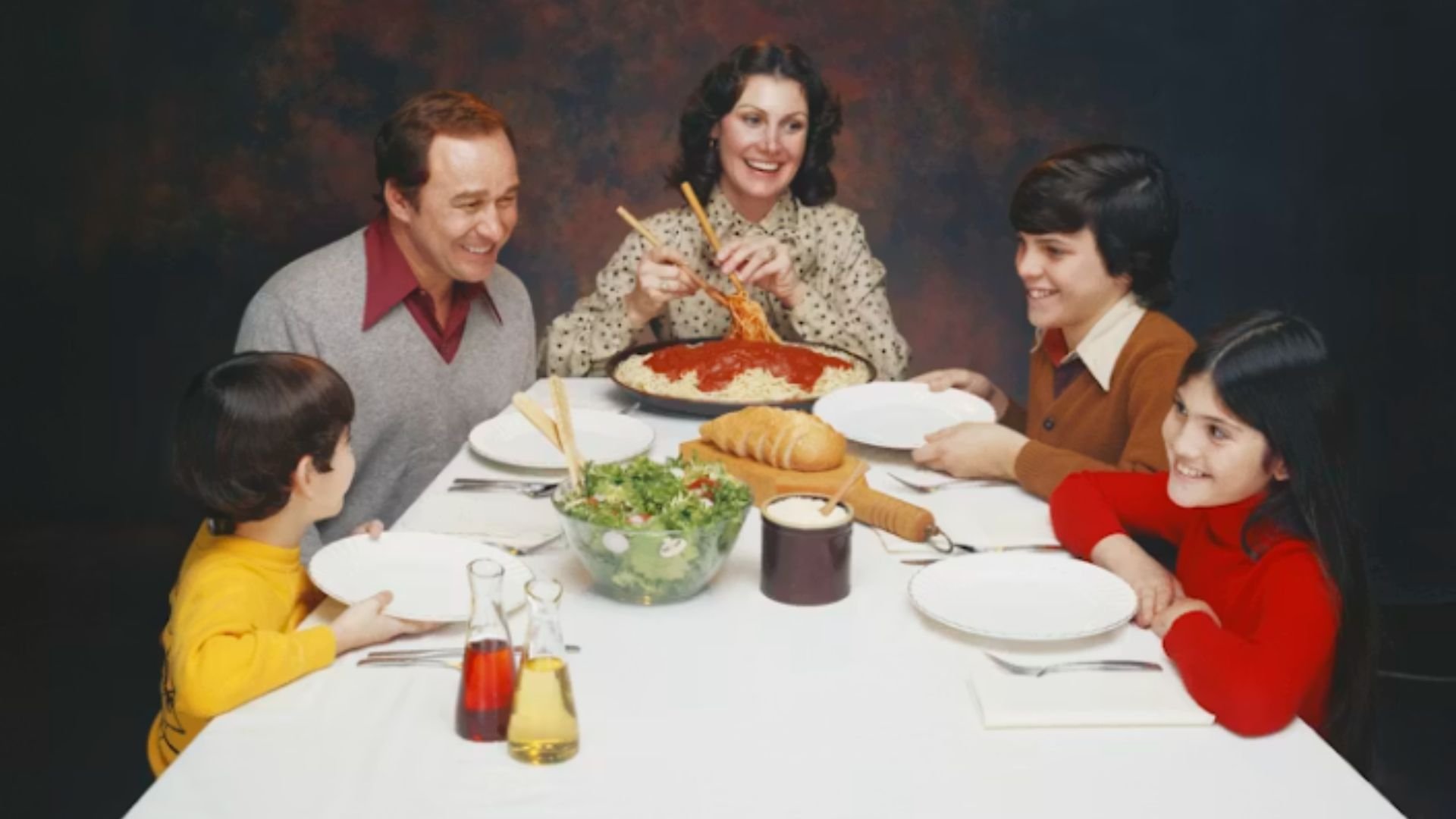
I remember sitting at a table full of people I loved, feeling my chest tighten over a tiny opinion. Someone asked where I wanted to spend a holiday. I answered honestly and the room changed shape. Faces fell. Voices sharpened. By the end of the night, I felt like I had broken something sacred.
It took me years to see what was happening. I had learned to treat agreement like a love language. If everyone stayed aligned, the day stayed calm. If I wanted something different, even something small, I carried the weight of everybody’s feelings home with me.
That pattern can follow you far beyond family life. You over-explain simple choices. You scan texts for signs of disappointment. You call yourself difficult when you’re actually being direct. A lot of adults carry this quiet training and never give it a name.
One broad theme in family research is that healthy closeness leaves room for autonomy, while enmeshment brings more rigidity and intrusion. That balance matters because people tend to do better when they can belong and still remain fully themselves.
If any of this feels familiar, you’re in good company. I have caught myself asking for permission in places where a simple preference would have done. Once you see the pattern, you start to understand why loyalty felt so heavy. You also begin to imagine a kinder version of love, one with emotional permission built in.
1. Disagreeing Felt Like Betrayal
Years ago, I shared a mild opinion at a family gathering about where we should go for dinner. You would have thought I had challenged the whole family story. The silence came first. Then came the wounded tone, the one that says, “After everything, this is your position?”
In families where loyalty gets tied to sameness, disagreement can feel loaded. A different opinion starts to carry the weight of rejection. You learn to soften your voice, add apologies and read the room before you even know what you think.
A friend once stopped me mid-sentence and asked why I kept defending a harmless preference. I was choosing a paint color for my own place and I sounded like I was making a courtroom case. That moment stayed with me. It showed me how early patterns can shape adult language.
Strong family bonds grow best when closeness and autonomy live together. The family research I looked at describes healthy cohesion as warm and connected, while still allowing separate thoughts and choices. It also describes enmeshment as more rigid and intrusive, which helps explain why dissent can stir so much tension.
If this sign fits your life, you may still feel a jolt of fear each time you say, “I see it differently.” That fear makes sense. Your nervous system learned that peace depended on alignment. Over time, you can practice speaking with less apology and more steadiness.
2. Privacy Was Seen as Distance
I admit this one took me a long time to spot. I used to think closeness meant full access. If I kept something to myself, even a mood I had not sorted out yet, I felt disloyal. The guilt showed up fast.
You may have grown up with questions that sounded caring but felt invasive. Who were you with. What did you talk about. Why didn’t you answer right away. The message underneath was simple, your inner life belonged to the group.
There was a time when I told family members almost every detail of my day just to stay ahead of suspicion. It felt easier than being told I was “shutting people out.” I did not have a language for healthy privacy then. I only knew the relief of giving enough information to calm the room.
The family paper I found puts this in helpful terms. A 2021 Annual Review article describes healthy cohesion as connection with autonomy and it places enmeshment alongside rigidity, intrusion and surveillance. That idea lands hard when you have lived in a family where every closed door seemed suspicious.
Privacy gives relationships breathing room. It lets you think before you speak. It helps you discover your own preferences without an audience. When a family treats privacy as distance, you may grow into an adult who over-reports, over-explains and feels tense any time you keep something just for yourself.
3. Guilt Kept Everyone in Line
I can still hear certain phrases in my head. “We were counting on you.” “Everyone else made the effort.” “I guess family matters differently to some people.” The words were calm on the surface. Their job was clear all the same.
Guilt is powerful because it turns a choice into a moral test. You are no longer deciding whether you have the time or energy. You are proving whether you are caring, grateful and loyal enough. That is a heavy frame to carry into everyday life.
My body learned this before my mind did. I would say yes to things I did not want to do, then spend the day exhausted and resentful. Later, I would feel ashamed for the resentment too. That loop can make you feel trapped inside your own goodness.
Families thrive when members feel both connected and free to move as separate people. Once autonomy starts to feel risky, emotional pressure often steps in to keep everyone close. In that sense, the guilt script becomes one way a rigid system protects itself.
You may still hear guilt even when nobody is saying a word. It lives in pauses, sighs and the urge to fix other people’s disappointment. A useful shift begins when you notice that guilt has been doing the job of honest conversation.
4. Family Image Came Before Your Feelings
I remember smiling through a gathering after a tense exchange that left me shaky. Guests came in, music turned on and the mood changed on command. I stood there holding a plate, trying to match the performance. Inside, I felt miles away.
Some families are deeply invested in how they appear. They prize politeness, success, closeness and harmony. Those can be beautiful values. Trouble starts when the family image matters more than what people are actually experiencing.
A relative once said, “We keep our business in the family,” after someone tried to name a painful issue. The room went quiet. I remember how fast the truth disappeared after that. Everyone returned to small talk and the pain stayed where it was.
When appearance leads and feelings trail behind, people often lose trust in their own emotional reality. You start asking yourself whether something really hurt, or whether you are simply making life harder. In a more balanced family system, closeness and honesty can sit in the same room.
If this sign feels familiar, you may be skilled at looking fine. You might know how to host, smile and keep things moving. You may also carry a quiet loneliness, because being seen and being displayed are two very different experiences.
5. Boundaries Were Treated as Selfish
There was a season of my life when I started saying simple sentences like, “I can’t make it this weekend,” or, “I need a quiet night.” I expected mild disappointment. What I got was a stronger reaction. People seemed to hear rejection where I meant self-care.
That confusion runs deep in many families. When your role has been to stay available, a boundary can land like a character flaw. You are suddenly “cold,” “changed,” or “too sensitive,” simply because you stopped stretching beyond your limit.
I once left my phone on the table after setting a clear plan for the week. Messages piled up anyway. A few were practical. A few had that familiar ache in them. By evening I felt guilty for taking up basic space in my own life.
Clear boundaries help people show up with more honesty. They tell others where your time, energy and attention begin and end. Families with healthier cohesion make room for that. The review paper I found describes thriving systems as connected and autonomous, rather than rigid or enmeshed.
Sometimes the hardest part is internal. You might keep giving long after you are depleted because your body has linked closeness with constant access. That old training can make rest feel rude.
A gentler way forward often starts small. You answer one question without over-explaining. You leave one event on time. You keep one private plan without turning it into a debate. Those tiny acts can reshape your sense of self.
6. You Were Expected to Take Sides
I have watched a simple conflict turn into a recruitment drive. One person vents, then another calls, then a third wants your “honest opinion.” Before long, you are carrying a story that was never yours to hold. Family tension can spread fast that way.
Side-taking pressure teaches you to become a loyal witness instead of an independent person. You may learn that love means endorsing someone’s hurt, their version of events and their chosen enemy. That role can feel intimate at first. It becomes exhausting over time.
My own version of this showed up in long phone calls after gatherings. I would hang up feeling drained, then wonder why my stomach hurt. I had spent the evening managing feelings, translating motives and trying to keep everyone from blowing up.
When a family has strong room for autonomy, relationships can stay direct. One person can talk to another person without building a team around the conflict. In more rigid systems, side-taking pressure often appears because emotional boundaries are weak and everybody gets pulled into the same storm.
If you grew up with this, neutrality may feel risky. You may worry that staying out of it means you are abandoning somebody. In reality, calm distance can protect your peace and give the original relationship a chance to breathe.
7. Warmth Came With Conditions
I remember how quickly the mood could brighten once I did the expected thing. Approval felt warm. It was almost glowing. The hard part was how fast that warmth faded when I made a choice nobody liked.
That kind of pattern can teach you to chase love through performance. You become easy, helpful, agreeable and impressive. You build yourself around what earns closeness. Somewhere along the way, your natural self starts waiting offstage.
A friend told me once that they always knew when they were “back in good standing” with family. The texts got sweeter. Invitations returned. The whole atmosphere softened. That line stuck with me because so many people know that weather change by heart.
Psychologists sometimes talk about love and approval becoming tied to compliance. In everyday terms, conditional warmth means affection feels safer when you stay in line. Families do better when warmth and connection are steady enough to hold both closeness and individuality.
This can shape adult relationships in subtle ways. You may overwork for praise. You may panic after a conflict. You may read neutral messages as signs that someone is pulling away.
It helps to notice what your younger self learned from the pattern. You learned to earn softness. You learned to monitor the room. Once you see that, you can start choosing relationships where care feels more stable and less transactional.
8. Your Choices Needed Family Approval
I have sat with major decisions for days, sometimes weeks, because I was bracing for the family reaction. The decision itself felt clear. The emotional aftermath felt harder. That is a strange way to live as an adult.
This sign often shows up around work, money, parenting, dating, where you live and how you spend your time. A choice becomes real only after it passes through the family court. Until then, it hangs in the air waiting for a verdict.
There was a moment when I caught myself rehearsing a totally reasonable life update as if I were delivering bad news. I had already chosen. Still, my body wanted to cushion, soften and justify. Approval had become part of the decision-making process.
A healthier family culture supports belonging while allowing each person to develop a sturdy sense of self. That balance is close to what the review describes through cohesion and autonomy. When approval becomes the gatekeeper, your inner authority can grow shaky.
If this pattern lives in you, even good choices can come with dread. You may ask for opinions when you already know your answer. You may also mistake outside relief for inner certainty. Learning to trust your own judgment takes repetition and a lot of self-respect.
9. Leaving Brought Shame or Panic
When I first created more distance from a family routine, I expected sadness. What surprised me was the panic in the air. A simple change in access felt huge to other people. It was as if my movement had threatened the whole structure.
Leaving can mean many things. Moving away. Ending a ritual. Skipping the daily call. Building a new tradition with your own household. In enmeshed families, these acts can stir outsized fear because separation feels like danger.
I have seen families respond to distance with dramatic emotion, sudden emergencies, or a flood of nostalgia. The timing tells its own story. Just when you begin to stand on your own feet, the pull gets stronger.
The research language here is useful. Healthy cohesion includes connection and freedom, while enmeshment leans toward rigidity and intrusion. That framework helps explain why separation panic can rise when one person starts creating more independent space.
If this is your story, shame may arrive right after relief. You finally get room to breathe, then you feel cruel for taking it. Naming that pattern can help you hold both truths at once, your care for your family and your need for a life that fits.
10. You Still Feel Responsible for Everyone
This one can hide in plain sight. You walk into a room and instantly read the temperature. Who is tense. Who feels left out. Who might explode. Before the conversation even starts, you are already working.
I know that role well. I have played peacemaker, translator and emotional weather reporter without anyone asking. It felt useful. It also left me deeply tired, because other people’s moods kept setting the agenda for my nervous system.
Many adults from loyalty-heavy families become excellent caretakers of group emotion. They know how to smooth things over, keep secrets, change the subject and absorb discomfort. Those skills can look admirable from the outside. On the inside, they often feel like borrowed responsibility.
Family systems tend to work best when each person can belong without carrying the whole structure on their back. The review I found points to resilience in connected systems that preserve autonomy and avoid rigid over-involvement. That idea matters here, because one person’s full humanity should never depend on managing everyone else’s feelings.
These days, I try to notice the moment when care turns into over-functioning. It usually feels tight and urgent. I want to fix, explain, rescue and prevent. That is my cue to pause.
You can be loving without becoming the emotional engine for the whole family. You can care deeply and still let grown people own their reactions. For many of us, that is the real shift. Love becomes steadier, cleaner and much easier to live inside.