


Some trends feel like a loop you can step into. One minute, everyone is chasing the newest app. The next, you notice a friend mending a sweater and it suddenly looks cool.
I once spent a Sunday afternoon at a kitchen table with a pile of postcards and a good pen. Two hours passed fast. I felt lighter when I finally stood up.
That’s the quiet magic of these old-school hobbies. They give your hands something to do. They also give your brain a softer place to land.
Young people are bringing them back for simple reasons. Many of them are affordable. Many of them fit into a busy schedule. All of them offer a kind of low-screen joy you can feel right away.
Some hobbies pull you toward other people. Others help you enjoy your own company. Either way, you end up with a story, a skill, or a small object you can hold.
Here are 10 throwback hobbies that keep showing up again and why they still work so well.
1. Knitting and Crochet
Knitting and crochet are having a real moment and you can see it everywhere. There are cozy scarves on social feeds. There are yarn bags at coffee shops. There are new patterns made for modern style.
What makes it stick is the rhythm. Loop, pull, repeat. That kind of mindful repetition can feel like a reset after a long day.
Try starting with something tiny, like a dishcloth or a simple headband. Small projects are friendly. They also build confidence fast.
Because it’s a portable hobby, you can bring it to places where you usually scroll. A train ride. A waiting room. Even a slow meeting where you only need to listen.
Another perk is the community. Yarn shops often host casual meetups. Online groups swap tips and cheer each other on. You get skill-building plus connection.
When you finish your first wearable item, it hits different. You made something useful with your own hands and you can feel that hands-on calm every time you put it on.
2. Vegetable Gardening
Vegetable gardening feels old-school in the best way. It brings you outside. It also makes you pay attention to small changes, like a new leaf or a stronger stem.
Start where you are. A balcony can hold a few pots. A sunny window can handle herbs. A backyard can grow enough greens for a week.
There’s also a steady stream of tiny wins. You plant. You water. You spot the first sprout. Then you harvest something and realize dinner just got more personal.
For a simple first season, try leafy greens, cherry tomatoes, or peppers. They tend to reward beginners. You can also grow scallions from kitchen scraps and feel like a wizard.
On hard days, the garden still asks for basic care. That little routine can help you feel grounded. Plus, fresh food tastes like effort in the best way.
3. Vinyl Records and Turntable Listening
Vinyl brings music back into the room. You choose an album. You set it up. You sit down and actually hear the whole thing.
That’s part of the appeal, the sensory ritual. The sleeve. The artwork. The soft crackle right before the first track.
Sometimes you realize you’ve been treating music like background noise. Vinyl invites you to listen with your full attention. It turns a normal evening into an event.
If you’re new to it, you don’t need a museum-level setup. A basic turntable and a few records are enough. Many people start with used albums from thrift shops or local record stores.
Another fun part is the hunt. You learn what you love. You ask questions. You trade recommendations with strangers who become regulars.
When friends come over, vinyl changes the vibe. You end up talking between sides. You also share memories tied to songs. That’s the kind of analog memories people crave right now.
4. Letter Writing and Postcards
Letter writing feels almost rebellious today. You slow down. You choose words with care. Then you send something real into the world.
A postcard is the easiest way to start. One image, a short message and a stamp. It takes five minutes and it can brighten someone’s whole week.
Try keeping a small stationery kit at home. Pens you like. A few stamps. A stack of postcards from local shops or museums.
When you write by hand, your thoughts often come out softer. You pause more. You notice what you actually want to say.
Also, mail creates a gentle kind of anticipation. Your friend checks the mailbox and finds your note. You get to be a surprise in their day.
5. Woodworking and Simple DIY Builds
Woodworking sounds intimidating until you see what counts as a first project. A basic shelf. A plant stand. A simple frame for a print you love.
You get a strong sense of progress because the steps are visible. Measure. Cut. Sand. Assemble. Even the mistakes teach you something clear.
For many people, the appeal is slow creativity. You can’t rush glue drying. You can’t force wood to behave. You learn patience through the process.
Start with safety and basics. Ask someone at a hardware store for help choosing the right sandpaper grit. Watch a short tutorial on tool handling. Then keep your first build simple.
Because you’re working with your hands, your attention narrows in a good way. The rest of the day fades out. You focus on the next cut and the next smooth edge.
When you finish, you have something sturdy and useful. Every time you see it, you remember you can make things. That feeling sticks around.
6. Jigsaw Puzzles
Jigsaw puzzles are quietly everywhere again. They show up at game nights. They show up on coffee tables. They even show up as a way to unwind before bed.
There’s a satisfying click when a piece fits. That small moment can be deeply rewarding after a day full of open tabs and unfinished tasks.
Try picking an image that truly makes you happy. A landscape. A favorite city. A bright illustration. The picture matters more than you think.
Some people puzzle alone. Others treat it like a background hangout. You can talk while your hands sort edges and colors.
When you want a mood boost, keep it short. A 300-piece puzzle can fit into a weekend. You still get the win without losing your whole week.
7. Canning, Pickling and Preserving
Preserving food has a cozy reputation and it earns it. There’s something comforting about jars lined up on a counter, each one full of color.
Pickling is often the easiest entry point. Cucumbers, onions, carrots, or radishes can become quick pickles in a day. You get a big flavor payoff fast.
If you want the full canning experience, start by learning safe methods. Many local extension programs share clear instructions. It’s worth taking the process seriously.
Once you find your groove, it builds kitchen confidence. You learn how ingredients change. You learn how to season well. You also start trusting your taste.
Later, those jars become gifts. A friend gets spicy pickled carrots. A neighbor gets strawberry jam. It turns ordinary food into a shared tradition.
8. Film Photography
Film photography slows everything down in a way that feels refreshing. You can’t take 40 shots and delete 39. You choose your moment with care.
That limitation can feel freeing. You look for light. You notice shadows. You wait for a good angle and you press the shutter with intention.
Start simple with a disposable camera or a basic 35mm point-and-shoot. Many young photographers love thrifted cameras with a little personality.
When you drop off a roll to get developed, you get a break from instant feedback. You wait. You wonder. Then you see the results and feel a real spark.
Try taking film photos of everyday life, not only trips. Your morning coffee. Your messy desk. Your friend laughing across a table. Those images age beautifully.
Even the “imperfect” shots have charm. That’s part of the point. You end up with keepsakes that feel lived-in and real.
9. Birdwatching
Birdwatching is trending for a simple reason, it gets you outside and paying attention. Once you start noticing birds, you see them everywhere.
You don’t need fancy gear. A cheap pair of binoculars helps and your eyes work fine too. Many people begin by learning the common birds in their neighborhood.
On a walk, try listening first. Birds often announce themselves before you spot them. Then look up, scan branches and follow the movement.
This hobby supports nature attention, the kind of focus that feels calm and alert at the same time. It’s also a break from your usual mental loop.
When you want a social version, join a local bird walk. You’ll meet people who get excited about tiny details, like wing bars or a specific call.
10. Classic Board Games and Card Nights
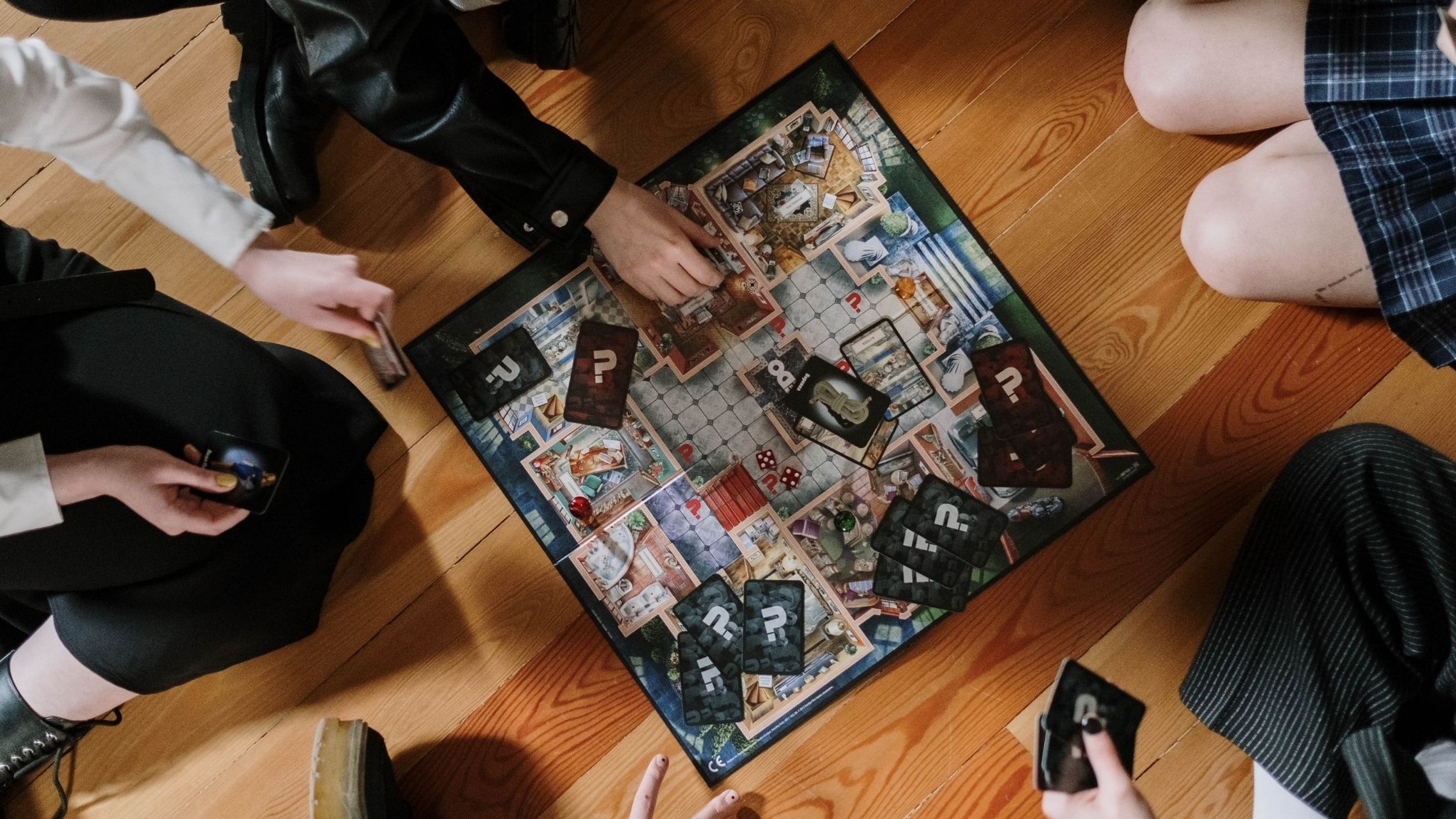
Board games and card nights keep coming back because they turn an ordinary night into a shared experience. You sit down together. You talk. You laugh. You focus on one thing.
One evening, I showed up to a casual game night thinking I’d stay for one round. Three rounds later, I was still there and my shoulders felt looser.
Some games are strategy-heavy. Others are quick and silly. Choose a mix so everyone feels included and keep the rules simple at first.
It also helps that these nights build real support. Research on social support has linked strong connections with better stress coping. A game night can be a small way to keep those connections warm.
If your group is new, start with classics, like rummy, hearts, or Scrabble. Add one modern party game when you want extra energy and friendly competition.
Over time, you get inside jokes and small rituals. Someone always brings snacks. Someone always shuffles too loudly. That’s the glue of shared laughter and it’s a big reason these old-school hobbies feel so good right now.