



You probably heard the “right” time to shower is in the morning so you can wake up and feel fresh. Then one day you switched to a night shower and everything about your evening started to feel different.
Instead of dragging yourself out of bed and straight to the water, you save that shower for later. It becomes part of your night. You step in with the day still clinging to you and you step out feeling like a different person.
Psychologists often talk about how small habits shape the way you think. A shower is not just about getting clean. It is a tiny ritual that affects your mood, your focus and how your brain closes one chapter and opens the next.
If you are a night shower person, you might have noticed this already. You replay the day in your head as the water hits your shoulders. You make decisions about tomorrow. You feel your body and mind slow down at the same time.
That is not an accident. It fits with what sleep and habit researchers keep finding. The way you time your routines can say a lot about how you handle stress, rest and even your relationship with time itself.
Here are some of the quiet but powerful ways your mind may work differently because you choose to shower at night, not in the morning.
1. You Treat Nighttime As A Reset Button
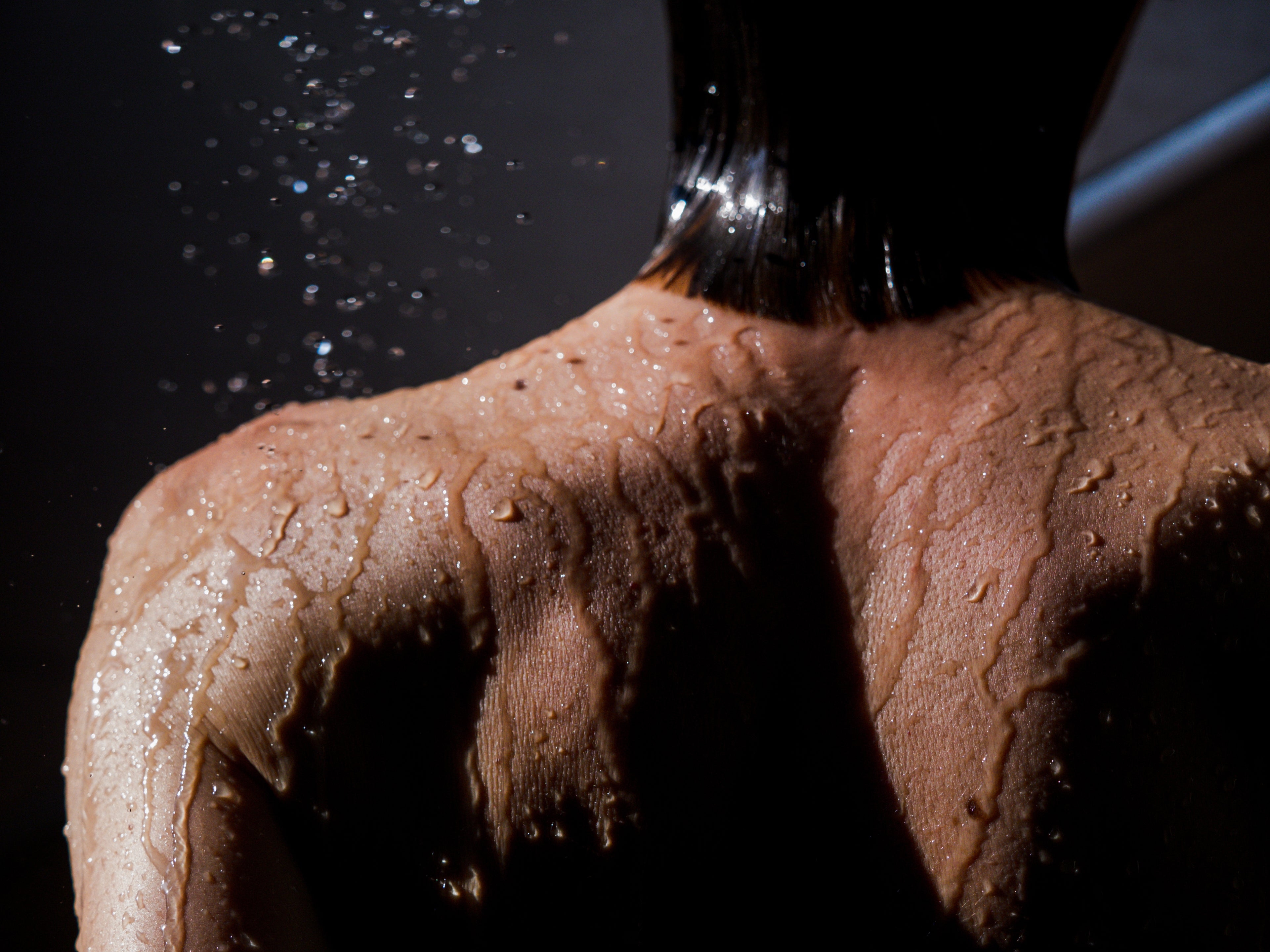
For many people, nighttime feels like a slow fade. For you, it feels like a reset. Your shower is the line between “day you” and “evening you,” and you take that line seriously.
Instead of crashing on the couch with the day still stuck to your skin, you step into the water and tell your brain, “We are done now.” That clear signal can help your mind stop looping through emails, arguments and to-do lists.
Psychologists call this kind of thing a “cue.” You do a small action that tells your brain a bigger change is happening. In your case, the cue is not the alarm clock in the morning. It is the shower at night. It says, “The hard part is over.”
Because you use night as a reset, you may also be better at emotional closure. Even if the day was tough, you have a set moment when you literally wash it off. That makes it easier to leave the past twelve hours where they belong.
There is also a quiet confidence in this habit. You do not just stumble into rest. You choose it. You walk toward it with intention, towel in hand and that mindset often spills into other parts of your life too.
So while someone else might fall into bed still buzzing from the day, you press your own reset button first. Your shower is how you say, “Today is finished. I am allowed to let go.”
2. You Value Winding Down Over Powering Up

Morning people often treat the shower like a power move. It is the way they jump-start their brain. You, on the other hand, use water as a way to slow down.
You might light a candle, choose a calmer playlist, or just enjoy the quiet. The goal is not to wake yourself up. The goal is to send a message to your body that it can finally relax.
This hints at a deeper value. You see rest as something worth investing in. You believe that how you end the day matters just as much as how you start it, maybe even more.
Because of that, you do not mind spending ten or fifteen extra minutes in the shower at night. It is not “wasted time” to you. It is one of the few moments where no one needs anything from you.
That kind of thinking often shows up in other habits. You might enjoy a wind-down playlist, a cup of tea, or a small stretch routine. You give your nervous system gentle signals that it can shift down a gear.
3. You Link Cleanliness With Emotional Closure
For you, getting clean is about more than soap and shampoo. It is about emotional closure. You are not only rinsing off sweat and city dust. You are rinsing off awkward conversations, stressful meetings and tiny frustrations.
Have you ever stepped into the shower still annoyed about something, then noticed that by the time you step out, the feeling has softened? That is your brain pairing the physical feeling of clean skin with the emotional feeling of a cleaner slate.
Many people save their emotional processing for bed. They lie there and replay every detail. You move part of that process into the shower. The water becomes the place where you reframe things and decide what is worth carrying forward.
Because of this, you may have a strong sense of “end of story” in your life. You finish tasks, you close tabs, you like to mark the end of a chapter. Your night shower is one of your favorite chapter markers.
There is also something symbolic in watching soap and bubbles swirl down the drain. Problems may not literally wash away, but your body feels like some of that heaviness does. That symbolic act can be surprisingly powerful for your mood.
In a way, you are telling yourself, “I am allowed to feel done with today.” That is not just a hygiene choice. It is a mental health choice, even if you never thought of it that way.
4. You Prefer Quiet Reflection To Early Hustle
If you shower at night, chances are you enjoy the privacy and quiet of late hours. The world is finally less noisy. Your phone slows down. The street outside the window calms.
Morning showers can feel rushed. You might be checking the time, planning breakfast and worrying about traffic. By moving your shower to the evening, you protect one part of your day from that kind of pressure.
This often means you are more comfortable with reflection than constant hustle. You like to think things through without someone knocking on the door or a meeting starting in fifteen minutes.
Sometimes the shower becomes the place where your best ideas arrive. When your mind is not trying to be “on,” creative thoughts have room to bubble up. Many people say their most original thoughts come when they step away from screens. You have built that into your routine.
It is not that you dislike productivity. You just believe that stillness has value too. You know that a quiet mind at night often sets you up for a sharper mind in the morning.
5. You Plan Ahead Instead Of Rushing At Dawn
Night shower people often treat the evening as their planning zone. While the water runs, your brain runs through tomorrow in a low-pressure way.
You might mentally choose your outfit, think about what breakfast will be, or rehearse a big conversation. Because you are not late yet, planning feels calmer.
By the time your head hits the pillow, you already made a few decisions that morning-you will not have to make. That can reduce decision fatigue and make your day start smoother.
This kind of forward thinking is a form of executive function. You are using a quiet physical routine to trigger a mental one: preview the next day, then let it go.
Many people who do this report that their mornings feel lighter. There is less scrambling. Less “Where is my shirt?” or “What am I even doing today?” It is not that problems vanish. It is that you handled some of them last night while the water helped your brain focus.
In short, you trade a little extra effort in the evening for more calm at dawn. That choice says a lot about where you like to put your mental energy.
6. You Notice Body Cues More Than Clock Time

When you shower at night, you are less ruled by the alarm clock and more tuned in to how your body feels. You pick your shower time based on tension in your shoulders or heaviness in your eyes, not just because “it is 7 a.m.”
This can mean you are quite attuned to your physical cues. You notice when your muscles feel tight. You feel when your skin needs care. You are aware of your temperature and comfort in a more mindful way.
Psychologists sometimes talk about “interoception,” which is a fancy word for sensing what is happening inside your body. Night shower people often have a natural version of this. You sense that a warm or cool rinse might help your body shift into a different state.
Instead of forcing yourself into a routine that fights your natural rhythm, you use your shower to work with it. If you had a hard workout, you might shower a bit earlier. If it was a long workday, you might savor a longer shower as a form of gentle recovery.
This habit can carry into other choices. You may notice when you are hungry or overloaded sooner. You may give yourself permission to slow down without waiting for total burnout.
7. You See Sleep As Something To Protect

Showering at night often goes hand in hand with a strong respect for sleep. You do not see sleep as “lost time.” You see it as a resource you protect.
For many people, a warm bath or shower before bed can help the body cool down afterward, which supports easier sleep. Sleep research has found that this kind of routine can shorten the time it takes to fall asleep and improve sleep quality for many adults.
Even if you never read a single study, you might have noticed this in your own life. When you shower at night, your body feels more relaxed and your mind feels more ready to drift off.
Because you see sleep as important, you build little rituals around it. The shower, fresh pajamas, maybe clean sheets now and then. These are not just preferences. They are signals of how much you value real rest.
This mindset affects daytime you as well. When you treat sleep as something worth guarding, you are more likely to say no to that extra episode or late-night doomscrolling. You know tomorrow will feel different based on what you do right now.
In a culture that often glorifies being busy, your choice to protect sleep is quietly rebellious. It shows that you care about how you feel, not just how much you can do.
8. You Use Routine To Calm Anxious Thoughts
If your mind tends to race at night, a predictable routine like a shower can be your best friend. It gives your brain something simple and familiar to focus on.
You know the steps by heart. Turn on the water. Shampoo. Rinse. Soap. Rinse again. Because the pattern is the same, your mind does not have to work hard. This can give your worries less room to expand.
Many people with busy brains naturally create little rituals to soothe themselves. Night showers work especially well for this because they involve physical sensation, sound and movement all at once.
Instead of lying in bed and trying to force yourself to “stop thinking,” you let the routine guide you down a calmer path. It is much easier to follow a habit than to argue with your own thoughts.
Over time, your brain starts to link the shower with a sense of calm. The water turns into a cue that says, “We are safe. We are slowing down now.” That link can get stronger the more you repeat it.
9. You Are Comfortable Being “Out Of Sync” With Others
Morning showers are the social default in many places. So when you choose to shower at night, you are already a bit out of sync with the usual script.
This does not bother you much. In fact, it might feel good. You do not mind making small choices that fit you better, even if they are not the most popular ones.
That trait can show up in other ways. Maybe you work better at night while others prefer early hours. Maybe you enjoy quieter social plans instead of the trendy ones. You are willing to honor your own rhythm.
Being slightly out of sync also teaches you to be flexible. You might adapt your shower time when you travel or visit someone. You know how to bend the rule without losing what matters to you.
Most of all, it shows that you trust your own experience. You tried both options and decided night showers simply work better for your body and brain. That self-trust can be a powerful foundation in other life decisions.
In a small way, your nightly routine says, “I do not have to copy everyone else to be doing it right.”
10. You Reframe The Day Before It Replays In Your Head

Many people only start reviewing the day when they lie down. For you, the review often starts in the shower instead.
As the water hits your skin, your brain scrolls through the last several hours. A mistake at work, a kind message from a friend, a random moment that made you laugh. You notice it all.
Here is the difference. In the shower, you are more likely to sort and reframe. You might think, “That meeting was rough, but I learned what not to do next time.” Or, “Today was a lot and I still handled it.” The warm water helps soften the edges of the story.
By the time you get into bed, much of the emotional “processing” is already done. Your thoughts are less likely to turn into full-on rumination because you have given them attention in a calmer setting.
This habit can reduce the mental replay that keeps so many people awake. You do not deny what happened. You simply face it earlier and on your own terms.
11. You Invest In Future You More Than Morning You
Showering at night is one of those small choices that makes life easier for future you. It means you can wake up and skip one step. You can move straight into breakfast, clothes, or a quiet moment with a cup of something warm.
You are willing to do a bit more in the evening so that your morning feels kinder. That says a lot about how you relate to your future self. You see them as someone worth helping, not someone who should just “push through.”
This mindset often spreads. You might set out your clothes, pack a bag, or write a short to-do list the night before. Each little act is a way of saying, “I want tomorrow to feel smoother than today.”
People who think this way tend to be more consistent with long-term habits. They understand that comfort and ease in the future often come from a tiny bit of effort now.
In short, your night shower is not just about getting ready for bed. It is about investing in the version of you who will wake up tomorrow. You care about their energy, their mood and their sense of calm. That is a beautiful way to think.