



research on aging – Study linking purpose in life with better strength and walking speed in older adults.
You might not feel like a “once in a lifetime” soul when you are tying your shoes or washing dishes. It can all seem very normal. Ordinary even.
Then someone your age mentions they cannot walk to the mailbox without pain. Or a friend jokes that they need help to stand up from the couch. Suddenly your “ordinary” day looks very special.
I remember watching an older neighbor head out for a walk every single morning. Same time, simple clothes, quiet smile. At first I barely noticed. Years later, I realized how rare that consistency and strength really was.
Getting older comes with real changes. Bodies slow down. Energy dips. Plans need more thought. None of that cancels your worth. If anything, every bit of strength and spark you still have becomes even more meaningful.
If you are over 65 and can still do many of the things on this list, you are not just “doing fine.” You are carrying a level of resilience and vitality that deserves real respect, especially from you.
Let’s look at what those abilities say about you and why they matter far beyond simple “fitness.”
1. You Can Walk Briskly For 20 Minutes
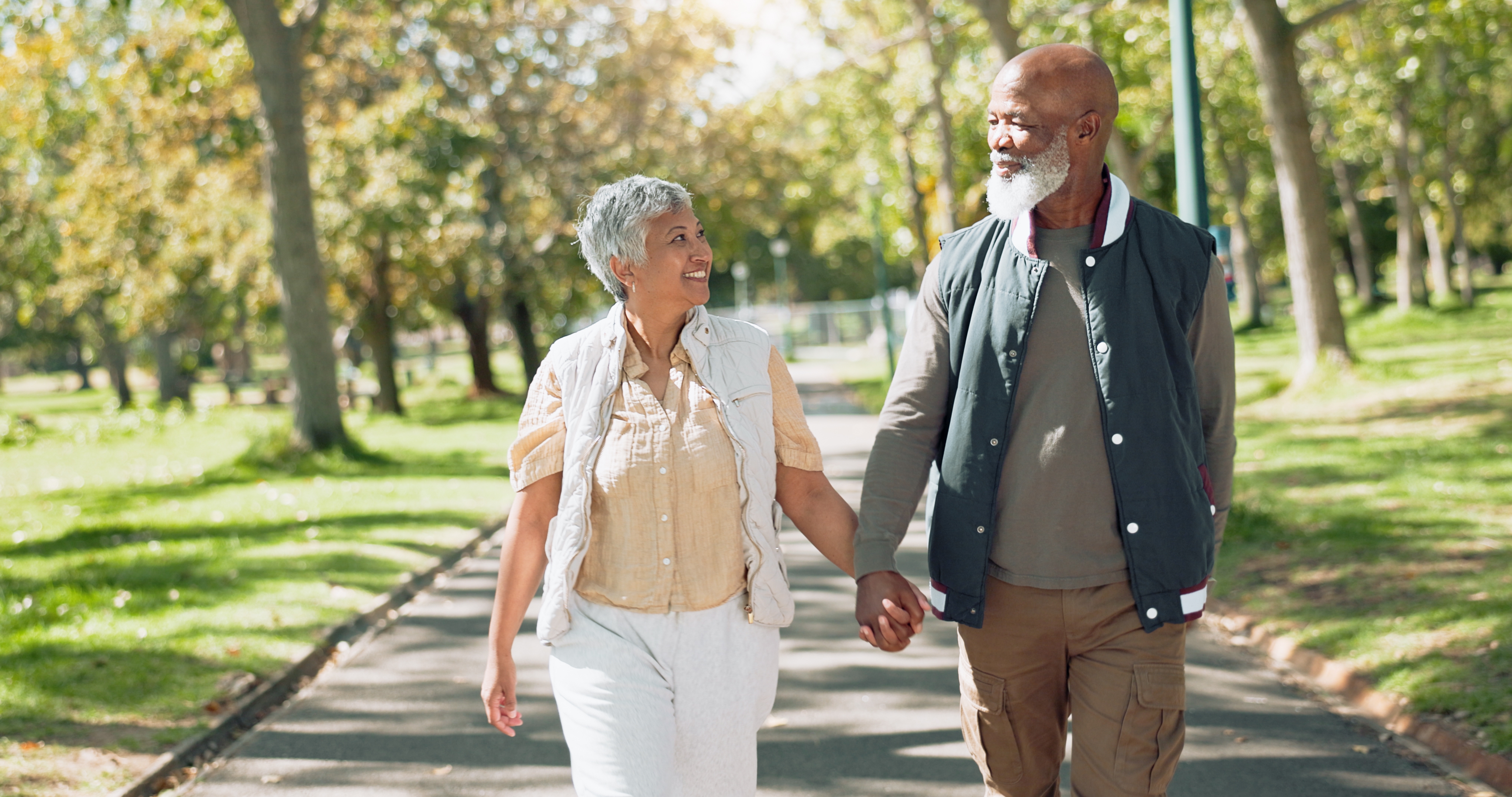
If you can walk briskly for 20 minutes, you are doing something powerful for both your body and your mind. A steady walk that raises your heart rate a little shows that your heart, lungs and circulation are working in sync.
Many people your age find even a slow five minute walk challenging. So if you can step out at a decent pace, you are already ahead of the curve. You are keeping your independence and mobility alive in a very real way.
On a deeper level, going for a brisk walk often means you chose movement over the couch. That choice reflects motivation, focus and sometimes even a sense of purpose. Researchers have linked a strong sense of purpose with better walking speed in older adults, which hints at how your mindset and body work together.
Walking also clears mental fog. You might notice that after your 20 minutes, worries feel smaller and ideas come easier. That is your brain enjoying improved blood flow and a short break from screens and chairs.
So when you lace up your shoes and head out for that walk, you are not just “getting some steps in.” You are sending yourself a message. You are still moving forward in life, not just around the block.
2. You Can Get Down To The Floor And Back Up
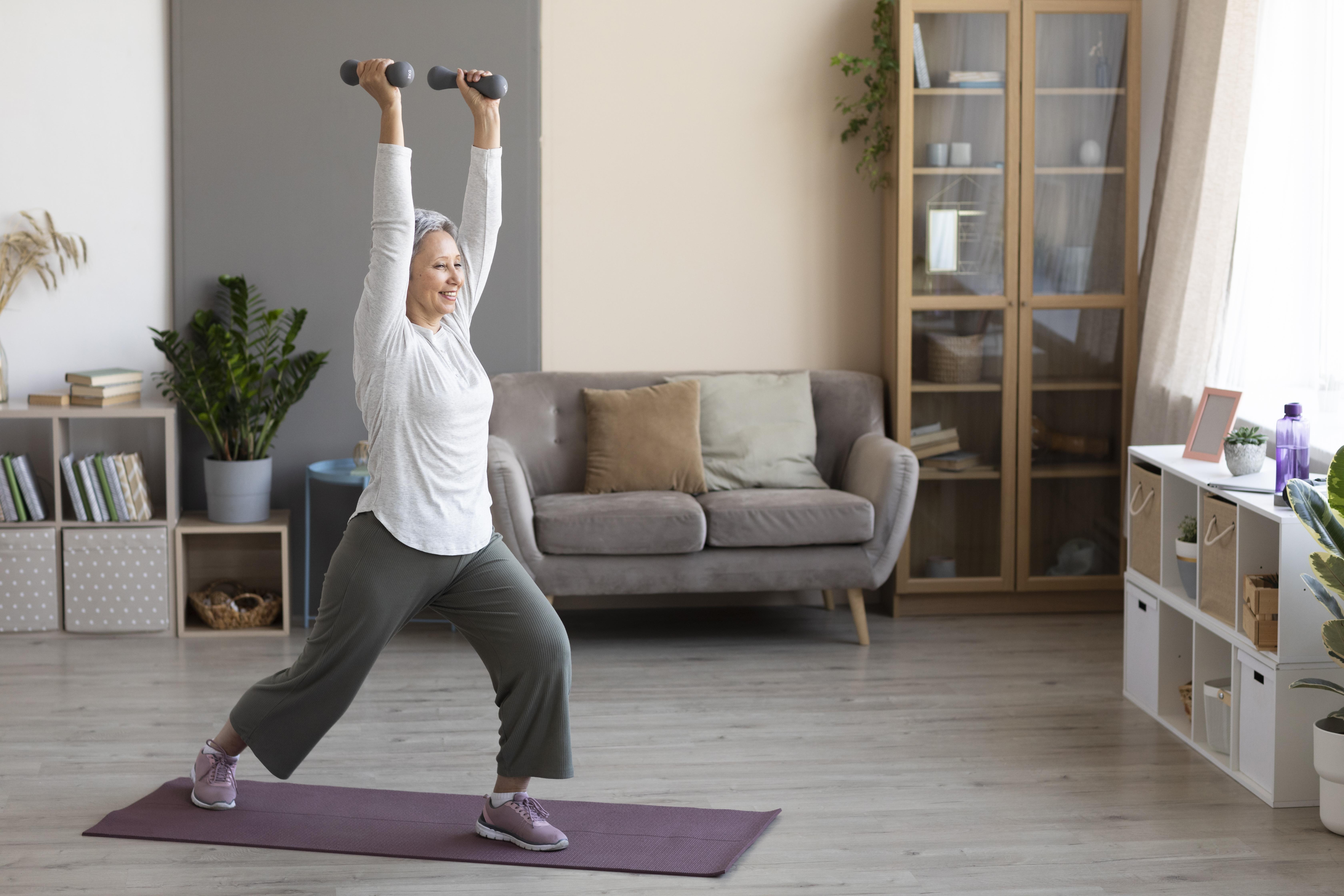
Being able to get down to the floor and back up again is a quiet superpower. It shows that your legs, hips, core and balance are all working together.
Think about how many moments this skill touches. Playing with kids. Reaching under the bed. Sitting on the ground at a picnic. Stretching on a mat. When you can move your body that freely, the world feels bigger and more open.
Sometimes the fear of falling can make people avoid the floor completely. If you still feel confident going down and rising again, that confidence itself is gold. It signals a strong connection between your brain and body and a sense of trust in your abilities.
You also show patience when you do this. You might move slower than you did at 30 and that is fine. You adjust, use a chair or a table if needed and still find a way. That flexible mindset is part of what keeps you capable.
Each time you lower yourself and stand up again, you are practicing a key skill for daily safety. You are reminding your muscles and your mind that you can recover from low positions and from low moments too.
3. You Can Lift And Carry Your Own Groceries
Carrying your own groceries from the store or the car might not feel like a big deal. Yet it is one of the clearest signs of real world strength.
When you can pick up a bag, balance your body and walk without feeling like you might drop everything, you show that your arms, back and grip are still strong. That kind of functional strength matters more for daily life than any gym number.
There is also a deep emotional layer here. Being able to handle your own bags often means you do not have to depend on others for every small task. That sense of practical independence can protect your confidence and dignity.
On some days, you might choose lighter bags or more trips and that is still a win. It shows you know how to adjust without giving up. You honor your limits while staying active in your own life.
Next time you unload the car by yourself, pause for a second. Notice how many muscles just worked together and how many tiny choices you made to keep yourself safe. That is quiet strength in action.
4. You Can Climb A Flight Of Stairs Without Stopping
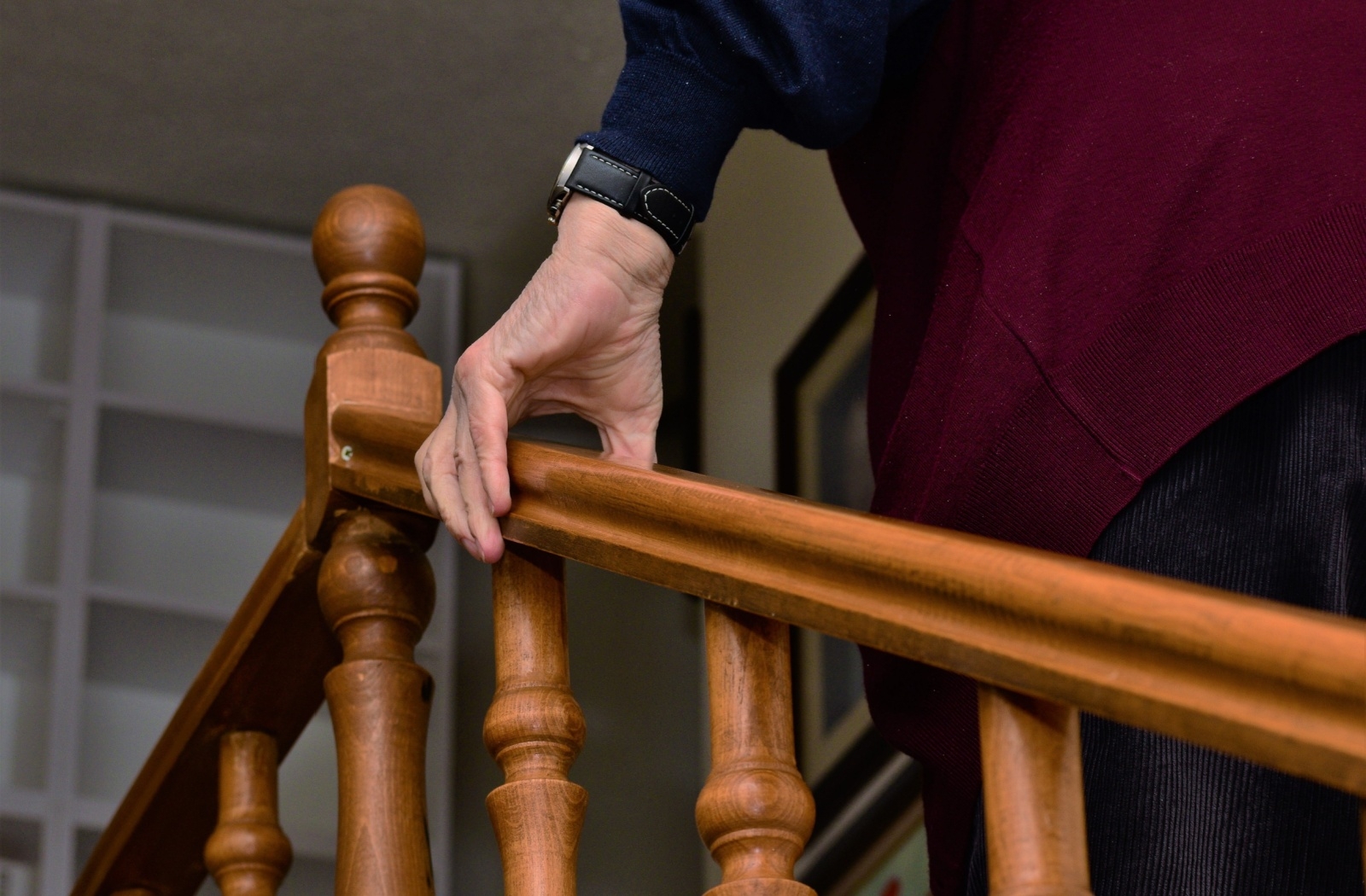
Stairs are honest. They show you very quickly how your heart, lungs and legs are doing. If you can climb a full flight without stopping, you are carrying a level of stamina that is truly special at this stage of life.
Plenty of people avoid stairs as soon as elevators are an option. So if you still tackle them with steady steps, you show courage as well as fitness. You are willing to choose the slightly harder path.
Climbing stairs also trains your balance and coordination. Each step needs focus, muscle control and a sense of where your body is in space. When you handle that without fear, it hints at good brain function too.
Emotionally, those stairs can feel symbolic. Reaching the top can remind you that you still know how to work through effort. You know how to breathe, pace yourself and finish what you start.
The next time you reach the landing, give yourself a small mental nod. You are not just someone who “can manage stairs.” You are someone who can still rise, one step at a time.
5. You Can Learn New Technology On Your Own
If you can pick up a new phone, app, or device and figure out the basics, you have a very flexible brain. That skill goes far beyond the screen in your hand.
Learning new technology shows that you are willing to be a beginner again. You can handle confusion, small mistakes and that feeling of “where is that button” without giving up. This kind of mental adaptability is linked with healthy aging.
It also keeps you connected. Being able to send messages, join video calls, or share photos helps you stay in touch with people you love. That social reach can ease loneliness and bring more joy into your days.
Sometimes younger people expect older adults to resist new tools. When you prove the stereotype wrong, you inspire others, including your own peers. You show that curiosity does not have an age limit.
Every time you tap, swipe, or click your way through something new, remind yourself of this. You are not “bad with tech.” You are someone who keeps learning and that is rare at any age.
6. You Can Remember Plans And Keep Your Own Schedule

Being able to remember your plans and manage your schedule is more than a memory skill. It is a sign that your mind can still juggle details, time and priorities.
When you handle your calendar, you show that you can track what matters to you. Birthdays, appointments, meetups and simple daily tasks all live inside a system that you understand. That is a powerful form of self leadership.
Maybe you use a paper planner, sticky notes, or a phone reminder. The tools do not matter. What matters is that you can decide what needs to happen and then follow through. That is executive function at work.
There is a deep emotional benefit here too. Knowing your own schedule helps you feel in control of your days. You are not just reacting to what others tell you. You are shaping your time with intention.
So when you glance at your calendar and know exactly what is coming, pause for a quiet thank you to your mind. It is still organizing, planning and supporting your life.
That kind of mental steadiness is a gift and it shows in every promise you keep.
7. You Can Bounce Back After A Setback
Life after 65 can bring losses, changes and surprises. If you can still bounce back after a hard moment, you have a rare emotional strength.
Resilience does not mean you never feel sad or frustrated. It means you give yourself time to feel those things, then you slowly stand up again. You find a small next step instead of staying stuck.
Maybe you lost a hobby, a role, or a routine you loved. Yet you found a new interest, a volunteer spot, or a group that fits who you are now. That shift shows courage and creativity.
This ability to recover also supports your physical health. People who believe they can cope usually take better care of themselves. They reach out for help when needed and keep small healthy habits going.
When you think about past setbacks, notice how many times you have adapted. Each recovery has built a layer of inner strength. Your emotional resilience is not just a trait. It is a lifetime of practice.
8. You Can Still Dream About Your Future
If you still have dreams for the years ahead, you hold a powerful source of energy. Many people stop imagining a future once they hit a certain age. They quietly decide that the “big parts” of life are over.
You prove that story wrong every time you set a new goal. It might be simple, like visiting a place you have never seen, learning a song, or growing a new kind of plant. Or it might be bold, like starting a small project or moving to a place that suits you more.
Psychologists often talk about purpose as a kind of fuel. When you care about something in the future, you are more likely to stay active, social and engaged. Your dreams help keep you in motion.
Even writing a short list of things you still want can shift your mood. It reminds you that there are pages left in your story. There is more to explore, more to give and more to enjoy.
Your ability to picture tomorrow is not naive. It is a sign of deep hope and that hope is one of the strongest tools you have.
9. You Can Make New Friends And Keep Old Ones Close

Staying open to new friends while caring for long term ones is a rare social skill. If you can do both, you are giving your heart and brain a powerful form of support.
Old friends know your history. They remember your early wins and mistakes. Keeping those bonds alive can ground you and remind you of your true self beyond age or labels.
New friends bring fresh stories and ideas. They introduce different music, books, places, or jokes. When you welcome them into your life, you show that your world is still growing, not shrinking.
Reaching out also takes courage. You risk feeling awkward or being turned down. Yet you do it anyway because you know connection matters. That bravery is just as impressive as any physical skill.
If you can pick up the phone, send a message, or say “yes” to a meetup, you are doing something vital. You are building a network that can hold you through joy and pain.
10. You Can Care For Others Without Forgetting Yourself
Many people over 65 find themselves caring for partners, friends, or family. If you can give support while still respecting your own limits, you hold a rare balance.
Caring for others shows your kindness and loyalty. You might bring meals, listen to worries, or help with appointments. That steady presence can change someone’s entire day.
At the same time, you know that you cannot pour from an empty cup. You notice when you feel worn down and you take steps to rest, ask for help, or say “not today.” That is not selfish. It is smart.
This mix of generosity and self respect is a sign of mature wisdom. You have likely learned it through trial and error over many years. Now it serves both you and the people you love.
When you draw a gentle line and still show care, you model healthy boundaries for younger people too. They see that it is possible to be loving without losing yourself.
Your ability to balance giving and protecting your own energy is one of the clearest signs of emotional maturity in later life.
11. You Can Stay Curious About The World
If you still find yourself asking questions, you carry a light that many people lose. Curiosity keeps your mind awake and your days richer.
Maybe you wonder how a plant grows, why a song moves you, or what is changing in your town. You might look things up, ask people, or simply sit and notice. That habit keeps your brain active and engaged.
Staying curious also softens your view of life. Instead of judging everything as good or bad right away, you can say “that is interesting” and explore more. This openness can ease stress and deepen your relationships.
On a personal level, curiosity often leads to small daily joys. A new recipe. A different walking route. A book from a voice you have never heard before. These tiny changes keep your days from blending into one long line.
Your curiosity shows that you still believe the world has something to offer you and that you have something to offer it. That belief is at the heart of lifelong growth and it might be the clearest sign of all that you are truly one of a kind.