


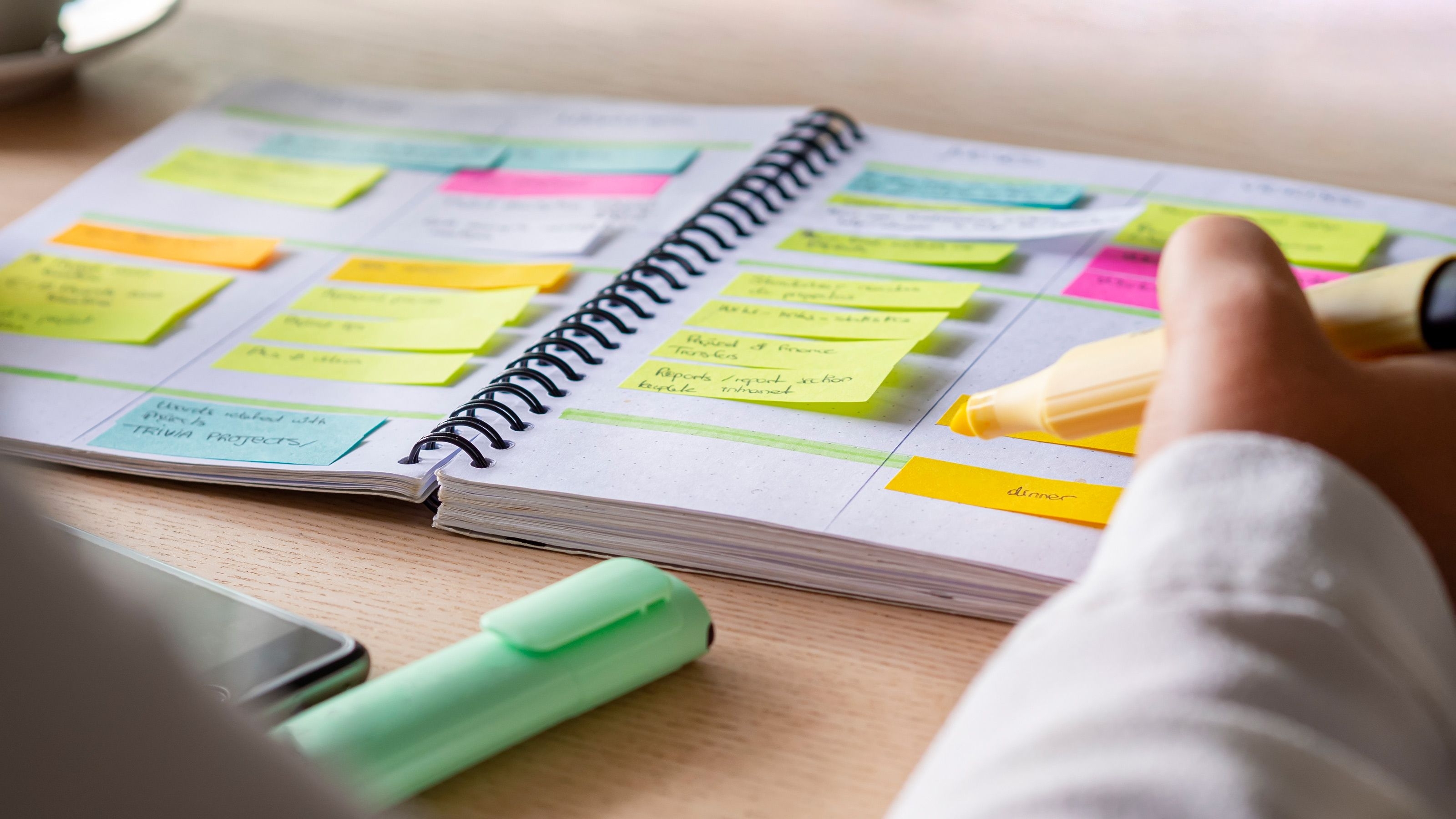
The last time I moved apartments, the first thing I hung up was not art or a mirror. It was my paper wall calendar.
Friends laughed a little. They pulled out their phones and said, “You know you can just use this, right?”
But there is something different about seeing the whole month pinned to a real wall, with inked-in dinner plans and scribbled notes about birthdays. It feels less like “time management” and more like a quiet snapshot of your actual life.
If you still keep a paper calendar at home, you are not stuck in the past. You might actually be showing a set of steady, grounded traits that help you stay calm and present in a noisy, digital world.
Here are 11 things that paper calendar people tend to have in common. See how many sound like you.
1. You like seeing your whole month in one clear view
When you stand in front of your calendar, you see more than boxes and dates. You see the shape of your month. That wide, open view helps your brain relax. Instead of holding everything in your head, you can step back, take in the whole picture and spot where you have room to breathe.
For many people, this big-picture view fights off that creeping feeling of “I am missing something.” You can literally point to the week that looks too full and the week that has space. You notice where to add a rest day or move a plan.
On a phone, you often see only one day or a small list. That can make life feel like an endless to do scroll. A wall calendar stretches things out so your plans feel like a story, not a pile.
Because you can step back, you are also better at seeing patterns. Maybe every Thursday looks heavy, or every second weekend has family events. You can adjust before you burn out.
Most of all, you like the clarity. Nothing is hidden in a drop down. Your time is right there, out in the open, where you can make real choices.
That sense of control is quiet, but powerful.
2. You enjoy the feel of pen and paper in your hands
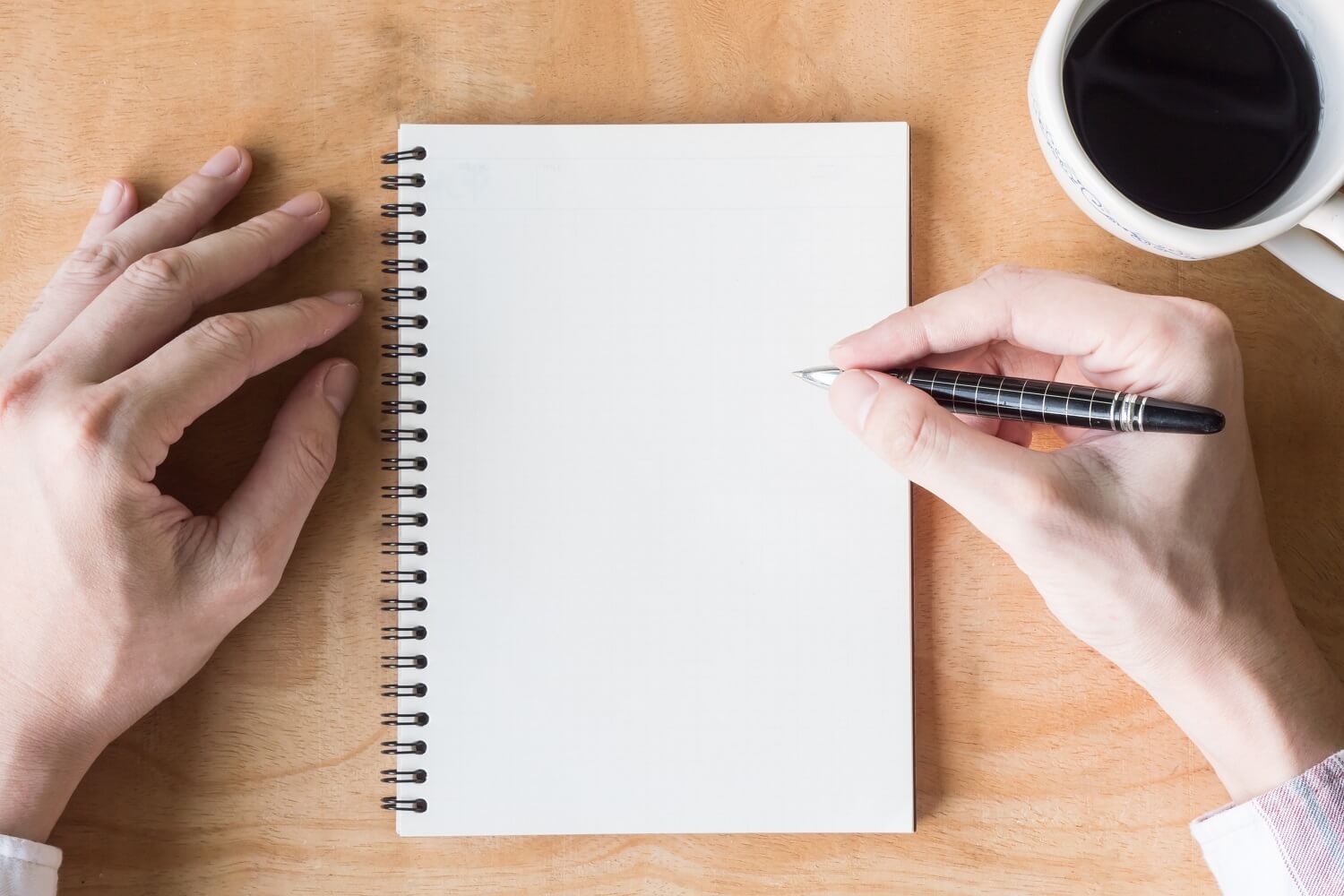
If you still use a paper calendar, you probably enjoy the small ritual of writing things down. The pen in your hand, the slight drag across the paper, the satisfying check mark when something is done. These tiny moments feel real in a way a tap or swipe does not.
Researchers have found that writing by hand can help your brain process and remember information more deeply. One study in Psychological Science linked handwriting to better learning and recall. That same effect may help you remember your own plans with less effort.
You also pay more attention when you write. You pause, think about the event, picture the day, then add it to the calendar. That little pause acts like a mental “save” button.
For some people, the tools matter too. You might have a favorite pen or a color code that makes you oddly happy. Blue for work, green for fun, red for bills. It is not just functional. It is a personal system that you enjoy using.
In a world where everything feels rushed and digital, the simple act of writing can be a way to feel more grounded in your own life.
3. You plan ahead instead of living in constant reaction mode
Paper calendar people rarely find out about things at the last second. You like to know what is coming, at least in a basic way. That does not mean you are rigid. It means you hate the feeling of chasing your own week.
Often, you stand in front of the calendar at the start of the month or week and look ahead. You might mark busy stretches, travel days, or deadlines. Then you fill in the gaps with quieter nights, small treats, or errands.
This habit protects your energy. When you see three hard days in a row, you are more likely to plan an easy dinner or a slow weekend afterward. You balance things on purpose instead of collapsing and calling it “self care.”
Because you can see your schedule at a glance, you are also better at saying no. If the calendar already looks full, it is easier to tell someone, “I would love to, but that week is packed.” The visual proof backs you up.
In short, your paper calendar helps you act, not just react. You create your week instead of waiting to see what hits you.
4. You follow through on what you say you will do
There is something about writing a plan in ink that feels like a promise. Once it is on the calendar, it becomes more real. You are not just thinking, “We should meet up sometime.” You are writing, “Dinner with Sam, Friday at 7.”
This simple step can make you more reliable. People around you start to notice that if you say you will show up, you do. Your word has weight. You also build quiet trust with yourself, because you see how often you follow through.
On the flip side, you are careful about what you write down. If you are not sure you can commit, you might say, “Let me check my calendar first.” That pause protects you from saying yes to things you cannot or do not want to do.
Sometimes, the act of crossing something off matters just as much. Checking off a task or drawing a line through a finished project gives you a clear signal that it is done. No more mental picking at it.
Over time, these small actions build a reputation. You become the dependable one. Not because you force yourself, but because your system supports the kind of person you want to be.
And it all starts with that simple decision to write things down where you can see them.
5. You value routine and small daily rituals
People who keep a paper calendar often like gentle structure. You may not plan every hour, but you like your days to have a rhythm. Maybe you flip the page at the start of the month with a fresh cup of coffee, then add birthdays and key dates.
These little calendar moments become rituals. Sunday night check ins. Morning glances before work. A quick look before you say yes to anything new. They are small, but they give your week a steady heartbeat.
Routines like this are linked with better focus and less decision fatigue in many psychology studies. When you have a basic pattern, your brain has more space for the things that really matter.
There is also comfort in seeing regular parts of your life written out. Weekly classes, family calls, team meetings, workouts. When life feels shaky, your calendar reminds you that some things are still in place.
Most of all, you understand that big changes come from tiny steps, repeated over time. Your calendar is where those tiny steps live.
6. You are quietly nostalgic about how things used to be

Even if you love technology, part of you misses how simple planning used to feel. A family calendar on the fridge. A school planner with doodles in the margins. A wall chart with stickers for holidays.
Your paper calendar taps into that feeling. It reminds you of slower years, where plans did not change every five minutes and people were less reachable. In a small way, it lets you carry that energy into your current life.
Nostalgia is not about living in the past. It can actually help people feel more stable and hopeful. Remembering older routines and objects connects you to your own story and to the people who shared it with you.
Maybe your calendar has photos, seasonal art, or quotes. Every month brings a new image that sets the mood. It is a tiny ritual you look forward to and it has nothing to do with notifications.
Keeping a paper calendar can be your quiet way of saying, “Not everything in my life has to be on a screen.”
That choice carries more meaning than most people think.
7. You do not mind slowing down to think things through
When someone suggests a new plan, you might say, “Let me check my calendar at home.” At first, that can sound old fashioned. In reality, it gives you space to think.
Instead of agreeing on the spot, you step back, look at your month and decide if the new thing actually fits your energy, money, or priorities. This pause is a form of quiet self respect. You treat your time as something worth protecting.
Slowing down like this also helps you catch conflicts that others might miss. Overlapping events. Not enough rest between travel days. Too many social things in one week. You spot these before they turn into stress.
There is a mental shift that happens when you walk over to a wall calendar. The movement itself becomes a break from the rush of the moment. You step out of the pressure of someone else’s timeline.
Over time, you learn that almost nothing is so urgent that it cannot wait until you have had a chance to look at the bigger picture on your wall.
8. You prefer privacy over apps that track everything
Not everything about your life belongs in the cloud. If you keep a paper calendar, part of you is probably a little wary of how much data apps can gather about your habits, locations and contacts.
A wall calendar does not sync, sell, or store anything. It just sits in your space and quietly does its job. That simplicity can feel like a relief when so many tools want access to every part of your day.
You might also feel freer writing certain things on paper. Maybe you track mood, family moments, or personal goals on your calendar squares. You do not have to worry about who might see that data or where it could end up.
For some people, this privacy is not about fear. It is about boundaries. You decide what lives online and what stays in your home. Your calendar becomes a safe container for the shape of your days.
In a culture that often rewards oversharing, choosing an offline system can be a simple, strong act of personal choice.
9. You notice details that other people often miss
Paper calendar people tend to be detail aware. You notice little things, like which friends always have birthdays close together or how many days you have between paychecks this month.
Because you are writing by hand, you often catch mistakes before they become problems. Wrong dates, double bookings, forgotten holidays. Your brain is engaged as you write, not just tapping “add” on a default screen.
That attention spills into other parts of your life. You might remember to bring a gift, send a card, or leave early because you spotted a public holiday that will affect traffic. Small details, big impact.
Sometimes, you notice emotional patterns too. A stretch of days that feel heavy. A month that was packed with good things. Your calendar becomes a visual diary of how your time felt, not just how you used it.
People may joke about your calendar habit, but they often rely on your memory. You become the one who remembers.
And you know your calendar is part of the reason why.
10. You like your home to feel organized and grounded
A wall calendar is not just a tool. It is part of how your home feels. When it hangs in the kitchen or near the door, it becomes a quiet anchor for everyone who lives there.
Visitors may glance at it and see family life in motion. Trips, appointments, dinners, school events. It gives your space a sense of order and movement, even if the rest of the room is a little messy.
For you, looking at that calendar can be calming. If your mind feels scattered, you can walk over, check the day and remember what actually needs to happen. It brings your focus back from spirals and what ifs.
Many people who keep paper calendars also love simple organizing tools. Hooks by the door, a bowl for keys, a spot for mail. These small systems do not have to be perfect. They just need to be consistent enough to make daily life smoother.
In a world that can feel chaotic, a visible calendar is one of the ways you create a sense of home and stability.
11. You stay calm when life gets busy and complicated
When your schedule starts to fill up, your first move is not to panic. It is to check the calendar. That alone sets a different tone from people who keep everything in their heads.
Seeing your commitments laid out in ink helps you respond instead of react. You can shuffle things, cancel what is not essential, or ask for help. The problem becomes a puzzle you can solve, not a wave that crashes over you.
Because your system is simple and visible, other people in your home can get on board. They can see when you have a hard day coming or when you need support. This shared understanding can ease tension when everyone is busy.
Staying calm does not mean you never feel stressed. It means you have tools that help you come back to center. Your paper calendar is one of those tools. It turns a swirl of dates and tasks into something you can touch and move around.
Over time, this calm approach becomes part of how people see you. Capable. Grounded. Not easily thrown by change.
And every time you flip to a fresh month, you give yourself another chance to create a life that feels that way on purpose.