



There was a point when every day felt the same. I would wake up, scroll for a while, rush through the morning, then collapse into bed at night wondering what I had actually done. Life looked fine from the outside, but inside I felt flat and strangely absent from my own story.
What finally helped was not a dramatic trip or a huge life change. It was a handful of quiet, almost boring hobbies that I began to protect with real intention. Ten minutes here, fifteen minutes there. That was enough to start feeling like a person again, not just a body going through tasks.
Psychologists often point out that enjoyable leisure time is linked with better mood and health. One study on regular leisure activities even found that people who make space for small, pleasant hobbies tend to report more life satisfaction. You do not need a “passion.” You just need a few simple things you actually like to do.
You might already have that tiny spark inside you. A craving to move more slowly in the morning. A desire to read something that is not a notification. A wish to do something with your hands instead of your thumbs on a screen. That quiet craving is worth listening to.
The hobbies below are gentle on your time and your budget. You can try one at a time, mix and match, or come back to them as your life shifts. The goal is not to become perfect at any of them. The goal is to feel a little more awake, a little more alive, in the life you already have.
1. Slow Morning Coffee Ritual
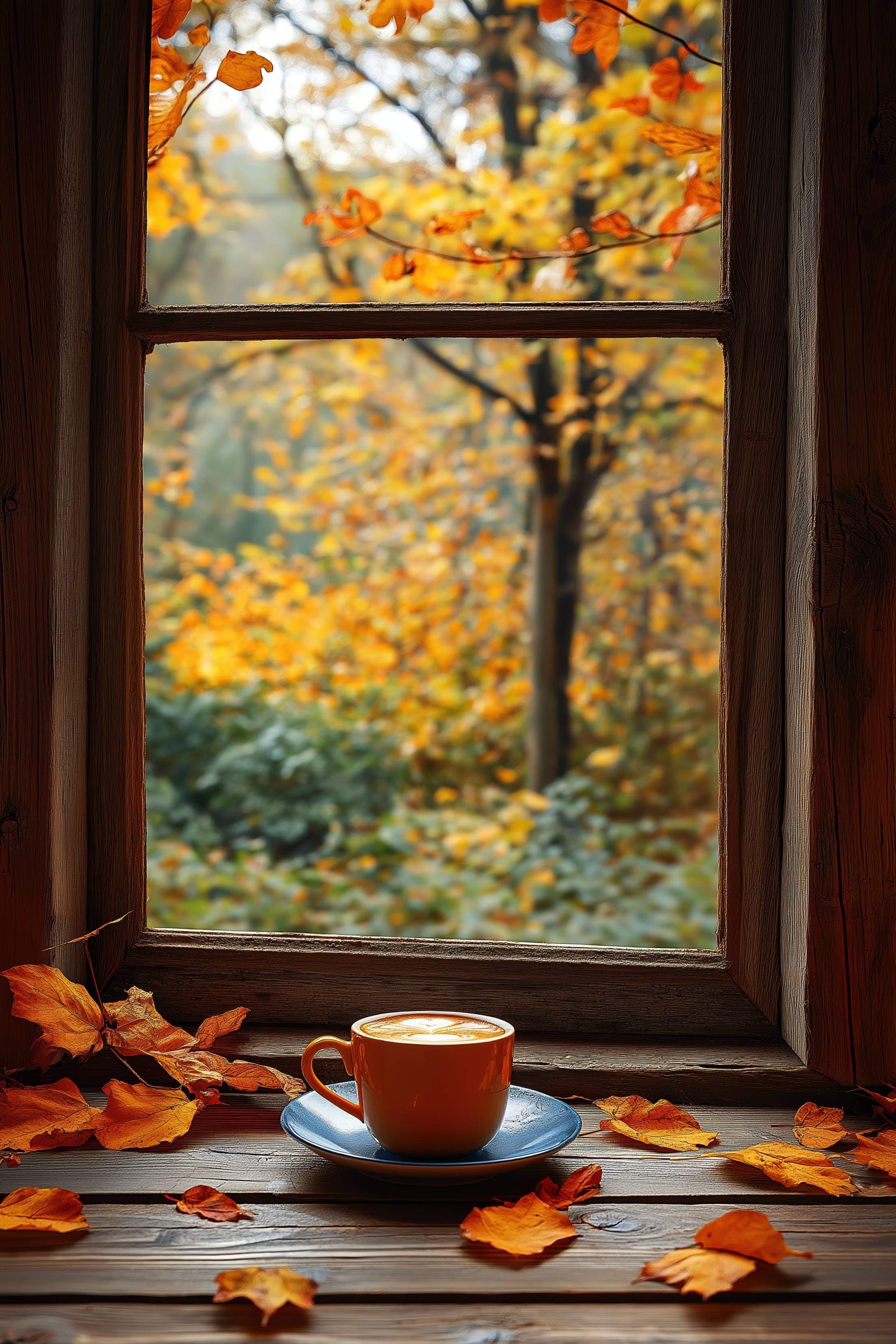
Your first cup of coffee can be more than fuel. It can be a tiny daily ceremony that tells your body, “We are here and this morning matters.” A slow morning ritual can set your tone before the world sets it for you.
Instead of rushing, try giving yourself five extra minutes. Grind the beans if you can. Listen to the sound of water pouring. Notice the smell while it brews. It is simple sensory mindfulness, without any apps or fancy gear.
On days when you feel scattered, sit down with your cup instead of walking around with it. Rest your hand on the mug. Feel the warmth. Let yourself take three full breaths before you pick up your phone or laptop.
Some people like to add one gentle question to this ritual. You might ask, “What is one thing I want to remember about today?” or “What would make today feel kind?” You are not writing a to do list. You are checking in with yourself.
Over time, this tiny habit becomes a familiar anchor. Life may still be noisy and unpredictable, but you get this small, predictable moment of calm that belongs only to you.
If you are not a coffee person, the same idea works with tea, lemon water, or even a simple glass of cold water. The drink is not the point. The unhurried presence is.
2. Solo Walks Without Your Phone
A solo walk without your phone can feel strange at first. You may even reach for your pocket out of habit and feel a little shock when it is empty. That is exactly why this hobby matters. It breaks the loop of constant input.
Try starting with ten minutes around your block. Leave your phone at home, or tuck it on silent deep in a bag if safety is a concern. Let your senses lead you. Notice the sound of traffic, the shape of trees, or the way light hits a wall you usually ignore.
Sometimes your mind will race when it does not have anything to scroll. Old worries can float up. Instead of fighting them, imagine them as clouds passing by while your feet stay on the ground. You do not have to “fix” your thoughts on this walk. You are just walking.
On stressful days, pick a small visual game. Count how many red doors you see. Look for three new things you have never noticed on this route. Giving your brain a tiny task like this can make the walk feel playful, not heavy.
With time, many people find that their best little ideas arrive on these phone free walks. Not because they chased inspiration, but because their mind finally had a bit of open space.
3. Journaling For Ten Minutes
Journaling does not have to involve beautiful notebooks or perfect handwriting. It can be messy, blunt and private. The point is to give your inner world a place to land outside your head.
One easy habit is a ten minute timer. Sit down, set a timer and write whatever comes up until the alarm rings. You can complain, dream, list, or ramble. You are not writing for anyone else’s eyes.
On days when you feel frozen, try simple prompts. For example, “Today I feel…” or “Right now I need…” or “Three small things that did not completely suck today are…” It may feel silly. That is fine. Keep your pen moving.
According to many therapists and researchers, expressive writing can help people process stressful events and build self awareness. You do not have to dig into trauma. Just describing your regular day with honesty can make you feel more real to yourself.
If long paragraphs are not your style, use bullets. Or write only one honest sentence each night. The format does not matter. What matters is the repeated practice of checking in with your own mind.
And remember, you never have to read old entries unless you want to. The magic often happens in the act of writing, not in the record you keep.
4. Reading Just For Pleasure
Many of us read all day. Emails. Posts. Headlines. Yet none of that feels like true reading. Choosing a book or a long article just because you enjoy it can wake up a part of you that has been half asleep for years.
Start by letting go of the idea that you must read something impressive. You can pick fantasy, romance, comics, or gentle non fiction. If it pulls you in and makes you forget your notifications for a while, it counts.
On busy nights, aim for ten pages. That is it. Tell yourself, “I will read ten pages, then I can stop.” Many times you will keep going, but even if you do not, you still touched that quiet space.
Some people like to create a small reading corner. It might just be one chair by a window with a blanket. The point is to make reading feel like a treat, not another task. A dedicated spot can help your brain switch gears more easily.
If attention feels hard, audiobooks can help. You can listen while you fold laundry or commute. This still gives your mind a story to live in, instead of endless bits of random content.
5. Low Pressure Creative Sketching
You do not need to be “good at art” to enjoy sketching. In fact, telling yourself it is allowed to be bad is what makes this hobby so freeing. The goal is not a masterpiece. The goal is to let your hands move and your eyes really look at something.
Try keeping a cheap notebook and a pen nearby. When you have a spare five minutes, draw what you see. Your mug. Your shoe. A plant. The view from your bus seat. Stick figures are allowed. Scribbles are welcome.
Sometimes, turning on quiet music helps your brain slip into a more relaxed state. Your inner critic might speak up at first. You can answer it with a simple thought. “I am allowed to make ugly art.” That single sentence can feel strangely powerful.
Research on creativity often links it with lower stress and better mood. You do not need to study the science to benefit, but it can be encouraging to know that your silly little doodles are doing something kind for your nervous system.
If blank pages scare you, use prompts. Draw circles and fill each one with a different pattern. Sketch the same object every day for a week and watch it slowly change. Limiting your choices can actually make it easier to start.
Over time, your notebook becomes a visual diary of your days. Not polished, not public, just proof that you were there, paying attention.

6. Learning A Tiny New Skill
Learning does not stop when you leave school. In fact, picking up tiny new skills can bring back a sense of curiosity that adult life often dulls. You do not need a huge course. You just need one small thing to tinker with.
Think simple. A few basic phrases in another language. A new way to chop vegetables. A basic juggling trick with two socks. The smaller the skill, the less pressure you will feel and the more likely you are to stick with it.
On days when your energy is low, aim for five minutes of focused practice. Set a timer, work on the skill, then stop. That clear container helps prevent guilt or perfectionism from creeping in.
Many people notice that their confidence in one area slowly spills into others. When you see yourself improve at anything, even something tiny, it challenges the story that you are stuck or unchanging. Progress is progress, at any scale.
Over months, these tiny skills add up. You might look back and realize you can play three chords, cook two new dishes and say hello in four languages. That quiet pride is a very real form of joy.
7. Five Minute Stretching Routine
A five minute stretch can act like a reset button for your body. You do not need a yoga mat or special clothes. You only need a little bit of space and a willingness to pause.
Start from where you are. Reach your arms overhead. Gently roll your shoulders. Circle your wrists and ankles. Pay attention to tight spots, but move with care. Pain is not the goal. Ease is.
On workdays, set a reminder somewhere near the middle of your schedule. When it pops up, stand up if you can and stretch your spine. Even this tiny break can wake up muscles that have been locked in one position for hours.
Plenty of health professionals support the idea that regular light movement helps both body and mind. You are not training for a marathon here. You are simply telling your body, “You matter too.”
If five minutes feels like too much at first, start with two. You can even stretch during everyday tasks, like reaching for the ceiling while the kettle boils. Over time, those moments can become something you look forward to, not just one more item on a list.
8. Caring For Plants Or A Small Garden
There is something deeply grounding about watching a living thing grow because of your quiet care. Houseplants, herbs in a jar, or a tiny balcony garden can all offer that feeling.
You can start with one low maintenance plant from a local shop or neighbor. Ask for something forgiving. Then make a simple plan. Where will it sit. How often will you water it. Try to link watering to another regular habit, like your weekend coffee.
On days when the digital world feels too loud, looking at actual leaves and soil can pull you gently back into your body. You see new growth. You notice dry edges. You learn, slowly, what this living thing needs from you.
Many people find that plant care softens the harsh voice they turn on themselves. When a plant droops, you do not usually call it a failure. You ask what changed. More light. Less water. You adjust. Bringing that same curious attitude to your own needs can be powerful.
Over time, your single plant might turn into a small group. Or it might not. Either way, the act of tending is what heals. Not the number of pots on your shelf.
And if a plant dies, you are still allowed to try again. That, too, is part of practicing patience and growth.
9. Screen Free Evenings Once A Week
A screen free evening can feel radical in a life that is tied to devices. Yet even one night a week without constant input can change the texture of your time.
Plan ahead so you do not default back to your usual scrolling. Make a short list of analog options. Board games. A long bath. A puzzle. Reading. Writing a letter. Baking something simple. When the evening arrives, pick from your list.
At first, you might feel restless. Your hand may twitch toward where your phone usually lives. That discomfort is not a sign you are doing it wrong. It is proof of how deep the habit runs.
Many people notice that conversations feel different on these nights. Without screens glowing nearby, silence becomes less awkward. You might actually finish a thought. Or sit together quietly without the need to fill every gap.
Over time, these evenings can become a family or household ritual. You may find yourself protecting them fiercely, because they offer a taste of a slower life inside a fast one.
10. Cooking One Cozy Meal From Scratch
Cooking from scratch can feel like too much on busy days. That is why this hobby focuses on just one cozy meal. Not every night. Not a full lifestyle change. Just one dish that brings you comfort.
Pick a recipe that feels doable. Soup. Pasta. Stir fry. A big tray of roasted vegetables. Something you can make while listening to music or a podcast. Let it be simple and warm instead of fancy.
While you cook, try to engage your senses. Notice the sound of chopping, the smell of garlic, the colors in the pan. These tiny details bring you back into the present. They also make the process feel like an experience, not a chore.
Sharing this meal with someone can add another layer of connection. Eating something you made with your own hands can feel surprisingly tender. You are sending a message. “You deserve care.” That person might be you, or someone you love.
Even if you live alone, lighting a candle or using your nicer plate can shift the mood. You are not saving your good moments for later. You are letting them happen now.
With repetition, this one cozy meal can become a tradition you look forward to, especially on tough weeks when everything else feels out of control.
11. Music Sessions With A Simple Instrument
Music has a way of reaching parts of us that words cannot touch. You do not need formal lessons to enjoy making sounds. A simple instrument, like a ukulele, keyboard, or hand drum, can open up a whole new corner of your inner life.
Start with the most basic steps. Learn a single chord, a simple rhythm, or a short pattern. Let yourself repeat it over and over until your fingers or hands know what to do without thinking too hard.
Sometimes, the joy comes less from “playing well” and more from feeling vibrations through your body. When you strum, tap, or press a key, you create something that did not exist a second ago. That can feel quietly magical.
People often talk about being “in the zone” with music. That state, where time passes and you are not worrying about anything else, is a form of deep focus that many psychologists connect with happiness and a sense of flow.
If an instrument is not accessible, your voice counts too. Humming along to songs in the kitchen or belting it out in the car can still give you that release. Your skill level does not define your right to make sound.
12. Volunteering In A Small Local Way
Finally, one of the most powerful ways to feel human again is to do something kind outside your own bubble. Volunteering does not have to mean a huge time commitment or joining a big program. It can be very small and very local.
You might help at a community garden for an hour. Read with kids at a library once a month. Walk dogs from a shelter. Serve food at a local event. Even offering to check on an elderly neighbor regularly counts as real community care.
On days when your own problems feel heavy, helping someone else can shift your perspective. It does not erase your struggles, but it reminds you that you still have something to give and that you are connected to something larger than yourself.
Many people also find that volunteering gives structure to their free time. Instead of another blank evening to fill with screens, you have a meaningful plan that gets you out of the house and into the wider world.
Most of all, these small acts of service can soften the sharp edges of loneliness. You see faces. You hear stories. You remember that everyone is carrying something and that we are meant to help one another carry it when we can.
When you look back, you may see that these simple hobbies did more than fill your hours. They helped you rebuild a life that feels like it truly belongs to you.