


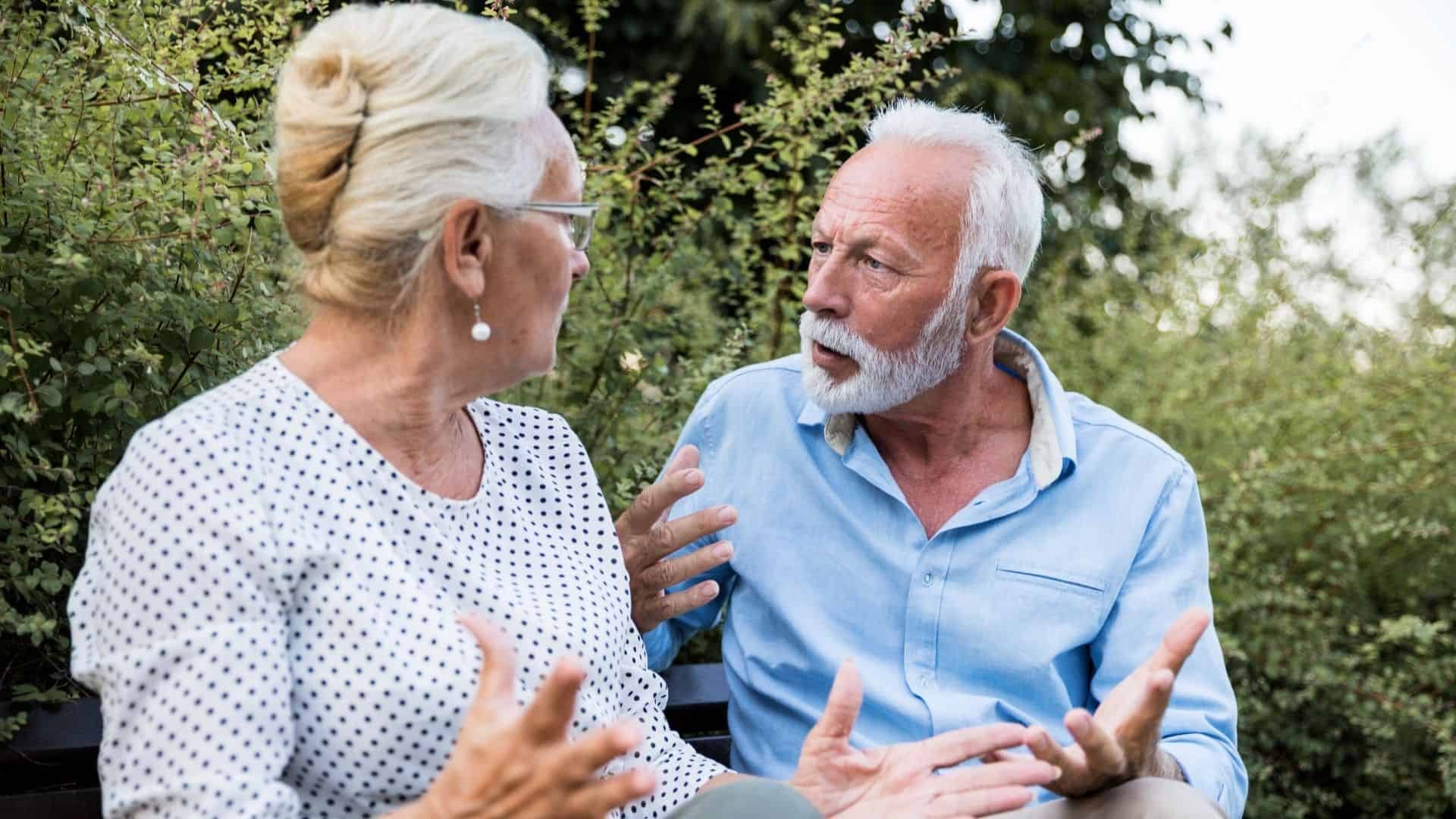
I remember standing in my kitchen while an older neighbor showed me how to fix a loose cabinet hinge with a butter knife and a lot of patience. I was ready to order a new part, watch three videos and complain about the hassle. They stayed calm, smiled and said we could figure it out with what we had. That tiny moment stayed with me longer than I expected.
Later, I started noticing the same kind of steadiness in other people from that generation. They waited without checking their phones every ten seconds. They showed up early. They wore things out before replacing them. When life got messy, they seemed to move through it with a kind of grounded energy that felt simple on the surface and deeply practiced underneath.
I’ll be honest, I used to think those habits came from personality alone. Then I paid closer attention. People raised in the 1940s and 50s grew up around different pressures, expectations and daily rhythms. Many learned early that comfort was limited, duties came first and praise was never guaranteed. Those conditions could build emotional endurance, along with a practical kind of confidence.
That does not mean every person from that era had the same strengths. People are people and every generation carries its own scars and gifts. Still, psychology has long suggested that resilience, responsibility and perspective often grow through repeated practice. You can see that in the way many older adults handle stress, disappointment and everyday inconvenience.
What fascinates me most is how useful these qualities still are. You do not need to be born in another era to learn from them. You just need to slow down enough to notice what they were doing so well.
1. They Could Wait Without Panicking
Years ago, I sat in a waiting room with an older man who had clearly been there a while. The receptionist was behind, the room was stuffy and people around us were getting sharper by the minute. He folded his hands, looked out the window and said, “They’ll get to us.” I remember feeling almost irritated by how calm he was. Then I realized he had protected his peace in a way the rest of us had not.
Patience is one of those traits that looks small until life asks a lot from you. People raised in the 1940s and 50s often lived with more delay built into daily life. News took longer to travel. Packages took longer to arrive. Calls were missed and returned later. That repeated exposure could strengthen delay tolerance, which is your ability to stay steady while you wait.
The thing is, your nervous system learns from your habits. When every gap gets filled with scrolling, checking, or refreshing, waiting starts to feel like danger. Older generations often had fewer tools for instant relief, so they practiced sitting with uncertainty more often. Over time, that can build a quiet kind of self-command.
I felt this hit home during a travel delay a few years back. My first instinct was to pace, check updates and mentally spiral. An older traveler near me opened a paperback and settled into the plastic chair like it was a porch swing. That image still helps me. Calm can be a decision you make before circumstances improve.
You can see why this strength feels rare today. Modern life trains speed, reaction and constant stimulation. Patience asks for something different. It asks for breath, perspective and trust that a few uncomfortable minutes do not equal disaster.
2. They Knew How to Make Do
My family still laughs about the time I threw away a shirt because of a tiny tear. An older relative picked it up, threaded a needle and fixed it in less than five minutes. I had treated the problem like a dead end. They treated it like a small task. I felt humbled in the best way.
People who grew up in leaner times often learned resourcefulness early. They reused containers, repaired furniture, saved wrapping paper and cooked from whatever was in the pantry. These were daily habits and habits shape mindset. When you practice making things work, you start believing you can work with what life gives you.
That belief matters. Psychologists often connect resilience with a sense of agency, which is the feeling that your actions can still help. Making do strengthens that feeling. Instead of freezing when something breaks, costs more, or falls through, you start looking for options. Your mind becomes less dramatic and more inventive.
I admit I still have a knee-jerk urge to replace things fast. New can feel easier. But every time I patch, mend, improvise, or repurpose something, I feel a small spark of pride. It is a reminder that abundance is helpful and practical creativity is powerful.
This strength goes beyond money. It affects relationships, work and everyday problem solving. When people know how to make do, they often waste less energy on complaining. They move faster toward a workable answer and that mindset can make life feel less fragile.
3. They Stayed Calm in Hard Moments
I once watched an older neighbor handle a flooded basement with more composure than I bring to a slow internet connection. Water was spreading across the floor. Towels were piled everywhere. The shop vacuum was groaning in the corner. They made a list, started with the first step and kept going.
In stressful moments, many people from that generation seem to reach for action before panic. Part of that may come from having faced more situations where feelings had to wait until the work was done. That pattern can build stress steadiness, a useful ability to stay functional while emotions catch up.
Calm under pressure does not mean people feel less. It often means they have learned how to contain the first wave of alarm. They know that urgency can exist without chaos. That makes them easier to trust during family emergencies, financial setbacks, or sudden changes.
There was a time when I confused visible worry with caring more. Then I met people who cared deeply and still spoke in even tones when things went wrong. That taught me something important. A steady presence can lower the temperature in the whole room.
When you grow up with few shortcuts, you often gain a stronger relationship with reality. Pipes leak. Cars stall. Plans collapse. You deal with the facts in front of you. That orientation keeps your mind closer to solutions and farther from spiraling stories.
Today, many of us absorb stress in public and in real time. We narrate it, share it and relive it. Older generations often had more practice with private processing. That may be one reason their calm can feel so striking now.
4. They Took Responsibility Early
My friend once told me that their grandparent had a paper route, chores and younger siblings to help with before most kids today learn how to book a dentist appointment. I kept thinking about that. Early responsibility changes the way you move through the world. It teaches you that your actions affect other people.
People raised in the 1940s and 50s were often expected to contribute sooner. Many helped at home, worked young, or took on adult-like duties before they felt ready. That can create pressure and it can also build self-reliance. When you solve real problems early, your confidence becomes more durable.
Responsibility also builds follow-through. You learn to remember what matters, finish what you start and carry your weight without needing applause every step of the way. Those habits become part of your identity. You stop seeing discipline as punishment and start seeing it as a way of life.
I felt the gap in my own life when I realized how easy it was to delay small responsibilities. A bill could wait. A phone call could wait. A form could wait. Then I spent time around older adults who handled tasks before they turned urgent. Their lives seemed lighter because fewer loose ends were dragging behind them.
There is a psychological payoff here. Responsibility can increase a sense of competence. When you trust yourself to handle everyday duties, life feels less overwhelming. You spend less energy doubting yourself and more energy doing what needs doing.
5. They Valued Showing Up
I remember hosting a small event and worrying that half the guests would cancel at the last minute. The younger crowd sent vague texts. The older guests arrived early, brought what they promised and stayed present. One person even asked if chairs needed to be moved before anyone sat down. I noticed the difference right away.
Showing up sounds ordinary, yet it carries real psychological weight. It means reliability, respect and social investment. People from older generations were often taught that being there mattered. If you said yes, your word traveled with you.
That habit strengthens relationships because trust grows through repetition. You learn who comes through when it counts. You also become the kind of person people can lean on. In a world full of last-minute exits, follow-through stands out almost instantly.
I’ll be honest, I have been guilty of underestimating how much presence matters. I used to think a warm message could substitute for attendance. Sometimes it can. Still, there are moments when your actual body in the room says more than any text ever could.
Showing up also shapes how you see yourself. Each time you honor a promise, you reinforce the idea that your commitments mean something. That creates inner stability. It tells your mind, “I can count on me.”
For many people raised in the 1940s and 50s, this was woven into everyday life. You attended family events. You helped neighbors. You arrived for work. That rhythm built social dependability, which still feels quietly impressive now.
6. They Handled Boredom With Ease
One rainy afternoon, I sat with an older relative during a power outage. No screens, no music, no hum from the background. I expected restlessness. Instead, they looked out the window, made tea on the stove and started telling a story from years ago. The room felt fuller, not emptier.
Many people today experience boredom as a threat to be erased as fast as possible. Older generations often had no choice but to live inside slower stretches of time. Waiting rooms were just waiting rooms. Car rides were long. Sundays were quiet. Those pauses trained the mind to wander, reflect and settle.
Boredom tolerance matters more than it gets credit for. It gives your brain space to connect ideas, review emotions and notice what you actually think. Creativity often needs empty room. So does self-awareness.
I saw this in myself during a weekend when I tried to avoid reaching for my phone every spare minute. At first, the silence felt itchy. Then it became useful. I remembered things I had been avoiding and I also noticed ideas I would have missed in constant noise. Mental space can feel uncomfortable before it starts to feel rich.
People raised in the 1940s and 50s often developed hobbies that grew slowly, like gardening, sewing, woodworking, reading and long walks. Those activities reward patience and repetition. They also teach you how to stay with yourself.
That may be why many of them seem less rattled by empty time. They learned how to inhabit it. In a culture built on stimulation, that feels like a deeply modern superpower.
7. They Built Confidence Offline
I met someone at a community center who had the kind of presence that makes you stand up straighter. No polished branding, no perfect photos, no curated image. Just direct eye contact, a warm handshake and a clear way of speaking. Afterward I kept wondering why that confidence felt so different.
Part of the answer is simple. Many older adults built their identity through lived interactions rather than digital feedback. They learned how to talk to strangers, read a room, make calls and recover from awkward moments face to face. Those experiences can build real-world confidence, which tends to run deeper than approval that appears and disappears on a screen.
Offline confidence grows slowly. You earn it by doing things before you feel fully ready. You speak up. You make mistakes in public. You survive embarrassment. Then your brain learns an important lesson, which is that discomfort passes and your worth stays intact.
I remember freezing before a difficult conversation and wishing I could send a message instead. An older person in my life encouraged me to say it in person. I dreaded it all day. Once it was done, I felt stronger than relieved. Confidence often arrives after the act, not before it.
This strength has a practical side. When your self-image depends less on outside reaction, you are less likely to crumble over silence, comparison, or mixed feedback. You can hold your center longer. That kind of groundedness supports better decisions, stronger boundaries and steadier relationships.
8. They Found Pride in Duty
There was a season in my life when every obligation felt heavy. I complained about errands, paperwork and anything that sounded repetitive. Then I spent time with an older family friend who approached daily duties with surprising dignity. Folding laundry, paying bills, checking on a neighbor, all of it seemed to carry meaning.
People raised in the 1940s and 50s were often taught that duty held communities together. You did your part because other people were affected by whether you followed through. That mindset can create a strong internal compass. Instead of asking, “Do I feel like it?” the question becomes, “What is mine to do?”
Psychologically, this matters because meaning eases friction. Tasks feel less draining when they connect to care, values, or contribution. Duty can support purpose in daily life, which helps people stay engaged even when routines are dull.
I used to think meaning had to arrive in big, dramatic form. A major goal. A huge breakthrough. Some unforgettable moment. But boy, was I wrong. A lot of meaning lives in ordinary maintenance, in doing small things well because they support a life you respect.
This pride in duty can also protect relationships. When people do what they said they would do, resentment has less room to grow. Homes run smoother. Teams function better. Families feel safer.
You can see why this strength still matters. Modern culture praises excitement and visibility. Duty asks for consistency, humility and care. Those qualities rarely shout, yet they hold a lot of life together.
9. They Kept Life in Perspective
I once heard an older neighbor respond to a frustrating setback with a sentence I still repeat to myself: “This will matter less in a week than it does right now.” I needed that. At the time, I was treating a minor problem like a total collapse. Their response did not dismiss the issue. It widened the frame.
Perspective is one of the clearest strengths many older adults carry. Life gives you enough chapters and you begin to recognize patterns. Some problems pass. Some losses soften. Some plans fail and lead somewhere better. That wider view can reduce emotional overreaction and support long-term thinking.
Research backs up part of this picture. An NIH study on adults over 50 found that resilience and lower depression were linked with more successful aging. In plain English, people who stay mentally flexible and emotionally steady often report a stronger sense of well-being as they age. That does not erase hardship. It does show how much perspective can shape daily experience.
I feel this lesson most when I catch myself acting as if every discomfort needs an immediate answer. Sometimes the better move is to zoom out. Will this matter next month. Will it matter next year. That small pause can bring back emotional balance faster than panic ever will.
People raised in the 1940s and 50s often had more practice doing exactly that. They lived through broad social change, personal sacrifice, economic uncertainty and long seasons when there was no instant fix. Over time, many seem to have built an inner scale for what deserves alarm and what simply deserves patience.
If that feels rare today, maybe it is because perspective takes time to earn and attention to keep. Still, you can borrow from it right now. Breathe. Step back. Ask what is true, what is temporary and what really matters. That question alone can make you stronger.