


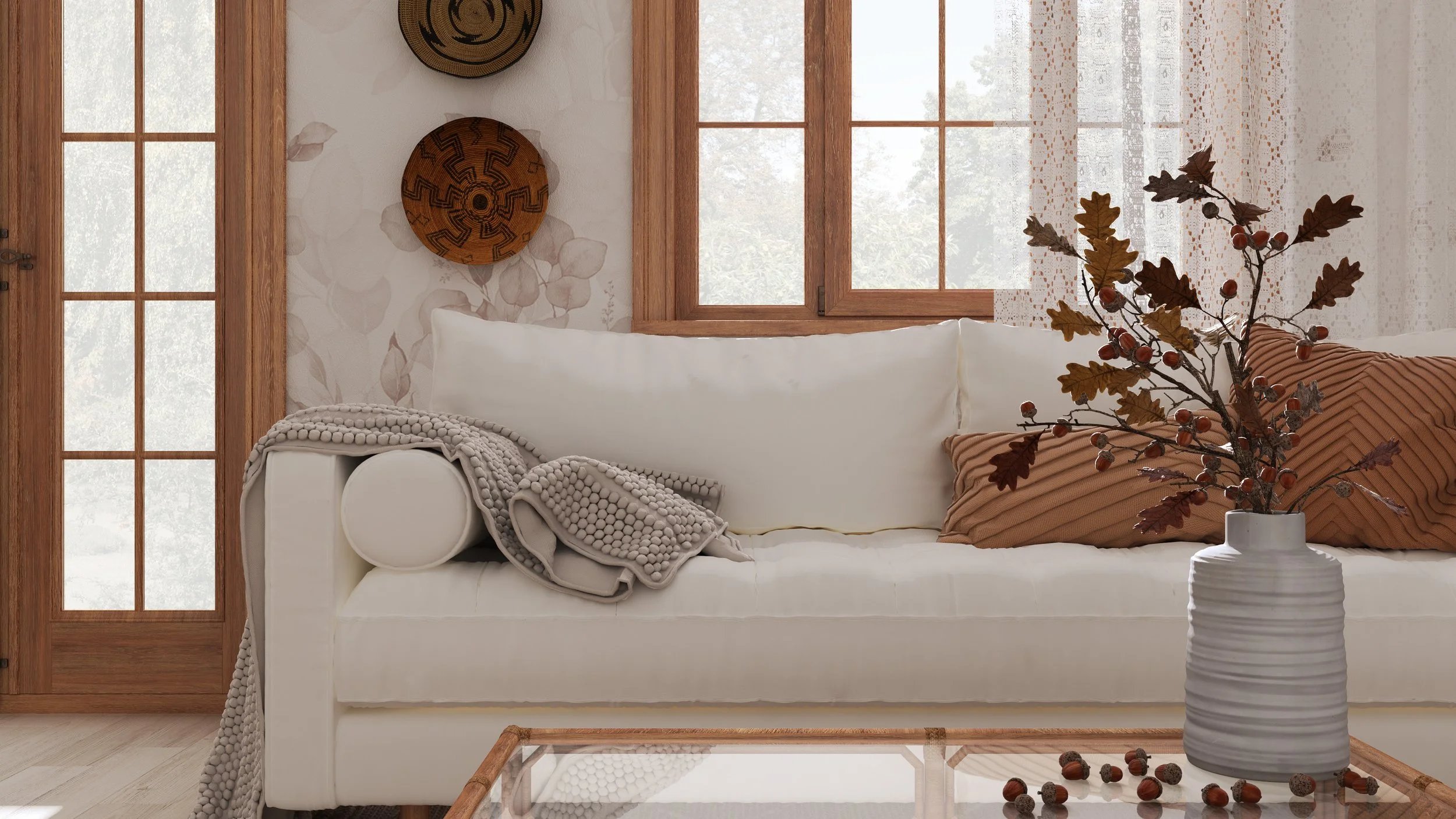
I remember walking into a beautiful home years ago and expecting to feel impressed. The address was fancy. The entryway smelled expensive. Every surface seemed chosen to say something about taste. Still, the room felt oddly tense, almost like it was waiting to be admired instead of lived in.
What stayed with me was one small detail. A chair near the window had a soft throw on it, a stack of worn books beside it and a coffee ring on the side table. That little corner felt warmer than the whole polished room. It gave me a different idea of refinement. I started seeing it as ease, clarity and self-trust.
Later, I noticed the same pattern in people. The most refined ones rarely seemed desperate to prove they had arrived. They chose things that fit their life. They bought fewer items. They cared more about comfort, craft and meaning than applause from the outside world.
I’ll be honest, I have fallen for the performance side of sophistication more than once. I have bought things because they looked elevated in a catalog or because other people seemed impressed by them. The thrill usually faded fast. Then the object turned into clutter, pressure, or a reminder that I had listened to status instead of instinct.
That is why this list matters. Refined people tend to skip purchases that scream for attention and lean toward choices with quiet confidence. The result feels richer in a deeper way. It looks less staged and it often makes everyday life a lot better.
1. Loud Logo Pieces
There was a time when I thought a visible label could do half the work of style for me. I remember saving up for one item with a name splashed across it so boldly that people noticed it before they noticed anything else. For a week, I felt a little spark every time I carried it. After that, it started to feel oddly heavy, as if I had paid for an announcement instead of an object.
Refined people usually look for design, material and fit before they look at branding. They know that a beautiful piece can speak in a lower voice. That choice often signals self-possession. You get the sense that the person wearing it already knows who they are.
I once met someone at a dinner party whose coat looked simple at first glance. The cut was clean. The fabric moved beautifully. I only noticed later that there was no visible label anywhere. The whole effect came from proportion and quality, which is often what makes style memorable.
Psychology has a useful clue here. Research published by APA has explored how a strong focus on money, image and status can sit alongside lower well-being. That idea helps explain why some purchases feel exciting in public and strangely flat in private. Objects chosen mainly to project rank can keep you chasing the next signal.
A refined shopper usually asks calmer questions. Will I still love this in three years? Does it work with the life I actually live? Could the craftsmanship carry the whole piece without a giant stamp on the front? Those questions lead to items that age well.
When a logo takes over the whole design, the object starts doing all the talking. Refined people tend to leave more room for their posture, taste and presence. That is a much stronger form of elegance.
2. Matching Furniture Sets
I used to think a fully matching living room looked polished by default. Sofa, loveseat, chair, coffee table, end tables, all from one showroom corner. It felt easy and I understood the appeal right away. You could point to one display and imagine instant sophistication delivered to your front door.
Then I spent time in homes that felt truly graceful and the pattern changed. The rooms had variety. A sleek lamp sat beside an older wood table. A modern couch worked with a vintage rug. Nothing looked random, yet nothing looked copied from a catalog page either.
That mix matters because refined spaces usually reflect a person, not a package. When every piece matches perfectly, the room can lose its layers. Your eye stops finding surprise. You may also end up with furniture that fills space evenly but fails to support how you actually sit, gather, read, or rest.
My friend once told me that their best room came together by accident. One chair came from a relative. Another piece was found at a local shop after months of looking. A bench moved from the hallway into the dining area and somehow made the whole space click. The room had lived-in elegance because it had a history.
Refined people often build a room slowly. They give themselves time to notice what is missing. They let texture, shape and color speak to each other. This creates depth, which feels more sophisticated than symmetry for its own sake.
If you want your home to feel elevated, one of the simplest upgrades is to stop treating a room like a set. Treat it like a conversation. Good rooms have rhythm, contrast and a little breathing room. That is what makes them feel human.
3. Showpiece China They Never Touch
I grew up seeing cabinets filled with dishes that seemed to belong to another universe. They were too precious for Tuesday. Too delicate for guests with children. Too special for anyone who might set down a spoon too hard. The message was clear, even when no one said it out loud. Some beauty was meant for display only.
Years ago, I visited someone whose table told a different story. The plates were lovely, but they were also clearly used. Tiny marks showed up if you looked closely. The glasses had that soft cloudiness that comes from many dinners and many hands. The whole meal felt generous because the beautiful things were part of life instead of waiting behind glass.
Refined people often buy fewer items that ask to be enjoyed. They lean toward pieces with everyday beauty. A ceramic bowl that holds fruit all week and pasta on Friday night can carry more grace than a formal set locked away for a future that never seems to arrive.
There is also a psychological comfort in using your good things. It closes the gap between the life you imagine and the life you are actually living. You stop postponing pleasure. You start building rituals in the present and that can make ordinary evenings feel richer.
I admit I still feel a little hesitation when using something fragile or expensive. Then I remember how quickly years can pass while objects wait in perfect condition for the right moment. Refined people seem to know that the right moment often looks like dinner at home, with tired faces, a simple meal and people you care about.
4. Kitchen Gadgets Bought for the Counter
I once bought a sleek appliance because it looked like the kind of thing organized people owned. It had a glossy finish, a lot of promises on the box and the kind of design that made me picture a transformed morning routine. For a while, it sat proudly on the counter. Then it became part of the scenery, mostly because using it took more effort than the old method.
That experience changed how I think about kitchen sophistication. Refined people tend to choose tools that earn their place. They care about function, storage and frequency. If something is hard to clean, awkward to lift, or useful twice a year, it rarely counts as a wise purchase.
Sometimes the middle-class idea of a high-end kitchen gets tied to abundance. More machines, more settings, more stainless steel, more display. Real refinement usually feels cleaner than that. It values useful simplicity. A sharp knife, a solid pan and a reliable kettle can do more for daily life than a row of gadgets performing status on the countertop.
There was a phase when I kept one corner of my kitchen looking camera-ready. The thing is, that corner slowly became less usable. I had less room to chop vegetables, less room to set groceries down and less patience with the clutter. The kitchen looked impressive in a quick glance, but it worked worse every day.
Refined people often ask a practical question before they buy. Will this make life smoother every week? That question has saved me from a lot of expensive clutter. It also points toward a bigger truth. Sophistication often lives in friction-free routines, not in objects that demand attention.
When the counter can breathe, the whole room feels calmer. You cook more easily. You clean faster. You enjoy the space instead of navigating around it. That kind of ease feels genuinely upscale.
5. Giant TVs Meant to Dominate the Room
I remember visiting a home where the television was the first thing you saw from almost every angle. It was massive, glossy and impossible to ignore. The furniture seemed arranged to worship it. Even when the screen was off, the room felt busy.
A refined home usually has a clearer center of gravity. Sometimes that is conversation. Sometimes it is a view, a fireplace, a bookshelf, or a dining table where people linger. Entertainment can still matter a lot, of course. The difference is scale and placement. The room keeps its balance.
My own wake-up call came after helping a friend rearrange a small apartment. We moved the television down a size and shifted the seating to create two zones. One area invited movie nights. Another invited reading and talking. The apartment suddenly felt twice as grown up, even though very little had changed.
This speaks to a wider principle of refinement. People with strong taste usually understand proportion. They know that bigger rarely means better by itself. A giant feature can flatten everything around it. A well-sized feature lets the rest of the room contribute.
There is also something quietly luxurious about a space that supports attention. When the screen stops dominating the room, other pleasures come back into view. You notice light. You notice textures. You notice the person across from you. That creates social warmth, which many people read as elegance without even realizing why.
6. Trendy Art That Says Nothing Personal
I once bought a print because it looked exactly like what stylish people were hanging at the time. The colors worked with my room. The frame looked expensive. Friends said nice things about it. Yet every time I passed by it, I felt nothing at all.
Art has a strange power. Even a small piece can change the emotional weather of a room. That is why refined people usually pick work that stirs memory, curiosity, or affection. It may be modest in price. It may come from a local maker, a flea market, or a trip that mattered. What gives it value is the relationship.
Years ago, I saw a hallway filled with crooked family sketches, old postcards and one painting with colors so unusual I had to stop and stare. Nothing matched in the showroom sense. Everything belonged. The collection revealed a person with personal taste, which will always feel richer than trend compliance.
Trends move fast because they offer safety. If many people are choosing the same visual language, you get the comfort of consensus. That comfort can be useful when you feel unsure. Still, refined style grows stronger when you let your eye develop over time. You learn what moves you. You learn what grows stale after a month.
I have found it helpful to ask one simple question before buying art. Would I still want to look at this if no one else ever saw it? That question cuts through a lot of noise. It brings you back to mood, memory and meaning.
Rooms become memorable when they reveal a point of view. Art can do that faster than almost anything else. Refined people seem to know that a wall works best when it says something true.
7. Fancy Bottles Meant to Be Seen
There was a dinner once where the most talked-about item on the table was a bottle. It had the right label, the right shape and the right aura. People noticed it before the food. I remember thinking how carefully the whole thing had been staged. I also remember how quickly the conversation around it became thin.
Refined people usually care more about hospitality than display. They want guests to feel relaxed. They choose what suits the meal, the company and the mood. Sometimes that means a familiar drink poured well. Sometimes it means sparkling water in a beautiful carafe. Sometimes it means serving something simple with real pleasure.
I learned this from someone who hosted in a way that felt effortless. The table was unfussy. The glasses were lovely but sturdy. Nothing seemed chosen to impress from a distance. Yet everyone stayed longer than expected. That kind of hosting creates easy abundance. You feel cared for, which is one of the deepest forms of sophistication.
Luxury performance often makes people self-conscious. They start wondering whether they are responding the right way. They become spectators to the host’s taste. Refined entertaining works differently. It removes friction. It lets people settle in and connect.
The same idea applies beyond drinks. Any item bought mainly for the moment it appears can crowd out the experience itself. Refined people tend to reverse that order. They build the feeling first, then choose the objects that support it.
So yes, a fancy bottle can be beautiful. In a refined setting, beauty usually serves the evening. The evening does not have to serve the bottle.
8. Designer Items Chosen Only for the Label
I have saved this one for last because it reaches beyond closets and shopping bags. It touches the whole way people relate to image. A designer piece can be wonderful. Great materials, thoughtful construction and long wear can make it worth the price for some buyers. The issue begins when the label becomes the main reason for the purchase.
I remember seeing someone in a beautifully cut coat with old shoes, a simple watch and perfect posture. Later that same week, I saw another person covered in expensive names from head to toe. The first person looked refined. The second looked crowded by the effort. That contrast stayed with me because it showed how discernment matters more than brand density.
Refined people often ask whether an item fits their real identity. Does it suit my life? Will I wear it often? Does the craftsmanship justify the cost? Those questions create a more stable kind of style. You buy less. You choose better. You stop hoping the purchase will upgrade your whole self in one move.
It took me a long time to realize that status shopping often carries an emotional fantasy. You imagine becoming more secure, more admired, more complete. The object seems to promise entry into a different level of life. That feeling can be powerful, especially during seasons when you feel uncertain or overlooked.
Still, real refinement tends to come from inner steadiness. It shows up in repeated choices. You repair things. You tailor what you own. You walk past some tempting purchases because they do not match your values. Over time, that restraint becomes visible. People feel it even if they cannot name it.
When a designer item is chosen with care, it can absolutely belong in a refined life. The label simply becomes one detail among many. The strongest impression comes from the wearer’s ease, clarity and sense of enough. That is the kind of sophistication money alone cannot manufacture.