


I remember standing in a neighbor’s garage while they sorted through old boxes. Out came a jump rope with worn handles, a stack of board games missing half the pieces and a dented bike bell that still rang. Every item came with a story. Someone had climbed too high, gotten lost for an hour, patched a tire, argued with a friend, then shown up the next day ready to play again.
That afternoon stayed with me because the stories felt so ordinary. There were no dramatic lessons. No one was trying to “build resilience.” Yet you could hear it in the details. These were small experiences that asked kids to cope, adjust, wait and try again.
I’ve seen the same thing when older relatives talk about childhood. They rarely focus on perfect memories. They talk about long days, shared spaces, hand-me-down clothes and figuring things out with whoever happened to be nearby. There’s a quiet strength in that kind of growing up.
Psychologists have a phrase that fits this well, ordinary magic. It points to how resilience often grows through everyday support, simple routines and chances to handle life in manageable ways. You can hear that idea in many stories from the ’70s and ’80s.
The thing is, nostalgia can blur the picture. Every era has its problems. Still, some overlooked parts of that time gave kids repeated practice with patience, independence and emotional recovery. Those strengths matter in any decade.
When you look closely, the lessons were hiding in plain sight. They showed up in boring afternoons, neighborhood pecking orders and family systems that left less room for instant comfort. Here are nine of the biggest ones.
1. Long Afternoons of Unstructured Play
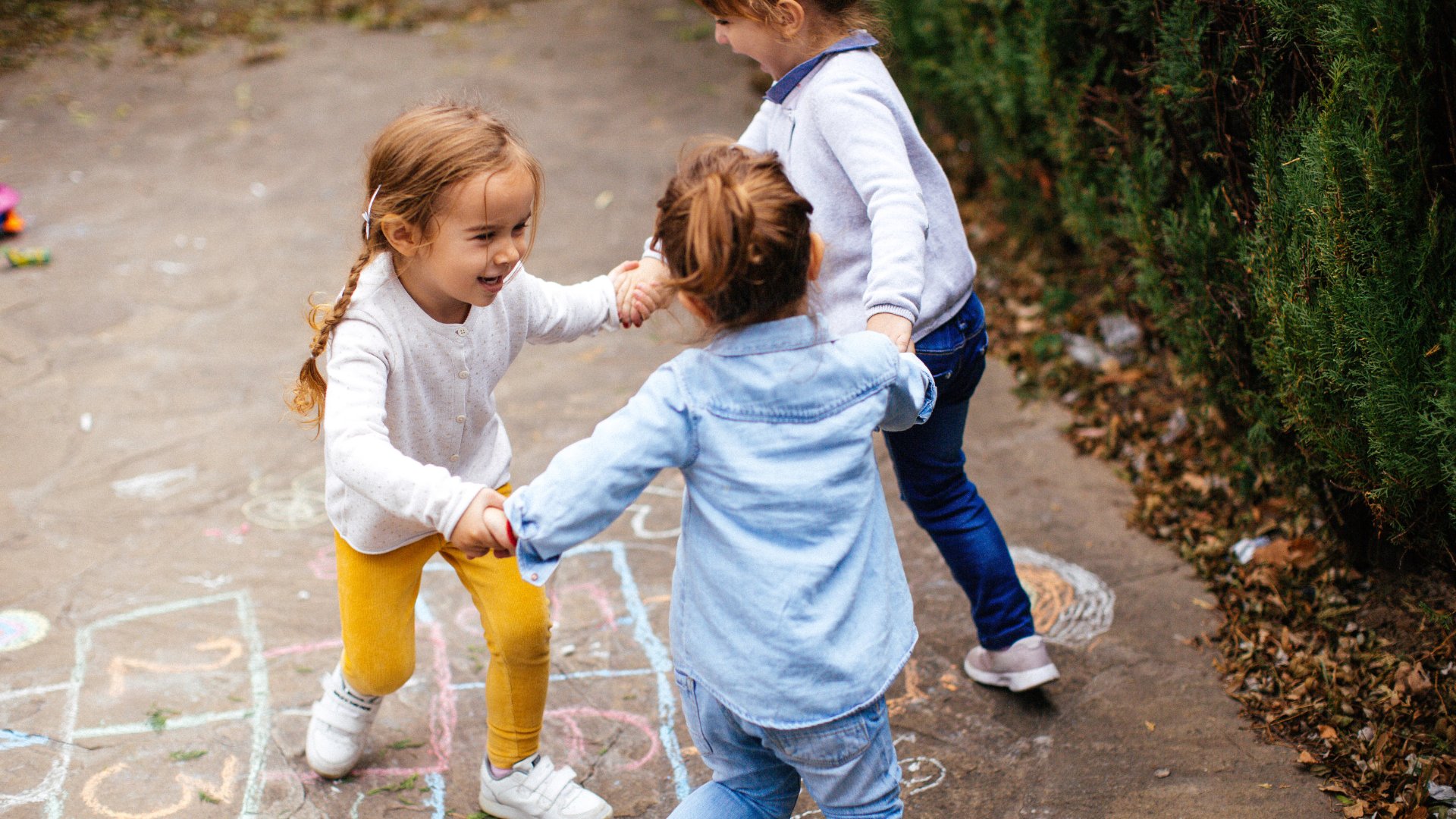
There was a time when I spent an afternoon with a friend’s family and watched their uncle describe the games he invented as a kid. He talked about a stick becoming a sword, then a fishing pole, then the flag for a backyard kingdom. No adult had planned the activity. The day simply opened up and the kids filled it.
Unstructured play gives children something modern life often squeezes out, the chance to make decisions without step-by-step guidance. When kids choose the game, set the rules and solve the problems that pop up, they practice flexibility. They also learn how to tolerate the little frustrations that come with group play.
I still think about how different that feels from a tightly managed schedule. When every hour has a purpose, you miss the mental wandering that helps ideas form. You also miss the social trial and error that teaches kids how to join in, lead, step back and recover when things go sideways.
Years ago, I watched two children at a park spend twenty minutes arguing over whether a bench was a pirate ship or a bus. They finally turned it into both. That tiny compromise looked simple. It was also a real exercise in imagination, communication and problem-solving.
Long afternoons outdoors or in a living room full of couch cushions gave kids repeated chances to build themselves from the inside out. They learned to start something with what they had. That habit carries into adult life in a powerful way.
2. Boredom That Sparked Creativity
I admit I used to think boredom was a problem to solve as quickly as possible. Then I spent time with an older family friend who laughed when I said that. They told me boredom was where the good ideas started. First came the whining, then the pacing, then the weird invention that kept everyone busy for hours.
Boredom can be useful because it creates space between impulse and action. When there is no instant stream of entertainment, your mind starts reaching. It scans the room, your memory and your curiosity. That stretch can lead to games, projects and surprising thoughts.
My friend once told me about making a whole afternoon out of cardboard, tape and a broken flashlight. The result was a “robot control panel” taped to a bedroom wall. It probably looked ridiculous. It also turned scraps into a world.
Sometimes the easiest way to build resourcefulness is to leave a little empty space in the day. Empty space can feel uncomfortable at first. Soon it becomes the starting point for creative thinking. Kids who sit with that discomfort often learn they can generate fun, meaning and momentum on their own.
That skill matters later when life feels dull, confusing, or slow. Adults with some practice in boredom often handle downtime with less panic. They have learned that a blank patch of time can turn into something useful.
3. Chores That Built Follow-Through
I remember visiting a home where everyone had a job before dinner. One person set the table. Another took out the trash. Someone else folded towels that never seemed to end. Nobody looked thrilled. Still, the work got done and the house moved along because each person carried a piece of it.
Chores can quietly teach follow-through. You do the small task because it needs doing, even when you would rather wander off. That repeated action helps children connect effort with responsibility. It also shows them that their actions affect other people.
There was a season in my own life when I avoided dull tasks until they became bigger and more stressful. It sounds minor, yet folding laundry or washing dishes can teach a broader lesson. You learn that action reduces mental clutter. You learn that consistency matters more than mood.
For many kids in the ’70s and ’80s, chores were woven into daily life. Feed the pet. Sweep the floor. Watch a younger sibling for a while. Those tasks could feel ordinary, even annoying. They also built self-discipline and a sense of capability.
When you grow up seeing yourself as someone who contributes, adulthood feels a little less shocking. Bills, appointments and obligations still take effort. Yet the muscle of showing up has already had years of practice.
And there is another benefit people forget. Chores can create pride. You finish the task, step back and see that you made life run a bit better. That is a grounding feeling for any age.
4. Walking or Biking Without Constant Check-Ins
I once listened to a neighbor describe leaving the house after breakfast with a bike, a half-flat basketball and a rough promise to be home by dinner. That was the whole communication plan. They got places by memory, instinct and asking whoever was nearby for directions.
Independence often grows through manageable freedom. Walking to a friend’s place, biking to the store, or finding your way back from the park asks you to pay attention. You start noticing landmarks, time, weather and risk. You become more aware of your own judgment.
I know that kind of freedom can sound almost unreal now. But the psychological point is simple. Children build confidence when they handle small distances and decisions on their own. Each successful trip tells them, “I can figure things out.”
There was an afternoon when I got turned around in a neighborhood I barely knew. My first reaction was panic. Then I slowed down, looked for a main road and retraced my steps. That tiny moment reminded me how confidence is often built, through brief uncertainty followed by a calm recovery.
Kids who had some room to roam often carried that feeling into adulthood. They were used to making judgment calls. They had practice with self-reliance. Even when they felt unsure, they had a memory bank full of small recoveries.
5. Learning to Wait for What You Wanted
My friend once told me the hardest part of childhood was staring at something in a catalog for weeks. You circled it. You imagined it. Then you waited for a birthday, a holiday, or enough saved money. Desire had to stretch across time.
Delayed gratification may sound like a clinical phrase, yet most of us know the feeling in everyday terms. You want something now. Life asks you to hold that want for a while. That gap can build patience, planning and emotional steadiness.
I still remember saving up for something small and feeling absurdly proud when I finally bought it. The object barely matters in memory. What stayed with me was the process. Waiting made the reward feel earned and effort gave it meaning.
The ’70s and ’80s offered more built-in waiting. Photos took time to develop. Favorite songs came on when they came on. Stores ran out of things. Calls had to happen when someone was home. Those delays taught kids how to live with anticipation instead of instant relief.
When you practice waiting, you also practice managing disappointment. Sometimes the thing never comes. Sometimes it arrives and feels smaller than expected. Both experiences can strengthen emotional endurance, which helps adults stay steady when life moves slower than they hoped.
6. Solving Kid Conflicts Face to Face
I remember hearing a group of adults laugh about childhood arguments that felt huge at the time. Someone took a turn too long. Someone cheated. Someone stormed home. By the next day, most of them were back outside together because the game was still worth playing.
Face-to-face conflict teaches lessons that are hard to learn through distance. You hear tone. You see body language. You watch the effect of your words land in real time. That can help children develop empathy and better self-control.
It took me a long time to realize how much faster some tensions cool down when people are in the same space. There is less room for fantasy and assumption. You have to deal with the actual person in front of you. That can be uncomfortable and it can also be clarifying.
Many kids in earlier decades had no choice but to work things out in person. If you wanted to keep your place in the group, you usually had to apologize, explain, negotiate, or move on. Those interactions were messy. They were also a strong training ground for social resilience.
Of course, some conflicts need adult help. Still, ordinary peer tension can be a useful teacher. Children learn that relationships can bend and repair. They learn that one rough moment does not always end the connection.
That lesson stays valuable in grown-up life. Workplaces, friendships and families all ask for repair skills. Adults who practiced that early often bring more steadiness to hard conversations.
7. Sharing One TV, One Phone and One Family Schedule
Years ago, I stayed with relatives whose whole evening revolved around one television. If your show was on after somebody else’s, you waited. If a call came in, everyone knew. If the kitchen table was needed, homework had to move. Private convenience was in short supply.
Shared resources create daily practice in compromise. You learn that your preference matters and so do other people’s needs. That sounds simple, yet it teaches flexibility in a way lectures rarely do.
I’ll be honest, I used to find this kind of setup irritating. Then I noticed what it produced. People asked, “Are you using this?” They negotiated. They adapted. Sometimes they gave up their spot and survived just fine.
Family life in that era often meant syncing with one another more closely. One car. One phone line. One bathroom. Those limits encouraged patience, turn-taking and a thicker skin around minor inconvenience. They also built a stronger sense that life is shared.
When children grow up with every preference instantly met, frustration can feel bigger than it is. When they grow up practicing compromise, they often become adults with more everyday patience. That patience can protect relationships in quiet, important ways.
8. Hand-Me-Downs and Making Things Last
There was a box in my family home filled with patched clothes, tangled cords and tools saved “just in case.” At one point I rolled my eyes at all of it. Later I understood the mindset. If something could be repaired, reused, or passed along, it still had value.
Making do teaches resilience because it shifts your attention from missing to using. You stop asking only, “What do I wish I had?” and start asking, “What can I do with what is here?” That question invites adaptability.
I once wore a hand-me-down jacket that felt deeply uncool to me at the time. Then a stranger complimented it and I wore it for years. Funny how quickly embarrassment can turn into attachment when you let an item become part of your story.
Kids who grew up with repaired toys, shared clothes and saved leftovers often learned a durable lesson about limits. Limits can sharpen appreciation. They can also build resourcefulness. You learn to care for what you own and you learn that value does not depend on brand-new packaging.
That mindset helps adults weather lean seasons with more calm. It also supports gratitude. When you have practice making things last, you carry a quiet confidence that you can stretch what you have and still be okay.
9. Neighborhoods With Kids of Different Ages
I remember a block where the younger kids trailed behind the older ones like determined little shadows. The big kids made the rules, changed the games and occasionally acted like tiny mayors. Somehow the whole mix kept moving.
Mixed-age groups can be a powerful social classroom. Younger children watch what older ones do. Older children get chances to lead, include and explain. Everyone learns where they fit and that role shifts over time.
My neighbor once told me the best babysitting practice happened before anyone called it that. Older kids kept an eye on the younger ones during kickball, bike rides and sidewalk games. They learned responsibility in motion. The younger kids learned confidence by trying to keep up.
There is also something healthy about seeing many stages of ability at once. You learn that some people are faster, bolder, or more skilled. You also learn that growth happens. The little kid who can’t catch today may run the whole game next summer.
That kind of environment can build confidence through belonging. Children feel stretched and they also feel included in something bigger than themselves. They get examples ahead of them and chances to help behind them.
When adults talk about resilient communities, this is often part of what they mean. People grow stronger when they are woven into a web of ages, roles and everyday contact. A neighborhood full of mixed-age play gave many kids exactly that.