


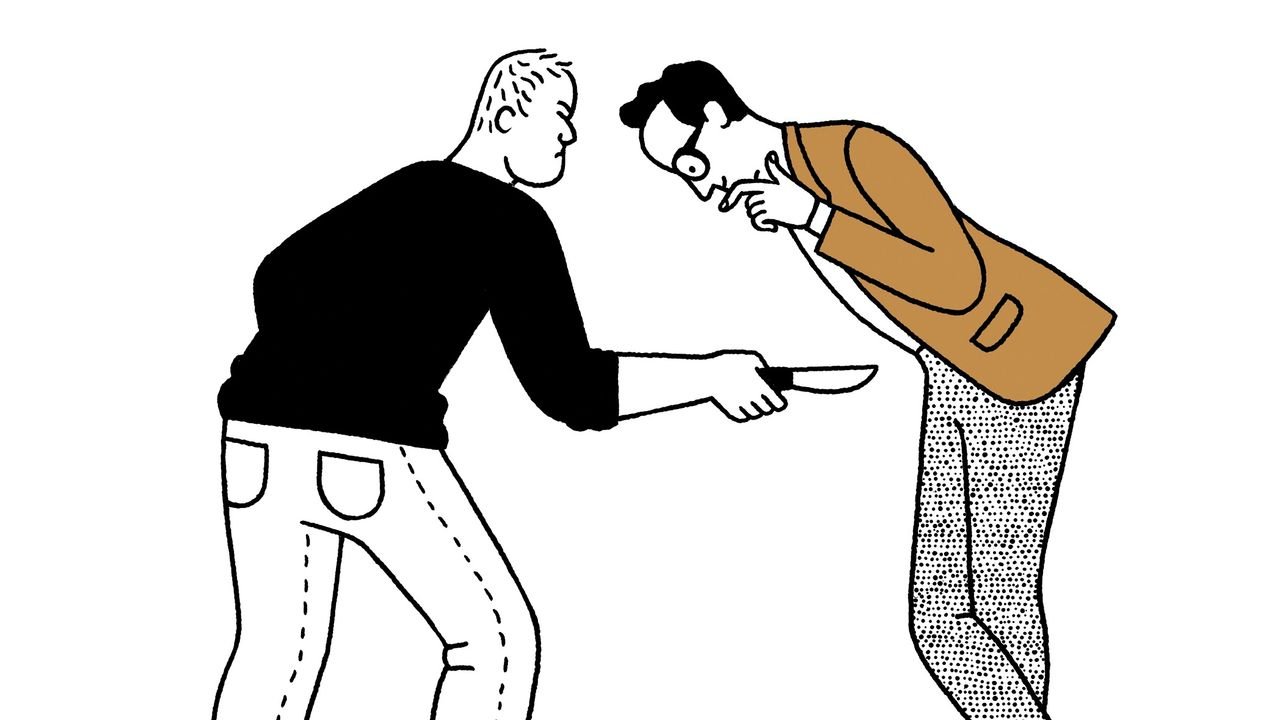
I remember sitting at a dinner table where one person made every choice. They picked the restaurant, ordered for the group, corrected small details in every story and somehow still acted like they were carrying everyone. The room felt quiet in a strange way. People were smiling, but their shoulders were tight. I left that night thinking about how easy it is to confuse force with confidence.
That idea stayed with me because I have done smaller versions of it myself. There were seasons when I thought being firm meant pushing harder, speaking louder, or staying one step ahead of everyone else. I told myself I was being responsible. What I was really doing was chasing certainty and certainty can become a very hungry thing.
The tricky part is that control often looks polished from the outside. It can sound decisive. It can wear the clothes of leadership. It can even get fast results. Still, the feeling around it tells the deeper story. You feel tense, watched, managed, or slowly reduced.
Psychology has long pointed to the difference between healthy influence and domination. Strong people make room for other minds. They can handle friction without trying to crush it. When someone treats control like proof of strength, their behavior usually leaves a trail and you can spot it once you know what to look for.
Here are 11 signs that show up again and again. Some are loud. Some are subtle. All of them shape the emotional weather around a person.
1. They Need the Final Say
I once worked with someone who could turn a five-minute decision into a small courtroom drama. Even after the group agreed, they circled back with one more point, one more correction, one more reminder that their version made the most sense. At first I thought they were being thorough. After a while, I noticed the pattern. Peace only arrived after they got the last word.
That habit often comes from a deep need to stay on top of the exchange. The final say becomes a symbol of safety. If they close the conversation, they can feel bigger than the uncertainty inside it. You see this in family arguments, team meetings and even text threads that should have ended an hour ago.
In everyday life, this can look oddly small. They rewrite your sentence after you already made the point. They answer a question that was asked to someone else. They squeeze in a closing remark as you walk away. Each move says the same thing, even when the words change.
I admit I have felt the pull of this myself during stressful times. When I felt shaky, I wanted to tie every loose end with my own hands. I wanted conversations wrapped up in a neat little bow. The problem is that people are not projects and healthy relationships need room to breathe.
If you notice this sign often, pay attention to the atmosphere around the person. Others start speaking less. They shorten their opinions. Over time, a one-person finish line can drain the life out of a conversation.
2. They Treat Disagreement Like Defiance
Years ago, I watched a friend share a harmless opinion about weekend plans. The response came fast and sharp. You would have thought a rebellion had started over brunch. The mood shifted because one person heard a difference in perspective and translated it into disrespect.
That reaction tells you a lot. Someone who treats disagreement like defiance often sees relationships as rank-based. If you do not echo them, they feel challenged. If you question a detail, they act as if you crossed a line. Disagreement becomes a threat instead of a normal part of being around other humans.
Psychologists often talk about emotional regulation in simple terms. When people can steady themselves, they can hear feedback without going into battle mode. When they cannot, every differing opinion feels personal. You end up walking on eggshells around topics that should be easy to discuss.
I remember shrinking my own words around someone like this. I would rehearse mild sentences in my head before saying them. Even then, I braced for the sigh, the eye roll, or the icy silence. That kind of tension teaches you to edit yourself before anyone asks you to.
A strong person can say, “I see it differently,” and still stay open. A controlling person often reaches for punishment, pressure, or mockery. Once that pattern sets in, honest conversation starts disappearing.
3. They Turn Every Choice Into a Power Move
Some people can make the simplest choice feel loaded. Where to sit. What route to take. Which movie to watch. I knew someone who somehow turned every shared decision into a test and I could feel myself getting tired before the day had even started.
When control is the goal, choices stop being choices and become status markers. They pick the table with the best view and act as if leadership has been established. They choose the schedule and expect gratitude. Everyday decisions become little contests and those contests slowly shape the whole relationship.
The thing is, this behavior often hides behind competence. The person may be organized. They may even be right sometimes. Still, healthy confidence does not need every door, plan and preference to prove a point.
I remember feeling strangely relieved the first time someone turned to me and said, “You choose.” It was such a small moment, yet it felt generous. Shared power does that. It relaxes the body. It tells you your preferences count.
Watch for the person who always frames their choice as the sensible one and your choice as extra work. Over time, that pattern trains everyone else to stop offering ideas. That silence can look like harmony, though it grows from weariness.
4. They Use Fear to Get Quick Results
I have seen this style in workplaces, families and friend groups. The person raises their voice, stares people down, or creates just enough dread that everyone scrambles. Things get done fast. On the surface, it can look effective. Underneath, people are acting from pressure and pressure leaves a mark.
Fear works quickly because the nervous system responds quickly. You stop thinking broadly and start trying to avoid pain. That is why intimidation can produce short bursts of obedience. It also weakens trust, creativity and honest communication.
There is research behind this pattern too. A meta-analysis in Psychological Bulletin found a meaningful link between narcissism and aggression, which fits what many people notice in daily life when fragile egos reach for force. Fear gets compliance, but it rarely builds respect that lasts.
I remember a manager who could make a whole room fall silent with one clipped sentence. People met deadlines, sure. They also hid mistakes, avoided questions and carried stress home. I could feel it in my own body after every meeting, like I had been holding my breath for an hour.
Quick results can fool people into thinking the method is strong. Lasting strength creates steadiness. It helps people feel safe enough to think, speak and recover. If fear is doing the heavy lifting, the cost is usually being paid by everyone nearby.
5. They Push Past Other People’s Boundaries
There was a time when I kept explaining my limits to someone who treated every limit like an opening bid. If I said I needed space, they wanted details. If I said I could not help that day, they pushed for a different hour. By the end, I felt less like a person and more like a locked door they wanted to pick.
Boundaries tell you where one person ends and another begins. People who treat control like strength often experience boundaries as obstacles to overcome. They press for access, time, emotional labor, or information because your boundary feels negotiable to them.
This can sound charming at first. They call themselves persistent. They say they care too much. They frame their pressure as closeness. Yet closeness grows through respect. It deepens when people hear “no,” “not now,” or “I am not comfortable with that,” and respond with care.
I once felt guilty for having a limit at all. That is one reason this sign matters. Repeated boundary pushing can make you doubt your own right to choose. You start over-explaining. You soften your words. You hope the person will grant you permission to have a life that is already yours.
Pay attention to how someone handles a simple boundary. A respectful person adjusts. A controlling person keeps probing. The difference tells you plenty.
6. They Micromanage Small Things
My friend once laughed about a partner who corrected the way groceries were loaded into the car. Then came the preferred folding method for towels, the exact route to errands and the “better” way to send a basic email. The laughter faded after a while. Constant correction has a way of wearing down even cheerful people.
Micromanaging small things often grows from anxiety mixed with ego. The person feels calmer when the world lines up with their preferences. They also get a little hit of importance from being the one who knows best. That combination can make tiny details feel strangely urgent.
Of course, details matter in some settings. Precision has its place. The problem starts when every shared task becomes a performance review. Instead of helping, they hover. Instead of trusting, they supervise. Instead of collaboration, you get a running stream of edits.
I remember cooking with someone who kept reaching across me to move the spoon, lower the heat and reposition the cutting board. None of it was dramatic. All of it was exhausting. By the end, I had lost the pleasure of doing something simple together.
This sign matters because repeated correction chips away at confidence. You hesitate before acting. You wait for instructions. You stop bringing your own style or creativity into the room. Control can make itself at home in very small places.
Truly strong people know when enough is enough. They can let another person do something differently and still feel steady. That flexibility makes shared life much lighter.
7. They Keep Score in Every Conflict
I remember one argument where the real issue disappeared by minute three. Suddenly we were talking about something from months earlier, then another moment from before that, then a list of favors that had apparently been stored like receipts. I left feeling confused and oddly indebted.
People who keep score often use memory as leverage. They track wrongs, slights, chores and emotional debts. Then they bring them out when power starts slipping. Conflict becomes an accounting system instead of a chance to repair what happened now.
There is a reason this feels so draining. Healthy conflict usually moves toward clarity. Scorekeeping moves toward accumulation. It says the relationship is a contest and someone needs to come out ahead.
I have caught myself doing a softer version of this when I felt unappreciated. It gave me a brief sense of moral advantage. It also made closeness harder. Nobody relaxes when every disagreement can unlock an archive.
Look for patterns like “after all I’ve done,” or “you always,” followed by a stack of examples designed to overwhelm you. The goal often shifts from solving the issue to winning the emotional ground beneath it.
8. They Struggle to Admit Harm
Some apologies leave you feeling even heavier than the original moment. I have heard versions that wandered through intent, context, stress, your tone and the weather before getting anywhere near the impact. By the end, I was sitting there with the strange task of comforting the person who hurt me.
Owning harm takes inner stability. You have to face the fact that you caused pain and still remain connected to your own worth. People who rely on control often find that unbearable. So they explain, minimize, redirect, or focus on how hard the conversation is for them.
This matters because repair is one of the strongest skills in any relationship. The American Psychological Association often highlights the value of accountability, empathy and communication in building trust. When someone cannot admit harm cleanly, trust has nowhere solid to land.
I once waited weeks for a simple sentence that never came. What I got instead was a polished defense with a sad expression. That taught me something important. Regret can sound emotional and still leave the injured person carrying the full weight of the moment.
A real repair effort usually sounds grounded and specific. It names what happened. It leaves room for your experience. It does not rush you toward closure. That kind of honesty shows strength because it can stand in the light.
When a person keeps protecting their image at all costs, the relationship starts revolving around that image too. Everyone else has to shrink their truth to keep it intact.
9. They See Empathy as a Liability
I knew someone who treated tenderness like a weakness you should grow out of. If a person cried, they rolled their eyes. If someone needed patience, they called it coddling. The room around them always felt a little colder, even when the words sounded polished.
Empathy is social strength. It helps people read a situation, respond wisely and stay connected under stress. When someone dismisses empathy, they often prefer environments where feelings can be controlled rather than understood.
That preference changes the culture around them. People stop sharing concerns. They hide vulnerability. They present the least inconvenient version of themselves. This can happen in families, offices and friendships with surprising speed.
I will be honest, I once admired people who seemed untouched by emotion. They looked efficient. They looked unshakable. Over time, I learned that emotional numbness often narrows a person’s range. You may get toughness, though you lose warmth, insight and depth.
Strong people can face another person’s pain without feeling erased by it. They can stay kind and still hold limits. That balance is powerful because it protects dignity on both sides.
10. They Punish Independence
There was a time when every small act of independence from one person triggered a strange chill. If I made a plan without them, they withdrew. If I solved a problem on my own, they became distant. If I felt proud of something, they found a way to dim it.
This sign shows up when someone needs your dependence to feel secure. Independence threatens their position. Your growth, confidence, or outside support can feel like a loss of control, so they answer with guilt, criticism, or emotional coldness.
Sometimes the punishment is subtle. A delayed reply. A flat tone. A joke with a little sting. Other times it is direct and your attempt to act freely gets framed as betrayal. Either way, the message lands in the body. Stay small, stay close, stay manageable.
I have watched bright people slowly second-guess their own momentum in relationships like this. They stop sharing good news. They ask permission for ordinary choices. They begin trimming their lives to preserve someone else’s comfort.
Healthy closeness makes room for separate minds and separate movement. It can cheer for your growth even when your path does not center the other person. That kind of support feels expansive and you can sense the difference right away.
11. They Feel Secure Only When Others Shrink
Of all the signs on this list, this one hits me the hardest. You can feel it in a room before you fully explain it. Someone tells a story and the controlling person interrupts with a bigger one. Someone shines and they get oddly sharp. Someone speaks with confidence and the air changes.
They need contrast. Their sense of power grows when other people look uncertain, apologetic, or dependent. That is why they may tease in ways that land low, question your memory in public, or keep moving the standards just out of reach.
I remember leaving a gathering and realizing I felt smaller than when I arrived. Nobody had shouted. Nothing dramatic had happened. Yet one person had spent the evening trimming everyone else a little at a time. By the end, the whole group revolved around their comfort.
This pattern often points to a fragile inner structure. A person who feels deeply secure can stand next to capable, expressive, independent people and feel glad to be among them. A person who depends on control may keep searching for ways to reduce the people around them.
You do not need a perfect label to trust what you notice. If someone regularly leaves you quieter, tighter and less like yourself, that feeling matters. Real strength has a widening effect. It gives people space to stand tall.