


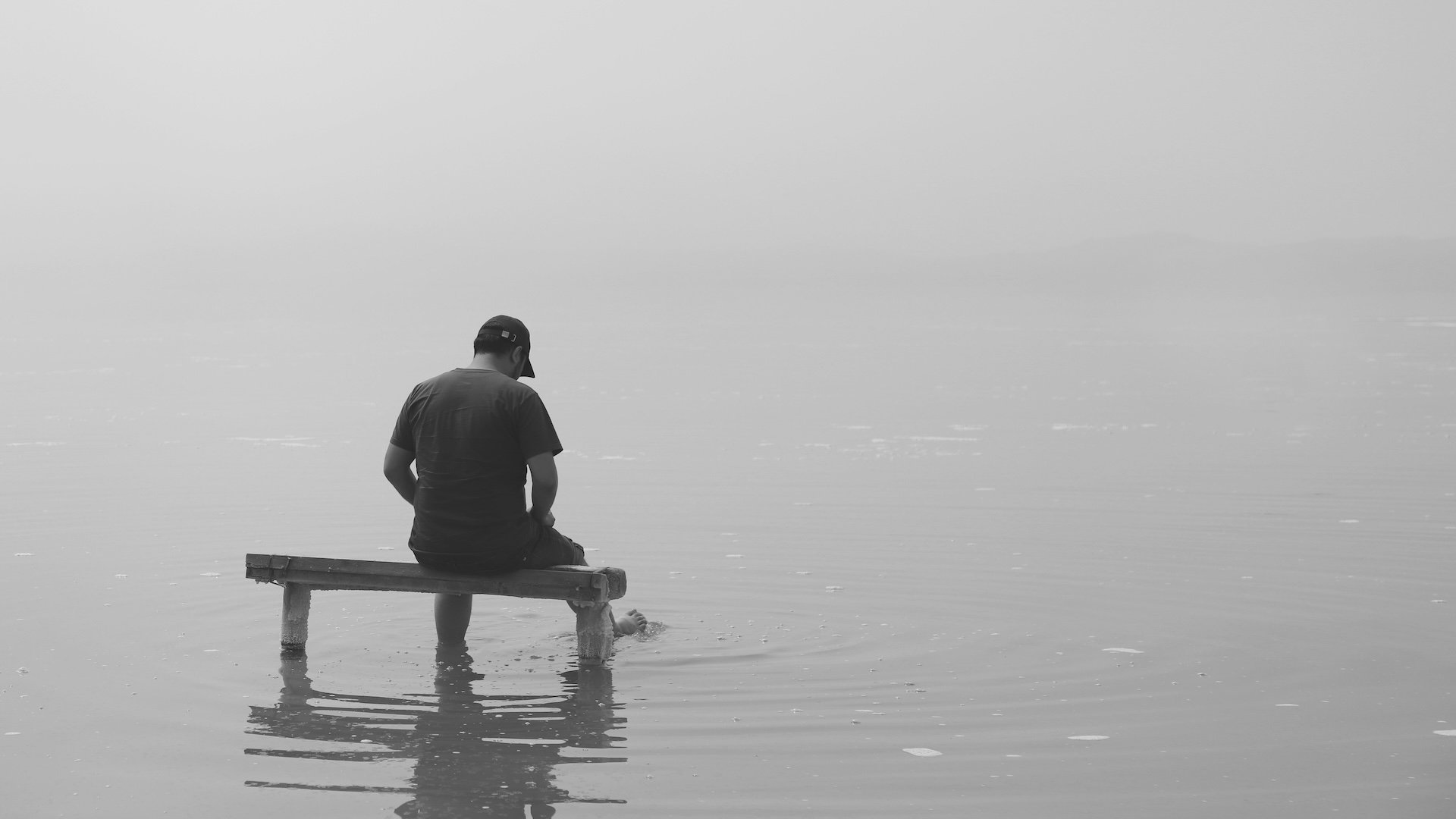
I remember sitting across from a friend at a coffee shop while they told me, very calmly, that they never ask anyone for help. They said it like they were describing their eye color. Simple. Ordinary. Settled. Yet something in their face made it clear this habit had a history.
Later that night, I kept thinking about it. I thought about all the people who seem almost supernaturally capable. They carry their own bags, solve their own messes, hold their own feelings and rarely expect much from anyone. From the outside, that kind of deep self-reliance can look impressive. It can even look peaceful.
I’ll be honest, I relate to it more than I used to admit. There have been seasons in my life when asking felt far too exposing. I could be exhausted, overwhelmed and craving support and still hear myself say, “I’m fine, I’ve got it.” Those words felt safer than saying what I actually needed.
The thing is, people often build this kind of independence for a reason. When someone learns early that needs are ignored, dismissed, mocked, or used against them, they start adapting. They become careful. Efficient. Hard to disappoint because they stop expecting much in the first place.
That does not mean every private person has a painful backstory. Human beings are varied and personality matters. Still, psychology has long observed that early relationships shape how safe connection feels later on. The patterns can stay quiet for years, then show up in friendships, work, family life and love.
If you recognize yourself here, or someone you care about, these signs can offer language for something that often goes unnamed. Sometimes a strong exterior grows from an old lesson about survival. Sometimes the people who seem to need the least have simply had the most practice going without.
1. They Solve Problems Alone First
Years ago, I went through a rough stretch and told almost nobody. I made lists, researched options, handled calls and kept moving as if competence could erase stress. A friend found out much later and asked why I had carried all of it alone. I did not have a polished answer. I just knew that my first instinct was always, I’ll handle it myself.
For deeply self-reliant people, this response often kicks in before they even think about it. Their mind scans for action steps. Their body tightens. Their emotions move to the back seat while problem-solving takes over. This can look like maturity and sometimes it is. It can also reflect an old belief that support may be unreliable.
When asking for help once led to disappointment, many people learned to skip that step entirely. They became their own backup plan. Over time, this builds real strengths. They are often resourceful, capable and calm in a crisis. Yet the hidden cost is that carrying everything alone becomes the default, even when trustworthy support is available.
I’ve seen this in small moments too. A neighbor once spent hours wrestling with a broken shelf instead of texting anyone. By the time someone offered help, the whole thing had turned into a private battle. The shelf got fixed, eventually. The harder part was watching how uncomfortable they seemed with being witnessed in the middle of the struggle.
If this pattern feels familiar, it helps to notice the speed of it. Some people choose independence. Others move into it automatically because it feels like the safest lane. That difference matters. It shows you whether self-reliance is simply a preference or part of a deeper protective habit.
2. They Keep Their Needs Quiet
There was a time when I could say “whatever works for you” with almost eerie ease. Dinner plans, schedules, emotional labor, favors, even things that actually mattered to me. I got very good at sounding flexible. Inside, I often felt invisible.
People who learned early to stay low-maintenance often become experts at minimizing their needs. They downplay hunger, exhaustion, hurt and longing. They tell themselves they are easygoing. They pride themselves on being simple to please. In many cases, this started as a way to keep the peace or avoid rejection.
Quiet needs do not disappear. They usually come out sideways. You might see resentment, numbness, sudden withdrawal, or a private sense of sadness that seems to arrive from nowhere. The person may struggle to answer a direct question like, “What do you want?” because they have spent years practicing self-erasure in the name of safety.
My friend once confessed that they could identify everyone else’s preferences in a group, yet froze when the server turned to them. That image stayed with me. Many people can read a room with amazing accuracy while losing touch with their own inner room.
One reason this happens is simple. Needs feel vulnerable. Saying “I need rest,” “I need reassurance,” or “I need more from this relationship” can stir fear in someone who learned that openness comes with a sting. Silence then starts to feel like emotional insurance.
3. They Feel More Comfortable Giving Than Receiving
I know a person who remembers birthdays, drops off soup, checks in after hard days and always asks the thoughtful follow-up question. They are deeply generous. They are also the hardest person in the room to help. Offer support and they smile, wave it off and somehow switch the conversation back to you.
This is a common sign of learned self-reliance. Giving feels active. It gives you control. It lets you stay warm and connected without exposing your own softer places. Receiving asks for a different kind of openness. It invites dependency, uncertainty and the possibility of being let down.
Psychology often links early hurt with later patterns of distrust and guarded attachment. One NIH-hosted study found that childhood maltreatment was associated with lower interpersonal trust and more insecure romantic attachment in adulthood. In plain English, early pain can make closeness feel less steady and support feel harder to lean into.
I admit I’ve felt this myself. Someone once offered to take something off my plate during a stressful week and my chest tightened before I could answer. I heard gratitude coming out of my mouth, yet my body reacted as if I had been asked to hand over the steering wheel in a storm.
People like this often look wonderfully caring. And they usually are. Still, their generosity can sometimes act as a shield. It creates a role where they stay useful, admired and needed, while avoiding the shaky feeling of being the one with open hands.
Healthy relationships need both directions. They need the freedom to give and the freedom to receive. When one side feels far easier, that imbalance can reveal an old lesson about what it costs to depend on someone else.
4. They Read Small Shifts in Tone Fast
I once sent a short text to someone I cared about and got back an even shorter reply. Within seconds, my mind had written three possible explanations and two worst-case scenarios. None of them turned out to be true. Still, that quick internal alarm told me something about how alert I had become.
People who had to track mood changes early in life often become very skilled at spotting tiny signals. A pause in someone’s voice. A delayed reply. A change in facial expression. A door closed a little harder than usual. They may notice these details before anyone else in the room does.
This kind of emotional radar can be useful. It helps people read social situations and respond quickly. Yet it can also be exhausting. When your nervous system learned to scan for changes, everyday interactions can carry more charge than they seem to deserve.
My friend once said they could tell the mood of a house within seconds of walking in. I believed them instantly. Some people developed this sensitivity because it helped them stay prepared. You learn to read the weather because the weather mattered.
The trouble comes when a small shift feels loaded every time. A neutral comment may land like criticism. A busy day may feel like abandonment. The person is often reacting to the present through a filter shaped by the past. That does not make their feelings silly. It means their system became highly trained in watching for danger.
5. They Brace for Disappointment Early
It took me a long time to realize that I often expect the letdown before anything has even happened. If plans are made, part of me quietly assumes they may fall through. If someone promises support, I prepare for the chance that it may arrive halfway or late. I can smile and stay hopeful on the surface while privately lowering the emotional stakes.
This is one of the quieter signs of learned self-protection. The person does not always look cynical. They may seem realistic, independent, or impressively undemanding. Underneath, they are often practicing preemptive disappointment. If they expect less, the drop feels shorter.
Bracing can show up in daily life in subtle ways. They may avoid getting too excited. They may make backup plans for backup plans. They may insist they are easy to please, then feel a familiar ache when others fail to show up fully. Because they were already expecting it, the hurt stays hidden.
I saw this in someone close to me after they planned a gathering. They cleaned, cooked, coordinated and smiled through the whole thing, while also repeating, “It’s fine if people cancel.” A few did. The sadness in their face was quiet and immediate. What struck me most was how fast they folded it away, as if they had rehearsed that part too.
Bracing is often an attempt to stay emotionally steady. It can make a person look low-maintenance. Yet relationships grow through trust, hope and the willingness to let good things land. A life built around expecting less can feel safer in the short term, though it often keeps real closeness just out of reach.
6. They Share Feelings in Small Pieces
I remember a conversation where someone shared something tender with me in three separate installments over a month. First came a joke. Then a vague comment. Then, much later, the actual truth. If I had not been paying attention, I might have missed how much courage those small disclosures took.
Many deeply self-reliant people reveal themselves slowly. They test the water before stepping in further. They may tell you one layer and watch what you do with it. If you respond with care, they might offer another. This can make them seem mysterious, private, or hard to read. Often they are simply measuring safety.
I do this more than I like to admit. When something really matters, I have caught myself editing my own words in real time. I soften the feeling. I keep it abstract. I tell half the story. Part of me wants to be known. Another part wants a quick exit if the response feels wrong.
This habit makes sense when openness once led to shame, dismissal, or emotional chaos. The person learns that full honesty can feel like standing in a doorway with no coat on. So they offer small pieces of vulnerability instead. Enough to connect, though rarely enough to feel fully seen.
Over time, this can create a strange loneliness. Other people may say, “You never told me,” while the person feels they did, in the only way they knew how. Small disclosures are still disclosures. They simply require a slower kind of listening.
7. They Leave a Little Room Between Themselves and Others
Years ago, I got close to someone who was kind, funny, dependable and always just a little out of reach. They showed up. They checked in. They remembered details. Yet there was always a final door that stayed closed. I could feel it even when I could not name it.
Some people maintain a subtle emotional distance because closeness once carried risk. They may enjoy connection and still need an escape hatch. They may answer deeply personal questions with humor, keep busy when intimacy grows, or disappear into work and routines after moments of tenderness.
This pattern can confuse the people around them. From the outside, it may look mixed or inconsistent. From the inside, it often feels logical. A little distance creates breathing room. It protects the self from becoming too dependent, too visible, or too affected by another person’s moods and choices.
My own version of this used to look very polished. I could be warm, attentive and fully engaged, then suddenly feel an urge to retreat after a close conversation. Nothing bad had happened. Closeness itself had stirred something raw. I needed space before I could settle again.
That “little room” can appear in all kinds of relationships. Friendships stay pleasant but surface-level. Romantic bonds have warmth without deep surrender. Family ties remain functional, with very selective honesty. The person often cares a great deal. They have simply learned to love with one foot near the exit.
8. They Treat Independence Like Safety
There was a season when I measured my well-being by how little I needed from anyone. If I could pay my own way, calm myself down, solve the issue and move on quietly, I felt strong. I admired that version of me. I also felt strangely tired all the time.
For people shaped by early hurt, independence can become more than a trait. It can become an identity. It brings structure. It brings pride. It brings the powerful feeling that no one gets to pull the ground out from under you again. That is why independence as safety can feel so deeply rooted.
Of course, independence has real value. Being capable matters. Knowing how to steady your life matters. The issue comes when safety depends on never needing comfort, flexibility, help, or mutual support. Human beings are wired for connection and even the strongest people do better when life includes reliable bonds.
I think about an older neighbor who handled every task alone for years. One winter, they slipped on the steps and finally let a few people check in regularly. What changed most was not the help itself. It was the softness that came after. They laughed more. They lingered longer. You could see the relief of shared weight.
When someone treats independence like armor, the armor often has a history. It formed for reasons that made sense at the time. Respecting that history matters. So does noticing when a strength has become a wall.
The people who need very little from others are often some of the strongest people you will ever meet. They are observant, capable, generous and steady. Many of them built those qualities under pressure. When you see the whole picture, their self-reliance stops looking simple. It starts looking like a deeply human adaptation, one shaped by pain, intelligence and the enduring hope of finding safer ways to connect.