


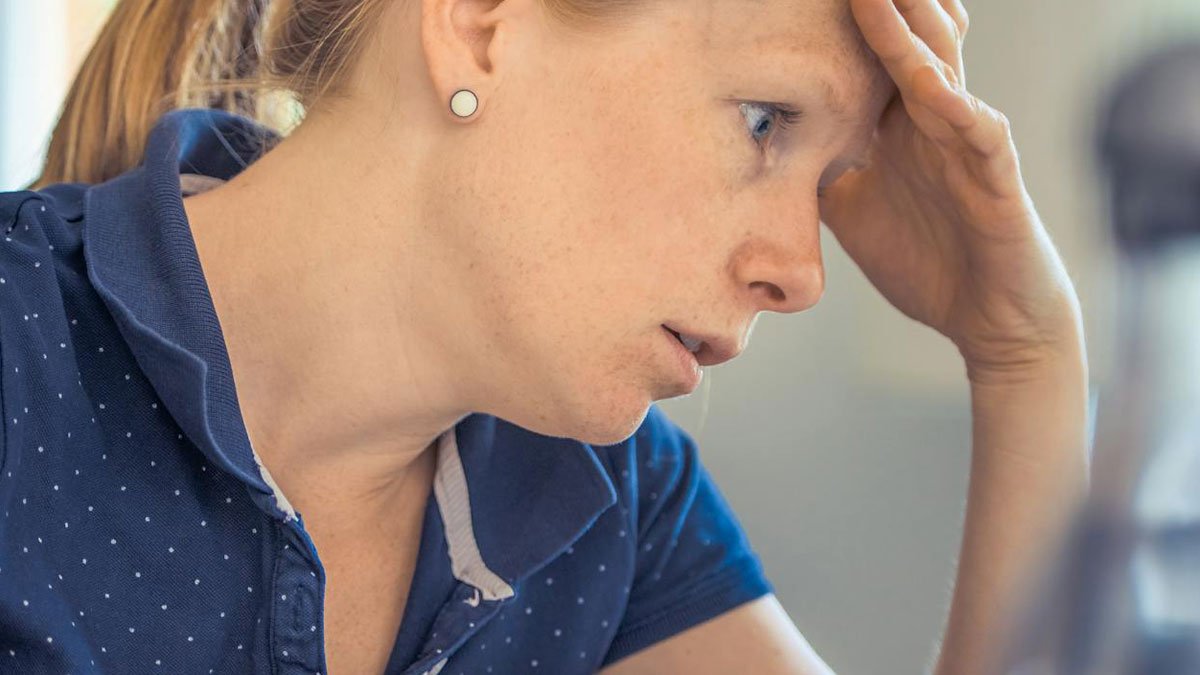
You wake up tired, even after a full night in bed. Your shoulders feel like they’ve been holding up the sky. A small problem at work hits your body like a siren and later you crash on the couch like your batteries ran out.
The thing is, your body runs on patterns. When stress has been intense or long-lasting, your system can start reacting as if danger is always nearby. That reaction can become your “normal,” even when you logically know you’re safe.
This is where nervous system dysregulation comes in. It describes a body that has trouble shifting between activation and recovery. You might swing between feeling wired and feeling wiped out. You might also feel both at once, which can be deeply confusing.
Many people connect these experiences to mental health, because anxiety and trauma are part of the story. Your body also plays a huge role. Breathing, digestion, muscle tension and sleep all sit under the nervous system’s umbrella.
When fatigue and physical discomfort show up, it can feel like your body has turned against you. A kinder and more accurate frame is that your body is trying to protect you. It learned protective habits and it kept using them.
Somatic approaches focus on the body’s side of healing. You build steadier signals of safety through movement, breath and attention. Over time, that can support more energy, clearer thinking and a calmer baseline.
Nervous system dysregulation, what the term means in plain English
Nervous system dysregulation means your body’s stress system and recovery system do not shift smoothly. You may get stuck in “on” mode. You may also drop into “off” mode when life feels too much.
Picture a phone with a sensitive battery. A few open apps drain it fast. Even when you plug it in, it charges slowly. Dysregulation can feel like that, except it happens inside your body.
In daily life, you might notice quick irritation, shallow breathing, or a tight chest. You might also notice brain fog, low motivation, or a heavy feeling in your limbs. These signals can come and go, or they can linger.
One reason this term matters is clarity. When you name a pattern, you can observe it. You can also talk about it without blaming yourself for “overreacting.”
It also supports better conversations with others. You can say, “My system is activated,” or “I’m in shutdown.” Those phrases describe a body state. They leave room for practical support.
Your autonomic nervous system, the switchboard for stress and recovery
Your autonomic nervous system runs automatic body functions. It helps manage heart rate, breathing, digestion and sweating. It also coordinates energy use across the day.
Most people learn about fight-or-flight first. This is a mobilized state. Your heart rate rises, your muscles prepare and your attention narrows to scan for problems.
Another key mode is rest-and-repair. Your breathing gets fuller. Digestion and immune balance have more support. Sleep often improves when this mode has enough time to do its job.
Many trauma educators also describe shutdown or freeze. Your system conserves energy. You might feel numb, spaced out, or very tired. Some people describe it as hitting a wall.
To put it simply, these states are normal tools. Your body uses them to survive. Dysregulation shows up when the shifts become extreme, frequent, or hard to turn off.
Consider how often modern life pulls you into activation. Notifications arrive all day. News cycles run hot. Many work schedules also reward urgency and your nervous system takes that seriously.
How trauma and chronic stress create body-based patterns
Trauma and chronic stress teach the body through repetition. Your system learns what to expect. When threat has been common, your body starts scanning for it automatically.
Learning happens in the nervous system the way it happens in habits. If you’ve practiced bracing your shoulders, you might do it without noticing. If you’ve practiced holding your breath, your body may keep doing it during normal tasks.
Imagine a scenario where you grew up around unpredictable anger. As an adult, you might tense up when someone’s voice changes. Your thinking brain can say, “This is fine.” Your body can still prepare for impact.
Stress can also shape sleep patterns. If nights once felt unsafe, your body may stay lighter in sleep. You might wake up easily, or wake up early with your mind running.
Over time, these patterns can become your baseline. That baseline affects pain sensitivity, energy and digestion. It also changes how you connect with people, since safety and connection share nervous system pathways.
Chronic fatigue and dysregulation, why your battery feels drained
Chronic fatigue can have many causes. A nervous system lens explains one common pathway. When your body spends long periods in activation, it uses fuel even during quiet moments.
On some days, fatigue shows up after a stress spike. You push through a tense meeting. You answer one more email. Then you crash hard and your body insists on rest.
Sleep can also lose its restoring power. Your body may stay partly alert at night. You might sleep eight hours and still feel unrefreshed. That pattern can make mornings feel like climbing out of wet sand.
Shutdown also plays a role for many people. When stress feels too big, your system can conserve energy. That conservation can feel like heaviness, low drive and brain fog.
A helpful framing is “energy budgeting.” Your system has a daily limit. Stress reactions spend that limit fast. Regulation skills can support a steadier burn rate, so your energy lasts longer.
Physical symptoms of trauma that commonly show up in everyday life
Trauma symptoms often show up in the body because the body responds first. Your nervous system changes breathing, muscle tone and hormone release. Those changes create real sensations.
For example, your jaw might clench during concentration. Your neck and shoulders might stay tight all day. Headaches can appear after conflict, even if you stayed polite on the surface.
Gut symptoms are also common. Stress can change appetite and digestion speed. Some people feel nausea. Others notice cramps, constipation, or urgent trips to the bathroom.
Your senses can become sharper. Sudden sounds might startle you. Bright lights might feel harsh. Crowded spaces can feel draining, because your attention keeps tracking movement.
Some people notice dizziness, breathlessness, or a racing heart during stress. Others notice numbness or a “far away” feeling. These experiences can feel scary and they also fit common stress physiology patterns.
Physical symptoms deserve respectful attention. Many medical conditions can look similar. When symptoms are persistent or intense, a medical check can support safety and clarity.
Clues your system is stuck in high gear or stuck in shutdown
High gear often looks like urgency. You might feel keyed up. You might multitask constantly. Rest can feel uncomfortable, because your body expects action.
Notice your breathing in high gear. Many people breathe from the chest. They hold their breath during emails, driving, or social tension. That pattern keeps the stress response humming.
Shutdown often looks like withdrawal. You may cancel plans. You might stare at the wall, or scroll without interest. Decisions can feel impossible, because your energy drops.
Sometimes you get a mix. Your mind races while your body feels heavy. That combination can happen when your system wants to act and conserve at the same time.
A simple clue is recovery speed. After a small stressor, how long does it take to feel steady again? When it takes hours or days, dysregulation is often part of the picture.
Somatic healing, what it includes and why people seek it
Somatic healing includes methods that work with the body to support regulation. “Somatic” means related to the body. These approaches pay attention to sensation, movement and breath.
Some people find somatic work through trauma-informed yoga. Others find it through gentle strength training, walking routines, or breath practices. Many also explore therapy approaches that include body tracking.
One core skill is body awareness. You learn to notice tension, temperature, heartbeat and breathing patterns. You also learn the early signs that you are leaving a calm zone.
Another core skill is pacing. Many approaches use small steps. You practice settling your system in manageable pieces. That helps your body trust the process.
People seek somatic healing for many reasons. They want steadier energy. They want fewer flare-ups of pain. They also want to feel present in their lives, instead of bracing for the next hit.
It can also support relationships. When your body feels safer, connection becomes easier. Conversations feel less threatening and repair after conflict becomes more possible.
Why somatic approaches can help your body learn safety again
Your nervous system learns through experience. Somatic approaches aim to offer repeated experiences of steadiness. Over time, those experiences can reshape your baseline reactions.
Start with the concept of a window of tolerance. This is the zone where you can feel feelings and still stay present. When you go above it, you may feel panicky or angry. When you go below it, you may feel numb or shut down.
Somatic practices often strengthen your ability to return to that window. You notice your first signs of escalation. You respond sooner. That timing matters because it reduces the intensity of the stress wave.
Consider a real-world example. You get a critical text message. Your stomach drops. A somatic approach invites you to feel your feet, soften your shoulders and let your exhale lengthen for a few breaths.
These moments look small and they add up. Your body starts collecting “safety evidence.” That evidence can make it easier to sleep, eat, focus and recover after hard days.
What research says so far about somatic therapies and body-based trauma recovery
Research on somatic therapies is growing. Studies often look at body-based practices for PTSD symptoms, stress and related health concerns. Results vary because methods and populations vary.
A useful starting point is a systematic review that summarizes randomized trials of non-drug approaches for PTSD, including yoga and somatic experiencing. Reviews like this help you see patterns across multiple studies rather than relying on a single result.
Across the broader field, movement-based interventions often show promise for reducing stress symptoms. Practices that include breath and interoception also get attention. Interoception means sensing signals inside your body, like heartbeat or hunger.
It also helps to keep expectations realistic. Healing tends to be uneven. Many people improve in waves and stress can temporarily raise symptoms even during positive change.
From an educational view, the evidence supports a balanced approach. Somatic work can be part of a wider support plan. That plan can include sleep routines, medical care, community support and skills for emotion regulation.
Everyday somatic practices that support regulation in gentle ways
Everyday somatic practices work best when they feel doable. You want actions that fit into real life. Small doses practiced often tend to build the most stability.
Try grounding through contact. Feel your feet in your shoes. Press your back gently into a chair. Let your eyes notice a few neutral objects in the room.
Breath can be a steady anchor. A comfortable inhale followed by a slightly longer exhale can support downshifting. Keep it gentle. Strain can increase activation.
Movement helps many people complete a stress cycle. A short walk after a tense call can help. Slow stretching can also reduce bracing patterns. Even shaking out your hands can release a little charge.
Sound and rhythm can support regulation too. Humming creates vibration in your throat and face. Some people find that calming. A steady playlist during chores can also bring your body into a more organized tempo.
Tracking is the glue that holds it together. Notice what changes after a practice. Does your jaw soften? Does your breathing drop lower? That feedback teaches your nervous system what “better” feels like.
Safety boundaries and when professional support matters
Somatic work can bring up strong sensations. Some people feel emotions rise quickly. Others notice memories or images. This is a normal response for many nervous systems that have carried stress for a long time.
Start with safety boundaries. Choose practices that feel steady and stop when you feel overwhelmed. Short sessions help. A calm pace supports learning.
Professional support can be valuable when symptoms are intense. A trained clinician can help with pacing. They can also help you stay oriented to the present, especially if dissociation shows up.
Medical support matters too for ongoing fatigue, fainting, chest pain, or major sleep disruption. Physical symptoms deserve careful evaluation. Your body benefits from both medical clarity and nervous system education.
Community support can also be part of safety. A trusted friend, a support group, or a gentle class can give you structure. Predictable connection often helps the nervous system settle.
A sociology lens: your nervous system responds to your environment
Your nervous system does not live in a bubble. It responds to your environment, your workload and your relationships. Sociology helps you see how stress becomes patterned through daily life.
Think about time pressure. Jobs with unpredictable schedules can keep your body on alert. Caregiving can create constant vigilance. Financial strain can make rest feel unsafe, because your mind keeps calculating risk.
Social context shapes safety too. Discrimination and social exclusion can produce chronic activation. Community belonging can support calm. These forces affect physiology and they influence symptoms over time.
Your relationships matter in a practical way. Supportive interactions can slow your breathing. They can soften muscle tension. Feeling seen can reduce the urge to brace.
On the flip side, high-conflict spaces can keep your system activated. You might start scanning faces. You might rehearse conversations in your head. Your body treats that rehearsal like a real threat.
A sociological view supports compassion and strategy. You can notice which environments raise your symptoms. You can also build more social support and predictability. Those changes often help your nervous system find steadier ground.