


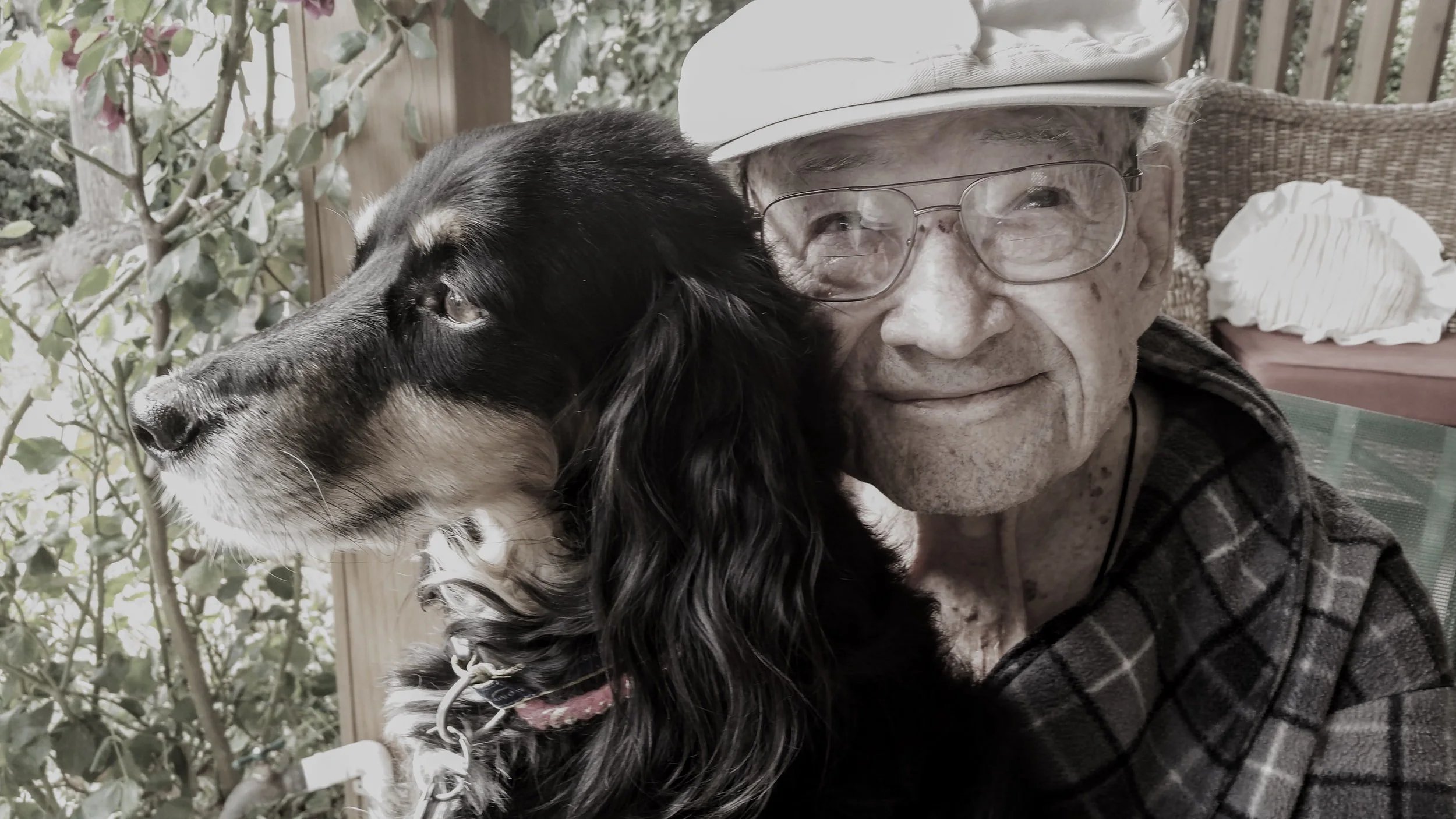
I remember the exact sound of the garage door in our Edina house before dawn, that low rolling clatter that means the day is “official.” For forty-two years, my life ran on schedules, route maps and the belief that if the mail moved on time, people were okay. I carried that belief into retirement like it was a stainless-steel travel mug, useful, familiar and always within reach.
Years ago, I thought wealth looked like a watch you could hear when it hit the table. It looked like leather seats, a nice pen, a crisp suit and a clean line of credit. I worked in postal processing operations, so I saw every kind of package come through. You learn fast that plenty of people buy expensive things and plenty of people feel nervous while doing it.
On a Thursday morning at The Original Pancake House on France Avenue, I watched a man in the booth across from ours take a call. He was polite. He was calm. He said, “I’ve got time,” like he meant it. His jacket looked ordinary, his phone looked normal and he carried himself like he had a steady floor under his feet. I noticed myself watching him the way I used to watch a conveyor belt when something sounded off.
My wife, Laura, would say I have a talent for turning every room into a checklist. She has been saying it since at least 2011, back when I worked too much overtime and our house felt like we were sharing space instead of sharing a life. In 2012, we went to couples counseling in St. Louis Park and I learned a phrase that still stings in a useful way, “You are very helpful and hard to find.” Back then, I thought being helpful was the whole job.
These days, I walk our yellow Lab, Wally, at Centennial Lakes Park every morning at 6:25 a.m. One loop if the wind hurts your face, two loops if the sidewalks are decent. The park is a good classroom because you see people when they are unpolished. You see who looks around. You see who slows down to talk to a neighbor. You see who stays tense even on a pretty morning. And you start to notice that some people signal wealth without a single flashy object.
I’ll be honest, that realization made me feel a little foolish. I spent years thinking the world sorted itself by price tags. Then I started noticing something else, the quiet habits that say “I belong,” and the way those habits can be invisible if you are trained to look for shiny things.
My old rule: if it’s expensive, it counts
There was a time when my rule was simple, the bigger the cost, the bigger the status. I came up in a work culture where you earned respect through output. You hit the numbers, you made the trucks, you kept people safe. In that world, a visible result matters. You do the thing, you show the thing, people nod.
I admit I took that logic into regular life. I would walk into a graduation party, spot the nice car in the driveway and think I had the social map figured out. I would sit down and offer help, “Need me to handle the cooler?” or “I can pick up ice,” and feel like I had contributed. My daughter Megan, who lives in St. Louis Park, has been gently trying to get me to stop doing that for years. She wants real conversation and quick honesty and I tend to lead with logistics like it’s my native language.
One Sunday evening during my “reset hour,” I was re-stocking batteries and adjusting the color-coded calendar on the fridge and Laura said, “You look busy and you feel far away.” She has a way of landing the plane without apologizing for the turbulence. I wanted to say, “I’m on it,” which is my old code for “I’m anxious.” Instead I tried the new sentence I’ve been practicing, “I feel unsettled. I keep thinking I missed something.” The kitchen got quiet and somehow that quiet felt like progress.
Psychologically, that old rule made sense for me. When you grow up and work in systems, you trust what can be measured. A watch, a car, a big renovation, these are clean signals. You do not have to risk yourself emotionally to interpret them. You also do not have to ask questions and asking questions is where I tend to get sweaty.
But then you retire. You walk the same loop around Centennial Lakes Park. You stop by the Southdale library to pick up a hold. You watch people and you realize many high-status signals live in behavior, pace and comfort with certain spaces. You can buy a fancy coat. You also can’t buy the ease of someone who feels at home anywhere.
My friend Angela Park, the straight talker from my USPS years, once told me over coffee, “Reid, you treat consistency like love.” She meant it kindly. She also meant it as a challenge. Because consistency can be loving and it can also become a hiding place when you use it to avoid being seen.
1. They signal time and they look unhurried
I remember standing near the entrance to Minneapolis-St. Paul International Airport, Terminal 1, waiting for Laura to finish in the restroom. Old work-travel muscle memory kicked in and I started scanning the area like I was still trying to make a connection through Chicago O’Hare in a snow delay. That’s when I noticed a couple about my age walking slowly, almost stubbornly slow. They were not lost. They were not late. They looked like they had planned for time.
The thing is, time is one of the clearest signals in modern life. Plenty of people have money and still live like they are about to be caught. They rush, they check their phones every ten seconds, they stack errands like plates. When someone looks unhurried, you sense they have room in their day and room in their mind. That’s a kind of wealth.
On my Lake Harriet solo loop, I started practicing something that felt almost rebellious. I leave my phone in my coat pocket for part of the walk. I still check it, I’m not a monk, but I practice letting the world exist without my constant monitoring. When I do that, my shoulders drop. My breathing gets less shallow. I stop scanning for what might go wrong. I become a person walking a dog, not a manager tracking a system.
You can see time signaling in small choices. People who feel secure in their time sit down when they eat. They take calls in a way that sounds calm. They pause before answering a question. They say “Let me think on it,” and it comes out as thoughtful instead of evasive. I used to think pausing meant you were unprepared. Now I think pausing often means you trust yourself.
Years ago at work, urgency was useful. In retirement, urgency can become a habit you carry like a heavy bag you forgot to set down. When you notice someone moving steadily, you are watching a nervous system that feels safe. That safety can come from money and it can also come from support, predictable routines and experience. Either way, it reads as “I belong here.”
Sometimes I try to borrow that signal. At the Original Pancake House, I put my phone face down and wait until my coffee arrives before I check anything. It’s a small discipline. It also teaches my body that being present can be a status of its own.
2. They spend on learning and health like it’s maintenance
My shoulder surgery in April 2018 taught me an unglamorous truth. You can be strong and still need help. Tom Jensen drove me to early PT appointments because I couldn’t safely drive for a while. I hated needing the rides. I also remember the surprising comfort of knowing someone would show up, no drama, no guilt, just a steady friend with a reliable car and a “you ready?” kind of tone.
That period changed the way I think about spending. I used to view health spending as something you do when things go wrong. Now I see the people who treat health like routine maintenance, the way I used to treat machine checks in a processing plant. They schedule the physical therapy. They keep the dental cleanings. They do the swimming. They keep up with the boring stuff before it becomes exciting.
Tuesdays, I swim laps at the Edina Aquatic Center. In winter it’s indoors, the air smells like chlorine and determination. At first, I felt self-conscious, like everyone could tell I was new at being a retiree with a swim cap. Over time, I noticed a pattern. The folks who seemed most grounded were not showing off. They were steady. They were there often. They chatted briefly, then got back to work.
Learning can work the same way. I take golf lessons at Braemar Golf Course practice range with Coach Matt Olson. I’m a beginner in the ways that matter, which is humbling at 72. People with quiet confidence often pay for instruction and accept the slow progress. They do not need to prove they already know. They act like learning is part of belonging.
If you grew up thinking money equals “nice stuff,” this can be a shift. Quiet wealth often looks like a calendar with recurring appointments that protect your body and expand your skills. It looks like long-term thinking. It looks like someone who respects the future version of themselves enough to show up today.
For me, it also looks like saying yes to Laura a little faster. She likes theater nights and travel. I like a cash buffer and backup plans. When I invest in experiences with her, I feel my old control habits loosen. I’m learning that preparedness can live alongside connection and connection tends to keep you healthier than another labeled storage tote ever will.
3. They buy convenience, then keep their pace steady
Saturday mornings at Costco in Eden Prairie are my natural habitat. Doors open, carts rattle and my brain lights up like a control room. I know where things are. I can predict the bottlenecks. I can complete the run, get gas and be home before most people have found their left shoe. Efficiency is my comfort food.
Then I started noticing something. Some people clearly buy convenience and they do it without turning the whole outing into a sprint. They use delivery services. They pay for help. They choose the option that reduces friction. Then they keep their pace steady anyway. They do not use convenience to pack more chaos into the day.
That’s a big difference. Plenty of us save time and immediately spend it on more tasks. You end up living in a constant state of “catching up.” Quiet wealth often shows up as choosing convenience and then protecting the open space it creates. The space seems to matter as much as the service itself.
I saw it with a neighbor, Priya Raman, during a quick driveway check-in. She mentioned having groceries delivered during a busy week with her parents’ appointments. She said it like she was describing the weather. No big story. No apology. She also mentioned taking a longer evening walk anyway. That part stuck with me. Convenience supported her life and her life stayed human-sized.
I’ve been practicing this at home. If Laura wants takeout, I try to let it be takeout. I try to avoid turning it into a research project with three backup plans. We eat, we talk and the kitchen stays a little messy. I can hear my old self complaining and I can also feel my marriage breathing easier.
When you watch for it, you realize this is a signal of resource and also a signal of self-trust. If you believe your time matters, you spend money to protect it. Then you actually enjoy the protected time. That enjoyment reads on your face.
4. Their basics fit well and the logos stay quiet
I used to think people with money would announce it. I expected shiny. I expected obvious. Then I started paying attention to the basics. Shoes that look broken in and still clean. Coats that hang well. Pants that fit like they were chosen on purpose. Nothing flashy, just quiet quality that lasts.
At the Southdale Target, I watched a man about my age compare two sets of plain white T-shirts. He picked one, shrugged and moved on. He did not scan for the “best deal” like it was a sport. He also didn’t choose the most expensive option for the thrill of it. He looked like someone who has made that choice before and trusts it. It was almost boring, which is kind of the point.
My own closet has always been practical. USPS management taught me to dress for early mornings, safety vests and the chance of a spilled coffee. In retirement, I’m still drawn to clothes that can handle a surprise snow squall at Centennial Lakes Park. The shift for me has been letting myself buy fewer things and buy them better, without the emotional speech about whether I “deserve” it.
Logos can be a loud language. Some people speak it fluently. Others prefer a quieter dialect. Quiet wealth often signals through fit, fabric and restraint. You might not notice it at first. Then you notice it everywhere.
This one also ties into identity. When you feel secure, you don’t need your shirt to do the talking for you. You can let your choices be understated and consistent. You can let your presence carry the message.
I’ve started trying to apply that idea to my emotional life too. When Megan tells me something hard, I practice staying steady. I practice letting my face show care. I practice holding back the impulse to “fix.” It’s a kind of fit and finish for the inside.
5. They talk in tastes and references and people nod along
I remember a dinner years ago where someone mentioned an artist, then a small museum exhibit, then a book I had never heard of. The conversation kept moving and I smiled and nodded like a dashboard bobblehead. I felt like I was watching a tennis match in a language I didn’t speak. Later, I went home and reorganized the garage. That’s my tell.
People who share the same cultural references often recognize each other quickly. They talk about restaurants, travel spots, books, or even small details like the best time to visit a certain neighborhood. It can sound casual, even accidental. Underneath, it often reflects exposure, education and the freedom to spend time in those worlds.
This is where my “One Bus, One Museum” tradition with the grandkids has been quietly changing me. Nora, my museum kid, asks precise follow-up questions. Eli makes loud observations that somehow cut straight to the point. When I take them to the Science Museum of Minnesota or the Minneapolis Institute of Art, I learn the language of looking. I learn how to stand in front of something and just let it work on you.
You can build cultural comfort over time. You can also feel excluded by it, especially if you grew up valuing productivity over leisure. I spent decades focusing on what was necessary. Now I’m learning that “necessary” includes joy, curiosity and shared experiences. Laura figured that out a lot earlier than I did.
When you hear people talking in tastes and references, it’s tempting to judge it as pretentious. It’s also useful to see it as a social signal, a way of saying “we’ve been in the same rooms.” If you want to join that conversation, you can. Start small. Read one book. Visit one museum. Ask one sincere question.
Tess, my youngest, sends photos from her daily life in Saint Paul. A coffee shop mural, a bookstore display, a funny sign on a walk. Those pictures are tiny invitations into her world. When I respond as myself instead of as a planner, we build shared references. It turns out you can create cultural capital at home, one text at a time.
6. They make introductions like it’s normal
One of the most underrated forms of wealth is social ease. I’m not talking about being loud. I’m talking about being comfortable connecting people. “This is my friend,” “You two should meet,” “Call her, she’ll know.” Some folks do that like breathing.
I used to treat introductions like a burden. It felt like responsibility. If I connected two people and it went awkward, I imagined it would be my fault. That’s my old manager brain. I wanted clean outcomes. I wanted proof that the system worked.
At Second Harvest Heartland, where Darryl McNeil got me into volunteer shifts, I saw introductions done well. Volunteers would greet a newcomer, give a quick tour and casually connect them with someone who could answer questions. No fuss. No performance. The message was simple, “You’re part of this now.” That’s a powerful signal.
For people with resources, networks often grow naturally. School connections, work connections, community board connections. Over time, those networks create opportunities that look like luck from the outside. If you’ve ever wondered why some people seem to glide into jobs, clubs and invitations, introductions are part of it.
I’ve been practicing at a small scale. At the library pickup shelf, if I see someone looking confused, I’ll say, “First time here? The holds are over there.” If I run into a neighbor, I’ll mention Priya’s dog and my Wally in the same breath and sometimes the dogs do the social work for us. These are small introductions. They still matter.
And in my own family, introductions can be emotional. When Laura says, “Tell Megan how you felt,” she is asking me to introduce my inner world to someone else. That might be the hardest kind. It’s also the one that makes you feel known.
7. They move easily through “official” places and processes
I spent my career inside systems. Badges, procedures, compliance, chain of command. I can read a form the way some people read poetry. It’s not romantic, but it’s familiar. So when I say some people move easily through “official” spaces, I mean it literally. They seem calm at the bank. They ask clear questions at the clinic. They handle school paperwork without spiraling.
That ease can come from money, because money buys help. It can also come from experience and education, because you learn the language of institutions. Either way, it reads as belonging. You can feel it when someone steps up to a counter and speaks with confidence, not aggressive, just steady.
My borderline blood pressure reading at my October 2024 physical nudged me into a new kind of official place, the ongoing health system. Follow-ups, tracking sodium, daily walking. I found myself wanting to treat it like a project. Spreadsheet. Reminders. Backup plans. The whole Reid Sunderland package.
Then I noticed something in the waiting room. A man about my age chatted with the receptionist. He asked one question, wrote down one note and put his pen away. He looked like he trusted that the process would work with him, not against him. That kind of ease is partly personality and partly social conditioning.
If official places make you tense, you can build your own ease. Bring a list of questions. Ask someone to come with you. Practice saying, “I need a minute.” Practice being polite and clear. Those are learnable skills.
I’m trying to use my system comfort in a better way. Instead of using it to control, I use it to support. If Laura has a knee follow-up, I handle the logistics and I also ask her how she feels about it. I want my steadiness to feel like love, because it is.
8. They give time to other people and it changes how time feels
Last year, I took Nora on a “One Bus, One Museum” day and I did something small that felt big. I kept my phone in my pocket except for transit timing. Nora talked about a display like she was narrating a documentary and I listened. I didn’t try to optimize the route through the exhibits. I let her lead. I went home feeling strangely full, like I had eaten a good meal.
Giving time can sound like a soft, sentimental thing. It also has a psychological punch. When you spend time on other people in a focused way, time can feel more abundant. Your day can feel less like it’s slipping through your fingers. That matters in a culture where so many of us feel rushed, even on days when we barely do anything.
With my grandson Eli, time feels louder. He runs. He blurts. He asks questions like, “Why is that guy sad?” in the middle of a museum. When I give him time, I have to slow down my internal narration. I have to stop planning the next move. And I notice my own anxiety easing, which feels like finding a missing set of keys in a coat pocket.
Some people with resources can give time because their schedule has room. Some people give time because they choose it, even when life is tight. Either way, it signals a kind of wealth. It says, “I can be here with you. I can stay.” Many of us grew up treating time as something you hoard. It turns out time grows when you share it well.
I’m practicing this with Megan. When she starts telling me about something complicated, I try to stay in the conversation before I offer solutions. I’ll say, “I hear you,” and I’ll wait. Sometimes she keeps going. Sometimes she pauses. Either way, the air between us feels less tight.
On Sunday evenings, during reset hour, I still do the laundry and check the calendar. Now I also try to call one person without an agenda. Sometimes it’s Colin in Denver. Our best talks happen side-by-side, so I’ll call him while I’m tightening a screw on something in the garage. We talk about tools, then life, then tools again. That counts as intimacy in our family.
9. Their “good choices” show up most when others can see them
I used to assume people made “good choices” because they were simply good people. Some are. Then you watch human behavior long enough and you realize context matters. People recycle more when the bin is visible. People choose certain products more when friends are watching. We all respond to an audience, even when the audience is imaginary.
I noticed this at Centennial Lakes Park. A person will pick up someone else’s trash when they are passing another walker. They’ll smile. They’ll look a little proud. It’s a small social signal, “I’m the kind of person who does this.” That signal can be genuine and it can be strategic. Plenty of things are both.
Years ago, my status signaling looked like work. Long hours. Reliability. A steady voice on stressful mornings. I wanted to be seen as competent. Now I see how status signaling can also wear a “good person” outfit. Certain brands, certain causes, certain public choices. It’s complicated, because doing good is still good. The social layer just adds another motivation.
In wealthier circles, “good choices” can function like a private handshake. You buy the item with the right values attached. You mention the right initiative. You know the right vocabulary. People who share those values recognize each other quickly. People outside the circle might miss the signal entirely.
I’m careful with this one because it’s easy to get cynical. I’ve met plenty of sincerely generous people, including in my own volunteer shifts. I’ve also seen how quickly we all start performing when we feel watched. If you want a practical takeaway, it’s this, you can use visibility to support your values. Put your running shoes by the door. Keep the reusable bag in the car. Invite a friend to volunteer with you. Let the social part help you follow through.
As for me, I’m trying to make my “good choices” quieter and more consistent. Daily walking for my blood pressure. Showing up for Laura when she asks a direct emotional question. Letting silence sit at dinner without filling it with logistics. I used to think belonging came from buying the right object. These days, I think it comes from how you move through a day and whether the people you love can feel you there with them.
Note from Cottonwood Psychology:
At Cottonwood Psychology, we let real authors share their real-life stories and struggles and we explain how these psychological concepts affect us in daily life.
- My shift from watches and obvious “nice things” toward quiet behaviors lines up with what USC professor Elizabeth Currid-Halkett describes as inconspicuous consumption and cultural capital. She says, “Historically, we used material goods to signal status,” and “Today’s elite spend money on things that signify cultural capital,” which can look like education, experiences and health routines. You can read the overview here: USC feature on inconspicuous consumption.
- Social class shapes day-to-day behavior in ways that feel invisible until you start watching pace, comfort and conversational style. In an Annual Review of Psychology article, Nicole M. Stephens, Hazel Rose Markus and L. Taylor Phillips describe how “ongoing participation in different social class contexts also gives rise to culture-specific selves and patterns of thinking, feeling and acting.” That helps explain why some people seem to “belong” in certain rooms, because they have spent years practicing the same cultural scripts. Source: Annual Review of Psychology on social class contexts.
- The “time” signal I noticed, moving unhurried and protecting space in the day, connects with the idea that time can feel abundant or scarce in your mind. In a Psychological Science study, Cassie Mogilner, Zoë Chance and Michael I. Norton found that “spending time on others increases one’s feeling of time affluence,” and that “people’s subjective sense of time affluence can be increased.” That matches what I feel after a “One Bus, One Museum” day with my grandkids. Source: PubMed record for the time affluence study.
- My observations about “good choices” showing up more in public fits research on how our motivations shift when we feel watched. In a Journal of Personality and Social Psychology study, Vladas Griskevicius, Joshua M. Tybur and Bram Van den Bergh reported, “Activating status motives led people to choose green products over more luxurious nongreen products,” and “status motives increased desire for green products when shopping in public (but not private).” This helps explain why values-based choices can also function as social signals. Source: PubMed record for the conspicuous conservation study.
- If you recognize yourself in my “preparedness equals love” habit, a helpful next step involves building small, repeatable moments of presence. In my story, those moments include walking Wally without checking my phone, staying in the conversation with my daughter before offering solutions and scheduling health habits like maintenance. Those routines create stability in your nervous system and give relationships more room to feel safe.