


I was sitting on a folding chair at a community center when someone older than me said, “After 65, my days needed a beat.” They said it casually, like they were talking about coffee. Then they listed three hobbies and each one sounded almost too small to matter.
On the drive home, I kept thinking about that word, beat. I know the feeling of days that blur together. I also know the kind of tired that makes big plans feel like chores.
A few weeks later, I ran into that same person again. They were holding a tote bag with yarn poking out the top. They looked steady in a way I couldn’t explain yet, like their nervous system had a place to land.
I went home and tried to copy the idea in a simpler way. I picked one small hobby for my hands, one for my mind and one that got me out the door. The first week felt awkward. The second week felt familiar.
There was also an emotional surprise. When my day had a hobby shaped “next,” my worries stopped filling every empty space. I still had problems. I also had a small reason to keep moving through them.
When I hear friends talk about retirement or aging parents, I think about that tote bag. I think about how a hobby can turn time into something friendlier. You end up with a day that holds you, even when your mood wobbles.
Why hobbies soothe your mind
I remember watching my neighbor, who is well past 65, set up a tiny watercolor kit on their porch. Five minutes in, their shoulders dropped. The phone stayed inside. The whole scene looked quieter than the rest of the street.
The thing is, your brain loves a clear, gentle focus. Hobbies give you a target that feels safe. Your attention moves from looping thoughts to simple choices, like color, rhythm, or texture. That shift can feel like a steady pulse inside the day.
Researchers have found links between hobby engagement and better well-being in older adults. One large study in Nature looked across multiple countries and found hobby participation lined up with higher happiness and life satisfaction. Results like that fit what many people notice in real life.
Years ago, I thought “self-care” had to be a grand plan. I tried perfect routines and long lists. A hobby taught me something gentler. It can be a micro-joy that shows up on ordinary days.
Hobbies also create emotional spacing. When you have a regular activity, your mind gets practice switching gears. That practice matters. It makes stress feel less sticky and it makes calm easier to access.
When someone tells me they feel restless at night, I ask one question. What did your hands and mind do today that felt simple and satisfying? A hobby often becomes the answer they didn’t expect.
A hobby gives your day a “next step”
One afternoon, a friend told me their retired parent started baking bread. It began with a single loaf. Then there was a notebook with notes about yeast and crust.
A hobby creates a gentle storyline. Your day gets a beginning, middle and next step. That structure can feel comforting, especially when work schedules fade or family routines change.
I’ve noticed this in my own life too. When I have a hobby waiting, I waste less time negotiating with myself. I don’t need a big pep talk. I just need to begin.
Psychology often talks about goals and rewards and hobbies fit this naturally. You pick a small aim, you try, you adjust and you get feedback. Even tiny progress can feel like a bright dot on the calendar.
Try thinking in steps instead of outcomes. Step one could be laying out supplies. Step two could be ten minutes of practice. Step three could be putting everything away with care. Those steps build tiny wins that your brain remembers.
Small hobbies for low-energy afternoons
There’s a specific kind of afternoon slump that hits when you least expect it. You sit down for a “minute,” and suddenly the day feels heavy. I’ve had days like that where even fun sounds like effort.
My neighbor, the one with the porch paints, gave me a tip. Keep a low-energy hobby within arm’s reach. They had a basket with a puzzle book, a pen and a small stack of postcards.
Low-energy hobbies work best when the setup is simple. Think about activities that start fast. A few examples include sorting photos, folding origami with pre-cut squares, doing a word search, or watering houseplants.
Sometimes I choose a hobby that feels like tidying, but with a heart. I’ll organize recipe cards or fix a loose button. It gives me a sense of order without demanding a lot of stamina.
Here’s a helpful question: what hobby feels like a soft chair, not a mountain? Your answer can change by season. It can also change by mood.
If you’re supporting someone older, offer two choices, not ten. Too many options can drain energy. Two options can feel friendly and doable.
The quiet confidence that comes from getting better
I once watched an older man at the park practice the same guitar chord for almost an hour. Nobody clapped. Nobody judged. He just kept going, patient and focused.
Getting better at a hobby builds a special kind of confidence. It’s private at first. It grows from noticing your own progress, even when life feels uncertain in other areas.
When you practice, your brain is collecting proof. You can learn. You can adapt. You can keep going after a messy first attempt. Over time, that becomes an identity anchor.
I admit I used to quit too early. If I wasn’t good fast, I’d drift away. Later, I realized my quitting was often about discomfort, not ability.
Skill growth also protects your self-image. You start seeing yourself as someone who shows up. That story can spread into other parts of your life, like relationships and health habits.
Social hobbies that make it easier to connect
My friend once invited me to a small book club. I almost said no, because I didn’t know anyone. I went anyway and within ten minutes someone asked what I was reading lately.
Social connection can feel tricky in later life. People move. Schedules change. Friend circles shift. A social hobby gives you a place to meet, plus an easy topic to start with.
Look for hobbies with light conversation built in. Community gardening, walking groups, choir, volunteering at an animal shelter and craft circles work well. The activity lowers social friction because you’re not staring at each other the whole time.
One person I know who is over 65 joined a weekly board game night at a library. They told me the best part was the routine. Even a quiet week still included laughter.
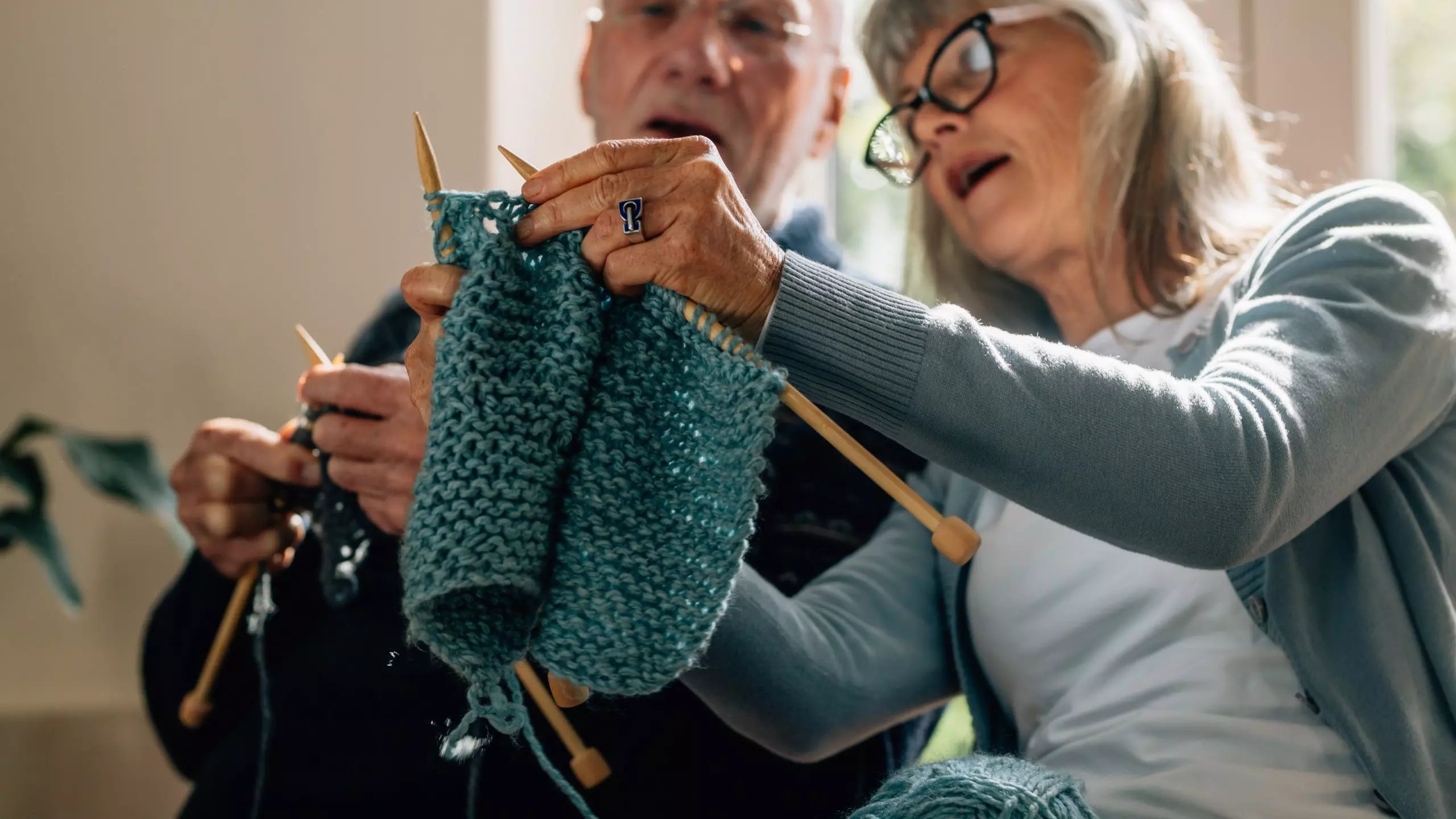
If social settings feel intense, choose a “side-by-side” hobby. Cooking classes, birdwatching and knitting circles let you participate while focusing on a shared task.
You also get a healthy bonus. Social hobbies create little moments of being seen. Over time, that can steady your mood and your sense of belonging.
Hands-on hobbies that bring you into the moment
There’s something about using your hands that changes your breathing. I notice it when I knead dough or sand a rough edge on a piece of wood. My thoughts slow down because my fingers need attention.
Hands-on hobbies pull you into your senses. You feel texture, pressure and movement. That sensory focus can create hands-on calm, especially on days when your mind feels busy.
One afternoon, I tried a simple clay kit at the kitchen table. The results were lopsided. I still felt proud, because I stayed with the process.
Hands-on options can be gentle. Try jigsaw puzzles, knitting, whittling soap, arranging flowers, or building small models. Even simple food prep can become a hobby when you treat it like a craft.
If you’re choosing for an older adult, pay attention to comfort. Bigger tools, good lighting and supportive seating can make the hobby feel easier. Comfort supports consistency.
Nature hobbies that lift your mood fast
On a day when my mood was low, I walked around the block and looked for birds. I didn’t even know their names. Still, I came home feeling lighter.
Nature hobbies give your attention a gentle place to rest. You scan leaves, clouds and movement. You notice patterns. This kind of focus can make worries feel smaller.
My neighbor told me their favorite hobby is “porch weather.” They sit outside with tea and write two lines about the sky. It sounds simple. It also turns into green time that refreshes the mind.
Try easy nature hobbies like container gardening, short walks with a camera, feeding birds, or learning three local trees. You can also keep a tiny “season journal” with one sentence a day.
If mobility is limited, a window counts. A balcony counts. A single plant on a sill counts too. The goal is contact with life outside your usual walls.
Learning hobbies that keep your curiosity awake
Years ago, I signed up for a language app and quit after four days. Then I met someone in their seventies who was learning Italian for fun. They said they liked how it made their brain feel “sparkly.”
Learning hobbies give your mind a fresh pathway. They encourage questions, repetition and small discovery. You get a curiosity loop that keeps the day interesting.
I tried again, this time with a smaller plan. Ten minutes after breakfast. That was it. Within a month, I could recognize words on menus and in songs.
Learning does not need to be intense. Try podcasts on a topic you love, beginner classes at a community college, or tutorials for photography. You can also learn local history or family recipes.
A helpful trick is to connect learning to your life. If you like cooking, learn spice history. If you like walking, learn bird calls. Your interest becomes the fuel.
Many older adults enjoy learning with others. A class adds structure and social support, plus the fun of shared “aha” moments.
Creative hobbies that help emotions move through
One evening, I was irritated for no clear reason. I opened a notebook and wrote a messy page of thoughts. When I finished, my jaw unclenched. It felt like my body got the message.
Creative hobbies give feelings a place to go. Drawing, journaling, music and collage help you express what you might not want to say out loud. Over time, creativity can become an emotional release valve.
I’ve also seen this with someone older in my life who started making photo collages after a loss. They didn’t talk much about grief. They showed me pictures they had arranged with care and their eyes looked calmer.
Creative does not need talent. It needs permission. Set a timer, pick a simple tool and make something small. A few lines, a few colors, a few chords.
If you get stuck, borrow a prompt. “Today I noticed…” works well. So does “If my mood had a color…” Prompts give your mind a starting point.
Gentle movement hobbies that feel doable
I once joined a stretching class that was aimed at older adults. I was younger than many people there and I was still one of the stiffest. Nobody cared. Everyone smiled and kept going.
Movement hobbies support mood in a very practical way. Your body moves, your breathing changes and you feel more awake afterward. You also build gentle momentum that can carry into the rest of the day.
Look for movement that feels friendly. Walking, tai chi, swimming, chair yoga and light dancing are common choices. Gardening also counts, especially when it includes squatting, reaching and carrying light tools.
I like hobbies that give movement a purpose. A walk becomes a “photo walk.” Stretching becomes a “music stretch.” Purpose makes it easier to return.
If someone has concerns about safety, encourage them to choose supportive settings. A class with a trained instructor can help. A well-lit path can help too.
How to pick a hobby that fits your real schedule
The last time I tried to “start a new hobby,” I made a huge plan. I bought supplies. I watched videos. I cleared a weekend. Then life happened and my hobby sat in a bag like a guilt reminder.
A hobby fits best when it matches your actual rhythms. Think about when you have energy. Some people feel best in the morning. Others come alive after dinner.
Try a simple filter: start time, setup time and cleanup time. If setup feels heavy, the hobby will struggle. A good hobby often has calendar kindness, meaning it can live in small pockets of time.
My friend’s retired parent chose a hobby that starts in two minutes. They keep their supplies on a tray. The tray comes out and the hobby begins.
Choose one “home hobby” and one “out hobby” if you can. Home hobbies support quiet days. Out hobbies help you stay connected to the world.
If you’re helping an older adult choose, start with what they already like. Music lovers often enjoy choirs or playlists. Food lovers often enjoy cooking clubs or recipe swaps.
Simple rituals that help a hobby stick
One small ritual changed everything for me. I started making tea before I did my hobby. The tea became a cue and my brain began to expect the next part.
Rituals work because they reduce decision fatigue. You stop debating and you start doing. A ritual can be as simple as lighting a lamp, opening a notebook, or putting on a specific playlist.
I’ve seen this with older neighbors too. One keeps their walking shoes by the door. Another keeps a puzzle on a card table, ready to go. The environment becomes a gentle helper.
Pick a time “anchor” that already exists. After breakfast. After the midday news. Before you call a friend. Anchors connect your hobby to something you already do.
Keep the barrier low. If you need to hunt for supplies, your ritual breaks. If everything is ready, your hobby becomes the easy choice.
When motivation dips, use the tiniest version
I’ll be honest, I still have days where I don’t feel like doing my hobby. On those days, my brain offers convincing excuses. I’ve learned to answer with something smaller.
The smallest version is powerful. Two minutes of guitar. One paragraph in a journal. Five stitches in a scarf. This two-minute version keeps the habit alive.
My neighbor once told me they have a rule for painting. If they feel stuck, they paint one square inch. They said the hardest part is starting and the rest often follows.
Motivation likes evidence. When you show up in a tiny way, you build trust with yourself. You also avoid the “all-or-nothing” trap that makes hobbies fade.
Try keeping a “minimum list” on a sticky note. One song. One page. One lap. Minimums make the day feel successful.
Over time, small sessions add up. You end up with practice, progress and a calmer relationship with your own energy.