


I remember walking into a classic big-box store with a friend who is older than me and feeling my shoulders rise before I even grabbed a cart. The entrance was loud. The lights were sharp. The aisles looked endless, like a hallway that never stops.
My friend moved with this calm confidence. They pointed without thinking, like the place had invisible signs only they could see. “Housewares is back there,” they said, already turning the corner. I was still scanning for the basics, bathrooms, exits and the shortest path out.
Halfway down an aisle, I caught myself doing something I do when I’m stressed. I tightened my grip on my phone, like it was a handle. I told myself I was just checking a list. The truth was simpler. I wanted control.
A few minutes later, we passed a younger shopper, maybe Gen Z, who looked like they were speed-running the place. Earbuds in. Eyes down. Quick, sharp turns. They reminded me of how I walk in unfamiliar neighborhoods, focused and protective.
On the drive home, I kept thinking about the gap between those two shopping styles. One felt like settling in. The other felt like getting through. It made me curious about what “comfort” means when you’re surrounded by choices, noise and people.
Over time, I started seeing stores as emotional spaces. Your brain is reading signals all the time. Safety, pressure, belonging, judgment. Shopping starts looking like a quiet psychology test you never signed up for.
The “I know where everything is” effect
There’s a certain kind of ease that shows up when someone has shopped the same store for years. I’ve watched an older neighbor glide through a grocery store like they’re following a well-loved recipe. They rarely pause and they rarely second-guess.
When you know where everything is, your brain gets a break. Familiarity becomes a familiarity cue that says, “You’ve done this before.” That can lower stress, because you spend less energy searching, comparing and recalculating.
I notice this in myself at the small local market I visit often. My feet take me to the same aisle before my mind catches up. Even my breathing feels different there. I walk slower and I look at people’s faces.
Sometimes Gen Z shoppers have a different relationship with “knowing.” Many have grown up with search bars, maps and filters. The comfort comes from finding fast, not from remembering where the ketchup lives.
If you shop with someone from another generation, you can use this gently. Let the “store expert” lead for a bit. Then take a turn leading too. Shared routes can become a soft way of sharing trust, especially when you both want a smoother trip.
When store layouts feel like a maze
Years ago, I got stuck in a store that had been “remodeled for a better flow.” That’s what the sign said. I walked in for one item and ended up doing a full lap like I was trapped in an airport. By the time I found what I needed, I felt oddly irritable.
Layouts shape mood because they shape effort. A confusing layout raises cognitive load, which is the mental effort it takes to process what’s happening. Your brain starts working overtime, even if you’re only buying socks.
Some people enjoy wandering. Others feel exposed when they don’t know the rules of the space. If you’re younger, a “maze” can feel like a social stage. You might worry about moving slowly, standing in the way, or looking lost.
One time I asked an employee where something was and realized I had practiced the question in my head. That surprised me. I wasn’t afraid of the person. I was trying to avoid the feeling of being the confused one.
You can make a maze easier with tiny tools. Pick a landmark, like the pharmacy or the produce section. Create a simple loop. When you give yourself a path, you build a calmer internal map, even in a store that keeps rearranging things.
Why bright lights can spike your stress
I admit I used to think lighting was just lighting. Then I walked into a store on a day when I was already tired. The bright overhead glare made my eyes feel gritty. I caught myself squinting at labels and rushing my choices.
Bright lights, loud music, beeping scanners and crowded aisles can add up to sensory overload. Your nervous system has to filter a lot at once. When the filter feels stretched, your patience can shrink.
Some Boomers seem practiced at tuning it out. They might have shopped in similar environments for decades, so their brains treat the stimulus as background. That learned familiarity can feel like armor.
Meanwhile, plenty of younger shoppers curate their environments all day. They control sound with earbuds and control light with screens. A loud store can feel like losing your settings all at once.
Try a simple experiment next time. Notice your body before you enter. Then check in again after ten minutes. If you feel tense, plan shorter trips, quieter hours, or a quick break outside. That’s practical self-awareness and it helps anyone, any age.
The nostalgia pull of older brands
My friend once picked up a familiar brand of cookies and smiled like they’d just found an old photo. They didn’t read the ingredients. They didn’t compare prices. They just put it in the cart, relaxed and sure.
That’s the nostalgia effect in action. Familiar brands carry memories. They can remind you of family kitchens, school lunches, or road trips. Those feelings can add warmth to a shopping trip that might otherwise feel cold.
I’ve had my own version of this with a basic household item. I grabbed the brand my family always bought and I felt oddly safe. It was a small comfort and it landed fast.
For Gen Z, nostalgia still matters and it can look different. It might be a brand linked to early social media, a childhood snack, or a thrift-store find that feels unique. The comfort comes from identity and from recognizing yourself in what you choose.
If you want to understand someone’s cart, ask a gentle question. “Did you grow up with that?” can open a whole story. Shopping becomes less about products and more about memory, which is a powerful kind of connection.
Coupons, deals and the reward loop
There was a time when I watched someone I care about pull out a thick envelope of coupons at the register. The cashier barely blinked. The line behind us did. I felt my cheeks heat up, like I was the one holding the scissors.
Deals can create a real emotional lift. You hunt, you find, you win. Psychologists often talk about rewards shaping behavior and shopping deals can act like variable rewards. You never know which trip will deliver the best score.
For many Boomers, couponing and sale-watching can also feel responsible. It’s a way of caring for a household and stretching a budget. The satisfaction is practical and personal.
For many Gen Z shoppers, deals still matter. The delivery can feel different. Apps, promo codes and price trackers can feel private and fast, which fits a world where time and social energy both feel scarce.
If you get stressed around deals, try choosing one method that fits you. Maybe it’s one store app. Maybe it’s checking sales once a week. When your system is simple, you keep the reward without turning every aisle into a math test.
Checkout small talk and social energy
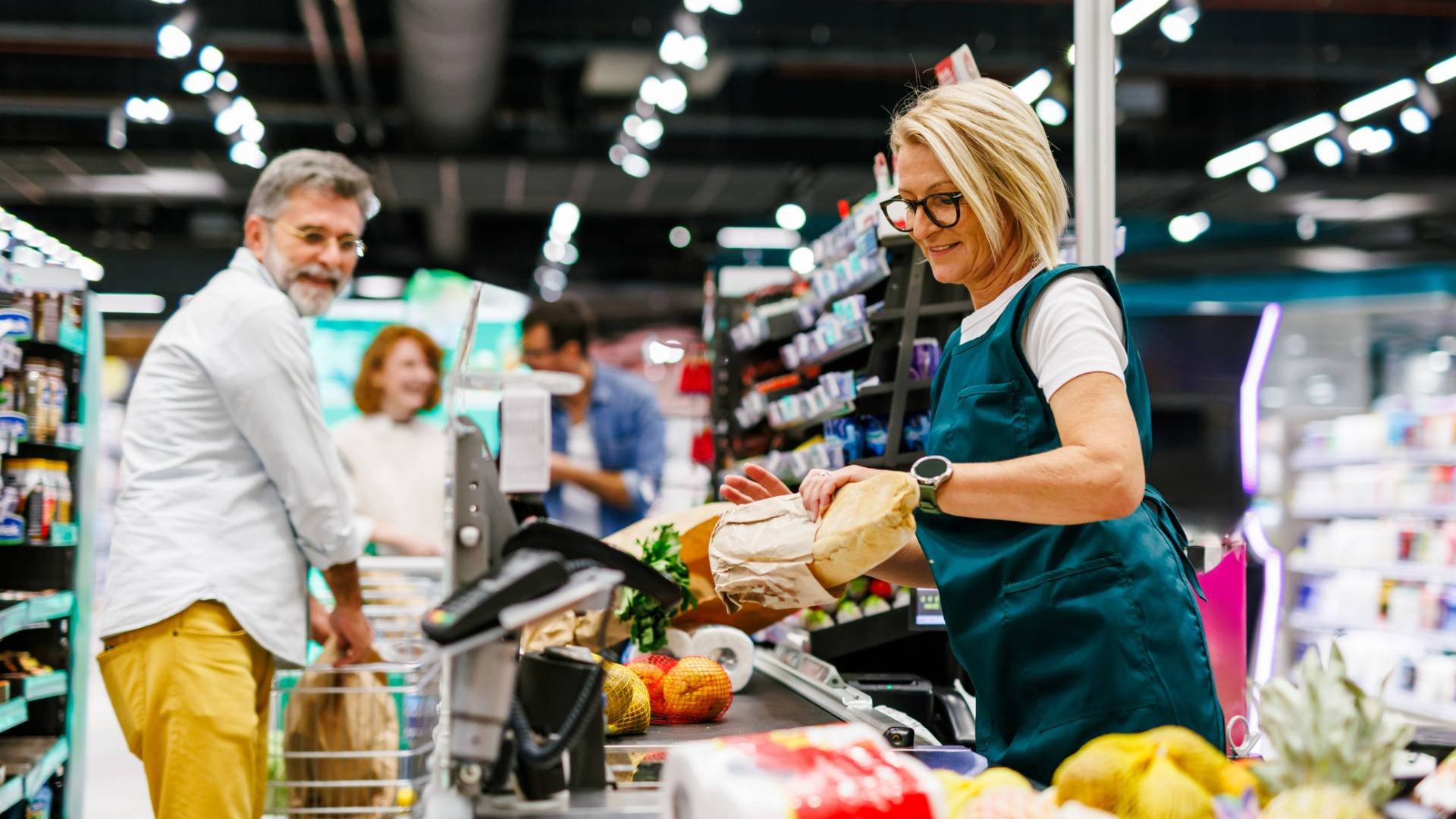
I once stood behind an older shopper who chatted with the cashier like they were catching up at a neighborhood barbecue. They asked about the cashier’s day, commented on the weather and laughed at a tiny joke about bagging bananas. I felt torn between warmth and impatience.
Checkout is a social moment and it costs social battery. Some people feel energized by those small interactions. Others feel drained, especially after navigating a crowded store.
I’ve noticed my own mood changes depending on the day. If I’m already overstimulated, a friendly comment can feel like one more task. If I’m lonely, that same comment can feel like a lifeline.
Gen Z often navigates constant micro-interactions online, even when they’re alone. In-person small talk can feel higher stakes. Your face is visible. Your reaction is immediate. It makes sense that some younger shoppers aim for speed and silence.
You can make checkout kinder for yourself and others. Keep your script simple. A smile, a “thank you,” and one short line can still feel human. You get connection without forcing a full conversation.
What “good service” means at different ages
It took me a while to notice this, but people carry a “service expectation” into stores like a hidden checklist. I saw it when an older relative asked for help finding an item and seemed genuinely disappointed when the employee pointed from far away.
“Good service” often means different things across generations. Some people value staff who approach quickly and guide you through choices. Others value space, speed and the freedom to browse without interruption.
I’ve been on both sides. One day I wanted someone to help me choose a product, because my brain felt fried. Another day I wanted to disappear into the aisle and make my decision quietly.
Stores also train us with a service script. Some places feel formal, with greeters and helpers. Others feel self-directed. When your expectations and the store’s vibe match, you feel calmer.
If you’re shopping with someone who gets frustrated, try translating needs instead of debating them. “They’d like a bit more guidance,” or “They prefer to browse solo,” can smooth the moment. That keeps everyone’s dignity intact.
Privacy comfort and the appeal of self-checkout
I had a self-checkout machine scold me once. It repeated “unexpected item” so many times that I started laughing, then I got embarrassed about laughing. A stranger next to me smirked and I suddenly wanted to evaporate.
Self-checkout offers privacy comfort for a lot of shoppers. You control the pace. You avoid small talk. You also skip the feeling of someone watching what you buy, even if the cashier truly doesn’t care.
At the same time, self-checkout can raise stress for people who prefer human help. The machine feels impatient. The rules feel strict. The line behind you can feel like a spotlight.
I’ve watched Boomers react in both directions. Some love the independence. Others want a person to step in fast when something goes wrong. That preference often comes down to whether you feel supported when you hit a snag.
If self-checkout makes you tense, pick a low-stakes moment to practice. Buy a few items at a quiet hour. If it goes smoothly, your brain stores a new memory. That can make the next trip feel easier.
Online shopping as a control move
A friend in their early twenties once told me they order basics online because stores feel “too loud.” They said it casually, like describing the weather. Then they added that online shopping helps them stick to a plan, which sounded like relief.
Online shopping can offer micro-control. You can filter, compare and pause. You can shop without fluorescent lighting, without long lines and without the pressure of an aisle traffic jam.
I’ve leaned on online shopping during busy seasons. My cart felt like a quiet room where I could think clearly. I also noticed a downside. It got easier to avoid the outside world, even when I needed a little human contact.
Researchers also study what people buy online and how that changes across groups. One Nature Scientific Data paper analyzed U.S. Amazon purchase histories alongside demographics, including age group, which helps scientists explore patterns in real-world shopping behavior.
If you want a balanced approach, choose “online for restocking, in-store for browsing.” That split can reduce stress while keeping a touch of real-life rhythm. You still get efficiency and you still get practice being out in the world.
Decision fatigue in big-box aisles
I once stood in front of a wall of shampoo and felt my brain go blank. There were too many promises on too many bottles. Shine, repair, volume, scalp care. I grabbed one at random and felt oddly annoyed at myself.
That feeling has a name many psychologists use in everyday talk, choice fatigue. When you face too many options, your decision-making can slow down. You might buy something you don’t love, or you might leave with nothing.
Big-box stores can amplify this. The aisles are long. The selection is massive. Your brain keeps comparing and comparing and comparing. Even a simple purchase can start to feel like an exam.
Boomers sometimes handle this by sticking to a few trusted products. That reduces mental effort. Gen Z sometimes handles it by researching ahead of time, or by using reviews as a shortcut.
You can protect your energy with a few small habits. Pick one “default” brand for staples. Save experimenting for one category per trip. Decision-making gets lighter when you set gentle limits.
How you can shop your way and still stay connected
One of my favorite shopping memories is simple. I went to a store with someone from another generation and we each chose one aisle. They picked the aisle that felt familiar to them. I picked the aisle that felt faster for me. We met back at the cart and compared what we found.
This is where the whole “Boomers versus Gen Z” story gets more tender. Many of us are shopping for the same thing underneath the list, a sense of shopping for safety. Safety can mean calm. Safety can mean speed. Safety can mean feeling capable.
When you shop with someone who moves differently, try naming preferences without judging them. “I like a quick trip.” “I like to browse.” Those sentences invite cooperation. They also protect the relationship from turning into a debate about who’s doing it right.
Another practical move is planning roles. One person navigates. One person checks the list. One person handles checkout. Roles reduce friction and they create teamwork, which tends to soften tension.
If you want more connection, add one small ritual. Share a snack after. Sit in the car for two minutes before driving off. These moments create tiny reconnection and they turn errands into something warmer.