


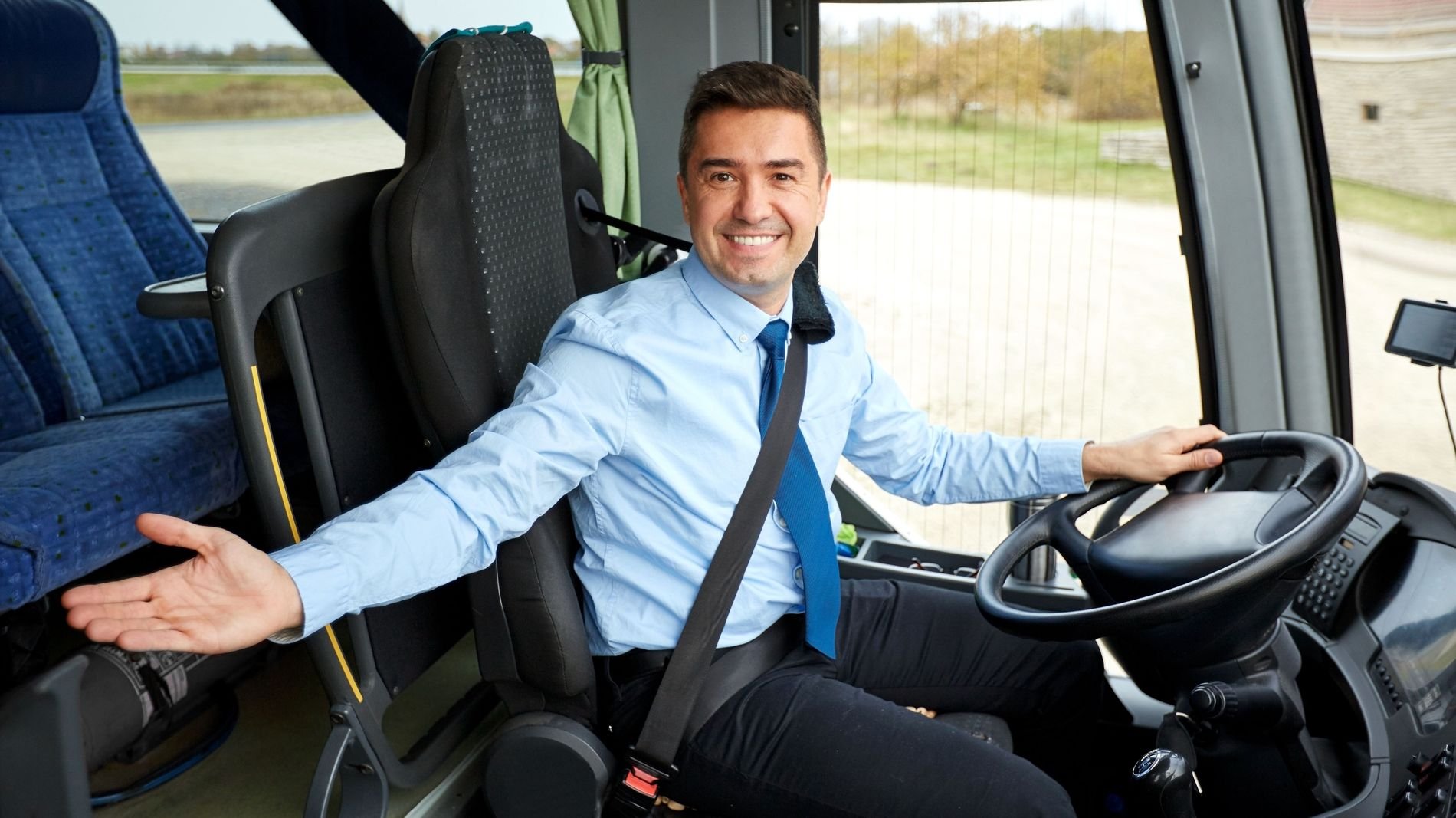
I remember standing near the front of a bus with my hands full, one coffee, one tote bag and a phone that would not stop buzzing. The driver glanced up in the mirror and asked, “You all set?” It was a tiny check-in, but it softened my whole morning.
When my stop came, I did what I usually do. I turned back and said, “Thanks, have a good one.” The driver nodded like it mattered. I walked off and I felt strangely lighter, like my chest had more room.
A few minutes later, I caught myself replaying it. I realized I say thank you to bus drivers even when I’m tired, even when I’m in a rush, even when the ride is loud and messy. It’s a habit that feels automatic, the way buckling your seatbelt feels automatic.
One time, a friend teased me about it. “You thank everybody,” they said, like it was a quirky personality trait. I laughed, but it made me curious. What does a small thank-you say about a person, especially when nobody is “keeping track”?
The thing is, people do notice these moments. The person behind you hears it. The driver feels it. Even you feel it. Over time, those tiny interactions shape how you move through the world and how the world responds to you.
So if you’re someone who thanks bus drivers, baristas, delivery workers, custodians, servers and the person holding the elevator door, this article is for you. You may be showing a set of high-character habits that come through fast, often before you’ve said anything else about yourself.
1. You Respect People With Less Power
Years ago, I watched a coworker greet the building security guard with the same warmth they used for the CEO. It wasn’t performative. It was steady. I still remember it because it felt rare in a quiet way.
Respect for people with less power shows up in small choices. You make eye contact. You speak like the other person’s time matters. You say please and thank you because you see a human doing a job, not a job doing a human.
On a bus, the power difference is subtle. The driver controls the doors, the route, the pace and the mood of the ride. When you thank them, you recognize their role without asking for anything in return. That’s social maturity.
I’ve had days where the bus was late and the air felt tense. Someone muttered under their breath and the driver kept going, calm and focused. When I said thank you as I got off, I could hear my voice steadying the moment for me too.
Try noticing where you automatically show politeness. Many people keep kindness for people who can benefit them. Your habit of thanking service workers points toward a values-based mindset that doesn’t depend on status.
If you want to deepen this habit, keep it simple. Use names when you can. Say “Thanks, take care,” or “Appreciate it,” with a clear tone. That kind of basic dignity lands more strongly than a speech.
2. You Notice Invisible Work
My friend once pointed out something I had missed. “Look,” they whispered, nodding toward the driver. “They’re watching mirrors, traffic and people all at once.” Once I saw it, I couldn’t unsee it.
Invisible work is everywhere. Someone restocks shelves before you arrive. Someone cleans a seat you never saw get cleaned. Someone stays calm while people complain at full volume. When you thank a bus driver, you’re often thanking the parts of the job you barely understand.
This ability to notice effort is a form of social awareness. You pay attention to what keeps daily life running. You recognize that smooth experiences usually come from someone’s skill, patience and repetition.
I think about this every time a driver waits an extra second for a sprinting passenger. That pause can throw off the schedule. It can invite grumbling. Still, some drivers do it anyway and the whole bus watches a tiny act of mercy unfold.
You can practice this without getting dramatic. Pick one “invisible” role each week and acknowledge it. Thank the person stocking groceries. Thank the janitor at the gym. When you make invisible labor visible, your world feels more connected.
3. You Stay Warm Under Stress
I admit it, my least charming moments tend to happen when I’m late. My brain goes into tunnel mode. I speed-walk. I mentally rehearse apologies. I forget where I put my keys even while holding them.
Yet even on those days, a quick “thank you” still comes out. That matters because stress shrinks your attention. Under pressure, many people get short, sharp and self-focused. Warmth takes effort when your nervous system is running hot.
Thanking a driver is a micro-skill for emotional regulation. It creates a tiny pause where your body remembers you’re part of a shared space. You shift from “me versus the day” to “me with other people.” That shift is small and it can change your tone for the next ten minutes.
There was a morning when the bus hit every red light. You could feel the collective irritation. When my stop came, I said thank you and another passenger echoed it. Then another. The mood loosened, like someone opened a window.
If you do this already, you’re showing steady kindness in the exact moments when kindness tends to disappear. If you want to build it, choose one stress cue, such as gripping your bag strap, or checking the clock and pair it with a short thank-you when you exit.
Over time, you teach your brain a useful pattern. Stress arrives, you stay human anyway. That’s a quiet strength people can feel.
4. You Practice Everyday Gratitude Out Loud
There’s a specific sound a bus driver’s voice can have when they’ve been dealing with people all day. Sometimes it’s flat. Sometimes it’s bright. Sometimes it’s tired but still polite. When I say thank you, I listen for the response and it tells me a lot about the day they’ve had.
Gratitude works best when it’s concrete and voiced. Saying “thank you” out loud turns a private feeling into a social bond. It also helps you notice good moments while they’re happening, which is a big deal in a culture that trains you to scan for problems.
Research also connects gratitude to helping behavior. A well-known study in Psychological Science found that feeling gratitude can increase people’s willingness to help, even when helping takes effort and time. You can read a summary on gratitude.
I’ve seen this play out in real life. One afternoon, a passenger dropped a transit card and didn’t notice. Another rider picked it up and called out, friendly and direct. It felt like the whole bus was cooperating without a meeting or a memo.
Everyday gratitude also protects you from going numb. When you thank someone for doing their job, you remind yourself that you’re surrounded by people, not background noise.
Keep it specific when you can. “Thanks for waiting,” or “Thanks for the smooth ride,” takes two seconds. It also signals that you noticed care, not just completion.
5. You Make Social Spaces Safer
One evening, the bus was crowded and a little chaotic. A passenger was speaking too loudly at someone who looked cornered. Nothing explosive happened, but the air felt brittle, like one wrong word could snap it.
As I got off, I said thank you to the driver and added, “Hope the rest of your shift goes okay.” The driver looked at me for a beat and said, “I appreciate that.” I walked away thinking about how safety can come from tone, not just rules.
When you thank a bus driver, you contribute to a culture of basic decency. That might sound lofty for two words, but social spaces run on cues. People watch what’s acceptable. They copy what seems normal. A steady thank-you signals civility.
Safety also includes emotional safety. A driver who feels respected may be more likely to stay calm, enforce boundaries and respond clearly when something goes wrong. Riders who hear respectful talk often lower their own aggression by a notch. You are shaping the vibe.
On days when I’m tired, I sometimes underestimate how much my voice matters. Then I hear someone snap at a driver and I feel my shoulders tense. A simple kind phrase can release that tension for everyone within earshot.
If you want to strengthen this habit, keep your thank-you steady even when the bus is messy. That consistency builds public kindness and it gives other people permission to be decent too.
6. You Give Credit Without Keeping Score
I once helped a stranger carry a stroller down a few steps. They thanked me like I had saved the day. I felt awkward, partly because I had done it quickly and partly because I didn’t want to “bank” the moment.
Thanking a bus driver is similar. You give a small credit for a service that already happened. You do it without expecting praise back. This is one of those habits that reveals a clean relationship with recognition.
Giving credit without scorekeeping keeps your relationships lighter. People sense when kindness comes with an invoice. They also sense when appreciation is freely given. Your thank-you signals that you see contributions as worth naming, even when the world treats them as routine.
I’ve noticed that people who regularly thank service workers often do the same in teams. They say, “Good catch,” or “Thanks for handling that,” and the room relaxes. Work feels less like a battle and more like a shared project.
Here’s a practical way to apply it. Once a day, name one helpful action someone did that would otherwise disappear. Keep the message short. Keep it sincere. That’s low-drama appreciation and it adds up.
7. You Choose Small Acts That Build Trust
There was a driver on my route who always greeted people with “Good morning.” After a few weeks, riders started greeting each other too. It surprised me how quickly strangers can become familiar when one person sets a tone.
Trust grows through repeated, small signals. A thank-you is a signal that says, “I see you and I’m participating in this shared space.” You don’t need a big conversation. You need consistency.
This matters because public life can feel anonymous. Anonymity makes it easy to act like your behavior has no impact. Your habit of thanking the driver says you believe your behavior counts.
I’ve seen drivers soften when riders are respectful. I’ve also seen riders soften when drivers are respectful. It’s a loop. You feed the loop with a tiny act that costs almost nothing.
If you want to build trust beyond the bus, start with places you go often. Thank the same cashier. Smile at the same crossing guard. Learn the rhythm of a space and show reliable courtesy. Trust likes repetition.
These actions also help you. When you act like someone who belongs in a community, your brain starts to feel that belonging. That’s one reason small prosocial habits can improve your day.
8. You Keep Your Values Consistent in Public
It took me a long time to notice this about myself. I’m pretty good at being kind in private. The harder test shows up in public, when no one “important” is watching and when I’m busy thinking about my own life.
Thanking a bus driver is a public values moment. You do it in front of strangers. You do it in a space where people come from different moods, backgrounds and beliefs. Your choice communicates, “This is who I am here too.”
Values consistency builds self-trust. When your actions match your beliefs in small moments, you start to feel more grounded. You feel less split between your “nice self” and your “stressed self.” Over time, that alignment can make you easier to be around.
I’ve also noticed how fast people clock inconsistency. Someone can talk about kindness all day, then bark at a driver and the room changes. The opposite is also true. Someone can stay polite in a tense moment and the room eases.
For a practical check-in, pick one public setting, transit, grocery stores, cafés and decide what kind of person you want to be there. Keep it simple. “I speak with respect.” “I thank people who help me.” Those are everyday ethics you can actually live.
When you do this regularly, people notice. More importantly, you notice. Your day becomes a little more intentional, one thank-you at a time.