


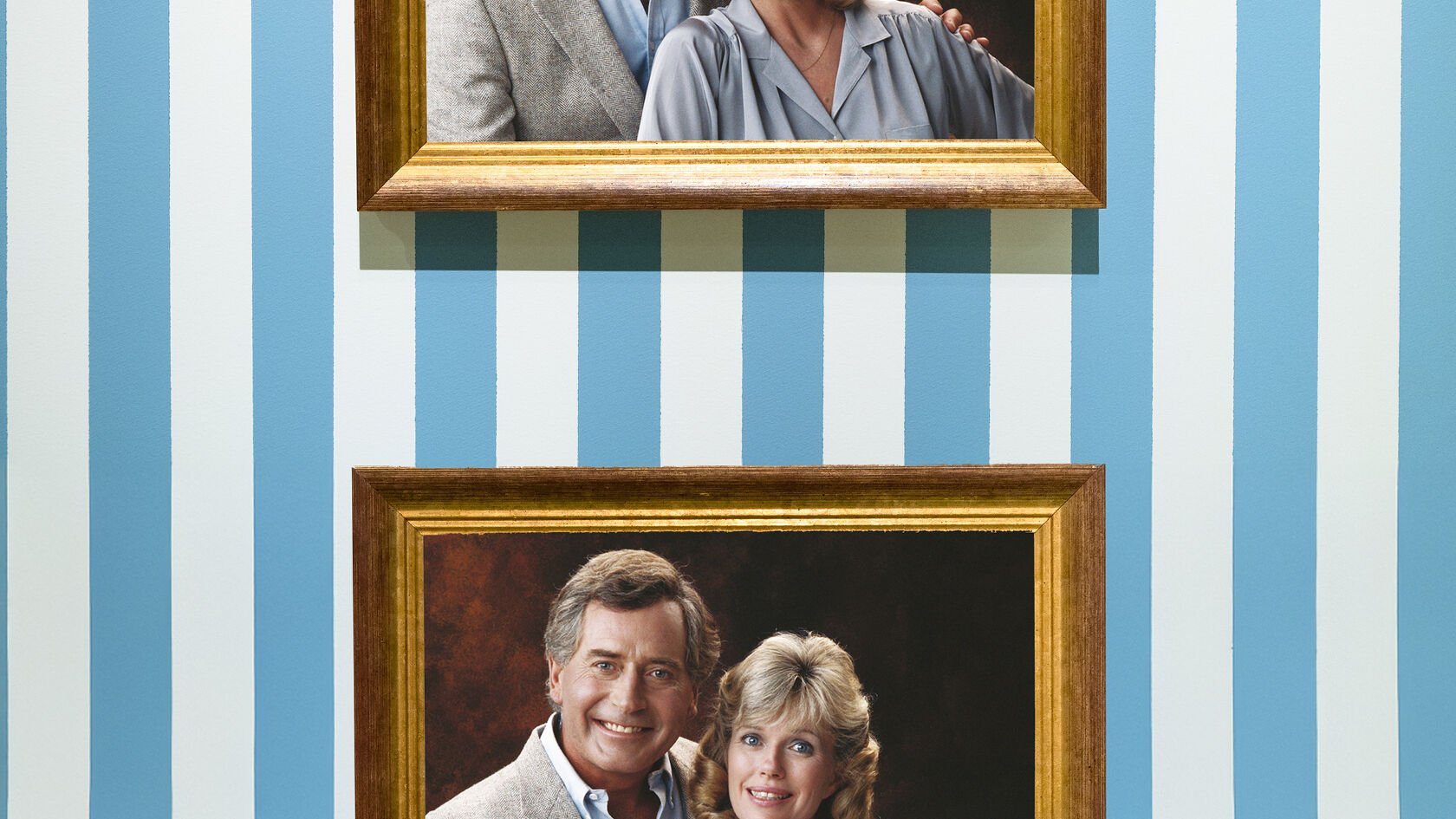
I remember standing in a friend’s hallway while they hunted for an extra set of keys. My eyes drifted to a cluster of framed photos by the light switch. There were school pictures, a wedding snapshot and one slightly crooked photo of someone laughing so hard their eyes were closed. It felt like the house was speaking in a low, friendly voice.
At home, I’ve gone through phases with family photos. Sometimes they’re everywhere. Sometimes they’re tucked away because I crave a cleaner look. Then one day I’ll catch myself pausing at a blank wall and thinking, “Why does this feel a little cold?”
Years ago, I helped a relative move into a smaller place. We packed dishes, books and more cords than any human should own. The last box was the photo box. When we opened it, the whole room got quieter, like we were all listening.
It surprised me how much those images changed the mood. The apartment was the same size. The furniture was still secondhand. Yet once a few frames went up, the space felt steadier. I could see my relative’s shoulders drop, the way they do when you finally exhale.
I started wondering why. Why does a faded photo of people you may not even know well make your chest feel warm? Why does a goofy snapshot near the kitchen make morning coffee feel less rushed? Psychology has a few answers and they point to a set of strengths that tend to grow when you keep your story within sight.
If you’re someone who displays old family photos, or you’re thinking about starting, these “quiet strengths” might sound familiar. They’re gentle skills. They don’t announce themselves. They show up in how you handle stress, how you connect and how you remember who you are.
They Feel Anchored in Who They Are
I’ve had days where I feel a little scrambled, like my thoughts are a drawer that won’t shut. On those days, I’ll walk past a framed picture of a family member holding a baby. The baby is older now and the adult has changed too, but something about that moment makes me stand still.
Your brain likes coherence. It wants a story that makes sense, even when life is messy. Old photos give you a simple kind of order. They remind you that you came from somewhere and that you’ve been many versions of yourself.
There was a season when I kept only one photo on display. It was a small one, placed almost like a secret near a bookshelf. I told myself it was “enough,” but I kept glancing at it during long work nights. That tiny image worked like a steady anchor when my confidence got wobbly.
Psychologists often talk about identity as something you build through memory and meaning. Photos help because they give you a concrete cue. You do not have to “think your way” into remembering. You simply see the proof that you belong to your own life.
Try this the next time you pass a family photo. Pause for five seconds. Name one quality you see in that scene, such as patience, humor, grit, tenderness. Over time, these micro-moments can support a strong sense of self that feels calm rather than performative.
They Keep a Strong Sense of Belonging
My friend once told me their favorite part of hosting is watching new people scan the walls. Guests will point to a picture and ask, “Who’s that?” Then the room shifts. The conversation gets softer. People lean in.
Belonging is a basic human need. A home full of personal images signals, “People matter here.” That message lands even if your family is complicated. A photo can represent one safe relationship, one supportive mentor, or one chosen-family moment that still feels true.
I’ve also noticed something in myself when I visit a place with no personal photos. I feel polite, but I stay on the surface. When I see a messy stack of frames on a shelf, I relax. It’s easier to be human around someone who keeps human evidence in view.
Photos create what you could call visible belonging. They show a social map. Your nervous system often settles when it senses connection, especially in the space where you eat, rest and reset.
If you live alone, this still counts. A picture of your grandparents, your best friend, your kids, or even a cherished group trip can nudge you toward “I’m part of something.” That feeling can shape how you speak to yourself on hard days.
Sometimes belonging grows through small rituals. I know someone who wipes their frames when they tidy the kitchen. It takes one minute. It also feels like a tiny act of care for their relationships and that care tends to come back around.
They Bounce Back Through Family Stories
There was a week when everything felt fragile. Work stress stacked up, sleep got weird and I kept replaying a mistake in my head. One evening I caught sight of a photo of an older relative standing next to a battered car, smiling like they had already solved the problem.
That image pushed me into storytelling mode. I remembered hearing about how they dealt with a job loss and still found a way forward. I didn’t suddenly feel fearless, but I felt capable again. The story gave my brain a path.
Researchers have studied how knowing family history relates to well-being, especially in kids and teens. The “Do You Know?” family narrative measure is one way scientists look at this. A helpful review in an NIH-hosted paper describes how family history knowledge can connect with resilience and adjustment in various studies.
Photos work like story triggers. They help you remember the “we’ve been through things” part of life. When you remember that, your current stress often looks more manageable.
One practical idea is to place one “hard season” photo somewhere you’ll see it often. It could be a picture from a move, a graduation, a new job, or a time you rebuilt after a setback. The goal is a resilience reminder that feels real, not cheesy.
And if your family story carries pain, you can still choose the frames that support you. You can highlight the people who showed up. You can honor the relationships that helped you grow. Your wall can reflect earned strength and chosen support.
They Notice Patterns Across Generations
I once sat with an older neighbor who loved pointing out tiny details in old photos. “Look at the hands,” they said. “Everyone holds a baby the same way.” Then they laughed and added, “And everyone thinks their haircut is a good idea.”
When you see multiple generations in one space, you start spotting patterns. Some patterns are sweet, like similar smiles. Others are more meaningful, like “We’re a family that cooks,” or “We always gather around music,” or “We keep going even when money is tight.”
I’ve had moments where I suddenly understood a relative better because of a photo. A stern person looked playful in an old snapshot. A quiet person looked brave at a big event. Those images loosen the labels we sometimes stick on people.
This pattern-spotting can turn into generational insight. You get a wider view of what shaped you and what you may want to carry forward. You also get a chance to notice what drains you, so you can choose different habits.
If you want to make this strength stronger, try a small “photo pairing.” Place two images near each other, one older and one newer, that show a similar moment. It might be two birthday scenes or two camping trips. Your brain will do the rest, connecting dots and building meaning.
They Practice Everyday Gratitude
I admit it, some days I forget to appreciate the people who make my life feel steady. Then I’ll walk by a frame with a friend’s handwritten note beside it, or a photo from a family dinner where someone is mid-laugh. My mood softens in a way I can’t fake.
Gratitude tends to grow when your attention has good cues. Photos are cues. They point your mind toward relationships, help and shared time. This can make “thank you” feel more natural, even if you do not say it out loud every time.
One small habit that helped me is attaching a tiny story to a photo in my head. “That’s the day we cooked too much food.” “That’s the trip where someone fixed the flat tire.” When I see the image, I also remember the support around it.
Gratitude is often less about a big emotional wave and more about a gentle noticing. Photos make noticing easy. They bring the past into the present in a way your brain can grasp quickly.
If you want to lean into this strength, keep one frame in a spot where you tend to rush, like near the door or coffee maker. Let it be a daily gratitude cue. Ten seconds is enough to shift your tone for the next hour.
They Invite Warm, Easy Conversation
At a small gathering once, the best conversation started because someone pointed at a frame and asked, “Is that a costume party?” The host blushed, laughed and suddenly the room was trading stories. No one needed a clever icebreaker.
Photos create openings. They give people something to ask about that feels personal yet safe. The questions are simple and the answers can stay light or go deeper depending on the moment.
I’ve also seen how photos help kids and teens talk. A child will point and ask, “Who is that?” Then a parent tells a story. A teenager might roll their eyes, but they still listen. The story slides in sideways and it often sticks.
This social ease is a real skill. It helps you host, connect with neighbors and build trust with new friends. A home with pictures tends to offer natural conversation starters without anyone trying too hard.
If you feel awkward about displaying photos, start small. Choose one frame that makes you smile. Place it where a guest might naturally pause, like an entry table or a hallway shelf. You may be surprised how often it invites a warm, simple moment.
They Use Nostalgia as Fuel
There’s a certain kind of tired that makes you think your best days are behind you. I’ve felt that tired after a long stretch of responsibilities. Then I’ll see a photo from a trip where I look relaxed, sunburned and genuinely happy.
Nostalgia can be energizing because it reminds you of what you value. It brings back the feeling of “I’ve felt joy before.” That memory can motivate you to plan a hike, call a friend, cook a meal, or try again at something you care about.
Once, I kept a photo near my desk that showed a family member finishing a marathon. I never ran one, but the image still pushed me. It whispered, “Movement helps,” and on rough afternoons I’d take a short walk instead of scrolling.
This is where photos become a motivation spark. They do not just pull you backward. They can push you forward by reconnecting you to your values, your relationships and your sense of possibility.
A helpful trick is to choose photos that capture actions, not just faces. Look for “we made it,” “we tried,” “we built,” “we celebrated.” Action photos tend to stir energy and help you picture your next step.
They Make Their Home Feel Lived-In and Safe
I once stayed in a rental that was gorgeous and spotless. It also felt like a museum. The silence was loud. The walls were blank and I realized I was tiptoeing like I might break something.
Then I visited a friend’s place that had mismatched frames and a slightly crooked collage in the hallway. I could hear the dishwasher running. I could smell soup. I felt calmer within two minutes.
Photos create what many people describe as “home.” They signal history, warmth and continuity. Even if your style is minimalist, one or two well-placed images can bring in that sense of safety.
This matters because your environment shapes your stress level. A space that feels supportive makes it easier to rest, focus and recover from the day. A few meaningful photos can become comforting visual cues that tell your body, “You’re okay here.”
If you have mixed feelings about family, you still deserve a safe home. Display photos that represent care, growth and kindness. That might include chosen family, elders who supported you, or even a picture of your kids laughing.
They Pass Values Along in Small Moments
My favorite family-photo moment happened in a kitchen. A kid pointed at a frame and asked why someone was wearing a uniform. The adult answering did not give a long lecture. They told a short story about showing up for others and then they went back to chopping vegetables.
That’s how values often travel. They move through tiny moments, repeated over time. Photos make those moments easier because they keep the “who we are” conversation close by.
I’ve noticed that when photos are visible, people tend to share more context. “That’s your great-aunt and she always brought extra food.” “That’s your grandparent and they saved up for years to buy that house.” The values are tucked into the details.
This can shape the way kids interpret their own lives. It can also help adults remember what they care about when decisions feel stressful. A photo can hold a quiet family value without needing a speech.
If you want to use photos this way, pick one value per picture. Write it down for yourself somewhere private, like a note app. Then when someone asks, you’ll have a simple story ready. You’ll sound natural because you’ll be speaking from meaning.
And you can include your own current values too. A recent photo of volunteering, cooking together, or finishing a project can become part of the story you pass along. Your walls can reflect living values, not just the past.
Small Ways to Refresh Your Photo Displays
I get bored easily with my own walls. After a while, I stop seeing what’s there. Then one day I’ll catch a glare on a frame and realize I have not cleaned the glass in months. That’s usually my cue that it’s time for a refresh.
Start with one tiny upgrade. Swap one frame, move one photo to a different room, or group two pictures that share a theme. Your brain loves novelty, even in small doses and it can make your home feel freshly supportive again.
Another simple move is to mix eras. Put a new photo next to an old one. Place a black-and-white picture near a bright, recent snapshot. That pairing can create a timeline effect that makes your story feel continuous.
If you want a calmer look, try matching frames. If you want a cozy look, try mismatched frames with a shared color tone. Either way, keep the faces at eye level when possible. Photos you actually see tend to work better than photos hidden behind tall plants or crowded shelves.
Finally, choose one “conversation photo,” one “comfort photo,” and one “energy photo.” Place them where you need those feelings most. Entryway for connection, bedroom for comfort, desk area for energy. This kind of intentional photo placement keeps your displays useful, not just decorative.