


I remember standing in my kitchen after a long day, holding a spoon like it weighed a thousand pounds. The plan was simple, make dinner, clean up, move on. My brain had other plans. Everything felt noisy, even the quiet parts.
So I did a small thing. I put on a playlist I knew by heart and started chopping vegetables. A few minutes later, my shoulders dropped. The day was still the day, yet I felt more like myself again.
Another time, I tried to “fix” my mood with big lifestyle promises. You know the kind. New routines, new goals, new everything. It looked great on paper. In real life, it felt like trying to carry groceries with one finger.
What finally helped was surprisingly ordinary. A short walk. A messy sketch. A puzzle on the coffee table. These were tiny choices that made the next hard thing feel possible.
Over time, I started to see a pattern. Certain hobbies trained my mind in the background. They gave me practice with discomfort, patience and recovery. They also gave me joy that did not require permission.
If you want more mental toughness and emotional resilience, you do not always need a dramatic overhaul. You can build it quietly, one hobby at a time, in ways that fit your actual life.
Why Hobbies Help You Bounce Back
I used to think resilience showed up during the big moments only. Then I had a week where everything felt slightly off. My sleep was patchy. My focus kept slipping. I noticed my patience thinning in tiny places, like traffic lights and loading screens.
The thing is, your nervous system learns from repetition. When you give yourself regular moments of enjoyment and absorption, you practice coming down from stress. That matters because bouncing back starts with recovery. Recovery can happen in small pockets.
One evening, I sat down with a simple craft kit and told myself I would do ten minutes. I blinked and half an hour had passed. My mind felt quieter. I had not solved my problems, yet I felt steadier while holding them.
Researchers have linked enjoyable leisure activities with better mood and lower stress-related markers. You can see a PubMed summary of one well-known study on leisure. When you read that kind of research, the takeaway feels practical. Pleasant activities can support your stress system.
In daily life, hobbies also give you a role beyond your responsibilities. You get to be the person who grows herbs, learns chords, lifts weights, or volunteers on Saturdays. That identity boost can turn a rough day into a day you can handle.
The Two Skills You Practice Without Trying
Years ago, a friend told me they felt “fragile” after a hard season. They said it like a verdict. I understood the feeling. I had days where a minor inconvenience could tip me over, like my coping skills had gone on vacation.
Two quiet skills tend to sit under resilience. The first is stress recovery. This is your ability to return to a calmer baseline after you get activated. The second is self-efficacy, which is the sense that your actions make a difference.
I felt that second skill grow the first time I followed a recipe without checking my phone every two minutes. I plated the food and thought, “I did that.” It was a small win. It also felt like a vote for my future self.
Hobbies train recovery because they create safe, repeatable challenges. You focus, you mess up, you adjust, you continue. Your body learns what effort feels like without danger. Your mind learns that discomfort can move through you.
Another benefit shows up in your attention. Many hobbies invite deep focus, the kind where time changes shape. Focus gives your worry loops less room. It also strengthens your ability to choose where your mind goes.
Walking, Hiking and “Keep Going” Energy
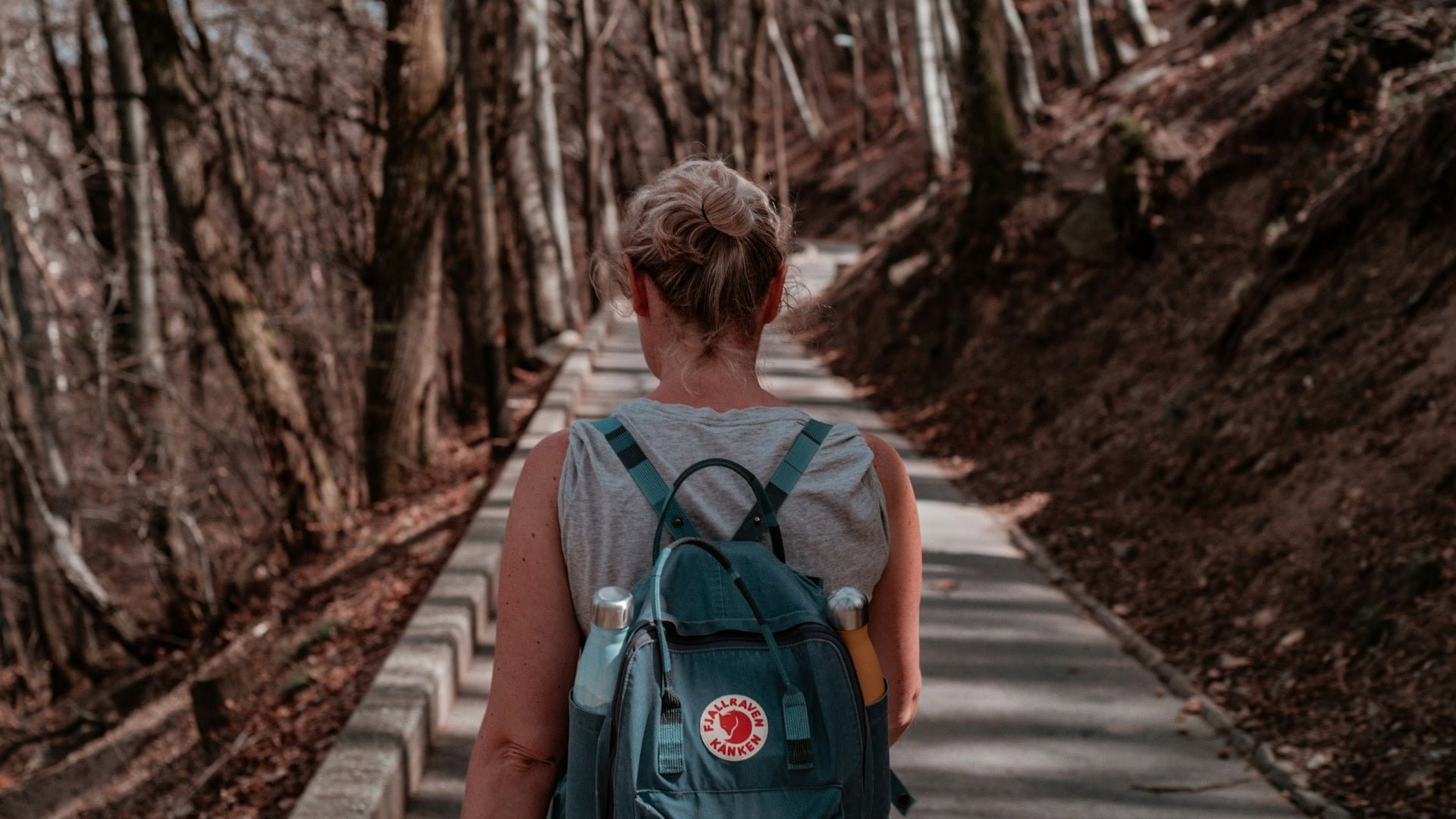
There was a month when I could not talk myself into a “proper workout.” The word proper felt heavy. So I made a deal with myself. Shoes on, out the door, ten minutes.
By the third block, my breathing smoothed out. I started noticing details, like the shape of tree shadows and the sound of my steps. I would come home with a calmer face. I also came home with a little more courage.
Walking and hiking build keep going energy because they reward consistency. Your body learns, “We move even when motivation is low.” Your mind learns, “We can start small.” That combination is powerful on days when you feel stuck.
Out on a trail, effort has a clear feedback loop. You climb, you get winded, you slow down, you recover, you climb again. That rhythm teaches pacing. Pacing is a resilience skill because it prevents you from burning out in the middle of your own life.
Try to pick a route with one tiny “checkpoint,” like a mailbox, a bench, or a certain corner. Each time you reach it, you get a small win. Those wins add up and they build trust in your follow-through.
Gardening and Patience You Can Feel
One spring, I bought a few herb seedlings and felt wildly optimistic. I pictured lush green leaves and peaceful mornings. Then I forgot to water them for two days. The soil looked like dust. I felt guilty in a way that surprised me.
Then I did what gardeners do. I watered them, moved them and paid attention. Some leaves bounced back. Others stayed sad. The whole thing became a gentle lesson in patience and repair.
Gardening turns resilience into something you can touch. You learn to watch for small signals. You learn to adjust without drama. You learn that progress often shows up slowly.
Plants also encourage you to tolerate uncertainty. You can do the right things and still get a surprise heat wave. You can get fungus. You can get a victory you did not expect. This teaches a flexible mindset, which supports emotional regulation during real-life curveballs.
If you live in an apartment, you can still get the benefits. A windowsill herb, a pothos, or a few seeds in a jar can work. The habit is simple, check in, care and return tomorrow.
Cooking and Calm Decision-Making
I admit I used to treat cooking like a chore I had to finish fast. I would rush, get irritated and snack on random things while standing up. Dinner felt like another task on a long list.
Then I started cooking one “comfort meal” a week. I chose something with a clear sequence, like soup or stir-fry. I kept the ingredients simple. I let the steps be the point.
Cooking builds calm decision-making because it has manageable choices. You decide what to chop first. You decide when to turn the heat down. You taste, adjust and try again. These are low-stakes decisions that train steadiness.
It also supports mood through structure. When your mind is scattered, structure helps. A recipe gives you a path. Even improvising has a pattern, prep, cook, taste, finish.
One night, I burned the garlic and felt my irritation rise. I took a breath and started over. That moment mattered. Starting over without spiraling is a resilience skill you can practice while dinner simmers.
Journaling and Emotional Clarity
My journal has seen some dramatic pages. I have written things I never said out loud. I have also written the same complaint ten different ways, which can feel silly in hindsight. Still, those pages held me steady.
Writing helps because feelings often become clearer once you name them. You move from a foggy sense of “bad” to something more specific. Specific feelings are easier to respond to. This supports emotional clarity.
One time, I wrote, “I feel anxious,” and kept going. A few lines later, I realized I felt embarrassed too. That changed what I needed. I needed kindness, plus a plan for a hard conversation.
Journaling also trains perspective. You can write what happened, then write what you think it means. When you separate events from interpretations, you get more choices. More choices tends to reduce panic.
If you want a simple format, try three lines. “What happened.” “What I felt.” “What I need next.” Keep it short and honest. Consistency matters more than perfect wording.
Some days, your journal can hold gratitude too. A small moment, a good meal, a kind text. These details strengthen your stress recovery by reminding your brain that safety exists alongside challenge.
Music, Art and Self-Trust in Small Steps
I once bought a cheap sketchbook and a pen, then left them untouched for weeks. I kept imagining that I needed talent to start. Eventually, I opened to page one and drew a crooked mug. I laughed out loud.
Creative hobbies build self-trust because you practice showing up before you feel ready. You try a chord. You mix a color. You write a messy paragraph. You see that your effort creates something real.
When you make art, you also practice tolerating imperfection. You leave a weird line. You hear a wrong note. You keep going. That “keep going” muscle transfers to work stress, relationship stress and the everyday uncertainty that life brings.
My favorite part is how creativity changes your attention. You start to notice shapes, textures and sounds. You become more present. Presence reduces rumination because your senses are busy with the moment.
If you want an easy entry point, try a ten-minute “tiny project.” Sketch one object. Learn one riff. Sing one song while washing dishes. Tiny projects build confidence faster than grand plans.
Strength Training and Steady Confidence
My first time in a weight room, I felt like everyone could see my uncertainty. I kept rereading the machine diagrams as if they were legal documents. I also worried I would do something wrong. That fear made me tense.
Then I asked a simple question and got a normal answer. I did a few basic movements. I left feeling tired, plus strangely proud. I had shown up even while feeling awkward.
Strength training builds steady confidence through measurable progress. You lift a little more. You rest. You recover. Your body teaches your mind that effort creates change over time.
It also trains discomfort tolerance. A challenging set feels intense, then it ends. Your brain learns a useful lesson, “This is hard and I can finish.” That lesson helps when you have to do hard things outside the gym too.
If weights feel intimidating, start with bodyweight. Squats, wall push-ups and carrying groceries with intention can count. The goal is consistency, plus attention to how your body feels as it gets stronger.
Puzzles, Chess and Frustration Tolerance
A friend once left a half-finished puzzle on my table and I complained about it for two days. Then, one night, I sat down “just to fix the edges.” Two hours later I was still there, hunting for a tiny piece of sky.
That hobby surprised me because it brought up frustration quickly. I would search, fail and feel irritated. Then I would adjust my strategy. I would sort by color or switch sections. Eventually, something clicked.
Puzzles and strategy games build frustration tolerance. You practice staying engaged when progress feels slow. You practice flexible thinking when your first approach fails. Those are resilience skills in plain clothes.
They also build patience with ambiguity. You do not know where the next move is. You keep scanning. In daily life, many problems work the same way. You gather clues, try an approach and revise.
If you want a gentle start, pick a puzzle with a clear image and fewer pieces. For games, choose a friend who keeps it friendly. Your goal is practice, plus enjoyment, plus that tiny moment of “I found it.”
Volunteering and Support That Comes Back to You
One weekend, I helped at a community event because a neighbor asked. I almost said no since I felt tired. I went anyway and told myself I could leave early. Then I started chatting with strangers while stacking boxes.
By the end, I felt lighter. I had been useful. I had laughed. I also realized that my own worries had gone quiet for a while.
Volunteering strengthens resilience because it builds social support and meaning. Meaning helps you endure stress. Support gives you real people who notice you and who you can notice in return.
It also expands your identity. You become someone who contributes, even in a small way. That identity can act like a backbone during hard seasons. You remember your place in a larger web of people.
If you want an easy on-ramp, choose something time-limited. One shift at an animal shelter. One park cleanup. One food pantry delivery. Short commitments help you build the habit without draining your energy.
Over time, you may find that your mood improves on volunteer days. You get connection, structure and a clear task. Those three elements often support healthy coping during stressful weeks.
How to Choose a Hobby That Fits Your Life
It took me a long time to realize I picked hobbies the way I picked outfits for a fantasy version of myself. I would buy gear for a sport I never did. I would sign up for classes at times that never worked. Then I would feel like a quitter.
A better approach starts with your real constraints. How much time do you have on an average week. How much space do you have. How much money feels comfortable. These answers guide you toward hobbies you can actually repeat.
Try to choose one hobby that is “portable.” Walking, journaling, or a small sketchbook can travel with you. Try to choose one hobby that is “home-based.” Cooking, puzzles, or a houseplant can anchor you. This mix helps you stay consistent when life shifts.
I also look for a hobby with a clear next step. “Go for ten minutes.” “Practice one song.” “Plant one seed.” Clear next steps reduce procrastination because you do not have to negotiate with yourself for an hour.
Finally, pay attention to the after-feeling. Some hobbies leave you energized. Some leave you calm. Both are useful. The best choice is the one that supports the kind of day you want to have more often.
Simple Ways to Keep the Habit on Hard Weeks
These days, I keep a “low battery” version of my hobbies. When life gets intense, my energy drops first. My standards used to stay high anyway, which made everything harder. Now I plan for the hard weeks.
One trick that helps is the two-minute setup. Put the journal on the pillow. Leave the guitar on a stand. Keep walking shoes by the door. A visible cue reduces friction and friction is the enemy of consistency.
I also use a tiny rule, one repeatable action per hobby. For walking, it is stepping outside and taking five deep breaths. For strength, it is one set. For cooking, it is chopping one ingredient. These actions keep your identity alive.
When I miss a few days, I talk to myself like I would talk to a friend. I name what got hard. I choose the smallest return. This supports self-compassion, which tends to help people stick with habits longer.
Another option is the “pairing” method. Pair a hobby with something you already do. Stretch while the coffee brews. Journal after brushing your teeth. Practice a song after lunch. Pairing helps because you borrow the stability of an existing routine.
On the toughest weeks, aim for a sense of completion. Finish one short walk. Water one plant. Cook one simple meal. Completion creates a clean mental ending and that can feel like stress relief when your life feels messy.