


A few months ago, I found a crumpled permission slip at the bottom of a backpack. It was for something simple, a short walk to a nearby park. I stared at it longer than I should have, partly amused, partly impressed by the seriousness of it all.
My brain did that thing where it runs a highlight reel. I could almost hear the old neighborhood sounds, a bouncing ball, a distant shout, a bike chain ticking. The memory felt warm, then it felt strange, like I was remembering a country that no longer exists.
Later that week, I watched a group of kids step off a school bus. Three adults were already waiting, scanning the street like security. One kid reached for a parent’s hand before their shoes hit the sidewalk.
I get it. The world feels louder now. Every headline seems to come with a side of fear and every app seems built to track, confirm and double-check.
Still, I can’t shake how much everyday childhood used to depend on trust, small risks and a little freedom. That freedom did something to your brain and body. It helped you practice judgment in tiny doses, like a daily vitamin.
So let’s talk about the habits many Boomers grew up with and why they can look like paperwork magnets today. Along the way, you’ll see the psychology hiding inside these ordinary moments, the way independence builds confidence and the way supervision changes what kids learn about the world.
1. Walking to School Solo
I remember standing at a corner with a lunch bag that felt too big for my hand. Cars passed, the wind pushed my shirt and I did the serious math of childhood, “Wait for the walk sign. Look both ways. Don’t step off early.” The whole trip felt like a mission.
These days, walking alone can trigger a different kind of math. Parents and caregivers weigh traffic, strangers, weather and the way a neighborhood “feels” at 7:45 a.m. Even in places where walking is common, there’s often a mental checklist running in the background.
Psychology has a word for what that solo walk used to provide, practice. When you make small decisions on your own, you build self-trust. You also learn cause and effect in a low-stakes way. You leave late, you arrive late. You forget gloves, your hands get cold. Your brain stores these lessons fast.
Years ago, I talked with an older neighbor who still calls walking “clearing the cobwebs.” They described the daily route like it was a personal map of courage, the dog behind the fence, the friendly crossing guard, the shortcut past the big tree. That kind of routine creates familiar confidence, the feeling that you can handle what’s ahead because you’ve handled it before.
If you’re raising kids now, or you’re simply reflecting on your own upbringing, it helps to separate danger from discomfort. Discomfort is often the learning zone. A supervised walk can still teach independence when the kid leads, chooses the route and handles the crossing while you hang back a few steps.
2. Biking Around Town With Zero Check-Ins
One of my clearest memories is the sound of a bike tire rolling over gravel. You’d turn onto a street you didn’t fully know and your heart would pick up speed in the best way. There was no text message to send. There was no shared location dot glowing on someone’s phone.
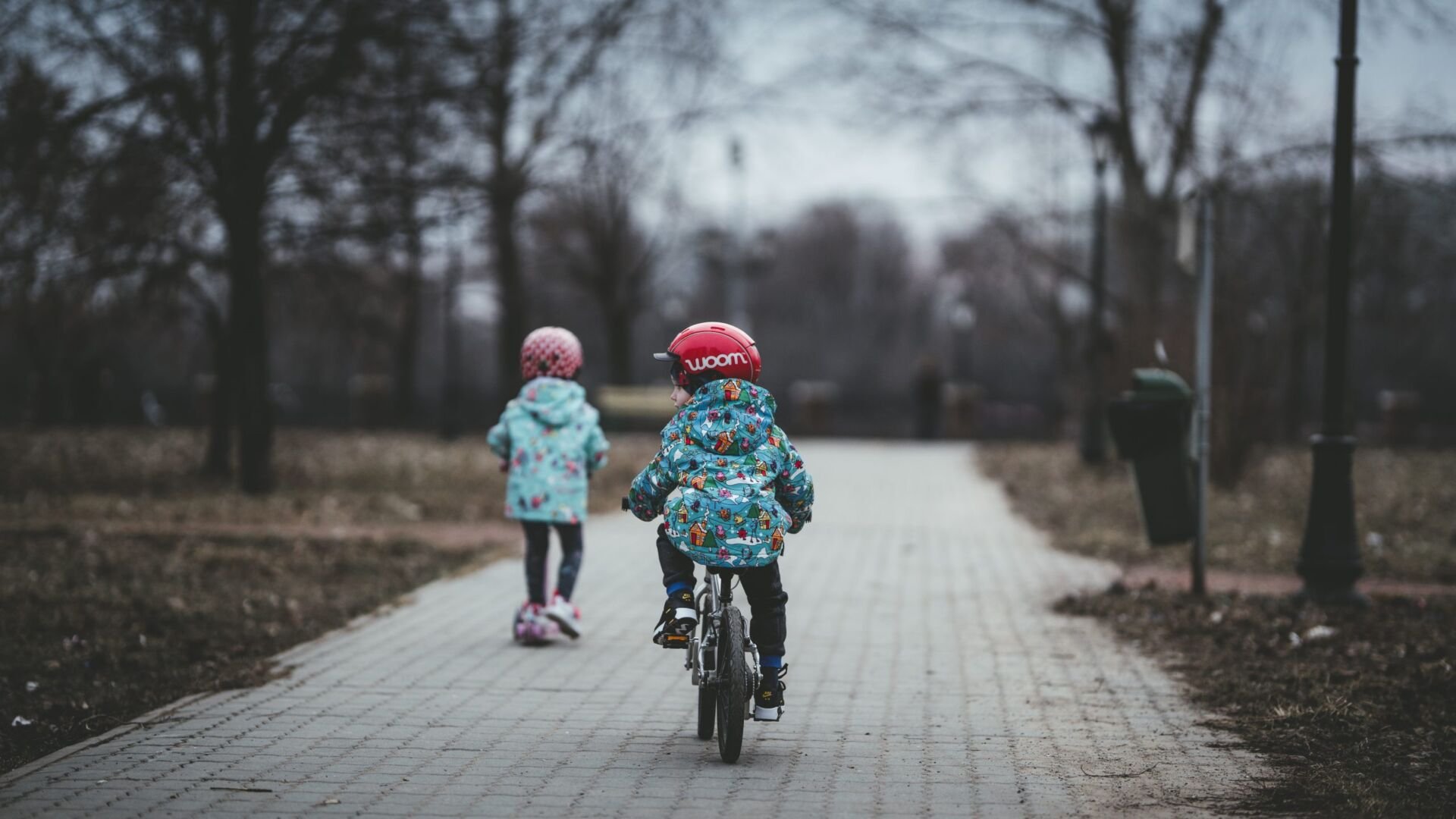
Now, biking often comes with rules that sound like a legal document. Wear the helmet. Stay on this block. Call when you arrive. Come home by this exact time. Some of these are great boundaries, especially with traffic and distracted drivers.
Still, those long, untracked rides were a daily lesson in healthy risk. You learned how far your legs could take you. You learned how to ask for directions. You learned what to do when your chain slipped, which included problem-solving and a little humility.
I admit, the first time I tried a GPS tracker for a family outing, I felt relieved. Then I felt a little weird about my relief. A part of me missed the old skill of uncertainty, the way you paid attention to landmarks because you had to. When you know you can always be found, you sometimes stop practicing how to find your way.
Researchers have looked at kids’ freedom to move around on their own, often called independent mobility. In one PubMed paper, independent mobility was linked with children’s physical activity in ways that make intuitive sense. When kids can move freely, they tend to move more. Movement supports mood, sleep and stress regulation, which are all part of a steady life rhythm.
If you’re thinking about modern biking rules, consider building freedom in layers. Start with short loops. Add a “check-in time” instead of constant pings. The goal is a kid who can navigate, notice and respond, which is the real safety skill under the helmet.
3. Playing Outside Until the Streetlights Came On
There’s a specific kind of evening that feels like childhood. The air cools, someone’s calling from a porch and you keep playing anyway because the game finally got good. When the streetlights flickered on, it felt like the world itself was telling you to wrap it up.
Today, outdoor play can look like a scheduled activity. There’s practice, a class, a supervised playdate and then back inside. The freedom of “just go out and be back later” has become rarer in many places.
Unstructured play matters because it teaches your brain to make its own fun. It builds creative problem solving and social negotiation. Kids decide the rules, adjust the rules, argue about the rules, then somehow keep playing. That messiness can be a training ground for flexibility.
My friend once told me their child asked, “What do I do outside?” and it landed like a small cultural alarm. The question made sense. When your time is often directed, you get used to someone else setting the agenda.
When you get long stretches outdoors, your nervous system also gets a different kind of input. You watch clouds move. You hear bugs. You notice your body’s energy. For many people, nature time supports emotional regulation, partly because it slows you down and gives your attention a softer place to rest.
If you want that streetlight feeling again, it can start small. A regular “outside hour” can help. So can letting kids handle boredom for a bit before you rescue them with a screen or an organized plan.
4. Roaming the Neighborhood With a Pack of Kids
I can still picture a group of kids moving like a little flock. One had a scraped knee, one had a snack and somebody always had a questionable idea. Somehow, it worked. You were together and together felt like safety.
Neighborhood roaming used to create a social web. You knew who lived where. You knew which house had the loud dog and which house had the best shade. Adults were around, but they were background characters, not full-time directors.
This kind of roaming supported social confidence because you had to read the room, even if the “room” was a sidewalk. You learned who was brave, who needed reassurance and who pushed too hard. Group play can teach leadership and empathy when kids get the chance to manage themselves.
There was a time when I got invited into one of these roaming groups as the “older helper” for an afternoon. I expected chaos. What I saw was a surprisingly organized system of tiny agreements. They took turns choosing the next stop. They shared water. They watched for cars like a team sport.
Modern life can break up that kind of pack. People commute. Kids’ schedules rarely match. Some neighborhoods have fewer kids outside, which makes the few who are outside stand out more.
Even so, you can recreate the benefits by building community in deliberate ways. Block gatherings, front-yard hangouts and regular park meetups can create a familiar group, which gives kids a safe base for independence.
5. Knocking on Doors to Ask, “Can They Come Out?”
Knocking on a door used to feel like a mini audition. You stood there, hoping the grown-up who answered liked your face and your manners. You also hoped your friend was actually home, because walking away from a closed door felt dramatic.
Now, many kids arrange everything by messaging. Plans happen through parents’ phones, group chats and calendars that look like a work schedule. Door-knocking has become a novelty in some places and a worry in others.
That old habit trained a simple life skill, direct communication. You learned to speak clearly. You learned to handle a “no.” You learned to wait while someone went to check if your friend could come out.
I once watched a kid try door-knocking during a neighborhood event. The kid was polite, then froze when the adult asked, “Who are you here to see?” It was a real-time reminder that skills fade when you don’t practice them. The kid recovered, but it took a second.
There’s also a subtle confidence that comes from walking up to a door and making a request. Your body learns that you can take up space, you can ask and you can survive awkwardness. That’s a big deal for future conversations with teachers, bosses and friends.
If door-knocking feels unrealistic, you can still teach the same muscles. Encourage kids to order their own food politely. Let them ask a librarian for help. Let them introduce themselves to a new classmate at the park.
6. Climbing Trees, Fences and Whatever Looked Fun
I remember the exact feeling of bark under my palms. A tree climb was half play, half test. Your legs shook a little, your friends watched and you tried to act like you were totally fine.
Climbing is different now. Playgrounds are safer and that’s a real win. At the same time, many kids get fewer chances to test their bodies against the world in unpredictable ways.
When you climb, you practice body awareness. You learn where your weight goes. You learn how to grip, balance and plan the next move. Those physical skills connect to mental skills like patience and focus, because you have to slow down to stay steady.
It took me a long time to realize how much confidence came from physical competence. I noticed it when I tried a climbing wall as an adult and felt oddly nervous. My brain remembered the old rules even though my body was out of practice. After a few tries, the fear softened into concentration, which felt like a small personal victory.
Parents and caregivers often worry about injuries and that concern makes sense. The question becomes how to offer challenge with reasonable safety. Many modern playgrounds have climbing elements designed to reduce serious risk while still giving kids something to figure out.
You can also bring this mindset into daily life. Let kids carry groceries, build forts, move chairs and help in the yard. These tasks build strength and capable confidence in a low-drama way.
7. Swimming Without Lifeguards, Floaties, or a Set Schedule
Some of the most vivid stories I’ve heard from older relatives start with water. A lake, a river, a neighbor’s pool and a crowd of kids who believed they were basically fish. The adults were somewhere nearby, but the supervision sounded loose.
Today, water safety is taken far more seriously in many families, schools and communities. Swimming lessons, lifeguards and rules around pools have become common for good reasons. Water can change fast.
In the psychology of childhood, water play sits at an interesting crossroads. It offers thrill, sensory stimulation and a deep feeling of freedom. It also demands respect for limits. When adults set clear rules and teach skills, kids can still feel the joy without relying on luck.
I once visited a beach where the lifeguard blew the whistle every time kids drifted past a certain point. At first, it felt strict. Then I noticed the kids stayed playful. They just adjusted the game. Boundaries can support exploration when they stay consistent and easy to understand.
If you grew up with loose water rules, you might remember a sense of bold independence. That feeling can be real and it can also come from being unaware of risks. Many adults look back and realize how much was left to chance.
The modern takeaway is simple. Keep the joy. Add structure, skills and clear adult oversight. That combination gives kids a safe place to build courage.
8. Babysitting Younger Siblings at a Young Age
People tell babysitting stories with a mix of pride and disbelief. A kid with a key, a phone number on a sticky note and a younger sibling who suddenly decides tonight is the night to test every boundary. The responsibility sounds huge, because it was.
In many families, older kids still help. The difference is that expectations and legal norms can be tighter and adults may feel more pressure to supervise or hire an adult sitter. It’s a different cultural mood.
Babysitting can build responsibility and planning skills. You learn to anticipate needs. You learn to stay calm when someone cries. You learn that your choices affect someone else’s safety and comfort, which is a powerful lesson for a developing brain.
There was a time when a friend admitted they felt guilty for relying on an older child to help so much. The friend also said the older child seemed proud to be trusted. That tension is common. Kids often want responsibility and they also need support and realistic expectations.
When responsibility is sized appropriately, it can strengthen a child’s sense of competence. That competence supports self-esteem, especially when adults notice effort and give specific praise like, “You kept things calm,” or “You handled that snack situation well.”
If you’re thinking about this in your own family, consider smaller steps that still teach care. Short babysitting windows, clear rules and a way to reach an adult can give kids a chance to grow while keeping everyone comfortable.
9. Drinking From the Garden Hose
This one is almost a comedy sketch at this point. Someone turns on the hose, the water sputters and a kid leans in anyway. You drank because you were thirsty and because stopping to go inside felt like quitting.
Now, people think about water quality, hose materials and what’s been sitting in the sun all day. Many adults also want kids to come inside, wash hands and use a clean cup. That’s a real shift in how we think about germs and safety.
What’s interesting is the psychology behind the hose habit. It points to self-reliance and continuity of play. Kids wanted to keep the momentum. They also followed the group. When one kid drinks, the rest often copy, because belonging is a powerful motivator.
I’ll be honest, I felt a strange nostalgia the last time I saw someone reach for a hose at a backyard gathering. Then I pictured what might be in that hose and the nostalgia softened into “maybe grab a bottle.” Two feelings can exist at once and that’s the adult experience in a nutshell.
You can keep the spirit of the hose without the worry. A cooler of water outside, a basket of reusable cups, or a reminder to hydrate before heading out can support kids’ play and parents’ peace of mind.
Hydration also connects to mood and energy. When kids get dehydrated, they can look irritable and restless. A simple water routine supports smoother afternoons for everyone.
10. Hitching a Ride in the Back of a Pickup for “Just a Minute”
I’ve heard this story from so many people that it almost feels like a shared myth. Someone needed to get from point A to point B. The truck was there. The back was open. Kids piled in like it was a parade float.
Today, this is one of those habits that can trigger immediate alarm. Many states have laws or restrictions about riding in the open bed of a pickup truck, especially for minors. The cultural norm has shifted hard toward seatbelts and proper restraints.
From a psychology angle, this habit speaks to the way communities used to treat risk as ordinary background noise. When everyone around you treats something as normal, your brain files it under “safe enough.” Social norms shape your threat detection more than most people realize.
My neighbor once laughed while telling me about riding in a pickup bed, then their face changed a little. They paused and said, “We were so lucky.” That pause was the point. Many adults carry a quiet list of moments that went fine, even though they could have gone wrong.
If you’re thinking about childhood freedom, it helps to separate freedom from exposure. Freedom grows through choices, problem-solving and movement. Exposure is about physical vulnerability. Modern safety culture tries to reduce exposure while still giving kids room to grow.
The sweet spot is a childhood where kids practice independence in ways that build skills and confidence. You can still get there today. It just takes more intention, more community and yes, sometimes a form.