


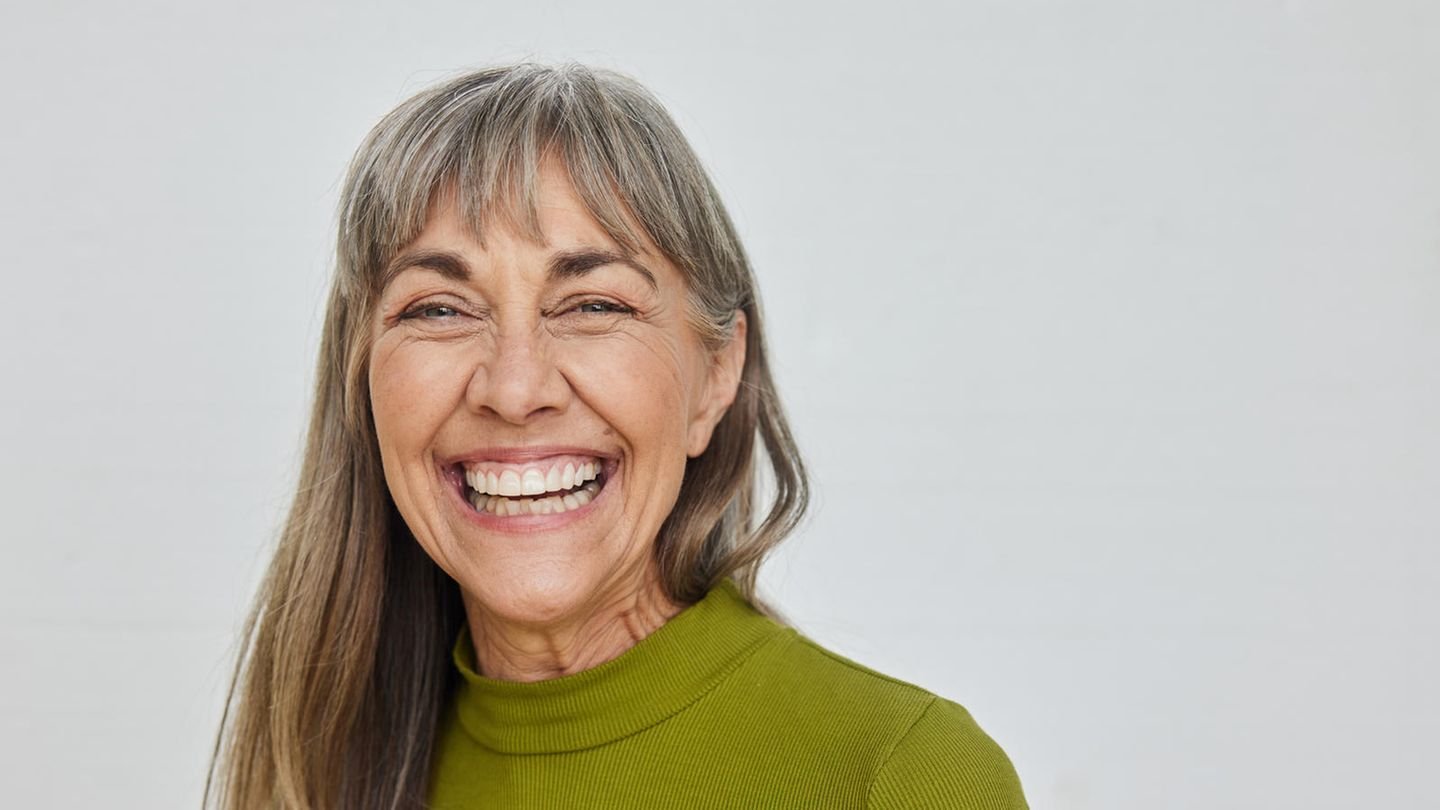
I once ran into someone I had not seen in years and my brain did a quick double take. Same warm eyes, same easy smile and a face that looked rested, bright and steady.
On the walk home, I did what many of us do. I replayed the moment and wondered what makes some people seem “youthful” long after life has stacked up jobs, stress, family stuff and late nights.
Genes matter, sure. Yet daily choices show up too, especially in your skin, your posture, your energy and the way your expression sits on your face.
This article is for anyone who wants realistic, doable habits. You will not find magic tricks here. You will find the lifestyle factors people tend to limit when they keep that fresh, healthy look into their 60s.
Think of this as a friendly audit. Pick one area to adjust first, then let small wins build.
1. Unprotected Sun Exposure
Sunlight can feel like a mood boost. It also adds up on your skin over time. When people look youthful in their 60s, they often treat sun protection like brushing their teeth, simple and consistent.
Daily sunscreen is one of the most practical habits in this whole list. In a randomized trial, people assigned to use sunscreen every day showed less measurable skin aging than those who used it whenever they felt like it. The study is indexed on NIH and it is a rare example of a sun habit tested in a structured way.
Try making protection automatic. Keep sunscreen by your toothbrush. Put a spare in your bag. If you are picky about texture, sample a few until one disappears into your routine.
Clothing helps too. A brimmed hat, sunglasses and long sleeves on bright days can support your skin with less effort than you might think. This is especially helpful when you are out longer than planned.
Also, watch for “everyday” exposure. Driving, walking the dog and sitting near windows all count. A little planning supports skin barrier health and helps your face keep a more even tone over the years.
2. Smoking and Secondhand Smoke
Smoking tends to show up on the face in ways people recognize right away. Skin can look dull, lines can look deeper and the mouth area can crease faster. People who keep a youthful look often avoid cigarettes and they limit smoke exposure from others too.
Secondhand smoke matters because it is repeated exposure. Think about patios, porches, car rides and social hangouts. If someone smokes near you often, your skin and lungs deal with it more than you might realize.
One simple shift is to set “fresh air” defaults. Meet friends indoors at smoke-free spots. Choose walking routes away from smoking areas. Ask for the window seat on a patio.
If you are quitting, give yourself credit for every day you choose change. Your body responds to better inputs. Many people notice improvements in circulation, breath and skin glow over time, which can soften the “tired” look that smoke tends to create.
Here is the social piece people forget. If your identity in a group is “the one who smokes,” quitting can feel like losing a role. You can replace it with a new role fast. Become the person who brings the best gum, the best sparkling water, or the best post-meal walk idea.
3. Heavy Drinking That Keeps You Dehydrated
Alcohol can be part of social life. Heavy drinking, especially when it is frequent, tends to show up on your face. Puffiness, redness and uneven texture are common. People who age well usually keep alcohol in a range that lets their body recover.
Hydration is a big reason. Alcohol pulls water out of you and dehydration can make fine lines stand out more. The next morning face can look swollen, then tight, then flat, all in one day.
Look at your patterns, not your promises. Do you drink most nights? Do you drink fast? Do you drink when stressed? Those answers tell you more than counting “rules” you made on a hopeful Sunday.
Try a pace plan that feels normal in your life. For some people, that means choosing alcohol-free days. For others, it means switching to lower-alcohol drinks, or having a glass of water between drinks. You can still show up socially and keep your skin calmer.
Also, check what drinking replaces. Many people want a reward at the end of the day. You can build a new reward that supports your face and mood, like a mocktail with citrus, a shower that signals “work is done,” or a quick stretch while music plays.
4. Sleep Debt That Adds Up All Week
When you sleep well, your face often looks more open. Your under-eye area looks softer. Your expression looks friendlier, even before you speak.
Sleep debt stacks quietly. A short night here and there can turn into a constant “almost tired” baseline. People who look youthful tend to protect sleep the way they protect their phone battery.
Start with a small boundary you can keep. Pick a target bedtime, then set an alert 45 minutes earlier that signals wind-down. Even better, build a cue that feels pleasant, like dim lights, herbal tea, or a light book.
Some nights get messy, life happens. When it does, focus on recovery. A consistent wake time, morning light and movement during the day can help your body find a rhythm again.
If your brain runs loud at night, write a two-minute “brain sweep” list. Dump tasks and worries onto paper. Many people fall asleep faster when their mind stops trying to hold the whole day.
Over time, better sleep supports collagen support and a more rested look. It also helps you make better choices in the other sections, since tired brains reach for quick comfort.
5. High-Sugar, Ultra-Processed Eating Patterns
Your skin is part of your body and it responds to what you eat. People who keep a youthful face often eat in a way that keeps blood sugar steadier and inflammation lower. They also keep ultra-processed foods in a smaller role.
Think of ultra-processed foods as items built for shelf life and speed. Chips, candy, sugary drinks and many packaged sweets fit here. These foods can spike your energy fast, then drop it. That roller coaster can show up as cravings, irritability and tired-looking skin.
You do not need a perfect diet to see benefits. Start with swaps that feel satisfying. Add fruit after dinner instead of candy. Choose yogurt with berries. Keep nuts or hummus around for a quick snack. Small changes support blood sugar balance without making you feel deprived.
Protein and fiber help you feel steady. So do healthy fats. Meals that include beans, lentils, tofu, eggs, fish, or chicken, plus vegetables, can keep your face looking more even and less puffy day to day.
Try the “add first” approach. Add greens, add water-rich foods, add a colorful side. Many people find their cravings calm down once their body feels nourished.
If you want a simple skin-friendly staple, focus on omega-3 fats from foods like walnuts, chia, flax, or fatty fish if you eat it. Pair that with plenty of produce and you give your skin building blocks it can actually use.
6. Stress That Never Gets a Reset
Stress lives in the face. It shows up in tight jaws, furrowed brows and that “bracing” look you can feel in your forehead. People who stay youthful tend to build regular reset moments, even when life stays busy.
A reset can be small. Two minutes of slow breathing before a meeting. A walk around the block after a tense call. A stretch that drops your shoulders away from your ears. These actions signal safety to your nervous system.
I once caught my reflection after a long week and realized I was holding my face like I was arguing with someone. I tried a two-minute pause, unclenched my jaw and my whole look softened.
Social stress counts too. If you spend time around people who drain you, your face often mirrors that drain. Consider tightening your boundaries in gentle ways. Shorter visits, clearer plans and more time with friends who help you laugh can change your baseline expression.
Build a daily ritual that supports stress hormones regulation. Journaling, prayer, meditation, gardening, or a simple evening tidy can work. The best ritual is the one you will repeat.
Also, practice “face checks” during the day. Relax your brow. Drop your tongue from the roof of your mouth. Let your eyes go soft. It sounds tiny, yet it can reduce the constant tension that turns into deeper lines over time.
7. Weight Cycling From Crash Dieting
Many people try quick-fix diets at some point. Repeated weight loss and regain can change how your face looks, especially around the cheeks and jawline. People who look youthful often choose steadier habits that keep their weight more stable.
Weight cycling can also push you toward extremes. You might cut out whole food groups, then rebound hard. That pattern can affect energy, mood and how consistently you nourish your skin.
A steadier approach usually looks simple. Regular meals. Enough protein. Plenty of plants. Movement you can keep doing next month. These choices can support muscle tone and a more stable facial fullness.
If you want to change your body, think “slow and livable.” Small calorie shifts, stronger routines and fewer all-or-nothing rules tend to be easier to hold. When your habits feel calm, your face often looks calmer too.
Strength training can be especially helpful as you age, since it supports muscle and posture. Better posture changes how your face reads to others. You look more alert and confident when you are not collapsing forward.
Finally, be kind with your timeline. A long view supports healthy aging. Your future self gets the benefits of consistency, even when the changes feel gradual.