


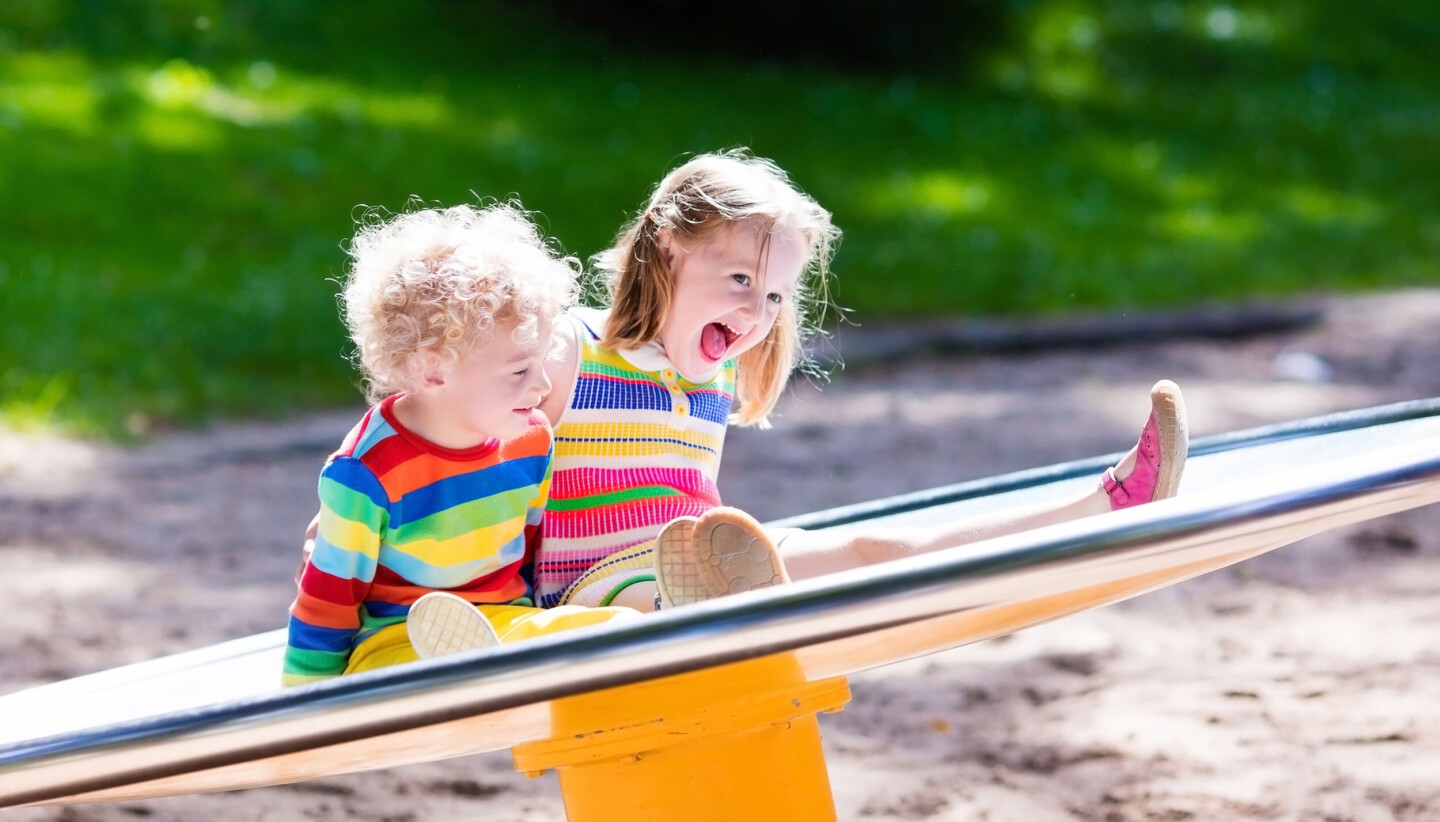
Ask someone who grew up in the 1970s about “the rules,” and you’ll often get a laugh first. The rules rarely lived on paper. They lived in the space between dinner and dusk, in the sound of a screen door and in the way a neighbor’s voice could travel down a block.
I once heard an older relative say, “We didn’t make plans. We made eye contact.” It sounded dramatic. Then they described how a whole afternoon could happen without a single adult text, calendar invite, or location pin.
If you’re raising kids now, or you simply remember being one, these old-school expectations can feel both charming and confusing. They also carried quiet psychology lessons, like how to manage time, handle boredom and read people’s moods.
Today’s kids live in a different world. Families juggle schedules, safety concerns and screens that follow you everywhere. Even so, it’s fascinating to see how a few simple “unspoken rules” shaped independence and social skills.
Let’s walk through ten of them, with a warm look at what they taught and why they feel so surprising now.
1. You Came Home When the Streetlights Turned On
Streetlights worked like a community clock. When they flickered on, you knew the day’s freedom had a deadline. Many kids treated it as a streetlight curfew that didn’t need a reminder.
Back then, time was something you felt. You watched the sky change. You listened for the dinner sounds coming from open windows. That kind of timing trained your body to notice cues, which is a quiet life skill.
For a lot of kids, being late meant facing a parent’s look at the door. It also meant missing dinner, missing dessert, or missing the next day’s “yes” when you asked to go out. Those small outcomes helped kids connect choices to results, which builds natural consequences in a very everyday way.
What would stump many kids today is the lack of countdowns. There were fewer alarms, fewer smartwatches and fewer pings. You had to remember the rule and act on it.
Even now, you can borrow the spirit of it. A simple “home by dinner” boundary can feel grounding. It turns the end of the day into a shared rhythm instead of a last-minute scramble.
2. You Roamed the Neighborhood Without Check-Ins
Neighborhood roaming meant you might be at the park, then the corner store, then someone’s porch, all in one afternoon. Adults had a general idea of where kids gathered. Kids filled in the rest.
Curiously, that freedom asked for constant decision-making. You learned which streets felt friendly. You figured out which house had the “nice dog” and which yard had the “mean sprinkler.” Over time, you built a mental map and a sharper sense of judgment.
Meanwhile, your social world stayed flexible. You had to negotiate plans in real time. You had to handle someone saying, “We’re going to the creek,” and decide if you were in.
There’s also a well-studied reason free movement and play can matter. Research on outdoor play points to benefits for kids’ self-control and attention, often called executive functions. One study summary on free play highlights links between outdoor play and these skills in young children.
These days, constant check-ins can reduce anxiety for adults. They can also shrink a kid’s chance to practice independence in small steps. The old rule created those steps by default.
If you miss that feeling, you can recreate a modern version. Think “range freedom” that fits your area, like one block, one park, or one trusted route. Kids still get the thrill of choice and you still get peace of mind.
3. You Knocked, Asked for Your Friend, Then Disappeared to Play
Showing up at someone’s door was normal. You didn’t schedule a playdate two weeks ahead. You knocked, asked politely and waited.
That short moment at the doorway taught manners fast. You learned to greet an adult. You learned to handle “They’re eating” or “They can’t come out today” without falling apart. That’s real-life emotional practice.
Then, once your friend appeared, you vanished. Adults usually didn’t hover. You played in basements, backyards, sidewalks and vacant lots. It was kid-led play, with kids setting the rules and solving the small problems.
Sometimes you came back scraped up and proud. Sometimes you came back annoyed because someone “changed the game.” Either way, you gained social confidence by doing the social work yourself.
Try picturing this with today’s norms. Many kids would feel unsure walking up to a door without messaging first. Many adults would feel unsure answering it. The rule depended on shared expectations across the street.
4. You Memorized Phone Numbers
Phone numbers lived in your head, or on a sticky note stuck to the fridge. You memorized your home number, your best friend’s number and maybe your grandparents’ number too.
That kind of memorizing is like a workout for recall. It strengthens your memory muscle because you practice holding information without a search bar.
It also made communication feel intentional. When you called someone, you wanted to talk. You didn’t fire off ten quick messages and hope one landed.
Another funny piece is how kids used each other as phone books. “Do you know Jamie’s number?” was a real question. It built a tiny web of connection and a sense of who belonged to your world.
If you want a small challenge today, pick two important numbers and learn them. Your future self will thank you the next time your battery dies at the worst possible time.
5. You Used the Wall Phone and Spoke to a Parent First
The wall phone sat in a fixed place, often in the kitchen. Calls happened in the middle of life, with dishes clinking and siblings listening from the hallway.
When you called a friend, a parent often answered. You said your name clearly. You asked if your friend was there. That was a mini lesson in respect and patience.
There was also a built-in gatekeeper role for adults. A parent could hear how you sounded. They could sense if you were upset. That family gatekeeper moment added a layer of safety and support.
Privacy looked different too. If you wanted a long talk, you stretched the cord into a corner, or you waited until everyone was busy. You learned timing and self-awareness without making a big announcement.
Some people remember it as awkward. Others remember it as grounding. Either way, it trained kids to speak up, introduce themselves and keep their cool when an adult picked up.
If you have kids now, you can still teach a version of this. Practice a simple phone script. Let them call a relative. Stay nearby and let them lead.
6. You Drank From the Garden Hose
On a hot day, the hose was your water fountain. You let it run for a second, then you leaned in and drank like you’d crossed a desert.
It was also a ritual. Someone would shout, “Hose break!” and the game paused. That shared pause gave kids a chance to reset and check in with their bodies.
There’s a sensory memory here too. The water tasted like summer, rubber and metal. It felt like freedom, even if it was just hydration on a lawn.
Many kids today would find it strange because water is now packaged, filtered and assigned to personal bottles. The old habit made the outdoors feel self-sufficient, as if fun could keep going with whatever was around.
If you want the modern emotional version, think “simple breaks outside.” A quick walk. A sip of cold water on a porch. A moment where your brain gets fresh air.
7. You Rode Wherever There Was Space in the Car
Car rides looked different. Seats filled up, kids squeezed in and comfort came second to getting everyone to the place. It taught flexibility and a certain “we’ll make it work” mindset.
You also learned to pack light. You carried what you could hold. You didn’t need a bag with chargers, snacks and backup entertainment.
On the psychology side, crowded rides created forced togetherness. You listened to adults talk. You watched how they handled stress. You picked up social cues without realizing it.
Of course, many families now follow stricter safety practices. That change reflects better information and better tools. The cultural shift also means kids experience fewer “rough edges” in everyday life, including everyday risk and minor discomfort.
What’s worth keeping is the togetherness. Sing along to a song. Tell a story. Let the ride be part of the day instead of dead time.
8. You Shared One TV, One Schedule and Limited Choices
Television used to be an event. There were fewer channels, fewer screens and a lot of negotiating. If you wanted to watch something, you made your case.
Sharing a TV built shared attention. You laughed at the same jokes. You groaned at the same commercials. The next day, you could talk about it at school because lots of kids saw the same thing.
Waiting mattered too. You learned waiting your turn because your show might come on once a week. You learned to tolerate anticipation, which is a skill that supports self-control.
Limited choices also sparked creativity. If nothing “good” was on, you went outside. You made up a game. You played cards. Boredom became a doorway to offline creativity.
Today, kids have endless options on demand. It’s convenient and it can be fun. It also changes how patience and shared culture develop at home.
9. You Settled Kid Problems on the Spot
If someone cut in line, you handled it right there. If someone took your ball, you figured out what to do. Adults were often farther away and kids tried to solve the conflict first.
That taught problem-solving in real time. You practiced words like “Stop,” “Give it back,” and “Let’s take turns.” You also learned when to walk away.
Sometimes you made up new rules to keep the game going. Sometimes you voted. Sometimes you traded, like, “You can be first next round.” Those small negotiations trained leadership and teamwork.
I remember seeing a group of kids argue over who got to pitch. Five minutes later, they were laughing again and the game had moved on. Nobody wrote a long message about it afterward.
Now, adults often step in faster and kids spend more time supervised. That can reduce harm and it can also reduce practice time for everyday conflict skills.
A helpful modern approach is coaching language before the problem happens. Simple phrases can give kids a script. Then they can try using it on their own, in a setting that feels safe.
10. You Learned Directions by Walking Them
Directions used to be physical. You learned a route by doing it, often more than once. You knew which fence had the loose board and which corner had the cracked sidewalk.
That hands-on approach builds spatial memory. Your brain stores landmarks and patterns. Over time, you develop confidence moving through your world.
You also learned to ask for help. “Which way is Maple Street?” was normal. That little moment of talking to a stranger, usually a neighbor, made communities feel connected.
Kids today often rely on GPS even as passengers. It’s useful and it can also reduce how often you practice building your own internal map. The older rule supported independence through repetition.
If you want to strengthen your sense of direction, pick one familiar route and try it without your phone. Notice three landmarks. Teach them to someone else. Your brain loves that kind of challenge.